
I remember waking up on a Tuesday morning with what felt like a tiny, rhythmic heartbeat pulsing inside my jaw. When I ran my tongue along the gum line behind my back molar, I felt it: a small, firm bump that definitely wasn’t there when I brushed the night before. My first instinct was to ignore it and hope it was just a bit of irritation from some late-night popcorn, but that mistake almost cost me a tooth. I spent two days convinced I could just ‘wait it out’ before the pain became so white-hot I couldn’t even sip room-temperature water. Today, I am going to share exactly how you can tell the difference between a passing irritation and a serious infection so you don’t end up in the emergency chair like I did.
My High-Stakes Game of Dental Roulette
I’ve always been someone who takes pride in my smile, but I fell into the trap of thinking I could self-diagnose. I convinced myself that since it didn’t look like a ‘classic’ sore, it was probably nothing. That is the thing about oral health; problems often hide in plain sight until they become expensive nightmares. Looking back, I realize that knowing the difference between a dental abscess and a gum boil would have saved me forty-eight hours of pure agony. When you have a bump that feels like a pressurized balloon, your body is trying to tell you something urgent. An abscess is essentially a pocket of infection, and unlike a simple mouth sore, it won’t just vanish because you started using a salt-water rinse. If you are feeling that deep, throbbing pain that radiates toward your ear or neck, you aren’t just dealing with a ‘bump’—you’re dealing with a biological emergency.
Is it really worth the panic right now?
Many of us have a natural skepticism when it comes to dental issues. We think, ‘It’s just a small bump, surely it can wait until my next cleaning?’ I used to think that way too, until I learned that regular dental cleanings can save you money and prevent these exact scenarios from ever occurring. The hard truth is that according to the American Dental Association, a dental abscess can lead to a systemic infection if the bacteria spreads to other parts of your body. It isn’t just about your tooth; it’s about your overall health. I made the mistake of trying every ‘natural’ hack I found online, including some questionable advice about oil pulling, while the infection was actually eroding the bone around my tooth root. Don’t be like me. Have you ever noticed a weird growth in your mouth and hoped it would just disappear by morning? If so, you need to be looking for specific ‘red flags’ like a foul taste, fever, or a bump that actually oozes when pressed. If you’re seeing those signs, it’s time to stop Googling and contact us immediately to get a professional eye on the situation. Setting up a quick exam is the only way to catch things before they turn into a full-blown root canal or worse. Stay tuned as we break down the visual cues and the ‘poke test’ that can help you identify exactly what’s happening in your mouth.
Identify the Threat Before It Spreads
To figure out what is happening inside your mouth, you need to act like a detective rather than a patient. The first thing I did during my dental scare was grab a high-powered flashlight and a small hand mirror. You are looking for more than just a bump; you are looking for the ‘source’ of the inflammation. If the swelling is located right at the gum line and looks like a small, red pimple, you might be dealing with a localized issue. However, if the swelling is closer to the root of the tooth or making your cheek look puffy, the infection is likely deeper. Knowing the difference between a dental abscess and a gum boil is the first step in deciding if you need an emergency appointment or a standard check-up.
Grab a Flashlight and Play Detective
I remember staring into my bathroom mirror, holding my phone flashlight at an awkward angle while trying not to gag. I had seen a tiny white dot and my first instinct was to squeeze it like a pimple. Big mistake. The moment I applied pressure, the pain did not just ‘pop’—it shot straight up into my temple like an electric shock. That was the moment I realized this was not a surface-level irritation; the infection was buried deep in the bone. When you do your own visual check, look for ‘fistulas,’ which are tiny tunnels the infection creates to drain pus. If you see a ‘head’ on the bump, do not touch it. Any attempt at ‘bathroom surgery’ can push bacteria deeper into your bloodstream, turning a local problem into a systemic crisis.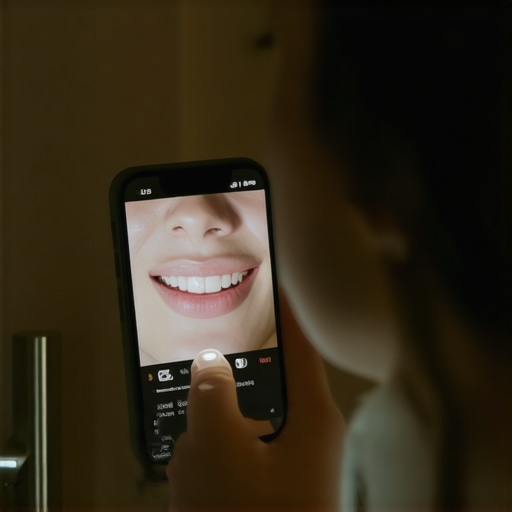
Why Throbbing at Night is a Major Red Flag
One of the most confusing parts of a dental infection is that it does not always hurt the same way all day. I noticed that while I could distract myself during work, the pain became a jackhammer the second I laid my head on the pillow. There is a scientific reason why your tooth feels fine during the day but throbs at night. When you lie flat, blood pressure increases in your head, which puts extra pressure on that pocket of infection. If you find yourself propping up three pillows just to get an hour of sleep, you are no longer dealing with a minor sensitivity. You are dealing with an active abscess that is searching for a way out.
The Ice Cube Test for Nerve Damage
If you are unsure if the tooth itself is the culprit, try the temperature test. Take a small piece of ice or a sip of very cold water and touch it specifically to the tooth near the bump. In a healthy tooth, you will feel a sharp chill that vanishes quickly. If you feel a lingering, dull ache that lasts for minutes—or worse, if the cold actually relieves the pain—the nerve inside your tooth is likely dying. I found that the reason your teeth feel sensitive to sugar but not cold can sometimes be a precursor to this, but once an abscess forms, the rules of sensitivity change. A ‘dead’ tooth can actually feel ‘taller’ than the others because the infection underneath is literally lifting the tooth out of its socket.
Leave the Maintenance to the Experts
It is tempting to think a good scrubbing will fix the problem. I tried brushing that spot until my gums bled, thinking I could ‘clean’ the infection away. In reality, how regular teeth cleaning can prevent major dental issues is by removing the tartar that allows bacteria to burrow under the gumline in the first place. Once the bump is there, your toothbrush is practically useless against the internal bacteria. You should also be wary of oral health myths debunked recently, like the idea that placing an aspirin tablet directly on the gum will help. All that does is cause a chemical burn on your soft tissue, adding a wound on top of an infection. If you start to feel a stiffening in your jaw or a fever, it means the infection is winning. You might think why your wisdom teeth are making your jaw feel stiff is just a part of getting older, but it is often a sign of swelling pressing against your primary chewing muscles.
The biggest mistake I see people make—the same one I almost made—is assuming that if the pain starts to subside, the danger is over. In reality, the absence of pain can be the most dangerous stage of a dental infection. This is the ‘Silent Phase.’ When the pressure inside that pocket of infection reaches a breaking point, the pus can actually tunnel through your bone and gum tissue to create its own drainage path. This ‘natural’ relief feels like a miracle, but it actually means the bacteria have now successfully breached your body’s primary defenses. Have you ever fallen into this trap where you thought you were getting better just because the throbbing stopped? Let me know in the comments, because this is where most people stop seeking help and start losing teeth.
The Dangerous Trap of the ‘Silent’ Infection
Many patients believe that a round of leftover pills from their cabinet will do the trick, but there is a specific reason why your gums stay swollen after you finish your antibiotics. Antibiotics are like a temporary ceasefire; they can reduce the systemic symptoms, but they cannot reach the source of the infection hiding inside the dead pulp of your tooth. I’ve seen countless cases where people think they’ve ‘beaten’ the abscess, only for it to return months later with twice the aggression, often requiring a full extraction rather than a simple repair. According to the American Association of Endodontists, an untreated abscess can lead to a ‘sinus tract,’ a tunnel that allows infection to spread to the jawbone and even the bloodstream, potentially leading to life-threatening conditions like sepsis.
Why does the pain suddenly stop when the infection is still there?
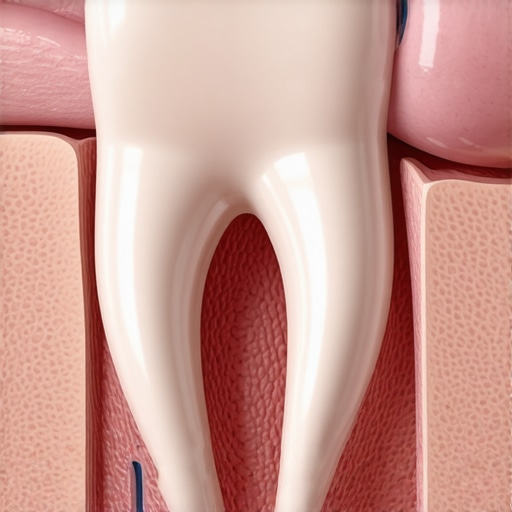
It sounds counterintuitive, but when the nerve inside your tooth finally dies, it stops sending pain signals to your brain. You might feel a sense of relief, but the bacteria are still very much alive, feasting on the decaying tissue. This is the ultimate ‘oops’ factor: confusing the death of a nerve with the healing of an infection. I’ve heard people swear by the truth about oil pulling for whiter teeth and healthy gums, but no amount of coconut oil is going to reach an infection that has moved into your jawbone. If you notice a persistent bad taste or a small, pimple-like bump that comes and goes, the infection hasn’t left—it has just found a way to vent.
Forget the DIY Hacks and Focus on the Foundation
We often get caught up in the aesthetics of our smiles, looking at transform-your-smile-the-impact-of-cosmetic-dentistry-in-2025 and dreaming of perfect veneers. But you cannot build a mansion on a swamp. If you are dealing with chronic gum inflammation or recurring bumps, you are not a candidate for cosmetic upgrades yet. One of the most important oral health myths debunked this year is the idea that cosmetic dentistry can ‘fix’ a sick mouth. It can’t. You need to establish a baseline of health first. I always tell my friends that how regular teeth cleaning can prevent major dental issues is the boring but essential truth that saves you thousands in the long run. If your filling feels off or you feel like the reason your teeth feel taller after getting a new filling is just an adjustment period, get it checked immediately. A high bite can actually cause trauma to the tooth that mimics an infection, leading to the very abscess you’re trying to avoid.
Why My High-End Electric Toothbrush Was Actually a Bargain
Once you have survived the nightmare of a deep-seated infection, your entire perspective on the dental aisle changes. I stopped looking for the cheapest option and started looking for tools that actually disrupt the biofilm that leads to disaster. I personally switched to an oscillating-rotating electric toothbrush with a built-in pressure sensor. Why? Because I realized I was one of those ‘aggressive brushers’ who was actually contributing to gum recession. If you push too hard, the sensor flashes red, forcing you to be gentle. A landmark study by the Cochrane Oral Health Group confirmed that these powered brushes provide a 21% reduction in plaque and an 11% reduction in gingivitis over manual brushing after just three months. This isn’t just about gadgetry; it is about precision. I also integrated a water flosser into my nightly routine. Many people ask about the benefits of using a water flosser for patients with gum disease, but I use it for prevention. It clears the debris from under the gum line where my brush simply cannot reach. By the time you feel a bump, the bacteria have already set up camp; my goal now is to make sure they never find a place to hide.
How do I maintain a healthy smile for the long haul?
Maintenance is a marathon, not a sprint, especially when you are managing perfect oral health as a family. I recommend the ‘Two-Minute Rule’ but with a twist: spend thirty seconds on each quadrant of your mouth, focusing specifically on the junction where the tooth meets the gum. I also swear by using a tongue scraper every single morning. If you have ever wondered why your breath smells bad even after you scrape your tongue, it is likely because you aren’t reaching far enough back where anaerobic bacteria thrive. For those of us who have invested in our looks, knowing how to maintain your porcelain veneers or crowns is the difference between a lifetime of confidence and a second round of expensive bills. I personally use a non-abrasive gel instead of a gritty paste to keep my restorations smooth and plaque-resistant.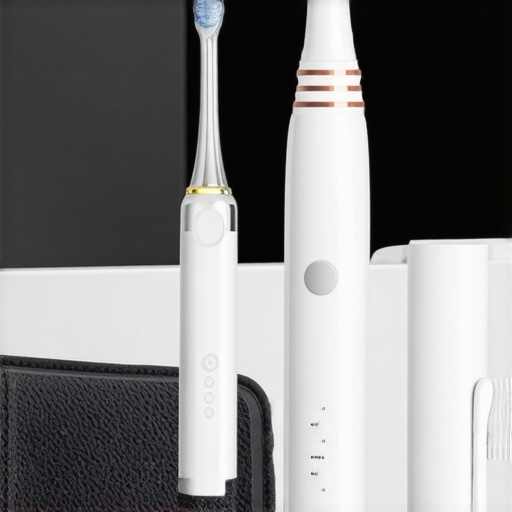
The Future of Home Diagnostics and Smart Brushing
Looking ahead, I predict we are entering an era of ‘bio-monitoring’ in our own bathrooms. We are already seeing brushes that sync to apps to show exactly which molar you missed. In the next few years, I expect to see home kits that can test the pH of your saliva or detect early markers of inflammation before you even see a bump. This level of revolutionary teeth cleaning techniques for 2025 will turn the tide against chronic infections. We are moving away from reactive ‘fix-it’ dentistry and toward proactive ‘keep-it-healthy’ habits. I’ve learned that maintaining oral health is about the small, daily wins that add up to a lifetime of painless smiles. Even if you think you’re doing a great job, regular teeth cleaning can prevent major issues that even the best electric toothbrush will miss. If you haven’t upgraded your flossing game yet, try this: use a water flosser on the ‘pulse’ setting tonight and see how much debris comes out even after you’ve brushed. It’s a wake-up call you won’t forget.I remember waking up on a Tuesday morning with what felt like a tiny, rhythmic heartbeat pulsing inside my jaw. When I ran my tongue along the gum line behind my back molar, I felt it: a small, firm bump that definitely wasn’t there when I brushed the night before. My first instinct was to ignore it and hope it was just a bit of irritation from some late-night popcorn, but that mistake almost cost me a tooth. I spent two days convinced I could just ‘wait it out’ before the pain became so white-hot I couldn’t even sip room-temperature water. Today, I am going to share exactly how you can tell the difference between a passing irritation and a serious infection so you don’t end up in the emergency chair like I did.
My High-Stakes Game of Dental Roulette
I’ve always been someone who takes pride in my smile, but I fell into the trap of thinking I could self-diagnose. I convinced myself that since it didn’t look like a ‘classic’ sore, it was probably nothing. That is the thing about oral health; problems often hide in plain sight until they become expensive nightmares. Looking back, I realize that knowing the difference between a dental abscess and a gum boil would have saved me forty-eight hours of pure agony. When you have a bump that feels like a pressurized balloon, your body is trying to tell you something urgent. An abscess is essentially a pocket of infection, and unlike a simple mouth sore, it won’t just vanish because you started using a salt-water rinse. If you are feeling that deep, throbbing pain that radiates toward your ear or neck, you aren’t just dealing with a ‘bump’—you’re dealing with a biological emergency.
Is it really worth the panic right now?
Many of us have a natural skepticism when it comes to dental issues. We think, ‘It’s just a small bump, surely it can wait until my next cleaning?’ I used to think that way too, until I learned that regular dental cleanings can save you money and prevent these exact scenarios from ever occurring. The hard truth is that according to the American Dental Association, a dental abscess can lead to a systemic infection if the bacteria spreads to other parts of your body. It isn’t just about your tooth; it’s about your overall health. I made the mistake of trying every ‘natural’ hack I found online, including some questionable advice about oil pulling, while the infection was actually eroding the bone around my tooth root. Don’t be like me. Have you ever noticed a weird growth in your mouth and hoped it would just disappear by morning? If so, you need to be looking for specific ‘red flags’ like a foul taste, fever, or a bump that actually oozes when pressed. If you’re seeing those signs, it’s time to stop Googling and contact us immediately to get a professional eye on the situation. Setting up a quick exam is the only way to catch things before they turn into a full-blown root canal or worse. Stay tuned as we break down the visual cues and the ‘poke test’ that can help you identify exactly what’s happening in your mouth.
Identify the Threat Before It Spreads
To figure out what is happening inside your mouth, you need to act like a detective rather than a patient. The first thing I did during my dental scare was grab a high-powered flashlight and a small hand mirror. You are looking for more than just a bump; you are looking for the ‘source’ of the inflammation. If the swelling is located right at the gum line and looks like a small, red pimple, you might be dealing with a localized issue. However, if the swelling is closer to the root of the tooth or making your cheek look puffy, the infection is likely deeper. Knowing the difference between a dental abscess and a gum boil is the first step in deciding if you need an emergency appointment or a standard check-up.
Grab a Flashlight and Play Detective
I remember staring into my bathroom mirror, holding my phone flashlight at an awkward angle while trying not to gag. I had seen a tiny white dot and my first instinct was to squeeze it like a pimple. Big mistake. The moment I applied pressure, the pain did not just ‘pop’—it shot straight up into my temple like an electric shock. That was the moment I realized this was not a surface-level irritation; the infection was buried deep in the bone. When you do your own visual check, look for ‘fistulas,’ which are tiny tunnels the infection creates to drain pus. If you see a ‘head’ on the bump, do not touch it. Any attempt at ‘bathroom surgery’ can push bacteria deeper into your bloodstream, turning a local problem into a systemic crisis.
Why Throbbing at Night is a Major Red Flag
One of the most confusing parts of a dental infection is that it does not always hurt the same way all day. I noticed that while I could distract myself during work, the pain became a jackhammer the second I laid my head on the pillow. There is a scientific reason why your tooth feels fine during the day but throbs at night. When you lie flat, blood pressure increases in your head, which puts extra pressure on that pocket of infection. If you find yourself propping up three pillows just to get an hour of sleep, you are no longer dealing with a minor sensitivity. You are dealing with an active abscess that is searching for a way out.
The Ice Cube Test for Nerve Damage
If you are unsure if the tooth itself is the culprit, try the temperature test. Take a small piece of ice or a sip of very cold water and touch it specifically to the tooth near the bump. In a healthy tooth, you will feel a sharp chill that vanishes quickly. If you feel a lingering, dull ache that lasts for minutes—or worse, if the cold actually relieves the pain—the nerve inside your tooth is likely dying. I found that the reason your teeth feel sensitive to sugar but not cold can sometimes be a precursor to this, but once an abscess forms, the rules of sensitivity change. A ‘dead’ tooth can actually feel ‘taller’ than the others because the infection underneath is literally lifting the tooth out of its socket.
Leave the Maintenance to the Experts
It is tempting to think a good scrubbing will fix the problem. I tried brushing that spot until my gums bled, thinking I could ‘clean’ the infection away. In reality, how regular teeth cleaning can prevent major dental issues is by removing the tartar that allows bacteria to burrow under the gumline in the first place. Once the bump is there, your toothbrush is practically useless against the internal bacteria. You should also be wary of oral health myths debunked recently, like the idea that placing an aspirin tablet directly on the gum will help. All that does is cause a chemical burn on your soft tissue, adding a wound on top of an infection. If you start to feel a stiffening in your jaw or a fever, it means the infection is winning. You might think why your wisdom teeth are making your jaw feel stiff is just a part of getting older, but it is often a sign of swelling pressing against your primary chewing muscles.
The biggest mistake I see people make—the same one I almost made—is assuming that if the pain starts to subside, the danger is over. In reality, the absence of pain can be the most dangerous stage of a dental infection. This is the ‘Silent Phase.’ When the pressure inside that pocket of infection reaches a breaking point, the pus can actually tunnel through your bone and gum tissue to create its own drainage path. This ‘natural’ relief feels like a miracle, but it actually means the bacteria have now successfully breached your body’s primary defenses. Have you ever fallen into this trap where you thought you were getting better just because the throbbing stopped? Let me know in the comments, because this is where most people stop seeking help and start losing teeth.
The Dangerous Trap of the ‘Silent’ Infection
Many patients believe that a round of leftover pills from their cabinet will do the trick, but there is a specific reason why your gums stay swollen after you finish your antibiotics. Antibiotics are like a temporary ceasefire; they can reduce the systemic symptoms, but they cannot reach the source of the infection hiding inside the dead pulp of your tooth. I’ve seen countless cases where people think they’ve ‘beaten’ the abscess, only for it to return months later with twice the aggression, often requiring a full extraction rather than a simple repair. According to the American Association of Endodontists, an untreated abscess can lead to a ‘sinus tract,’ a tunnel that allows infection to spread to the jawbone and even the bloodstream, potentially leading to life-threatening conditions like sepsis.
Why does the pain suddenly stop when the infection is still there?
It sounds counterintuitive, but when the nerve inside your tooth finally dies, it stops sending pain signals to your brain. You might feel a sense of relief, but the bacteria are still very much alive, feasting on the decaying tissue. This is the ultimate ‘oops’ factor: confusing the death of a nerve with the healing of an infection. I’ve heard people swear by the truth about oil pulling for whiter teeth and healthy gums, but no amount of coconut oil is going to reach an infection that has moved into your jawbone. If you notice a persistent bad taste or a small, pimple-like bump that comes and goes, the infection hasn’t left—it has just found a way to vent.
Forget the DIY Hacks and Focus on the Foundation
We often get caught up in the aesthetics of our smiles, looking at transform-your-smile-the-impact-of-cosmetic-dentistry-in-2025 and dreaming of perfect veneers. But you cannot build a mansion on a swamp. If you are dealing with chronic gum inflammation or recurring bumps, you are not a candidate for cosmetic upgrades yet. One of the most important oral health myths debunked this year is the idea that cosmetic dentistry can ‘fix’ a sick mouth. It can’t. You need to establish a baseline of health first. I always tell my friends that how regular teeth cleaning can prevent major dental issues is the boring but essential truth that saves you thousands in the long run. If your filling feels off or you feel like the reason your teeth feel taller after getting a new filling is just an adjustment period, get it checked immediately. A high bite can actually cause trauma to the tooth that mimics an infection, leading to the very abscess you’re trying to avoid.
Why My High-End Electric Toothbrush Was Actually a Bargain
Once you have survived the nightmare of a deep-seated infection, your entire perspective on the dental aisle changes. I stopped looking for the cheapest option and started looking for tools that actually disrupt the biofilm that leads to disaster. I personally switched to an oscillating-rotating electric toothbrush with a built-in pressure sensor. Why? Because I realized I was one of those ‘aggressive brushers’ who was actually contributing to gum recession. If you push too hard, the sensor flashes red, forcing you to be gentle. A landmark study by the Cochrane Oral Health Group confirmed that these powered brushes provide a 21% reduction in plaque and an 11% reduction in gingivitis over manual brushing after just three months. This isn’t just about gadgetry; it is about precision. I also integrated a water flosser into my nightly routine. Many people ask about the benefits of using a water flosser for patients with gum disease, but I use it for prevention. It clears the debris from under the gum line where my brush simply cannot reach. By the time you feel a bump, the bacteria have already set up camp; my goal now is to make sure they never find a place to hide.
How do I maintain a healthy smile for the long haul?
Maintenance is a marathon, not a sprint, especially when you are managing perfect oral health as a family. I recommend the ‘Two-Minute Rule’ but with a twist: spend thirty seconds on each quadrant of your mouth, focusing specifically on the junction where the tooth meets the gum. I also swear by using a tongue scraper every single morning. If you have ever wondered why your breath smells bad even after you scrape your tongue, it is likely because you aren’t reaching far enough back where anaerobic bacteria thrive. For those of us who have invested in our looks, knowing how to maintain your porcelain veneers or crowns is the difference between a lifetime of confidence and a second round of expensive bills. I personally use a non-abrasive gel instead of a gritty paste to keep my restorations smooth and plaque-resistant.
The Future of Home Diagnostics and Smart Brushing
Looking ahead, I predict we are entering an era of ‘bio-monitoring’ in our own bathrooms. We are already seeing brushes that sync to apps to show exactly which molar you missed. In the next few years, I expect to see home kits that can test the pH of your saliva or detect early markers of inflammation before you even see a bump. This level of revolutionary teeth cleaning techniques for 2025 will turn the tide against chronic infections. We are moving away from reactive ‘fix-it’ dentistry and toward proactive ‘keep-it-healthy’ habits. I’ve learned that maintaining oral health is about the small, daily wins that add up to a lifetime of painless smiles. Even if you think you’re doing a great job, regular teeth cleaning can prevent major issues that even the best electric toothbrush will miss. If you haven’t upgraded your flossing game yet, try this: use a water flosser on the ‘pulse’ setting tonight and see how much debris comes out even after you’ve brushed. It’s a wake-up call you won’t forget.
The Hardest Lesson I Learned About Listening to My Mouth
The most humbling part of my experience was realizing that my body had been whispering warnings long before it started screaming. If I could go back, I would tell myself that a ‘mild ache’ is actually a clinical symptom, not just a nuisance. I learned the hard way that ignoring a localized infection is effectively giving bacteria a head start on your immune system. Another lightbulb moment was discovering how regular teeth cleaning can prevent major dental issues by catching the tiny cracks where bacteria hide before they can cause an abscess. Lastly, never assume a lack of pain equals health; the ‘silent phase’ is often when the real damage to your jawbone occurs.
The Gear That Keeps My Smile Safe
I have completely overhauled my bathroom cabinet to prioritize prevention over repair. First, I invested in an oscillating electric toothbrush because knowing how to choose the right toothbrush bristle strength saved my gums from the recession caused by manual over-brushing. Second, a high-quality water flosser is my non-negotiable; it reaches the pockets where standard floss simply slips by. Finally, I trust the expert advice found in top 5 secrets to maintaining perfect oral health as a family for keeping my household on the right track. These aren’t just gadgets; they are the frontline defense for my smile.
Your Path to a Fear-Free Smile
Dental health shouldn’t be a source of anxiety or guesswork. By staying proactive and understanding the signals your body sends, you can avoid the emergency chair and enjoy the confidence that comes with a healthy mouth. Whether you are looking into how to maintain your porcelain veneers or just trying to get through a week without sensitivity, the key is consistency. Your smile is a permanent investment in your overall well-being, and maintaining oral health is the best gift you can give your future self. Have you ever experienced a dental scare that turned out to be a wake-up call for your daily routine? Let me know in the comments below!