
I still remember the exact moment I realized my mouth was playing tricks on me. It was a crisp autumn evening, and I was sitting on my porch with a giant slice of my grandmother’s famous fudge cake. I took one bite, expecting pure bliss, and instead, a sharp, electric lightning bolt shot straight through my molar. I froze, waiting for the ‘cold’ sensation to follow, but it never came. I could chug ice water without a flinch, yet a single gummy bear felt like a dental emergency. It was frustrating, confusing, and honestly, a little bit scary. I spent weeks trying to ignore it, assuming it was just a phase, but that’s where I made my first big mistake. I treated it like generic sensitivity when, in reality, my teeth were trying to tell me something much more specific about my oral health. Today, I want to pull back the curtain on why sugar—and only sugar—might be causing you that agonizing zing, and more importantly, how we can stop it before it turns into a wallet-draining procedure.
Stop Blaming the Ice Cubes and Look at the Syrup
For the longest time, I thought all tooth sensitivity was created equal. I figured if my teeth hurt, I just needed to swap my toothpaste and avoid the freezer. But sugar sensitivity is a different beast entirely. When you eat something sweet, the high concentration of sugar creates what scientists call osmotic pressure. According to the American Dental Association, this pressure actually pulls fluid out of the microscopic tubules in your dentin, causing a sudden shift that triggers the nerves inside your tooth. It’s a physical reaction to the sugar itself, not the temperature. I learned the hard way that ignoring this specific ‘sugar zing’ is a recipe for disaster. Early on, I just avoided candy, thinking I was ‘solving’ the problem. In reality, I was just masking a potential cavity or thinning enamel that needed professional eyes. If you’ve ever found yourself chewing only on one side of your mouth just to enjoy a soda, you know exactly the struggle I’m talking about. Have you ever felt that sharp, sudden ache specifically after a sugary treat?
Is this just a sign that I’m getting older?
It’s easy to write off dental quirks as just another part of aging, but sugar sensitivity is often a loud-and-clear warning light. It usually means the protective layer of your teeth—the enamel—has been compromised, or perhaps your gums have receded just enough to expose the more sensitive roots. I used to think I could just ‘tough it out,’ but that’s how I ended up needing more intensive family dentistry interventions later. When your enamel thins, those little pathways to your nerves are wide open for sugar to cause havoc. We need to address the root cause, whether it’s a microscopic crack or the beginning of decay, rather than just switching to a different snack. Knowing how to manage tooth sensitivity is the first step toward getting back to a life where you don’t have to fear the dessert menu.
Stop the Scrubbing and Start the Rinsing
I once made the mistake of brushing my teeth the second I finished a bowl of ice cream with caramel sauce. I thought I was being a hero for my dental hygiene, but in reality, I was scrubbing sugar-softened enamel right off my teeth. My dentist later explained that I was basically using my toothbrush like sandpaper on a wet wall. When sugar hits your teeth, it creates an acidic environment that temporarily softens the surface. If you go in immediately with a brush, you are helping the sugar do its damage. Instead, the first move should always be a simple, vigorous water rinse. This neutralizes the pH and clears out the sticky residue without physical abrasion. Think of it like pre-soaking a dirty dish before you try to scrub it clean.
Wait Before You Clean
Timing is everything when your teeth are reacting to sweets. You need to give your saliva—the body’s natural remineralization tool—at least thirty minutes to do its job. This wait time allows the minerals in your saliva to settle back into the enamel, hardening it against the mechanical action of your toothbrush. This is particularly important if you’ve been consuming acidic treats like soda or citrus-flavored candies. I learned that knowing why we recommend waiting thirty minutes to brush after eating fruit applies just as heavily to sugary snacks. By rushing the process, you might be contributing to the very thinning that caused the sensitivity in the first place.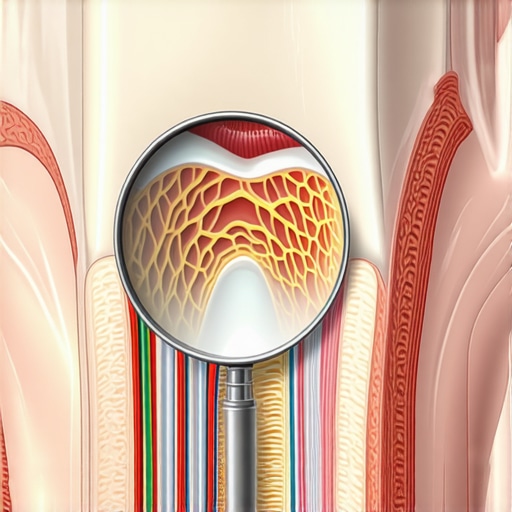
Find the Gaps in Your Armor
Sometimes that sharp pain isn’t about thin enamel everywhere; it is about a specific failure in a previous repair. If the zing only happens on one specific tooth, you might be dealing with a structural issue. Over time, fillings can pull away from the tooth or develop microscopic cracks. Sugar is thin and liquid enough to seep into those gaps, reaching the nerve instantly. Learning how to tell if your filling is leaking is a game changer for sugar sensitivity. If you notice the pain is localized, it’s a clear signal that the ‘seal’ on that tooth has been compromised and requires a professional touch-up rather than just a change in toothpaste.
Pick a Tool That Protects the Enamel
Once that thirty-minute window has passed, your choice of tools determines whether you’re fixing the problem or making it worse. Many people respond to sensitivity by brushing harder, thinking they need to ‘get the sugar off.’ This is the worst thing you can do. Using a hard-bristled brush on sensitive teeth is like using a steel wool pad on a fine china plate. You need a soft or extra-soft brush to protect the remaining enamel. I had to learn how to choose the right toothbrush bristle strength to ensure I wasn’t inadvertently causing gum recession, which exposes even more sensitive tooth roots.
Strengthen the Barrier Daily
If your enamel is already thin, you are working with a disadvantage. In my case, I had to focus on remineralization. This means using products specifically designed to plug those microscopic tubules we talked about earlier. If you have naturally thin enamel, standard whitening products can actually make the sugar zing worse because they often open up the pores of the teeth to lift stains. You have to balance your aesthetic goals with your comfort. Understanding how to whiten your teeth if you have naturally thin enamel without increasing sensitivity is crucial for maintaining a pain-free smile. Following a consistent routine involving the ultimate guide to teeth cleaning techniques will help keep the protective layer of your teeth as robust as possible.
I used to think that as long as I was using a toothbrush twice a day, I was safe from the ‘sugar zing.’ But here is the nuance that most people miss: dental health is not just about cleanliness; it is about chemistry. Many people fall into the trap of believing that ‘natural’ whitening methods like lemon juice or activated charcoal are safer alternatives to professional care. In reality, these are some of the most destructive habits I have seen. Lemon juice is highly acidic, and charcoal is far too abrasive for compromised enamel. Instead of strengthening your teeth, you are essentially stripping away the very shield that prevents sugar from reaching your nerves.
Natural Remedies Might Be Your Teeths Worst Enemy
Everyone says that oil pulling is a miracle cure for everything from cavities to stains, but in my experience, it often leads to a false sense of security. While the truth about oil pulling for whiter teeth and healthy gums is that it can help reduce some bacteria, it is absolutely not a replacement for fluoride or professional cleanings. I have met people who replaced their entire dental routine with ‘natural’ hacks, only to end up with deep-seated decay that was hidden under a surface-level shine. The biggest mistake is assuming that because a product is ‘natural,’ it cannot hurt your enamel. If you are struggling with sensitivity, adding more acids or abrasives is like throwing gasoline on a fire.
A study published in the Journal of Dentistry highlights that the critical pH for enamel demineralization is approximately 5.5. Once your mouth hits this level of acidity—often caused by sugary snacks or ‘natural’ acidic whiteners—your enamel literally begins to dissolve. This is why timing your brushing and choosing the right products is a scientific necessity, not just a suggestion. If you ignore the pH balance of your mouth, even the most expensive toothbrush wont save you from eventual pain.
Why do your front teeth look see-through at the edges?
This is a question I get from patients who are doing everything ‘right’ but still see changes in their smile. If you notice a blueish or translucent look at the tips of your teeth, it is a sign of advanced enamel thinning. This is not just a cosmetic issue; it is a structural warning. Understanding why your front teeth feel thin or see-through at the edges is the key to preventing full-scale fractures. This thinning is often the result of ‘acid wear’—the cumulative effect of diet and improper brushing habits. When the enamel gets this thin, the sugar zing becomes a constant companion because there is almost no barrier left between the world and your dental nerves.
The One-Tooth Trap You Cannot Ignore
One of the most dangerous ‘oops’ factors is assuming that if only one tooth hurts, it is just a temporary fluke. If your sensitivity is localized to a single spot when you eat sugar, you likely have a structural failure. It could be a microscopic crack or a failing restoration. Learning how to tell if your filling is leaking and needs replacement is vital because sugar can seep into these tiny gaps, causing rapid decay from the inside out where you cannot see it. Do not wait for the tooth to throb at night; by then, you are likely looking at a root canal rather than a simple repair.
Invest in Prevention to Save Your Future Budget
There is a common myth that dental visits are just an unnecessary expense if you aren’t in pain. However, how regular dental cleanings can save you money in the long run is through early detection of these very ‘sugar traps’ we have discussed. Modern cosmetic dentistry innovations you cant miss this year aren’t just about making your smile look like a movie star’s; they are about using bonding and high-tech materials to reinforce those thin areas and seal those leaks before they become emergencies. Sometimes, the reason your teeth look yellow even though you brush twice daily is simply that the enamel has thinned so much that the yellowish dentin underneath is showing through. No amount of scrubbing will fix that—only professional intervention can. Have you ever fallen into this trap of trying to scrub away a color or sensitivity issue only to make it worse? Let me know in the comments.
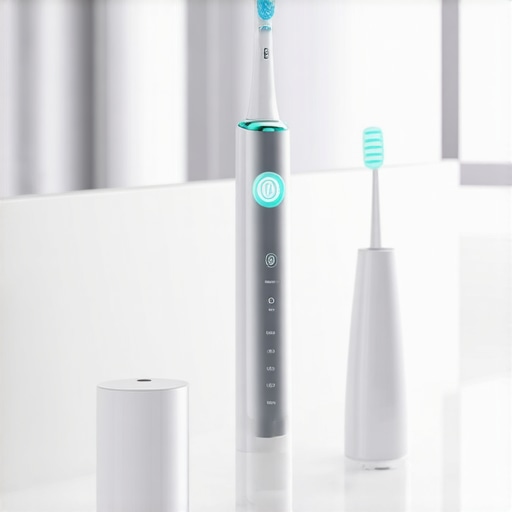
Once you’ve identified those structural gaps, the next step is building a defense system that actually holds up under pressure. For me, that meant moving beyond the basics and adopting tools that do the heavy lifting for me. I personally swear by a high-pressure water flosser. While standard floss is great for physical debris, the benefits of using a water flosser for patients with gum disease or sensitivity are unmatched because the pulsating stream can flush out the microscopic sugar residues that hide in the tightest pockets of your gums. It’s not just about cleaning; it’s about neutralizing the environment where that ‘sugar zing’ begins. Pair this with gentle teeth cleaning best practices for sensitive gums, like using a brush with a built-in pressure sensor. I used to be a ‘scrubber’ until my brush started flashing red, telling me I was literally grinding away my enamel.
My Secret Weapon for Flushing Out Sugar Gaps
I’ve also shifted my focus toward bioactive ingredients. While fluoride is the gold standard, we are seeing a massive shift toward nano-hydroxyapatite. According to a 2019 study in the International Journal of Nanomedicine, synthetic hydroxyapatite has been shown to effectively remineralize enamel by forming a new layer of apatite that integrates directly with the tooth’s natural structure. This isn’t just a coating; it’s a structural reinforcement. If you’ve been searching for preventive tips for long-lasting dental health for families, this is the tech to watch. It fills in those tiny ‘potholes’ in your enamel that sugar usually exploits, making your teeth feel smoother and far less reactive to that grandmother’s fudge cake I mentioned earlier.
How do I maintain a pain-free smile over time?
Consistency is obviously the boring answer, but the real secret is staying ahead of the wear and tear. If you have invested in your smile, whether through braces or more intensive work, you have to know how to maintain your porcelain veneers so they last twenty years or more. This means using non-abrasive gels and avoiding the ‘natural’ charcoal trends that strip your expensive work. I recommend a ‘low-acid’ diet strategy—not cutting out fruit, but pairing it with water or cheese to balance the pH immediately. It’s about creating a lifestyle where your dental defense is passive, so you don’t have to think about it every time you take a sip of soda.
Why AI is moving into your medicine cabinet
Looking forward, I predict we are entering an era of ‘Smart Dental Surveillance.’ We are already seeing revolutionary teeth cleaning techniques for 2025 that include AI-powered cameras inside toothbrushes. Imagine being able to see a real-time heat map of your mouth on your phone, showing exactly where your enamel is thinning or where a filling is beginning to leak before you ever feel a zing. This level of data will turn us all into mini-dentists of our own mouths, allowing for ‘micro-interventions’ that could potentially end the era of the giant dental bill.
I want you to try one specific thing this week: swap your manual toothbrush for an electric one with a pressure sensor or add a water flosser to your nightly routine. Pay attention to that localized sensitivity; if it persists for more than three days even with these tools, it’s time to stop guessing and get a professional look.
3 Myths That Kept My Teeth Hurting
Reflecting on my journey, the biggest lightbulb moment was realizing that ‘cleaning harder’ was actually a form of self-sabotage. I had to learn that oral health myths debunked for this year prove that scrubbing away at sensitivity only exposes the nerves further. Another realization was that sugar sensitivity is often a cumulative issue—it is rarely about the one candy bar you just ate, but about the weeks of acid wear that came before it. Finally, I discovered that family dentistry tips that make care effortless are just as applicable to adults as they are to children; simplicity and consistency beat aggressive ‘deep cleans’ at home every single time.
How I Repaired My Enamel Without the Guesswork
If you are ready to move past the pain, I recommend looking into these specific tools that changed the game for me. First, prioritize a water flosser; it’s a lifesaver for those following gentle teeth cleaning best practices for sensitive gums because it removes debris without the friction of string. Second, switch to a toothpaste containing nano-hydroxyapatite to physically plug those dentin tubules. Lastly, I suggest checking out the top 5 secrets to maintaining perfect oral health as a family to see how a proactive environment can prevent these issues from starting in the first place. These aren’t just gadgets; they are structural reinforcements for your smile.
#IMAGE_PLACEHOLDER_E#
The Future of Your Pain-Free Smile
You don’t have to live in fear of the dessert tray or dread the sensation of a cold drink. By understanding the chemistry of your mouth and giving your enamel the time it needs to recover, you can reclaim your oral health and enjoy your favorite treats without that agonizing zing. Start small, be patient with your routine, and remember that your teeth are incredibly resilient if you give them the right defense. Have you ever felt that sharp, electric zing after a specific snack, or do you have a secret remedy that actually works? Let me know in the comments below!