
I was staring at those two pink lines, half-ecstatic and half-terrified, when I suddenly felt a sharp zing in my back molar. Then came the pregnancy gingivitis—a term I hadn’t even heard of until my sink looked like a crime scene after brushing. I panicked. I thought, “Is it even safe to go to the dentist right now?” I actually skipped my cleaning because I was scared of the X-rays or the chemicals, and that was a huge mistake. I’m sharing this because I don’t want you to sit at home worrying while your gums suffer. Today, we’re going to break down the actual protocol for keeping your smile healthy while your body is busy building a human. [image1]
Stop Delaying Your Dentist Visit Because of Pregnancy Fears
When you are in the thick of morning sickness, the last thing you want is someone poking around your mouth with a metal scaler. I get it. But those surging hormones are doing a number on your oral health. Many women experience red and puffy gums during pregnancy because of increased blood flow and hormonal shifts that make your body react more aggressively to plaque. I ignored it, thinking it would just “go away” after delivery, but the inflammation only got worse. Neglecting your mouth now can lead to bigger problems later, and honestly, you have enough to worry about with a newborn on the way.
Does the dentist really need to wait until the second trimester?
There is a persistent myth that the first trimester is a “no-fly zone” for dental work. While some major elective surgeries might be postponed, basic maintenance and urgent care are vital. The American College of Obstetricians and Gynecologists (ACOG) actually states that preventive dental care is safe and recommended at any point during pregnancy to avoid complications. If you’re dealing with morning sickness, the acid from vomiting can erode your enamel faster than you think. Learning expert advice for maintaining oral health now prevents a massive bill—and a lot of pain—later. Have you found yourself staring at your toothbrush and wondering if you’re doing more harm than good lately? Establishing a solid routine with family dentistry early on ensures your little one has a healthy start even before they arrive. It’s not just about your smile; it’s about preventing infections that could affect your overall well-being. Knowing how regular teeth cleaning prevents major issues is the first step in a stress-free pregnancy. Let’s talk about the specific steps you should take to keep your teeth intact while your body focuses on the baby.
Protect Your Enamel from Acid Damage
If you are dealing with morning sickness, your instinct is probably to brush your teeth immediately after a vomit episode to get rid of that metallic taste. Stop right there. I did this during my first pregnancy, and within a week, my teeth were so sensitive I could not even drink room-temperature water. When you throw up, your mouth is flooded with stomach acid which temporarily softens your enamel. If you scrub immediately, you are literally brushing away your tooth structure. Instead, rinse your mouth with plain water or a mixture of water and a teaspoon of baking soda to neutralize the acid. This is one of the most important reasons why we recommend waiting thirty minutes to brush after eating fruit or anything acidic. Give your enamel time to re-harden before you pick up the brush. 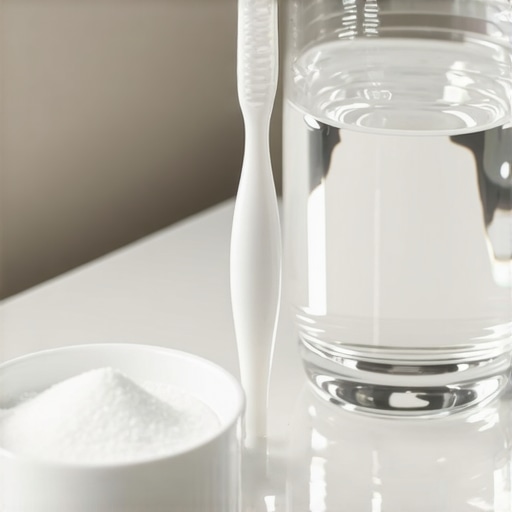
Switch to a Softer Approach for Sensitive Gums
Pregnancy hormones can make your gums feel like they are constantly on edge. You might notice they bleed more easily when you floss, or they feel slightly itchy. During my second trimester, I actually tried switching to a firmer brush because I thought I needed more power to clean the inflammation away. That was a disaster; I ended up with even more irritation. You need to learn how to choose the right toothbrush bristle strength for your gums, and for most pregnant women, extra-soft is the way to go. Using a soft touch isn’t being lazy; it’s being smart. If you find your gums are still reactive, following gentle teeth cleaning best practices for sensitive gums will help manage the puffiness without causing trauma.
Keep Your Saliva Flowing to Fight Cavities
Dry mouth—or xerostomia—is another weird pregnancy symptom that many women face. When your mouth is dry, you don’t have enough saliva to wash away food particles and neutralize plaque acids, which skyrockets your risk for cavities. I used to wake up in the middle of the night feeling like I had swallowed a handful of cotton balls. Understanding the reason your mouth feels dry even when you drink enough water is usually down to those hormonal shifts and increased dehydration. Sip water throughout the day and consider using a fluoride-free, alcohol-free mouthwash to keep things moist.
Schedule Your Professional Cleaning Mid-Pregnancy
The sweet spot for dental work is usually the second trimester. This is when your morning sickness has hopefully subsided, but you aren’t yet too uncomfortable to lie back in the dental chair. I once tried to squeeze in a cleaning at 36 weeks, and let me tell you, trying to breathe while a baby is pushing on your diaphragm and a hygienist is cleaning your molars is an absolute struggle. Getting a professional scale and polish mid-way through helps keep the pregnancy gingivitis in check. Plus, seeing the professional is the only way to truly understand how regular teeth cleaning prevents major issues that could flare up right when you are trying to recover from birth. Be proactive now so you can focus on your baby later. Don’t forget that why your gums recede faster if you use a hard-bristled brush is a lesson you don’t want to learn the hard way while you’re already physically exhausted.Let’s dig deeper into what’s happening beneath the surface because a lot of what we’re told about “pregnancy teeth” is actually dangerous misinformation. I’ve seen so many moms-to-be accept bleeding gums as an inevitable, harmless part of the journey. This is a massive mistake. While it’s true your gums are more sensitive due to hormonal surges, bleeding is a sign of active inflammation that can lead to permanent bone loss if you don’t address it immediately. People often say, “Oh, it’s just the pregnancy,” but in my experience, ignoring those early signs is how women end up with loose teeth by their third trimester. This is why oral health myths debunked what you need to know in 2025 is such a critical read; it stops you from making excuses for symptoms that need professional attention.
Why bleeding gums aren’t just a pregnancy thing
One of the biggest “oops” factors I see is women reaching for aggressive over-the-counter whitening products because they feel their teeth look dull or yellow during pregnancy. Your gums are already in a state of hyper-reactivity. If you apply high-concentration carbamide peroxide now, you aren’t just getting whiter teeth; you’re risking severe chemical burns on your soft tissues and localized recession. I’ve had friends come to me in tears because the reason your gums look receded after using whitening strips became a painful reality for them while they were already dealing with the discomfort of the third trimester. If you absolutely feel the need to brighten your smile, look into the safest way to whiten teeth if you have thin enamel, which usually involves a much lower concentration and direct professional supervision to protect your vulnerable gum line.
Could your gum health actually trigger early labor?
This is the question that really changes how my patients view their hygiene appointments. It’s not just about a pretty smile anymore; it’s about systemic health. According to research published in the Journal of Clinical Periodontology, there is a significant correlation between untreated periodontal disease and an increased risk of preterm birth and low birth weight. The theory is that the bacteria from your mouth can enter the bloodstream and trigger an inflammatory response in the placenta. This is why how regular dental cleanings can save you money in the long run isn’t just about your bank account; it’s about the safety of your baby. 
Don’t fall for the “natural” dental trap
When you’re pregnant, you suddenly want everything to be organic and chemical-free. I get it. But some “natural” dental trends can be incredibly abrasive. Charcoal toothpastes or lemon-juice rinses are like sandpaper on your teeth, especially when your enamel is already being challenged by the acidity of morning sickness. Instead of DIY hacks, stick to proven family dentistry tips that make oral care effortless and effective. Your dentist can recommend fluoride treatments that are perfectly safe for the baby and provide a much-needed shield for your teeth. Wait-and-see is the most dangerous approach in family dentistry. I’ve seen patients who developed a simple cavity in their first trimester but waited until they were six months postpartum to come in because they were scared. By then, that tiny cavity had turned into a full-blown abscess requiring a root canal—all while they were navigating the exhaustion of a newborn. Have you ever fallen into the trap of skipping a cleaning because you were worried about the baby? Let me know in the comments. We need to normalize talking about the real risks and ensuring every mom has access to maintaining oral health expert advice for a lifetime of healthy teeth.Once you move past the immediate shock of morning sickness and pregnancy gingivitis, the focus has to shift from survival to long-term maintenance. I found that my biggest hurdle wasn’t just the hormones—it was the sheer exhaustion of caring for a newborn while trying to maintain my own health. I personally switched to a high-quality water flosser because, quite frankly, I didn’t have the dexterity or patience for traditional string floss at 2 AM. Seeing the benefits of using a water flosser for patients with gum disease first-hand was eye-opening. It flushes out the bacteria that your brush simply can’t reach, especially if you’re dealing with the lingering puffiness that pregnancy often leaves behind. A study published in the Cochrane Library by researcher Helen Worthington highlights that while any interdental cleaning is better than none, powered devices often show a significant reduction in gingival inflammation. This is the level of precision you need when your body is in a state of flux. 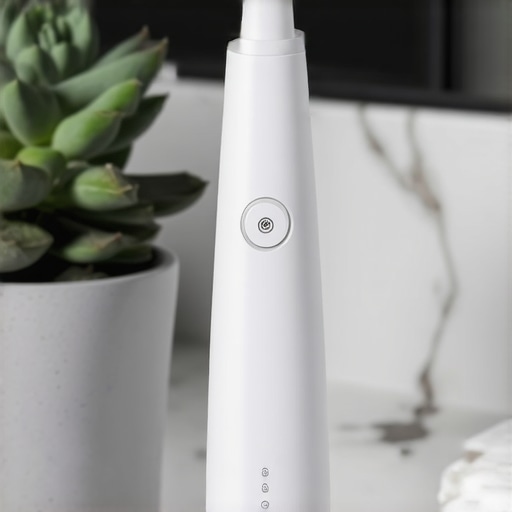
Upgrade your routine with a water flosser
Many people ask me if they should stick with their electric toothbrush if it seems to be causing issues. If you notice your gums are tender, be careful; why your gums only bleed when you use an electric toothbrush is often down to pressure sensors or old brush heads. You want a tool that does the work for you without being abrasive. I recommend a water flosser used on the ‘sensitive’ setting. It’s effective, quick, and much less likely to cause the bleeding we discussed earlier.
How can I keep my smile healthy after the baby arrives?
The months following delivery are just as critical as the pregnancy itself. Your mineral levels are recovering, and your schedule is non-existent. You need preventive tips for long-lasting dental health for families that actually fit into a chaotic lifestyle. I recommend setting a timer on your phone for your two-minute brush. It sounds silly, but when you’re sleep-deprived, thirty seconds can feel like five minutes. If you notice your gums are still sensitive, keep using gentle teeth cleaning best practices for sensitive gums until your dentist gives you the all-clear. Don’t rush back to hard bristles or aggressive scrubbing; that’s a one-way ticket to recession.
Skip the messy molds with modern digital scanning
If you’re looking to scale your dental care or finally address those cosmetic issues you put on hold during your pregnancy, the technology has evolved significantly. I used to dread the goopy, gag-inducing molds for crowns or aligners, but now how we use digital scanners to avoid messy dental molds makes the process seamless and much faster. This is particularly helpful if your gag reflex is still a bit sensitive post-pregnancy. Looking ahead to 2025 and beyond, I predict we’ll see even more integration of AI-driven home monitoring where your toothbrush can alert your dentist to early signs of enamel wear or localized inflammation before you even feel a zing. It’s about being proactive rather than reactive. I challenge you to try one specific thing tonight: switch to a water flosser for just seven days and watch how much the inflammation in your gums drops. You’ll be surprised how much better your mouth feels when you follow maintaining oral health expert advice for a lifetime of healthy teeth.
The Hard Truth About That Gaining a Child Losing a Tooth Myth
For generations, women were told that losing a tooth with every baby was just the price of motherhood. That is absolutely false. The real danger isn’t the baby ‘stealing’ your calcium—it is the unchecked inflammation. I learned the hard way that pregnancy gingivitis is a gateway to much bigger issues if you ignore the signs. By staying informed with oral health myths debunked what you need to know in 2025, you can separate old wives’ tales from clinical reality. Another lightbulb moment for me was realizing that your immune system is slightly suppressed during pregnancy to protect the baby, which means your mouth cannot fight off plaque as efficiently as it used to. You have to be the advocate your teeth need when your body is preoccupied.
#IMAGE_PLACE_HOLDER_E#
My Personal Kit for Stress-Free Dental Maintenance
If you are feeling overwhelmed, do not try to do everything at once. Focus on high-impact tools that make the job easier. I recommend starting with the benefits of using a water flosser for patients with gum disease because it is a total game-changer for inflamed gums. Also, ensure you know how to choose the right toothbrush bristle strength for your gums; anything harder than ‘soft’ is far too much for your sensitive pregnancy tissues. Finally, if you are planning any work post-delivery, look for a practice that understands how we use digital scanners to avoid messy dental molds—it is a much more comfortable experience for a tired new mom.
Take the First Step for Your New Family
Your oral health is the cornerstone of your overall well-being, and by extension, your baby’s health. Do not let fear or exhaustion keep you out of the dental chair. Investing in family dentistry building a foundation of healthy smiles for all ages starts with you today. You have got this, mama. Did you notice any weird changes in your teeth during your pregnancy, or did you, like me, skip a cleaning out of fear? Let me know in the comments below!