
It happened on a Tuesday night during what should have been a relaxing movie marathon. I was halfway through a bowl of popcorn—my favorite ritual—when I heard it. Crack. It wasn’t the sound of a kernel popping; it was the sound of my molar giving up the ghost. I felt that sharp, jagged edge with my tongue and immediately spat a piece of white enamel into my hand. I panicked. I did exactly what you shouldn’t do: I rinsed it under freezing tap water and wrapped it tightly in a dry paper towel. I thought I was being tidy and careful. In reality, I was making a mistake that almost cost me the tooth entirely. By the time I got to my appointment, that fragment was as dry as a bone. I learned the hard way that when it comes to maintaining oral health, every second counts, and moisture is your absolute best friend. Today, I’m going to walk you through the emergency storage solutions you actually have in your kitchen so you don’t end up needing a full dental implant later. Have you ever felt that sudden, sinking realization that your tooth just broke?
Don’t Let Your Tooth Dry Out Like a Desert
The biggest misconception people have—and the one that nearly ruined my smile—is thinking that the tooth fragment is “dead” once it leaves your mouth. It isn’t. Not yet. There are microscopic cells and fibers that need to stay hydrated to remain viable for your dentist to work their magic. According to the American Association of Endodontists, your window for the best results is incredibly narrow, usually under 60 minutes. If those cells dry out, they die, and your dentist’s job becomes ten times more complicated. I remember sitting at my kitchen table, heart pounding, wondering if I should just use adhesive (Please, never use superglue on your teeth!). That feeling of vulnerability is real, but you have to act fast. Your tooth isn’t a fragile antique to be mummified in a tissue; it’s a living part of your anatomy that is currently gasping for air. This is why knowing the protocol for keeping a knocked-out tooth alive is a skill every parent and popcorn lover needs to master.
Is plain tap water enough to keep the cells alive?
You might think a quick dunk in a glass of water is the logical move. I certainly did. But here is the reality that surprised me: tap water can actually cause the cells on the root or fragment to swell and eventually burst because the chemical balance isn’t right for human tissue. It is better than leaving it on a dry counter for a few seconds, but for anything longer than a minute, you need a solution that mimics your body’s natural chemistry. This is where family dental care hacks come into play. We are going to look at why a simple carton of milk from your fridge is actually your best friend in this scenario, providing the perfect pH and nutrient balance to keep those cells alive and healthy. Whole milk is the gold standard for a reason. Think of the root cells like tiny, thirsty hikers; they need a specific environment to survive the trek to the emergency clinic. While maintaining oral health usually involves brushes and floss, in a crisis, it’s all about the chemistry of the liquid. Whole milk has a pH level that matches the interior of your mouth and contains proteins that prevent the root cells from swelling and bursting. The reason milk is so effective isn’t just about the temperature; it’s about the osmolarity. Most liquids, including tap water, have a different concentration of salts and sugars than our bodies do. When you put a tooth in water, the water rushes into the cells to try and balance things out, causing them to explode. It’s a bit like why gentle teeth cleaning is necessary for those with sensitive gums—you have to respect the biology of the tissue. 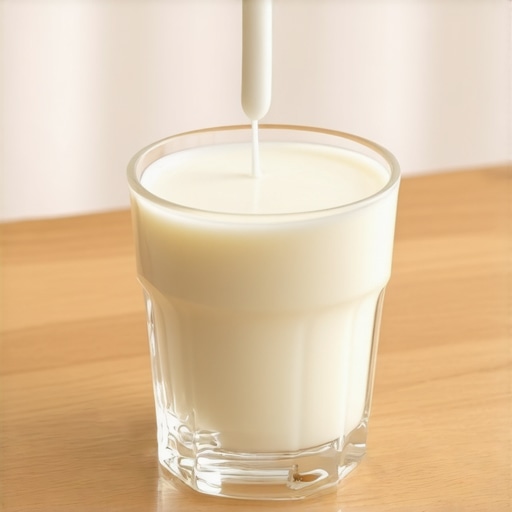
Grab the Milk Before You Grab Your Keys
Two summers ago, my nephew took a stray baseball to the face during a backyard game. Amidst the chaos and crying, his front tooth was sitting in the grass. My sister reached for a dry napkin, but I yelled, ‘No!’ and ran for the fridge. We dropped that tooth into a half-cup of cold milk. Because we acted fast, his dentist was able to replant it, which is one of those family dental care hacks every parent should memorize. It wasn’t pretty, and I definitely spilled milk all over the counter in my panic, but that simple act saved his smile. This is much more effective than trying to fix things later with cosmetic dentistry once the tooth is already lost.
Hold the Crown and Protect the Root
The most critical rule is where you place your fingers. You must pick the tooth up by the chewing surface, known as the crown. Never, under any circumstances, touch the root. The root is covered in delicate periodontal ligament cells. Think of these like the ‘roots’ of a plant; if you crush them or scrape them, the plant won’t take when you put it back in the soil. This is why preventive tips for long-lasting dental health for families always emphasize careful handling during accidents. If the tooth is dirty, don’t use soap or scrub it. Simply rinse it for no more than ten seconds under cold water and get it straight into your milk container. This level of care is just as vital as how regular teeth cleaning can prevent major dental issues, as it preserves the living tissue for the dentist to work with.
Use Your Own Saliva if the Fridge is Empty
What if you’re at a park and there isn’t a grocery store in sight? Your own mouth is the next best storage container. If you are an adult and aren’t at risk of swallowing the tooth, you can actually tuck it into your cheek. Your saliva is chemically compatible with the tooth’s cells. For children, this is too risky because they might swallow or choke on it, so you can have them spit into a small cup and submerge the tooth in their saliva. Following the protocol for keeping a knocked-out tooth alive means being resourceful with what you have on hand. It’s part of the family dentistry tips that make oral care effective even in an emergency. The goal is to keep those cells in a ‘happy’ environment so they don’t go into shock. This immediate action is the bridge between a simple replanting and a lifetime of expensive procedures.While knowing how to save a knocked-out tooth is vital, I’ve found that many people accidentally sabotage their smiles through daily habits they think are helpful. Let’s dig deeper into the ‘cleaner is better’ myth.
Stop Scrubbing Your Teeth Like a Kitchen Counter
We are often taught that a vigorous scrub equals a cleaner mouth. In reality, this is one of the most common oral health myths debunked in my chair every week. When you use a heavy hand, you aren’t just removing plaque; you are physically wearing away your enamel and pushing your gum line back. I see patients all the time who are shocked to find that their ‘extra-clean’ routine is exactly why your gums recede faster if you use a hard-bristled brush. It’s a classic ‘oops’ factor: your intentions are good, but the physics are destructive. Choosing the right toothbrush bristle strength for your specific gum health is actually more important than how much muscle you put into the job. Think of it as polishing a sports car rather than scouring a cast-iron skillet.
The Hidden Trap of Healthy Snacks
Here is a nuance most people miss: timing is everything. If you brush immediately after having a glass of orange juice or a bowl of berries, you might be doing more harm than good. Acids in fruit temporarily soften your enamel. A study published in the Journal of the American Dental Association (JADA) indicates that brushing within 30 minutes of acidic exposure can lead to significant tooth wear because you are essentially brushing the acid into the tooth structure. This is why we recommend waiting thirty minutes to brush after eating fruit or drinking soda. It gives your saliva time to neutralize the pH and remineralize the surface. Have you ever fallen into this trap of brushing right after a healthy snack? Let me know in the comments. 
Can professional whitening fix every type of discoloration?
Most people assume that if their teeth are yellow or grey, a quick trip for cosmetic dentistry will fix everything. However, there’s a sophisticated nuance regarding ‘intrinsic’ versus ‘extrinsic’ stains. If your discoloration comes from coffee, it’s a surface issue. But if it’s from certain medications taken during childhood, standard peroxide won’t cut it. For instance, why professional whitening is the only way to fix tetracycline stains involves specialized techniques that go deeper than the surface. Simply buying over-the-counter strips won’t touch those internal bands of color, and you might end up with uneven results. Understanding these complexities is part of the secrets to maintaining perfect oral health as a family; it’s about knowing which tool fits the specific biological challenge you’re facing.If you’re like me, you want the best results with the least amount of friction. I used to think a manual brush was fine, but my dentist kept pointing out ‘missed spots’ and receding gums. That’s when I invested in a high-quality electric toothbrush with a built-in pressure sensor. This isn’t just about the vibration; it’s about the biofeedback. If I press too hard, the ring turns red, forcing me to unlearn twenty years of aggressive scrubbing. This kind of tech is at the heart of gentle teeth cleaning best practices for sensitive gums. I personally recommend the Oral-B iO series because the micro-vibrations feel more like a professional polish than a harsh vibration. 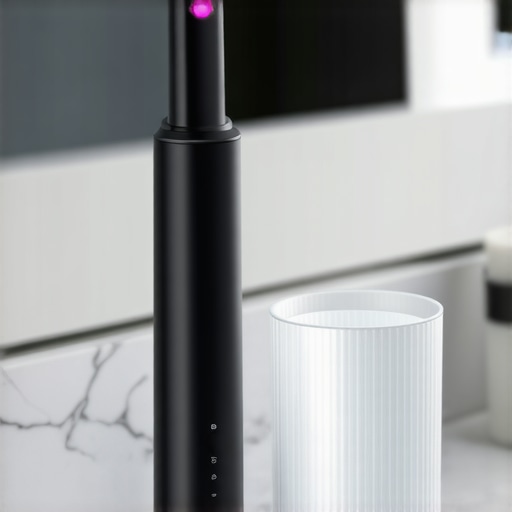
Stop guessing and let the pressure sensor do the work
Switching to a smart brush was the single best move I made for my long-term oral health. According to a study in the International Journal of Dental Hygiene, electric toothbrushes result in 21% less plaque after three months of use compared to manual ones. When you use one, your only job is to guide it. You don’t ‘scrub’; you hover. This shift in mindset is one of the family dentistry tips that make oral care effortless and effective. It removes the human error of pressing too hard, which I’ve found is the biggest culprit behind sensitive roots and enamel wear.
The water flosser is a game-changer for lazy flossers
I’ll be honest: I used to lie to my hygienist about how often I flossed. String flossing felt like a chore that always ended with sore gums. Then I discovered the water flosser. It uses a targeted stream of water to blast away debris between teeth and under the gumline. I use it every single night while I’m winding down. The benefits of using a water flosser for patients with gum disease are well-documented, but for me, it was just about consistency. It’s much harder to skip a habit when it feels like a mini-pressure wash for your mouth. This tool is a cornerstone for maintaining perfect oral health as a family because even kids find it fun to use, which builds great habits early.
How do I keep my smile looking fresh for years?
Long-term maintenance isn’t about one-off ‘deep cleans’ but about the compounding interest of small daily habits. I treat my six-month checkups like a car’s oil change—non-negotiable. I’ve realized that how regular dental cleanings can save you money in the long-run is absolutely true; catching a tiny spot of decay now prevents a complex procedure later. Looking ahead, I predict we will soon see toothbrushes with AI-driven optical sensors that can detect early demineralization in real-time, syncing directly with your dental records. We’re moving toward a future of ‘proactive’ rather than ‘reactive’ dentistry. My challenge for you this week: try the ‘spit don’t rinse’ method. After brushing, just spit out the foam and don’t rinse with water. Let that concentrated fluoride sit on your teeth while you sleep. It’s an advanced piece of expert advice for a lifetime of healthy teeth that costs zero dollars but yields huge results.
The Hardest Lesson I Learned About Trusting My Dental Instincts
Reflecting on my own journey through tooth sensitivity and that one terrifying popcorn accident, I’ve realized that oral care is less about force and more about finesse. Here are the shifts in perspective that finally moved the needle for me:
- Stop chasing the ‘squeaky clean’ feeling. If your teeth feel literally squeaky, you’ve likely stripped away the protective pellicle layer. Aim for smooth, not scrubbed.
- The ‘Milk Trick’ is just the beginning. While whole milk is a lifesaver, the real secret is staying calm enough to remember it. Panic is the enemy of preservation.
- Saliva is your body’s natural armor. I stopped using alcohol-based mouthwashes when I realized they were drying out the very fluid that remineralizes my enamel.
- Prevention is a financial strategy. It’s much cheaper to buy a high-end electric toothbrush than to pay for a single dental implant down the road.
My Personal Toolkit for a Bulletproof Smile
I don’t just recommend tools; I rely on them to keep my family out of the emergency chair. If you want to take your routine to the next level, these are the essentials I trust:
- Hank’s Balanced Salt Solution (HBSS): While milk is great, a specialized tooth preservation kit (like Save-A-Tooth) is the gold standard for the protocol for keeping a knocked-out tooth alive. Keep one in your first aid kit.
- A High-Quality Water Flosser: I personally use the Waterpik Aquarius. It’s the only way I’ve been able to stay consistent, and the benefits of using a water flosser for gum health are undeniable.
- The ‘Spit, Don’t Rinse’ Rule: This isn’t a tool, but a technique. Leave that toothpaste fluoride on your teeth to do its work while you sleep.
- Zirconia Over Porcelain: When it comes to restorations, I always ask about material. Learning why we prefer zirconia for back tooth crowns helped me choose the most durable option for my own mouth.
Your Path to a Lifetime of Confident Smiles
Taking control of your dental health doesn’t have to be overwhelming. It starts with a single change—whether that’s switching to a soft-bristled brush or finally booking that checkup you’ve been putting off. Remember, maintaining oral health is a marathon, not a sprint. By implementing these family dental care hacks, you are protecting more than just your teeth; you are protecting your confidence and your future health. Don’t wait for a crack in the night to start caring for your smile. Have you ever had a dental emergency that caught you off guard, or a ‘lightbulb moment’ at the dentist? Let me know your story in the comments below!