
I remember the exact Tuesday morning I leaned over my daughter’s cereal bowl and saw them: faint, chalky white streaks across her brand-new adult front teeth. My heart sank. I’m a guy who prides himself on knowing his way around a toothbrush, but I felt like I’d failed a basic parenting test. Was it a cavity? Was I not scrubbing hard enough? It turns out, I was actually doing too much. I was so obsessed with preventing decay that I’d been letting her use a grown-up amount of toothpaste while we lived in an area with a highly fluoridated water supply. I was unintentionally causing the very thing I feared. [IMAGE_PLACEHOLDER]
The Invisible Balancing Act in Your Kitchen Tap
Most of us grew up hearing that fluoride is the nature’s cavity fighter. And honestly, the science backs it up. The Centers for Disease Control and Prevention (CDC) actually lists community water fluoridation as one of the ten great public health achievements of the 20th century. But here’s the rub: as a parent, you aren’t just managing a public health statistic; you’re managing a tiny human’s developing enamel. When I first saw those marks, I had to deep-dive into why some children develop white spots on their permanent teeth. I realized that while fluoride is a powerhouse for preventive tips for long-lasting dental health for families, there is a very real Goldilocks zone we have to hit. Too little, and you’re looking at painful cavities; too much, and you’re dealing with fluorosis. Today, I’m going to help you find that middle ground so you can stop worrying every time your kid takes a sip from the faucet.
Is fluoride actually worth the hype?
It’s the question that keeps parents up at night after falling down a Google rabbit hole. You see the all-natural crowd screaming one thing and the dental boards saying another. From my experience, the answer is a resounding yes—but with a big asterisk. The hype is real because fluoride literally rebuilds weakened tooth enamel. However, the mistake I made early on was thinking that more is always better. I didn’t account for the fact that my city already did the heavy lifting. We need to treat fluoride like a powerful supplement, not an all-you-can-eat buffet. Have you ever noticed strange spots on your child’s teeth and wondered if it was the water or just bad luck?
Finding the Sweet Spot for Growing Smiles
Getting this right is really about building a foundation of healthy smiles for all ages. It’s not just about what they drink; it’s about the total fluoride load from water, food, and that strawberry-flavored paste they keep trying to swallow. According to the CDC, the optimal level in drinking water is about 0.7 milligrams per liter, which provides the best protection against tooth decay while minimizing the risk of fluorosis. If you’re like I was, you might be blindly adding more to the mix without checking the local stats first. We’re going to walk through how to check your local water report and adjust your home routine accordingly.
Find out what is actually in your tap water
You cannot manage what you do not measure. Think of your local water report like the nutrition label on a cereal box; it tells you exactly what your family is consuming every day. Most municipal water suppliers are required to publish an annual Consumer Confidence Report. I remember the afternoon I finally looked ours up online. I was shocked to find we were right at the 0.7 mg/L limit, yet I was still giving my daughter fluoride supplements because I’d read a generic article about ‘fluoride-poor’ areas. By ignoring our specific data, I was over-supplementing her. This is one of the top 5 secrets to maintaining perfect oral health as a family: your strategy must be local. If you use a well, get it tested professionally, as natural fluoride levels can swing wildly from ‘non-existent’ to ‘way too much.’
Master the art of the pea-sized smear
We have all seen the toothpaste commercials where a long, beautiful swirl of paste covers the entire brush head. That is a marketing tactic to make you use more product, not a health recommendation. For kids under three, you only need a ‘smear’ the size of a grain of rice. For kids three to six, a pea-sized amount is the gold standard. I once tried to let my son ‘do it himself’ without supervision, and I found him five minutes later literally eating the strawberry paste off the brush like it was frosting. That’s why family dentistry tips that make oral care effortless and effective always emphasize supervision. You are the gatekeeper of the tube. 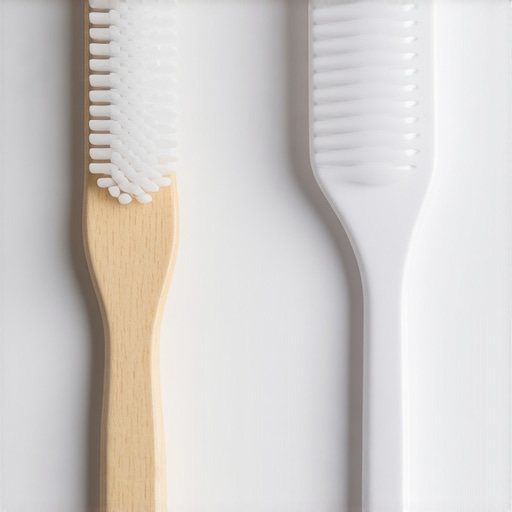
Stop rinsing the benefits away
This is the one step that feels counterintuitive to most parents. After your child finishes brushing, they should spit out the excess paste but not rinse their mouth with water. Think of fluoride like a protective shield or a coat of paint; if you rinse immediately with water, you’re essentially washing off the medicine before it has time to bond with the enamel. It’s a hard habit to break—my kids fought me on this for weeks because they loved the ‘big splash’ of rinsing—but keeping that thin layer of paste on the teeth is a core part of the ultimate guide to teeth cleaning techniques and benefits.
Don’t ignore the hidden fluoride in snacks
Many parents don’t realize that processed foods and juices often contain fluoride if they were manufactured in areas with fluoridated water. If your child drinks a lot of reconstituted juice or eats canned soups, their ‘fluoride bucket’ might be getting fuller than you think. This is why we need to move past oral health myths busted: what every family should know and look at the total daily intake.
Make the full two minutes fun
The duration of exposure matters just as much as the amount. If the fluoride only touches the teeth for ten seconds, it cannot do its job. I started using a glowing sand timer that the kids actually enjoyed watching. It’s a simple trick, but learning how to get your kids to brush for the full two minutes ensures that the fluoride in the paste has enough contact time to rematerialize those vulnerable spots in the enamel.I remember the exact Tuesday morning I leaned over my daughter’s cereal bowl and saw them: faint, chalky white streaks across her brand-new adult front teeth. My heart sank. I’m a guy who prides himself on knowing his way around a toothbrush, but I felt like I’d failed a basic parenting test. Was it a cavity? Was I not scrubbing hard enough? It turns out, I was actually doing too much. I was so obsessed with preventing decay that I’d been letting her use a grown-up amount of toothpaste while we lived in an area with a highly fluoridated water supply. I was unintentionally causing the very thing I feared. [IMAGE_PLACEHOLDER]
The Invisible Balancing Act in Your Kitchen Tap
Most of us grew up hearing that fluoride is the nature’s cavity fighter. And honestly, the science backs it up. The Centers for Disease Control and Prevention (CDC) actually lists community water fluoridation as one of the ten great public health achievements of the 20th century. But here’s the rub: as a parent, you aren’t just managing a public health statistic; you’re managing a tiny human’s developing enamel. When I first saw those marks, I had to deep-dive into why some children develop white spots on their permanent teeth. I realized that while fluoride is a powerhouse for preventive tips for long-lasting dental health for families, there is a very real Goldilocks zone we have to hit. Too little, and you’re looking at painful cavities; too much, and you’re dealing with fluorosis. Today, I’m going to help you find that middle ground so you can stop worrying every time your kid takes a sip from the faucet.
Is fluoride actually worth the hype?
It’s the question that keeps parents up at night after falling down a Google rabbit hole. You see the all-natural crowd screaming one thing and the dental boards saying another. From my experience, the answer is a resounding yes—but with a big asterisk. The hype is real because fluoride literally rebuilds weakened tooth enamel. However, the mistake I made early on was thinking that more is always better. I didn’t account for the fact that my city already did the heavy lifting. We need to treat fluoride like a powerful supplement, not an all-you-can-eat buffet. Have you ever noticed strange spots on your child’s teeth and wondered if it was the water or just bad luck?
Finding the Sweet Spot for Growing Smiles
Getting this right is really about building a foundation of healthy smiles for all ages. It’s not just about what they drink; it’s about the total fluoride load from water, food, and that strawberry-flavored paste they keep trying to swallow. According to the CDC, the optimal level in drinking water is about 0.7 milligrams per liter, which provides the best protection against tooth decay while minimizing the risk of fluorosis. If you’re like I was, you might be blindly adding more to the mix without checking the local stats first. We’re going to walk through how to check your local water report and adjust your home routine accordingly.
Find out what is actually in your tap water
You cannot manage what you do not measure. Think of your local water report like the nutrition label on a cereal box; it tells you exactly what your family is consuming every day. Most municipal water suppliers are required to publish an annual Consumer Confidence Report. I remember the afternoon I finally looked ours up online. I was shocked to find we were right at the 0.7 mg/L limit, yet I was still giving my daughter fluoride supplements because I’d read a generic article about ‘fluoride-poor’ areas. By ignoring our specific data, I was over-supplementing her. This is one of the top 5 secrets to maintaining perfect oral health as a family: your strategy must be local. If you use a well, get it tested professionally, as natural fluoride levels can swing wildly from ‘non-existent’ to ‘way too much.’
Master the art of the pea-sized smear
We have all seen the toothpaste commercials where a long, beautiful swirl of paste covers the entire brush head. That is a marketing tactic to make you use more product, not a health recommendation. For kids under three, you only need a ‘smear’ the size of a grain of rice. For kids three to six, a pea-sized amount is the gold standard. I once tried to let my son ‘do it himself’ without supervision, and I found him five minutes later literally eating the strawberry paste off the brush like it was frosting. That’s why family dentistry tips that make oral care effortless and effective always emphasize supervision. You are the gatekeeper of the tube.
Stop rinsing the benefits away
This is the one step that feels counterintuitive to most parents. After your child finishes brushing, they should spit out the excess paste but not rinse their mouth with water. Think of fluoride like a protective shield or a coat of paint; if you rinse immediately with water, you’re essentially washing off the medicine before it has time to bond with the enamel. It’s a hard habit to break—my kids fought me on this for weeks because they loved the ‘big splash’ of rinsing—but keeping that thin layer of paste on the teeth is a core part of the ultimate guide to teeth cleaning techniques and benefits.
Don’t ignore the hidden fluoride in snacks
Many parents don’t realize that processed foods and juices often contain fluoride if they were manufactured in areas with fluoridated water. If your child drinks a lot of reconstituted juice or eats canned soups, their ‘fluoride bucket’ might be getting fuller than you think. This is why we need to move past oral health myths busted: what every family should know and look at the total daily intake.
Make the full two minutes fun
The duration of exposure matters just as much as the amount. If the fluoride only touches the teeth for ten seconds, it cannot do its job. I started using a glowing sand timer that the kids actually enjoyed watching. It’s a simple trick, but learning how to get your kids to brush for the full two minutes ensures that the fluoride in the paste has enough contact time to rematerialize those vulnerable spots in the enamel. Finding the right fluoride balance is just the first layer of the onion. Once you’ve mastered the chemistry, you have to master the physics of oral health.
Stop scrubbing like you’re cleaning a garage floor
Most people believe that the harder you scrub, the cleaner your teeth will be. In my experience, this is the most damaging habit a parent can pass down. Think of your enamel less like a dirty kitchen tile and more like a delicate piece of jewelry. When you use excessive force, you aren’t just removing plaque; you are wearing down the protective layer and pushing your gums back. I’ve seen patients who have impeccable hygiene but suffer from extreme sensitivity because they’ve effectively ‘sandpapered’ their own roots. This is why following gentle teeth cleaning best practices for sensitive gums is non-negotiable. If you notice your gums look higher than they used to, it’s a major red flag that your gums recede faster if you use a hard-bristled brush. It’s a classic case of ‘more’ being much worse. 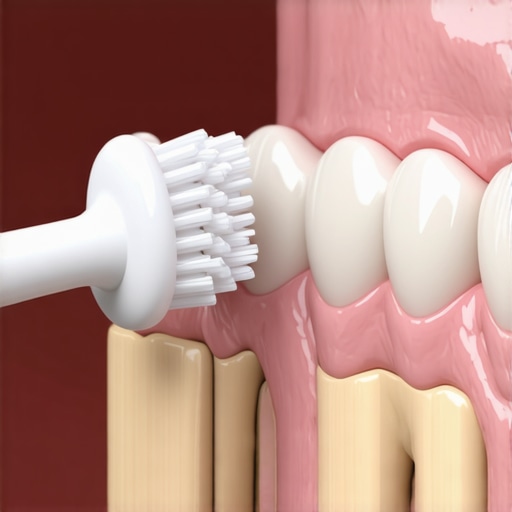
Why do my teeth look gray after using whitening strips?
This is the advanced question I get from parents who have tried to brighten their smiles at home. There is a specific trap in cosmetic dentistry: the translucency trap. If your enamel is already thin, aggressive whitening can actually make your teeth look darker or gray. This happens because the whitening agents strip away surface stains but reveal the dark, hollow space of the mouth through the now-thinner enamel. Understanding why your front teeth feel thin or see-through at the edges is crucial before you reach for that box of strips. Instead of a bright white smile, you end up with a semi-transparent appearance that looks aged rather than healthy. One of the most common mistakes people make with whitening strips is ignoring the structural health of their enamel in the pursuit of a shade change. For those with compromised enamel, the safest way to whiten teeth if you have thin enamel often involves professional supervision to avoid permanent damage.
Wait thirty minutes before you grab the brush
We are taught to brush right after we eat, but if you’ve just had a bowl of fruit or a glass of juice, you are doing more harm than good. The American Dental Association (ADA) notes that acid temporarily softens the enamel, making it highly susceptible to abrasion. If you brush immediately, you are literally brushing away your softened enamel. This is a nuance often missed in the ultimate guide to teeth cleaning techniques and benefits. I always tell my family: drink some water, wait for your saliva to neutralize the acid, and then go for the brush. This is why we recommend waiting thirty minutes to brush after eating fruit or any acidic meal. It’s a small timing shift that makes a massive difference in long-term durability. Have you ever fallen into this trap? Let me know in the comments.Once I got the basic habits down, I realized that my cheap manual toothbrush from the grocery store checkout line was the real bottleneck in my family’s health. If you want pro-level results, you need tools that forgive your human errors. My daily driver is now a high-end electric brush with a visible pressure sensor—the kind that glows red the second I start that aggressive ‘garage floor scrubbing’ I mentioned earlier. This tool is the absolute cornerstone of maintaining oral health expert advice for a lifetime of healthy teeth. It isn’t just about the vibrating head doing the cleaning; it’s about the haptic feedback stopping me from destroying my own gums. Then there’s the water flosser. If you have kids with braces or if you’ve invested in any kind of cosmetic work, traditional string floss can feel like a chore you’re destined to fail. I’ve found that the benefits of using a water flosser for patients with gum disease are undeniable for keeping the tissue tight and pink. A study published in the Journal of Clinical Dentistry (Vol. 24, No. 2) found that water flossing was 50% more effective than traditional string floss for reducing gingivitis across the entire mouth. It flushes out the microscopic pockets that manual string simply skips over. 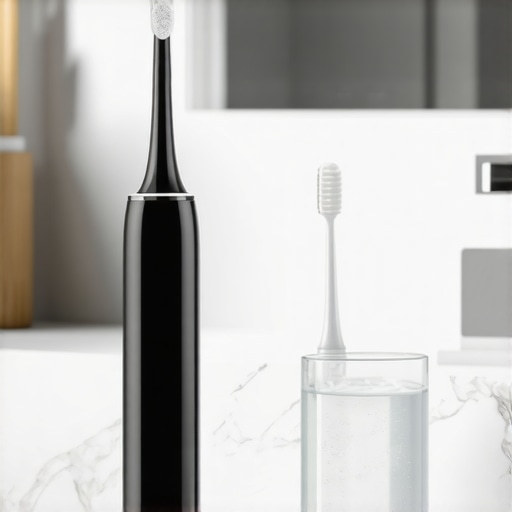
How do I maintain professional results over time?
It is a marathon, not a sprint. If you have spent money on cosmetic enhancements, such as learning how to maintain your porcelain veneers so they last twenty years, you know that the biggest enemy is actually complacency. My personal nightly ritual is non-negotiable: I use the electric brush for a full two minutes, follow up with the water flosser to hit the gumline, and then I put in my custom night guard. Most of us grind our teeth when we are stressed, and a simple guard is the cheapest insurance policy you will ever buy. It prevents the tiny stress fractures that eventually lead to expensive crowns or implants. Protecting your investment this way is one of the best ways how regular dental cleanings can save you money in the long run because it stops the ‘wear and tear’ cycle before it starts.
AI is coming to your bathroom sink
We are already seeing incredible cosmetic dentistry innovations you cant miss this year, but the most exciting change is happening right at the sink. Future brushes won’t just buzz; they will use internal sensors and AI to map exactly where you missed a spot, sending a ‘heat map’ of plaque to your smartphone in real-time. We already use digital scanners to avoid messy dental molds in the clinic, and that high-resolution tech is shrinking down for home use. Your toothbrush will soon be your first line of diagnostic defense, catching issues before they even become painful. Tonight, I want you to try one thing: swap your manual brush for an electric model with a pressure sensor and commit to the ‘no-rinse’ rule after you spit. Your enamel will thank you.
The Hardest Lesson I Learned While Chasing a Perfect Smile
Looking back, I realized that my biggest mistake wasn’t neglect; it was over-enthusiasm. I’ve learned that more fluoride isn’t always better, especially when your local water is already doing its job. I also had to accept that scrubbing harder was actually a fast track to sensitivity, which is why I now swear by gentle teeth cleaning best practices for sensitive gums. Finally, the no-rinse rule was a massive lightbulb moment—keeping that fluoride in contact with the teeth after brushing is one of those teeth cleaning secrets to achieve a bright smile that most people simply miss. Protecting your family’s teeth is about precision, not power.
My Non-Negotiable Oral Care Arsenal
I don’t just recommend tools; I rely on them to save my family from expensive chair time. My first essential is a high-quality electric toothbrush with a pressure sensor—it is the only way to ensure you aren’t accidentally sandpapering your enamel. Second, the water flosser has been a savior for reaching those deep pockets, providing preventive tips for long-lasting dental health for families that actually stick. Lastly, for those of us with thinner enamel, I always consult a pro on the safest way to whiten teeth if you have thin enamel rather than DIY-ing it with harsh strips. These tools take the guesswork out of the daily routine.
Take the First Step Toward Lifetime Oral Health
Protecting your family’s smiles doesn’t require a degree in chemistry, just a few intentional shifts in your daily habits. By measuring your water’s fluoride, mastering the pea-sized smear, and waiting thirty minutes to brush after a meal, you are building a legacy of health. Focus on consistency over intensity, and you will see the difference in your next checkup. Your journey to better oral health starts with the very next time you pick up a toothbrush. Do you find it hard to resist the urge to rinse your mouth with water right after brushing? Let me know your biggest struggle with these new habits below!