
I woke up at three in the morning last Tuesday feeling like my tongue had been replaced by a strip of dry Velcro. I reached for the carafe on my nightstand, downed the remaining twelve ounces of lukewarm water, and laid back down. Five minutes later? Same thing. Sandpaper. It is incredibly frustrating when you are doing everything right by the hydration books but your mouth still feels like a desert. I used to think I just needed a bigger water bottle, but I quickly learned that chugging gallons isn’t always the fix. I actually brought this up during my last teeth cleaning because I was worried I was damaging my enamel.
Stop Gulping and Start Listening to Your Mouth
The truth is, thirst and dry mouth—clinically known as xerostomia—are often two completely different animals. For a long time, I made the mistake of assuming my body was just perpetually dehydrated, so I would drink more water, pee every twenty minutes, and still wake up with that sticky, uncomfortable feeling. It turns out, I was ignoring the actual environment of my mouth. Whether it is the medications I was taking for seasonal allergies or the way I was sleeping, the water was just passing through me without addressing the underlying cause. If you have been feeling this way, you are not crazy, and you are certainly not alone in your frustration.
Is drinking more water actually worth the effort for chronic dryness?
While staying hydrated is crucial for maintaining oral health, water is not a magic cure for a lack of saliva production. In fact, many people fall into the trap of oral health myths that suggest more liquid equals more moisture. According to the American Dental Association, over 500 medications—from blood pressure pills to antidepressants—can cause dry mouth as a primary side effect, regardless of how much you drink. I found this out the hard way after a month of over-hydrating left me exhausted and still parched.
The Hidden Culprits Stealing Your Saliva
One of the biggest eye-openers for me was realizing how I breathed at night. I never thought about it until my partner mentioned I was snoring more than usual. This led me to discover the impact of nighttime mouth breathing on my oral environment. When you breathe through your mouth, you are essentially running a hair dryer over your gums and teeth for eight hours straight. No amount of water at 10 PM can counteract that constant airflow. We are going to dive into how to fix these mechanical issues and what is really going on with your saliva glands today. Have you ever felt like you are drinking an ocean but still cannot find relief? Let us figure out why your body is hitting the dry button.
Audit Your Medicine Cabinet Before You Chug Another Gallon
The first thing you need to do is become a detective in your own bathroom. Saliva is essentially the motor oil for your oral health; it keeps everything moving smoothly and protects your teeth from friction and decay. When your medication interferes with this, the engine starts to seize. I suggest grabbing every prescription bottle and over-the-counter allergy pill you take and checking the side effects for ‘xerostomia.’ If you find a culprit, do not just stop taking it. Instead, talk to your doctor about shifting the timing. I found that taking my antihistamine in the morning rather than right before bed significantly reduced that 3 AM sandpaper feeling because the drug’s peak dryness didn’t coincide with my deepest sleep.
Why Your Mouthwash Might Be Making Things Worse
Most people reach for the strongest, mintiest mouthwash they can find when their mouth feels sticky, thinking the ‘burn’ means it is working. I made this exact mistake. I bought a bottle of high-alcohol antiseptic rinse and used it three times a day. By day four, I felt like I had a permanent burn on the roof of my mouth. The reality is that alcohol is a desiccant—it dries things out. If you are already struggling with saliva production, why your mouth feels like it is burning after using alcohol-based mouthwash is likely because you are stripping away the tiny bit of protective mucin you have left. Switch to an alcohol-free, xylitol-based rinse specifically designed for dry mouth. These products work like a synthetic lubricant rather than a harsh detergent. 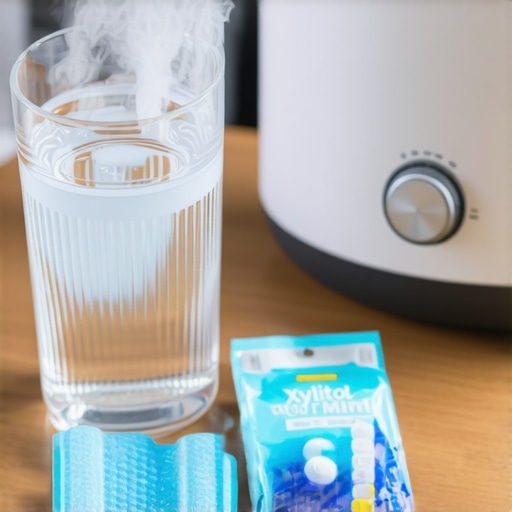
Put a Stop to the Nighttime Wind Tunnel
If you wake up and your tongue feels like it is glued to the roof of your mouth, you are almost certainly breathing through your mouth at night. This bypasses the nose’s natural humidifying system and turns your oral cavity into a wind tunnel. To fix this, first, check your sleeping position. Sleeping on your back often causes the jaw to drop open. I switched to side-sleeping with a body pillow to keep my posture stable, and it was a game-changer. For those who use oral appliances, ensuring they are spotless is vital; learning how to clean a nightguard without using harsh chemicals can prevent further irritation to sensitive tissues that are already dry. If your nose is constantly stuffed, consider a saline nasal spray or a humidifier right next to the bed to keep the air heavy with moisture.
Wake Up Your Saliva Glands Without Sugar
You can actually ‘exercise’ your saliva glands to get them back into the game. Think of them like a sponge that needs a little squeeze. Chewing is the primary trigger for saliva, but you cannot chew food all day without ruining your diet. This is where xylitol comes in. Xylitol is a natural sugar substitute that bacteria can’t eat, but it tastes sweet enough to trick your brain into thinking a meal is coming, which prompts the glands to produce fluid. I keep a tin of xylitol mints in my pocket at all times. This is one of those family dentistry tips that make oral care effortless and effective because it works for both kids and adults without causing cavities.
When to Seek Professional Intervention
Sometimes the ‘home fixes’ aren’t enough because the issue is deeper than just environment or habits. I remember once I felt a sharp, scalding sensation that wouldn’t go away no matter how much water I drank. I was terrified I had a major infection, but it turned out my dry mouth had led to a minor case of ‘burning mouth syndrome.’ Understanding why your tongue feels scalded even when you haven’t eaten hot food is the first step toward getting the right topical treatment. If your gums are becoming red and sore due to the lack of saliva, you should look into gentle teeth cleaning best practices for sensitive gums to ensure you aren’t causing micro-tears while brushing. A professional can also apply fluoride varnishes that protect your enamel during these dry spells, preventing the ‘ocean of water’ from becoming an ‘ocean of dental bills.’
I used to think that as long as I was hitting my daily water goals, my oral health was bulletproof. But here is the nuance that many of us miss: your mouth isn’t a passive pipe; it is a complex biological ecosystem. When that ecosystem is dry, the rules of engagement change. I’ve seen so many people double down on their brushing routine when their mouth feels sticky, only to find their teeth becoming more sensitive and yellow. They are falling into the ‘friction trap.’ Without the lubricant of saliva, even a soft toothbrush can act like sandpaper on your enamel.
Stop Obsessing Over the Color and Start Watching the Texture
Most people assume that a yellowing smile means they need to scrub harder or reach for a bleaching kit. In my experience, especially when dealing with chronic dryness, the opposite is true. That yellowish hue often isn’t a stain at all; it’s the dentin showing through as your enamel thins out. If you keep using abrasive ‘whitening’ toothpastes in a dry environment, you are essentially accelerating the aging of your teeth. I learned this the hard way when I noticed why your front teeth feel thin or see-through at the edges. It wasn’t a lack of hygiene; it was a lack of protection. Real cosmetic dentistry innovations you cannot miss this year focus more on remineralization and structural integrity than just bleaching away the surface.
The Whitening Trap That Actually Ages Your Smile
The ‘Oops’ factor here is huge. People with dry mouth often have a more acidic oral pH because they lack the bicarbonate in saliva that neutralizes acid. If you apply high-concentration whitening strips to an acidic, dry mouth, you are inviting permanent sensitivity. I’ve talked to many who fell for the most common mistakes people make with whitening strips, only to end up with ‘zingers’—those sharp, electric shocks of nerve pain. If you must whiten, you have to prioritize the safest way to whiten teeth if you have thin enamel, which usually involves custom trays and lower concentrations of peroxide used over a longer period, rather than a quick-fix chemical burn.
Why do my teeth look darker even though I am a brushing fanatic?
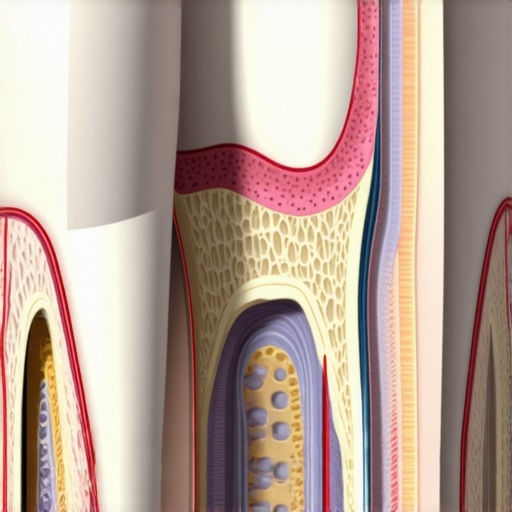
It sounds counterintuitive, but the more you brush a dry mouth with the wrong technique, the darker your teeth may appear. A study published in the Journal of Dentistry highlights that saliva is a supersaturated solution of calcium and phosphate that constantly ‘plugs’ the microscopic pores in your enamel. When saliva is missing, those pores stay open, making the enamel more opaque and prone to internal staining. This is why how regular dental cleanings can save you money in the long run; a professional can apply high-grade calcium-phosphate pastes that a water bottle simply cannot provide. We need to stop treating teeth like porcelain dishes and start treating them like living minerals that need to be fed.
Have you ever felt like your teeth were getting more sensitive even though you were working harder on your oral care? I would love to hear about your experience in the comments. Let’s stop the cycle of over-scrubbing and start focusing on restoration. If you are ready to move past the ‘just drink more water’ advice, it might be time to contact us for a tailored strategy that actually respects your unique oral chemistry.
Upgrade Your Bathroom Counter for Real Results
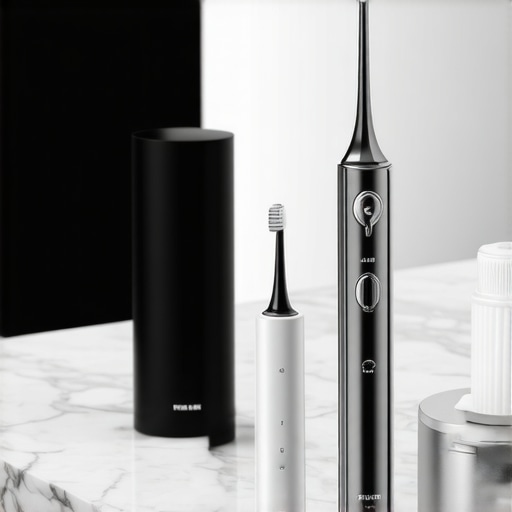
I realized early on that my standard-issue drugstore toothbrush wasn’t doing enough to combat the unique challenges of a low-saliva environment. When your mouth is dry, plaque becomes more tenacious—it’s like trying to rinse dried oatmeal off a plate versus fresh oats. I personally switched to a high-frequency sonic toothbrush that allows for a ‘gentle’ mode. This isn’t just a luxury; it’s a necessity to prevent the gum recession I mentioned earlier. I also traded my traditional string floss for a professional-grade water flosser. A study in the Journal of Clinical Periodontology found that water flossing can be up to 29% more effective at removing plaque than traditional methods, particularly in hard-to-reach areas where saliva usually does the cleaning for you. For me, it was less about the percentage and more about the comfort; the water acts as a lubricant that makes the cleaning process feel less like a chore and more like a spa treatment for my gums.
How can I keep my smile resilient as I get older?
Maintenance isn’t a one-time fix; it’s a series of small, intentional pivots. I’ve found that family dental care hacks to keep your kids smiling daily often apply just as well to adults. For instance, we started using a pH-balanced oral spray that mimics natural saliva enzymes. This is vital because keeping your mouth at a neutral pH prevents the acid-loving bacteria from taking over. If you aren’t sure where to start with your own toolkit, I recommend looking into how regular teeth cleaning can prevent major dental issues before they become painful or expensive. Consistency in professional check-ups is the only way to catch the early signs of ‘dry decay’ that happen between the teeth where you can’t see them in the mirror.
Don’t Overlook Your Tongue
If you have dry mouth, you probably also struggle with a white coating on your tongue or a persistent metallic taste. Brushing your tongue with a toothbrush is okay, but using a stainless steel tongue scraper is a revelation. It is the fast fix for bad breath that brushing alone wont solve because it physically removes the sulfur-producing bacteria that thrive in dry environments. I use mine every single morning before I even take a sip of water. It’s a 10-second habit that makes a massive difference in how my mouth feels throughout the day.
What the Future of Dental Tech Looks Like
I’m closely watching the rise of ‘smart’ oral health monitors. I predict that within the next five years, we will see consumer-grade sensors that you can clip onto your toothbrush to analyze the chemical composition of your saliva in real-time. These devices will likely sync to an app, alerting you when your mouth is becoming too acidic before you even feel the dryness. This kind of proactive data is already being teased in cosmetic dentistry trends that transform your smile this year, where the focus is shifting from reactive repairs to predictive maintenance. I urge you to try one advanced tip this week: Switch your nighttime mouthwash to a saliva-replacement gel or a dedicated dry-mouth spray just before bed. It creates a protective barrier that lasts much longer than a simple rinse, and you might finally stop waking up at 3 AM reaching for that water carafe.
The Hardest Lessons My ‘Sandpaper Tongue’ Taught Me
I spent years thinking I was just failing at being ‘hydrated.’ Here are the lightbulb moments that changed everything for my oral health:
- Saliva is a shield, not just spit. I used to think of it as a nuisance, but after learning about expert advice for a lifetime of healthy teeth, I realized it carries the minerals that repair our enamel. If you lose that shield, your teeth are vulnerable to everything.
- Acid is the silent killer. In a dry mouth, even healthy fruit can drop your pH into the danger zone. I had to learn that regular dental cleanings can save you money in the long run by neutralizing that acidity before it causes cavities.
- Mouth breathing is a habit you can break. It wasn’t just ‘the way I slept.’ Using a humidifier and focusing on nasal breathing during the day retrained my body for the night.
#IMAGE_PLACEHOLDER_E#
My Personal Arsenal for a Hydrated Smile
You don’t need a hundred products, just the right ones. I trust these specifically because they focus on chemistry rather than just masking symptoms:
- Xylitol-Rich Mints: I specifically use these after every snack. It is one of those family dentistry tips that make oral care effortless because it is so easy to do on the go.
- Stainless Steel Tongue Scrapers: Forget the plastic ones; steel is more hygienic and removes the biofilm that causes bad breath in a dry environment.
- Saliva-Mimicking Gels: For those nights when you know you will be congested, these create a buffer that keeps your gums from sticking to your teeth.
Your Path to a Pain-Free Morning
Living with chronic dryness can feel like an uphill battle, but you do not have to fight it alone. By understanding the mechanics of your own body and utilizing modern teeth cleaning techniques, you can move from surviving to thriving. Your smile is resilient, and with the right adjustments, you can stop the ‘sandpaper’ feeling for good. If you are feeling stuck, do not hesitate to contact us for a personalized plan that addresses your specific needs. Have you found a specific product or habit that finally gave you relief from dry mouth? Let me know in the comments below!