
I woke up at 3:00 AM feeling like I’d swallowed a handful of dry sand. My tongue was literally stuck to the roof of my mouth, and my teeth felt… brittle. That was my ‘aha’ moment. I realized my nose was totally fine, but I was breathing through my mouth like a marathon runner in my sleep. For years, I ignored it. I thought it was just a quirky habit or the result of a dry room, but the truth was much more sinister. My morning breath wasn’t just ‘morning breath’; it was the smell of my tooth enamel being under siege. Today, I want to help you understand why this happens and how we can save your smile before the damage becomes permanent.
Stop Letting Your Sleep Habits Destroy Your Enamel
When you breathe through your mouth at night, you’re essentially turning your oral cavity into a wind tunnel. This dries out your saliva, which is your mouth’s most powerful natural defense. Saliva doesn’t just help you chew; it neutralizes acids and washes away food particles. Without it, your mouth becomes an acidic playground for bacteria. I made the mistake of thinking extra water was the fix, but water doesn’t replace the protective enzymes found in saliva. This lack of moisture is the scary reason your mouth feels like sandpaper every morning. According to research published in the Journal of Oral Rehabilitation, mouth breathing can cause the pH levels in your mouth to drop significantly below the critical level of 5.5, which is exactly when enamel starts to break down. This acidity is why regular teeth cleaning becomes so vital if you can’t kick the habit immediately. If you’ve noticed your gums look red or your teeth are suddenly sensitive, you might be dealing with the sleep apnea connection or simple nasal congestion that’s forcing you to gulp air through your mouth. Have you ever woken up with that ‘cotton-mouth’ feeling and wondered if it was actually hurting your teeth? It’s a common struggle, but one that leads to cavities faster than a candy-only diet.
Is This Really Worth Worrying About?
It’s easy to dismiss a dry mouth as a minor annoyance, but the long-term cost of ignoring it is staggering. We aren’t just talking about bad breath here; we are talking about gum recession and the loss of tooth structure. Even the most diligent expert advice for maintaining oral health can’t fully overcome a mouth that is bone-dry for eight hours every night. I learned the hard way that you can’t just ‘brush away’ the damage caused by a night of mouth breathing. You have to address the root cause, whether that’s allergies, your sleeping position, or even your jaw alignment. Let’s look at the specific steps you can take tonight to start breathing through your nose and keeping that precious saliva where it belongs.
Clear the Path for Your Nose Before Bed
If your nose is stuffed, your body will instinctively pivot to mouth breathing to keep you alive. It is like a backup generator; it works, but it is not efficient and it creates a lot of noise and heat. You need to make nasal breathing the path of least resistance. Start using a saline rinse or a neti pot about thirty minutes before you hit the pillow. This flushes out allergens and mucus that act as a physical dam in your nasal passages. I started doing this every night, and the difference was night and day. It is a critical part of family dental care hacks because kids often struggle with congestion just as much as adults do. If you can’t get air through your nose, you will never be able to keep your mouth shut during REM sleep.
The Mouth Tape Experiment That Changed My Mornings
I know it sounds like a plot from a low-budget thriller, but mouth taping is the single most effective way to force nasal breathing. The first time I tried it, I used a piece of heavy-duty duct tape because I was desperate. That was a huge mistake. I woke up at 2:00 AM in a panic and nearly took the skin off my lips trying to get it off. The trick is to use specialized, hypoallergenic sleep tape or a small vertical strip of 3M Micropore tape. You aren’t sealing your mouth like a hostage; you are just providing a gentle reminder to your jaw to stay closed. This keeps your saliva where it belongs, preventing that sandpaper feeling and ensuring you aren’t a victim of the scary reason your mouth feels like sandpaper every morning. It effectively acts as a manual override for a habit your brain has practiced for years.
Adjust Your Gravity to Save Your Enamel
Gravity is often the silent enemy of your oral health. When you sleep flat on your back, your jaw and tongue naturally slide backward toward your throat. This narrows your airway and forces your mouth to hang open. I noticed that on nights I slept on my side with a firm pillow, my teeth didn’t feel ‘fuzzy’ in the morning. Elevating your head slightly with a wedge pillow can also prevent the collapse of the soft tissues in your throat. This is a common discussion point when looking into the sleep apnea connection because positioning affects how much effort your body puts into every breath. By sleeping on your side, you take the pressure off your airway and reduce the need for ’emergency’ mouth breathing.
Ditch the Nighttime Acid Triggers
Your saliva is already struggling to keep up if you are breathing through your mouth, so don’t make its job harder by introducing acid right before sleep. Many people don’t realize that the impact of acidic sparkling water or even a late-night squeeze of lemon in your tea can lower your mouth’s pH for hours. When that acidity meets a dry mouth, your enamel is essentially being bathed in a slow-motion acid wash. If you must have a snack, stick to high calcium snacks that strengthen enamel like a small piece of cheese, which actually helps neutralize the pH level. Think of your saliva as a protective shield; mouth breathing takes the shield away, and acidic food strikes the killing blow to your tooth structure.Let’s dig deeper into why your morning routine might actually be finishing the job that mouth breathing started. A common belief in the world of oral hygiene is that the ‘fuzzy’ feeling on your teeth needs to be scoured off with maximum pressure. I used to think the harder the bristles, the cleaner the result, but in my experience, that is exactly how you lose your gums. When your mouth is dry from a night of mouth breathing, your enamel is at its most vulnerable. Brushing too soon or too hard is a classic ‘oops’ factor that leads to irreversible recession. This is a critical nuance: your teeth aren’t just ‘dirty’ in the morning; they are chemically softened.
Scrubbing Harder Is Actually Making Your Teeth Age Faster
According to a study published in the Journal of Dentistry, after your teeth are exposed to an acidic environment—which is exactly what happens during a night of mouth breathing—you should wait at least 30 to 60 minutes before brushing. This delay allows the minerals in your saliva to re-harden the enamel. If you jump straight into a heavy scrub, you are literally brushing away the microscopic top layer of your teeth. This is why you should never brush your teeth immediately after eating fruit or waking up with that bone-dry ‘sandpaper’ sensation. Instead of reaching for the hardest brush you can find, you need to learn how to brushes your teeth without damaging receding gum lines. Professional care focuses on precision, not power.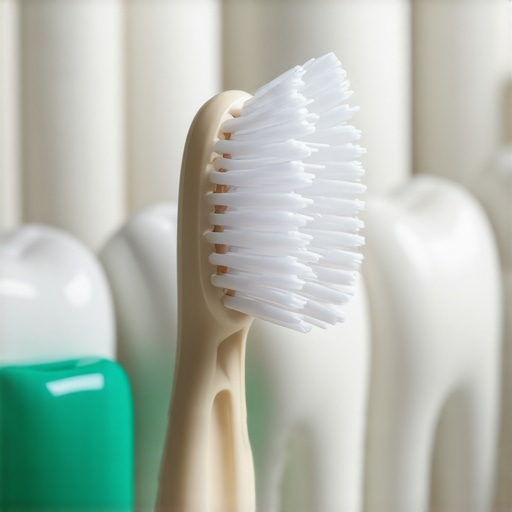
Why does professional cleaning feel so much better than my home routine?
The secret isn’t just the fancy equipment; it is the management of the oral biofilm. While you are at home trying to achieve a bright smile in under 30 minutes, a professional is targeting the hardened calculus that acts as a fortress for bacteria. This is why your breath stays fresh longer after professional cleaning. When you breathe through your mouth at night, these colonies grow faster because there is no saliva to disrupt them. If you skip these deep cleans, you aren’t just risking a cavity; you are inviting chronic inflammation that can lead to bone loss. This is the financial ‘trap’ many families fall into—skipping the small appointments and paying for major reconstructions later. Investing in how regular dental cleanings can save you money in the long run is the ultimate expert move for your wallet and your health.
Avoid the Natural Ingredient Trap
One huge mistake I see people make when they get serious about oral health is turning to DIY ‘hacks’ that sound healthy but are actually destructive. For example, many think they are being ‘natural’ by using baking soda as a primary cleaner. However, the danger of using baking soda to whiten your enamel every day is that it is far too abrasive, especially if your teeth are already stressed from dryness. You might get a temporary white glow, but you are stripping your defense. Have you ever fallen into this trap? Maybe you thought you were doing your teeth a favor by brushing five times a day or using a ‘natural’ abrasive? Let me know in the comments. We are all learning this journey together, and sometimes the best thing you can do for your smile is actually doing less, but doing it correctly. If you have concerns about how your sleep is affecting your smile, it might be time to contact us for a professional evaluation of your enamel thickness and gum health.Beyond a professional evaluation, you need to look at your daily toolkit as the front line of defense. I personally switched to an electric brush with a haptic pressure sensor because I realized my aggressive morning scrubbing was basically sandblasting my teeth while they were in a weakened state. According to a systematic review by the Cochrane Oral Health Group, powered toothbrushes—specifically those with oscillating-rotating technology—provide a significant reduction in plaque and gingivitis compared to manual brushes over both short and long terms. It is not just about the vibration; it is about the feedback. If you are using a manual brush, you have no way of knowing if you are applying the 150 grams of pressure required to clean or the 500 grams that cause recession. This is where gentle teeth cleaning best practices for sensitive gums become a hardware decision, not just a manual effort. 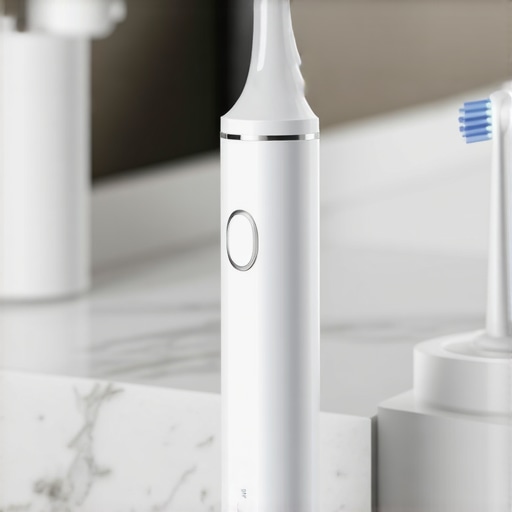
How do I maintain professional results at home?
It is a marathon, not a sprint. The goal is to prevent the oral biofilm from ever hardening into tartar, because once that happens, your home tools are useless against it. I advocate for the ‘Goldilocks’ approach: not too hard, not too soft, and always consistent. By following expert advice for a lifetime of healthy teeth, you focus on the areas most people miss, such as the lingual side of the lower front teeth and the very back molars. I also recommend incorporating a water flosser if you have tight contacts or existing dental work. It is a game-changer for long-term health and maintaining that ‘just-cleaned’ feeling. Remember, understanding how regular dental cleanings can save you money in the long run helps you view these appointments as essential maintenance for your body rather than a chore. Looking ahead, I see a massive shift toward personalized oral diagnostics. We are moving toward a world where your toothbrush doesn’t just track time; it analyzes the pH levels and bacterial load of your saliva in real-time. We are already seeing revolutionary teeth cleaning techniques for 2025 that involve guided biofilm therapy, and soon, you will have a version of that technology in your own bathroom. This will move us away from one-size-fits-all advice and toward specific protocols based on your unique oral microbiome. For now, my challenge to you is this: tonight, focus on your nasal breathing, and tomorrow morning, do not touch your toothbrush for at least 45 minutes after you wake up. Give your saliva a chance to remineralize your teeth. If you are ready to see exactly where your current routine is failing, the ultimate guide to teeth cleaning techniques can help you refine your approach before your next check-up.
Hard-Won Truths About My Nighttime Dental Struggle
Over the years, I realized that my dry mouth wasn’t just a quirky personality trait—it was a serious health hazard. Here are the lightbulb moments that changed everything for me: First, I learned that morning breath is actually a biological alarm clock telling you that your mouth’s pH is dangerously low. Second, saliva is far more valuable than any “extra-whitening” toothpaste you can buy; it is your body’s natural armor. Third, I discovered that mouth taping isn’t about being quiet; it’s about maintaining the perfect humidity for your enamel. Finally, I noticed that the link between chronic stress and jaw pain in the morning often goes hand-in-hand with mouth breathing, creating a double whammy for your teeth.
The Gear That Finally Saved My Smile
You don’t need a massive budget to fix these issues, but you do need the right tools. I trust these specifically because they address the root causes rather than just masking symptoms. 3M Micropore Tape is my top choice because it’s hypoallergenic and provides a gentle reminder to breathe through your nose without feeling restrictive. I also swear by Wedge Pillows; by slightly elevating your head, you use gravity to keep your airway open and your jaw from dropping. For nasal clarity, a Saline Rinse used nightly ensures you aren’t forced into mouth breathing by congestion. It is also worth noting that the one nutrient most people lack for healthy tooth enamel can play a huge role in how well your teeth recover from a dry night. Lastly, checking out oral health myths debunked helped me realize that most of what I thought I knew about scrubbing was actually hurting me.
Wake Up With a Smile That Isn’t Fragile
Taking control of your nighttime habits is the kindest thing you can do for your future self. You deserve to wake up feeling refreshed, not like you’ve been wandering a desert. By focusing on nasal breathing and being patient with your morning teeth cleaning, you are literally adding years to the life of your enamel. It takes a few nights to adjust, but once your saliva is back on the job, the difference is undeniable. Following family dentistry tips that make oral care effortless can help everyone in your household breathe and sleep better. Remember, your smile is an investment that pays off every single day.
Have you ever woken up with that sandpaper feeling in your mouth? Let me know in the comments below!