
I remember leaning into my bathroom mirror, squinting so hard I thought I’d get permanent wrinkles, just staring at my reflection. I had just invested in two beautiful porcelain veneers for my front teeth, expecting a seamless Hollywood transformation. Instead, I looked like I had accidentally glued two bright white Chiclets onto a row of slightly yellowed pearls. The contrast was painful. It wasn’t just in my head; the lighting in the guest bathroom made it look even worse. I felt embarrassed to smile, which is the exact opposite of what you want after a cosmetic procedure. If you are standing where I was, feeling that sinking pit in your stomach because your smile looks more like a patchwork quilt than a masterpiece, I’ve got you. Today, we are going to dive into the science of shade matching and why those expensive shells might be clashing with your natural enamel.
The Bathroom Mirror Moment That Ruined My Morning
I made a huge mistake early on. I rushed the process. I didn’t realize that natural teeth are dynamic—they change color based on what we eat, how we brush, and even our age—while porcelain is stubborn and stays the same shade forever. When I got my veneers, I hadn’t properly addressed the shade of my surrounding teeth first. I just wanted the ‘whitest white’ available. It was a classic rookie error in the world of cosmetic dentistry innovations. My dentist at the time didn’t push back hard enough, and I ended up with a mismatch that looked completely artificial.
Are veneers actually worth the hype if they stand out like a sore thumb?
It is a valid fear. Nobody wants to spend thousands of dollars just to look like they have ‘fake teeth.’ But the truth is, when done correctly, they are virtually indistinguishable from the real thing. The problem usually stems from a lack of planning or a misunderstanding of how light interacts with different materials. According to a study by the American Academy of Cosmetic Dentistry, one of the most common reasons for patient dissatisfaction is an improper shade match with adjacent teeth. Have you ever felt like your dental work was a different ‘temperature’ than the rest of your mouth?
Why Your Bright New Smile Suddenly Looks Two Shades Off
The mismatch usually happens for a few specific reasons. First, your natural teeth might have stained further since the day the veneers were bonded. If you are a coffee lover, the reason your teeth look yellow even though you brush twice daily might be due to porous enamel absorbing pigments that your porcelain veneers simply repel. Second, the ‘translucency’ might be wrong. Real teeth aren’t opaque; light passes through them and reflects off the inner layers. If your veneer is too thick or too opaque, it will look ‘flat’ next to your natural teeth. To prevent this, many experts recommend the science behind teeth whitening to get your natural teeth to their peak brightness before the final porcelain shade is even selected. Once you learn how to maintain your porcelain veneers so they last twenty years, you start to realize that the secret isn’t just in the porcelain itself, but in how you treat the natural teeth living right next door. Let’s look at the technical reasons your dentist might have missed the mark and how we can bring everything back into harmony.
Whiten Your Natural Teeth to the Finish Line First
Think of your natural teeth as the canvas and your veneers as a sheer silk overlay. If the canvas is dingy, the silk won’t look vibrant. You have to reach your ‘plateau’ shade—the whitest your natural enamel can possibly get—before the dentist ever picks up a shade guide. I learned this the hard way during my first round. I thought we could whiten my natural teeth later to match the porcelain. Spoiler: it doesn’t work that way. Porcelain is a locked-in color. If you don’t master the science behind teeth whitening beforehand, you’re chasing a ghost. Most pros recommend finishing your whitening cycle at least two weeks before the final bonding to let the color stabilize and the enamel rehydrate.
The Hidden Layer That Dictates Your Final Color
Here is the technical part most people miss: the ‘stump shade.’ When a dentist preps your tooth for a veneer, they remove a tiny bit of enamel. What’s left underneath—the dentin or ‘stump’—isn’t always white. It can be gray, yellow, or even brown from old fillings. Because high-quality porcelain is designed to be translucent to mimic real life, that stump color can bleed through like a dark primer under light paint. During my revision appointment, my dentist used digital scanners to avoid messy dental molds and took a separate photo just of the prepped stumps. By sending that data to the lab, the technician knew exactly how much ‘opaquer’ to build into the porcelain to mask the darkness without making the tooth look like a flat piece of chalk. 
Balance Translucency with Reality
To avoid that ‘flat’ look, you need to discuss light transmission. Real teeth have a gradient—they are denser at the gum line and more see-through at the biting edge. If your veneer is a solid block of color, it screams ‘fake’ the second you step into natural sunlight. This is where contouring and veneers come into play. A master ceramist adds microscopic layers of different porcelain shades to mimic that natural depth, ensuring the edges have that slightly ‘blue’ or clear tint that real enamel possesses.
Keep Your Natural Teeth from Letting the Team Down
Once the veneers are in, the work isn’t over. Your natural teeth are still porous and prone to darkening, while your porcelain is basically a shield. If you let coffee and wine stains build up on your remaining natural teeth, the visual gap between the ‘fake’ and ‘real’ will widen every month. I used to think a quick brush was enough, but now I rely on professional-grade teeth-cleaning secrets to maintain harmony. If you notice a shift, knowing how to clean coffee stains off your teeth without professional help can save you from a mismatched smile. Regular maintenance ensures the ‘natural’ side of your mouth stays bright enough to keep up with the porcelain side, preventing that dreaded two-tone look.Let’s dig deeper into a mistake I see almost every over-achiever make. We are taught that more is better—more brushing, more pressure, more whitening. But when you have a mix of porcelain and natural enamel, this more approach is actually a trap. Everyone says you should brush immediately after a meal to lock in the white, but in my experience, that is the quickest way to sand down your natural protection.
Scrubbing Harder Won’t Save Your Smile
The biggest oops factor in cosmetic maintenance is using a hard-bristled brush to keep those porcelain edges clean. While the porcelain can take it, your gums cannot. I’ve seen patients who were so obsessed with hygiene that they caused their gums to pull back, exposing the dark stump of the natural tooth underneath. This creates a dark line at the top of a beautiful veneer. This is why why your gums recede faster if you use a hard-bristled brush is a topic every cosmetic patient should memorize. You aren’t just cleaning; you are managing a delicate interface between man-made ceramic and living tissue.
The Sixty-Minute Rule You’re Probably Breaking
If you just finished a bowl of fruit or a glass of wine, put the toothbrush down. Acids temporarily soften your enamel. If you brush immediately, you are essentially using a sandpaper effect on your natural teeth. This is one of the most overlooked oral health myths debunked what you need to know in 2025. We always recommend waiting thirty minutes to brush after eating fruit or anything acidic. According to a study in the Journal of Dentistry, brushing too soon after an acidic challenge can lead to significantly higher levels of tooth wear compared to waiting for the saliva to remineralize the surface. This wear makes your natural teeth thinner and more translucent, which ruins the shade match with your veneers over time. 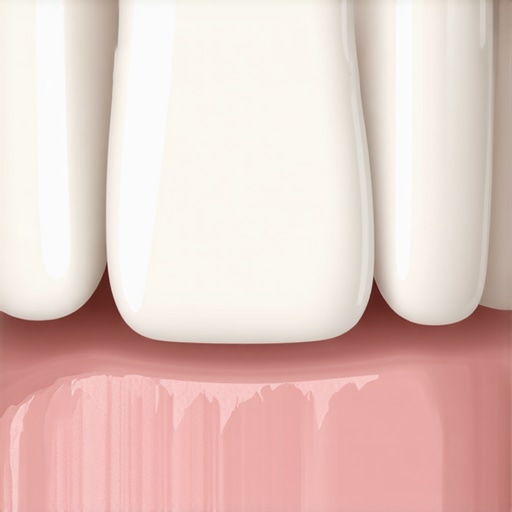
Will professional cleaning eventually wear down the porcelain?
This is a sophisticated concern I hear from people who have invested a lot in their smile. The short answer is no, provided your hygienist uses the right tools. Standard ultrasonic tips or gritty prophy pastes can microscopically scratch the glaze of a veneer if used incorrectly. You should look for gentle teeth cleaning best practices for sensitive gums that utilize non-abrasive polishing agents. Once that factory glaze is scratched, the porcelain will actually start to pick up stains just like a natural tooth, defeating the purpose of the material.
Protect Your Investment with a Family Strategy
Don’t keep these secrets to yourself. If you are a parent, teaching your kids these nuances early—like not scrubbing or the importance of timing—is part of the top 5 secrets to maintaining perfect oral health as a family. It’s much easier to maintain a natural smile than it is to fix a mismatched one later in life. Have you ever fallen into the trap of thinking a hard brush was better for stains? Let me know in the comments.
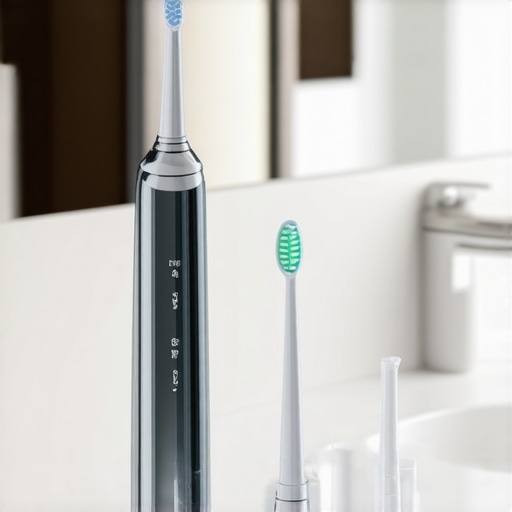
For a long time, I thought a manual brush and some waxed floss were enough. But once you have thousands of dollars of porcelain in your mouth, you start looking for the ‘Formula 1’ version of oral care. I personally swear by a water flosser with a specialized tip designed for dental work. It uses micro-pulses to access the tiny ridges where the veneer meets the natural tooth—an area where a normal brush often skips. This is one of those teeth-cleaning secrets that keeps the margin from staining and prevents the dreaded ‘dark line’ at the gum. I also made the switch to a sonic toothbrush with a pressure sensor because it’s the only way to ensure I’m not accidentally sanding down my natural enamel. Learning how to choose the right toothbrush bristle strength was a game-changer for my comfort.
How do I maintain a mixed-material smile over time?
Maintaining a smile that is half-porcelain and half-natural requires a specialized toolkit. I strictly use toothpaste with a low Relative Dentin Abrasivity (RDA) value. Most commercial whitening pastes have an RDA over 100, which acts like sandpaper on your glaze. I stick to pastes under 70. According to a study published in the Journal of Prosthodontic Research, using high-abrasion pastes can increase the surface roughness of ceramic restorations over a five-year period, which makes them pick up coffee stains much faster. If you want to keep the shine, you have to be gentle. This is why gentle teeth cleaning best practices for sensitive gums are actually the best practices for anyone with cosmetic work. It’s about preservation, not just scrubbing.
Beyond the tools, the secret is in the frequency of professional oversight. I no longer view my biannual visits as a ‘cleaning’—I view them as a technical inspection. Staying on top of how regular teeth cleaning can prevent major dental issues is much cheaper than replacing a cracked veneer. Looking ahead to late 2025, I expect we will see a surge in home-use intraoral cameras that sync to your phone. These AI-driven tools will likely be able to detect the earliest signs of gum recession or porcelain wear before they are visible to the naked eye. We are moving toward a future of revolutionary teeth cleaning techniques where data-driven prevention replaces emergency repairs. It’s an exciting time for anyone who wants to keep their smile ‘factory fresh’ for decades. For now, my advice is simple: look at your toothpaste tube tonight. If it feels like it has ‘grit’ in it, stop using it immediately and switch to a smooth, low-abrasion gel to protect your investment.
Why Your Enamel and Porcelain Must Speak the Same Language
Looking back at my first set of veneers, I realized the biggest mistake wasn’t the material—it was the expectation of perfection in a vacuum. Natural teeth have a personality composed of varying shades and translucencies. If you aim for a single, flat color, you lose the very essence of a human smile. I also learned that the shade guide in the office looks vastly different under fluorescent lights than it does in the golden hour of sunset. Always ask to see your trial veneers in natural light before they are permanently bonded. Finally, I discovered that expert advice for a lifetime of healthy teeth isn’t just about the porcelain; it’s about preserving the natural gum line that frames them to prevent dark shadows from appearing at the top of the tooth.
The Gear That Protects Your Porcelain Investment
Maintaining a mixed-material smile requires more than just luck; it requires tools that respect the bond between ceramic and bone. I personally rely on a few key items to ensure my natural teeth don’t yellow while my veneers stay bright. First, a high-quality water flosser is essential for flushing out debris from the margins without tugging on the bonding agent. Second, I only use a soft-bristled sonic toothbrush to avoid mechanical wear on my natural enamel, which aligns with tips that make oral care effortless and effective for the whole household. Third, I follow teeth cleaning techniques and benefits that prioritize non-abrasive pastes, ensuring the factory glaze on the porcelain remains intact for decades. Keeping a log of regular dental cleanings to save money is my final secret, as it catches minor issues before they require a full, expensive veneer replacement.
#IMAGE_PLACEHOLDER_E#
Confidence Shouldn’t Feel Complicated
At the end of the day, your smile is the most personal thing you wear. Don’t let the fear of a mismatch keep you from the incredible benefits of cosmetic dentistry. When you partner with a provider who understands translucency, stump shades, and the vital importance of pre-whitening, the results are life-changing. Take the time to get the foundation right, choose the right tools for home care, and you’ll find yourself smiling at your reflection rather than squinting for flaws. You deserve a smile that feels like yours, only better. Have you ever felt like your dental work didn’t quite match your natural teeth? Let me know in the comments below!