
I remember staring into the bathroom mirror at 6:00 AM, splashing cold water on my face, and noticing something was… off. It wasn’t just the dark circles under my eyes from a week of late nights. My gums, which usually have a healthy coral-pink hue, looked like they’d seen a ghost. They were ghostly, washed-out, and almost white in some spots. I brushed it off, thinking it was just the harsh LED lighting or maybe I was just tired. That was my first mistake—ignoring a clear signal my body was sending me through my oral health. It turned out, my iron levels were tanking, and my mouth was the first place to show the receipt. If you have ever felt that midday slump that coffee cannot fix, take a quick peek in the mirror. Have you noticed your gums looking a bit less vibrant lately? [image placeholder]
What Your Mouth is Secretly Screaming About Your Iron
Pale gums are often one of the earliest signs of iron-deficiency anemia, a condition where your body lacks enough hemoglobin to carry oxygen to your tissues. When that oxygen delivery slows down, the rich red color in your gums fades. I spent weeks feeling like I was walking through molasses before I connected the dots. If you’ve ever noticed your spit is pink after you brush or seen a shift in gum color, it’s easy to panic. But here is the thing: your body is actually being helpful. It is giving you a visual cue to fix things before the real fatigue sets in. We are going to dive into how to spot the difference between a minor irritation and a genuine nutritional red flag. I once made the mistake of thinking I just needed more aggressive teeth cleaning, but no amount of flossing fixes a lack of iron.
Is a Color Change Really Worth a Doctor Visit
It is tempting to think it is just a fluke. I certainly did. I thought maybe I was just scrubbing too hard or that I needed a better routine for healthy teeth. But the reality is that according to the World Health Organization, iron deficiency is the most common nutritional disorder in the world, affecting over 30% of the population. That is a staggering number that we often overlook because we focus so much on the teeth themselves rather than the tissues supporting them. My mistake was thinking it was purely a dental issue. In reality, maintaining your health requires looking at the whole person. This is not just about aesthetics; it is about your body’s engine light turning on. If you see this in your own mouth, it is time to stop guessing and start looking at your blood work.
Check Your Inner Lip Instead of Just Your Teeth
To get a clear read on your iron levels through your mouth, you need to go beyond a casual glance at your smile. The most accurate way to perform a self-check is to gently pull your lower lip down and look at the color of the mucous membrane inside. In a healthy person, this area is a vibrant, deep red because it is packed with capillaries. When I first did this during my own iron crisis, the inside of my lip looked like a faded pink T-shirt that had been through the wash too many times. This is your body’s way of prioritizing oxygen; it sends blood to your heart and brain first, leaving your mouth looking like a ghost town. If you notice this, don’t just reach for a more intense teeth cleaning; reach for a blood test. 
Spotting the Difference Between Anemia and Inflammation
It is incredibly easy to confuse pale gums with common gum disease, especially if you see a bit of pink in the sink. I remember a period where I was obsessed with how to stop your gums from bleeding when you start a new flossing routine, thinking my technique was just bad or that I was being too rough. But here is the trick to telling them apart: gingivitis usually makes gums red, swollen, and ‘angry’ looking. Anemia, on the other hand, makes them look ‘blanched’ or almost white. If your gums are pale but not swollen or painful, that is a nutritional red flag rather than a hygiene failure. Even using gentle teeth cleaning best practices for sensitive gums won’t bring the color back if the problem is a lack of hemoglobin in your veins. I wasted a month on special toothpastes before realizing that my ‘pale’ problem was actually an ‘iron’ problem.
Why Your Dentist Needs to Know About Your Fatigue
Your dentist is essentially a gatekeeper for your systemic health, and they can see things you might miss while focusing on your morning routine. The next time you go in for a checkup, don’t just talk about cavities or whitening. Specifically ask about your tissue health. I once sat in the chair and pointed out my pale gums to my hygienist. She confirmed that while my maintaining oral health habits were excellent, my tissue lacked the healthy vascular appearance she expected. This conversation is how you move from basic maintenance to true holistic care. While you are there, you can also address other subtle issues, like learning the best way to clean your tongue without triggering a gag reflex, which further improves your overall mouth environment. Integrating these observations into your professional visits ensures that you aren’t just treating symptoms, but actually listening to the signals your body is sending through your mouth.Most people believe that if their smile looks ‘off’ or their gums look pale, they just need to double down on their scrubbing routine. Actually, many issues are internal, and no amount of friction can fix a systemic deficiency. Even when it comes to aesthetics, there is a common myth that whitening toothpaste is the fastest way to a bright smile. In reality, the truth about whitening toothpaste is that it mostly removes surface stains through abrasion rather than changing the actual shade of your tooth structure. Overusing these products can actually thin your enamel, which eventually reveals the yellowish dentin underneath—the exact opposite of the result you were chasing. 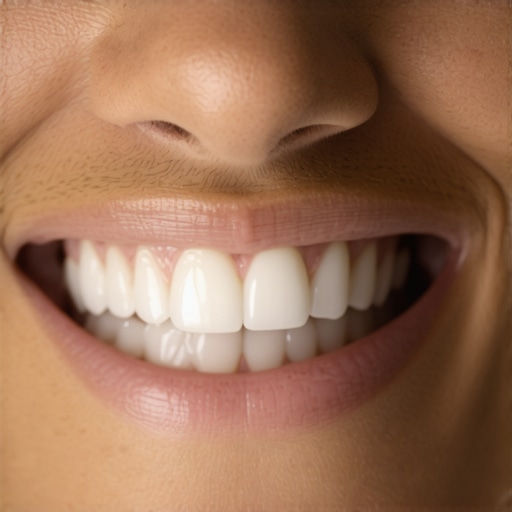
Don’t Try to Scrub Away a Systemic Problem
A massive ‘oops’ factor I see frequently is the attempt to ‘clean’ your way out of recession or paleness. If your gums are receding or blanched, aggressive brushing will only accelerate the damage. I once fell into the trap of thinking I could out-brush a poor diet and a lack of iron. A study published in the Journal of Periodontology highlights that periodontal health is a two-way street; systemic diseases like anemia or even early-stage diabetes often manifest in the mouth first. This is exactly how regular dental cleanings can save you money in the long run—not just by preventing cavities, but by acting as a diagnostic window into your overall wellness.
Can Your Saliva Chemistry Dictate the Success of Cosmetic Work?
It is a sophisticated question that many patients overlook when considering cosmetic dentistry innovations you cant miss this year. The longevity of veneers or bonding isn’t just about the skill of the dentist; it depends heavily on your mouth’s pH balance and mineral content. We often find that why some people are more prone to cavities regardless of hygiene comes down to a lack of buffering minerals in their saliva. If your mouth is too acidic, even the most expensive cosmetic work can fail prematurely. This is why family dentistry building a foundation of healthy smiles for all ages focuses on the long-term biological environment rather than just quick aesthetic fixes. Have you ever fallen into this trap of over-cleaning or ignoring a subtle sign like pale gums? Let me know in the comments.After years of trial and error, I’ve realized that the best tools aren’t always the ones with the most marketing behind them. I finally swapped my basic manual brush for a high-end sonic model that features a real-time pressure sensor. I used to be a ‘scrubber,’ applying way too much force and wondering why my gums were sensitive. These family dentistry tips that make oral care effortless changed the way I approach my morning. Now, I let the technology do the heavy lifting, ensuring I’m not micro-damaging my enamel every single day.
How do I maintain my oral health results over time?
Consistency is the obvious answer, but the real secret lies in the timing of your routine. One of the most important lessons I learned was to stop brushing immediately after eating. We often think we’re being proactive, but waiting thirty minutes to brush after eating fruit or anything acidic is vital. If you brush too soon, you’re literally scrubbing the acid into your softened enamel. To bridge the gap, I’ve integrated the benefits of using a water flosser into my nightly ritual. It reaches the pockets that standard string floss misses, and it’s far gentler on tissues that might already be stressed from systemic issues like the iron deficiency I mentioned earlier. 
Why Your Next Toothbrush Might Monitor Your Heart
The future of dentistry is becoming increasingly intertwined with overall systemic monitoring. According to research published in the Journal of Oral Microbiology, the specific composition of your oral microbiome serves as a surprisingly accurate predictor for cardiovascular health and inflammation levels. We are rapidly approaching a time when cosmetic dentistry innovations you cant miss this year will include diagnostic sensors embedded in veneers or retainers. Imagine a world where your dentist can warn you about a potential health spike before you even feel a symptom. For now, focus on maintaining oral health through bio-friendly products that support your natural flora rather than stripping it away with harsh chemicals. My advanced tip for you today is the ‘two-finger’ grip: try holding your toothbrush with only your thumb and index finger tonight. It’s a physical hack that makes it impossible to apply the damaging pressure that leads to gum recession.
The Hardest Lessons My Mirror Taught Me
After months of chasing symptoms rather than causes, I finally realized that my gums were not just a frame for my teeth; they were a biological dashboard. One major lightbulb moment was discovering that preventive tips for long-lasting dental health for families must include a check of the soft tissues, not just a hunt for cavities. I also learned that the top 5 secrets to maintaining perfect oral health as a family often start in the kitchen with iron-rich foods rather than in the toothpaste aisle. Perhaps the most surprising realization was that while I was focused on aesthetics, the science behind teeth whitening proves that the healthiest-looking smiles come from well-oxygenated, vibrant gums that provide a natural contrast to your teeth. [image placeholder]
My Non-Negotiable Kit for a Resilient Smile
If I had to start my journey over, I would focus on these four pillars that actually moved the needle for me. First, a sonic toothbrush with a pressure sensor is essential to prevent the mechanical scrubbing that mimics paleness by causing recession. Second, I swear by a high-quality water flosser to keep the gum pockets oxygenated and clean without the trauma of string floss. Third, I always keep a tongue scraper handy to manage the bacterial load that can mask the true health of my mouth. Finally, I maintain a digital folder of my yearly blood panels; comparing my iron levels to the visual state of my gums has been the most empowering health move I have ever made.
Your Body is Waiting for You to Listen
It is easy to feel overwhelmed when you notice a change in your mouth, but remember that these signals are gifts. They are your body’s way of asking for a little more support before a small issue becomes a systemic crisis. If you find yourself worried about what you see in the mirror, remember that you can learn how to manage your dental anxiety without heavy drugs so you can get the professional answers you deserve. Taking that first step to address your oral health today will pay dividends in your energy levels and confidence for years to come. Have you noticed a change in your gum color or energy levels recently? Let me know in the comments below.