
I remember standing in front of my bathroom mirror a few years back, squinting so hard I almost gave myself a headache. I had just finished my nightly routine, but I noticed something that made my heart drop: my gums looked… darker. Not red or swollen, just a deeper, brownish hue in certain spots. I immediately panicked, thinking I had some secret dental disaster brewing despite my best efforts at maintaining oral health. I spent the next hour down a Google rabbit hole, convinced I was losing my teeth. It was a stressful night, but it taught me a vital lesson: our mouths aren’t carbon copies of those airbrushed dental ads. Today, I am going to help you skip that midnight panic and understand exactly why your gums look the way they do and when you actually need to worry. Have you ever caught a glimpse of your smile and wondered if those dark patches were normal?
Your Gums Do Not Have to Be Bubblegum Pink to Be Healthy
The pink gum standard is a bit of a lie, honestly. For the longest time, I thought any deviation from that bright rose color meant I was failing at life. In fact, one of the biggest mistakes I made early on was trying to whiten my gums by brushing them aggressively with whitening toothpaste. I thought the pigment was a stain! All I did was cause a massive amount of irritation and ended up needing best practices for sensitive gums to heal the damage. The reality is that melanin, the same pigment that determines your skin tone, is frequently present in gum tissue. If you have a darker complexion, your gums are naturally more likely to have a beautiful, darker pigment. It is not dirt, and it is certainly not something you can scrub away. According to the American Academy of Periodontology, gingival pigmentation is a natural occurrence caused by melanin and is perfectly healthy for millions of people worldwide.
Is This Just a Marketing Tactic to Sell More Treatments?
You might be thinking, is this just some way to justify something that looks off? I hear you. It is easy to be skeptical when cosmetic dentistry trends always seem to push for perfect and uniform looks. But there is a massive difference between biological pigment and health issues like gum disease. We are going to break down the markers of health so you can tell the difference between your body’s natural melanin and a red flag that needs a dentist’s eye. Let’s look at the science of color and what your mouth is actually trying to tell you.
Identify the Difference Between Pigment and Pathology
To tell if your gums are healthy, you need to look past the shade. Healthy gums, regardless of their color, should have a texture similar to an orange peel—dentists call this “stippling.” If your gums are dark but firm and have that slightly pitted texture, you are likely just seeing your natural melanin. I once spent a week obsessing over a dark line near my back molar, convinced it was a sign of decay. It turned out to be a “mercury tattoo” from an old silver filling leaching slightly into the tissue. It was not pretty, but it was not dangerous either. If you notice a sudden change in texture, like swelling or a glossy, smooth surface, that is when how regular teeth cleaning can prevent major dental issues becomes your best defense.
Look Out for Gray or Blue Tones
While brown or deep purple is often natural melanin, gray or blue tones can be a warning light. If your gums are looking less like a natural skin tone and more like a bruise, it might indicate a lack of oxygen in the tissue or a reaction to a specific medication. Sometimes, why your gums look pale and what it says about your iron levels is the question you should be asking instead, as systemic health shows up in your mouth first. If the dark area is localized around a single tooth, it could also be a sign of a failing restoration or an underlying infection like an abscess. These changes are your body’s way of signaling that the underlying structure needs a professional eyes-on assessment.
Why You Should Stop the Aggressive Scrubbing
One of the biggest mistakes people make when they see discoloration is thinking they can brush it away. I did this! I used a hard-bristle brush and scrubbed until I bled, thinking I could “exfoliate” the pigment. All I did was trigger recession. If you see your gum line shifting, you might want to look into why your gums are receding on only one side of your mouth. Instead of scrubbing, focus on best practices for sensitive gums. Healthy tissue needs a gentle touch, not a scouring pad. Aggressive brushing is like trying to clean a silk shirt with a wire brush—you are going to destroy the fabric before you ever get the spot out.
The Hidden Impact of Dry Mouth and Habits
If you are a smoker, you might be dealing with “smoker’s melanosis,” which is the body’s way of protecting itself from the heat and toxins in tobacco. It is a literal darkening of the tissue. Additionally, chronic dehydration can make your gums look dull and more prone to irritation. You might wonder the reason your mouth feels dry even when you drink water, but a dry mouth lacks the protective saliva needed to keep gum tissue vibrant and resilient. Professional intervention often starts with a simple evaluation of these lifestyle factors. Investing in how regular dental cleanings can save you money in the long run by catching these habits before they turn into full-blown periodontal disease is always the smarter financial and health move.
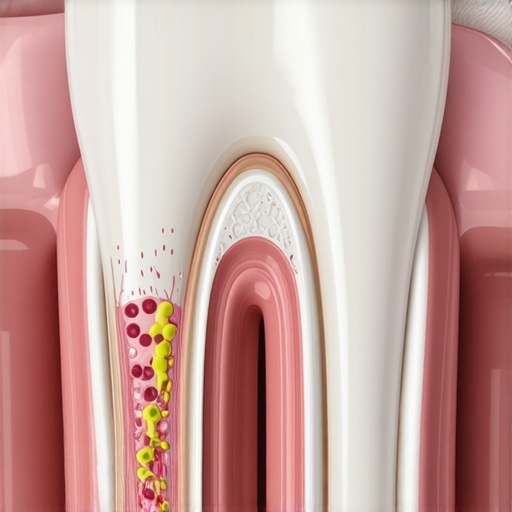
Let’s dig deeper into what we often get wrong about the dental chair experience. Most people treat a dental visit like a quick car wash—get the surface shiny, wax the hood, and move on. But here is the contrarian truth: the most important part of a professional cleaning isn’t the part you can see or feel with your tongue. It is the disruption of the subgingival biofilm. If your hygienist isn’t getting into those microscopic pockets where oxygen doesn’t reach, you are just paying for a high-end tooth polishing. This is why understanding the ultimate guide to teeth cleaning techniques and benefits is so vital. It’s not just about that satisfying ‘scraping’ sound; it’s about complex biological management. Have you ever fallen into the trap of thinking a quick ‘buff’ was enough for your oral health? Let me know in the comments.
Stop treating your cleaning like a car wash
In my years of researching dental health, I have realized that the standard ‘prophy’ (or basic cleaning) is frequently misunderstood. We often think that if our teeth look white and our breath is fresh, we are in the clear. However, the real battle is happening at the microscopic level. Biofilm is a living community of bacteria that coordinates its attacks on your enamel. Simply brushing at home doesn’t fully dismantle these communities. That is why oral health myths debunked focus so heavily on professional intervention. You are not just cleaning a surface; you are resetting a biological ecosystem. This preventative maintenance is the only real way to avoid the ’emergency’ spiral that leads to expensive restorations later.
Why do some people have perfect teeth while others struggle despite identical routines?
This is the question that keeps many of my readers up at night. You might be meticulously following the top 5 secrets to maintaining perfect oral health as a family, yet you still walk away from the dentist with a list of ‘watch’ spots. The hidden nuance here is your unique oral microbiome and genetic predisposition. A landmark study published in the Journal of Periodontology indicates that genetic factors can account for up to 50% of the variance in gum disease severity. It’s not just about how hard you work; it’s about the hand you were dealt. Understanding why some people are more prone to cavities regardless of hygiene can take the guilt out of your next checkup and help you pivot toward a strategy that actually works for your specific biology.
The DIY whitening trap that ruins your enamel
The biggest ‘oops’ I see in the current era of social media dentistry is the obsession with ‘natural’ abrasives like charcoal or baking soda pastes. People think they are being health-conscious, but they are often effectively sandblasting their enamel away. Once that protective layer is gone, it cannot be regrown. You might get a temporary bright look, but you are exposing the yellowish dentin underneath and creating permanent sensitivity. Instead of risky DIY experiments, you should look into the truth about whitening toothpaste to see what actually works without compromising the structural integrity of your smile. Many of these ‘hacks’ prioritize a temporary aesthetic over long-term health. This is a classic case where how regular dental cleanings can save you money in the long run because repairing abraded enamel or receding gums is far more expensive than a standard professional visit. Always prioritize the foundation before the paint job.
The gear that actually lives in my bathroom cabinet
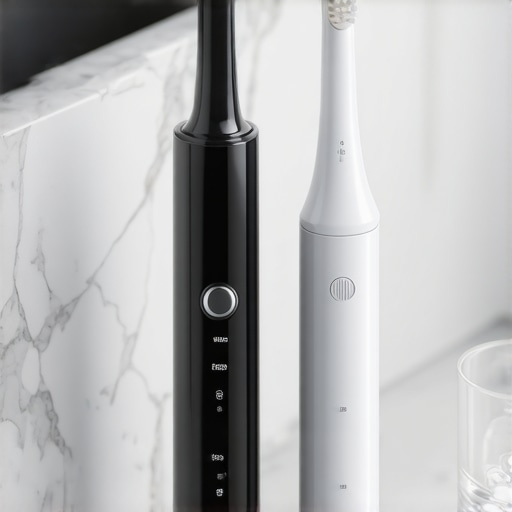
Once I realized that my gums weren’t the problem—my technique was—I did a complete overhaul of my equipment. I stopped treating the toothbrush like a magic wand and started looking at it as a precision tool. Specifically, I switched to an electric brush with a visible pressure sensor. Why? Because as I mentioned before, my habit of scrubbing was literally eating away my tissue. I personally use the latest oscillating models because the haptic feedback prevents me from entering ‘panic scrub’ mode. If you are struggling with similar issues, keeping your gear in top shape is step one. I’ve even become a bit obsessed with the best way to keep your bathroom toothbrush clean because a dirty tool just reintroduces the very bacteria you are trying to remove.
How do I maintain my results over time?
Maintenance isn’t a single event; it is a series of small, automated habits. For those of us who have invested in cosmetic dentistry innovations you cannot miss this year, the stakes are even higher. You don’t want a thousand-dollar investment to fail because of a ten-cent flossing habit. I’ve found that a water flosser is a non-negotiable addition for anyone with permanent work or tight spaces. I recommend it to my friends not just because it’s easier, but because of the benefits of using a water flosser for patients with gum disease which are backed by clinical data. It flushes out the subgingival area where my manual floss often misses. Consistency here is what separates people who need fillings every year from those who get a ‘thumbs up’ at every checkup.
The future of your morning routine is data-driven
Looking ahead, the next five years are going to shift from ‘guessing’ to ‘knowing.’ We are already seeing the rise of smart toothbrushes that map your mouth in 3D and send a report to your phone. According to a report by Straits Research, the global smart toothbrush market is projected to reach over $1 billion by 2030, highlighting our shift toward data-driven hygiene. Soon, your brush might even analyze your saliva for biomarkers of systemic inflammation. This is why maintaining oral health is becoming a high-tech endeavor. We are moving toward a world where your dentist can see your home-care data before you even sit in the chair. This level of accountability is going to revolutionize family dentistry, making it much easier to spot trends in children’s habits before they turn into cavities. Don’t wait for the technology to catch up to you, though. Start by mastering the ultimate guide to teeth cleaning techniques and benefits today. My challenge to you: pick up a water flosser this week and use it every single night for 14 days straight—your hygienist will notice the difference, I promise.
What I Finally Realized About That Mirror Panic
Looking back at my late-night Google searches, I wish I had known that the most vital sign of health isn’t a specific shade of pink, but the resilience of the tissue itself. One ‘lightbulb moment’ for me was realizing that melanin is a gift of protection, not a flaw to be corrected. I also learned that if I focus on the top 5 secrets to maintaining perfect oral health as a family, the aesthetics usually take care of themselves. Another huge realization? Bleeding is never ‘normal’—it is a cry for help from your immune system. If you stop the aggressive scrubbing and switch to how regular teeth cleaning can prevent major dental issues, you will see a transformation that no whitening strip can provide.
The Equipment That Actually Makes a Difference
I don’t believe in buying every gadget on the market, but there are three things I will never live without. First, a high-quality water flosser. I saw the most dramatic change in my gum pocket depth once I started using one, specifically because of the benefits of using a water flosser for patients with gum disease. Second, I keep a dedicated routine for hygiene, using family dentistry tips that make oral care effortless and effective. Finally, don’t overlook your tongue; I use a stainless steel scraper daily and follow the best way to clean your tongue without triggering a gag reflex to keep my breath fresh and my microbiome balanced.
#IMAGE_PLACEHOLDER_E#
Your Future Smile Starts With One Small Shift
At the end of the day, your mouth is the gateway to your entire body’s health. Whether your gums are deep ebony or light rose, their strength is what matters most. By moving away from ‘car wash’ style cleanings and embracing a proactive, data-driven approach, you are securing your health for decades to come. Don’t let fear or misinformation keep you from maintaining oral health with confidence. Your smile is unique to you—wear it with pride and take care of the foundation first. Have you ever felt self-conscious about the color or texture of your gums? Let me know your experience in the comments below!