
I was at my niece’s graduation party, mid-laugh after a joke my brother told, when I felt it—a sharp, stinging jab right under my lower plate. It felt like I’d swallowed a jagged piece of glass, but really, it was just my own gums screaming. I’d worn those dentures for two years without a hitch, and suddenly, every bite of potato salad felt like a battle. I spent the rest of the afternoon nursing a glass of iced tea, trying to hide the fact that I couldn’t speak without wincing. It was frustrating, and honestly, a little scary. If you’ve been there, staring at your reflection and wondering why your once-perfect fit has turned against you, you aren’t alone. We’re going to figure out exactly why your mouth is acting up and how we can get you back to enjoying your favorite meals without that constant, nagging ache.
Your Gums Change While Your Dentures Stay Still
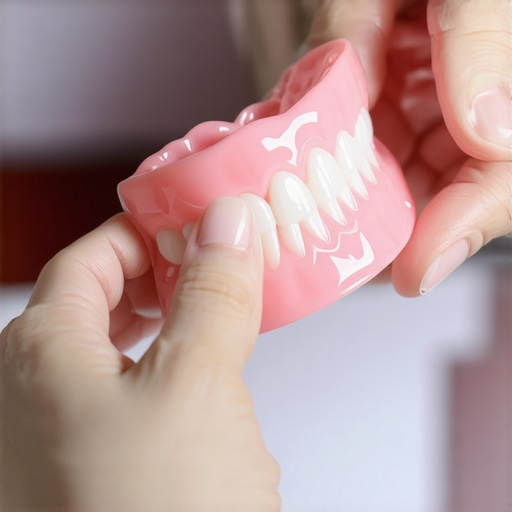
The most common mistake I see—and one I’m guilty of myself—is assuming that once you have your dentures, your mouth stops changing. I used to think that because I didn’t have “real” teeth anymore, I was off the hook for major dental shifts. I was wrong. I spent three weeks just globbing on more adhesive, thinking I could “glue” my way out of the problem, but that just made the irritation worse. The reality is that your jawbone is a living, breathing part of you. According to the American Dental Association, the bone in your jaw naturally begins to shrink or resorb once your natural teeth are gone. This means that while your dentures stay the same shape, the foundation they sit on is slowly moving. It’s like trying to wear the same pair of shoes while your feet are changing size. Eventually, you’re going to get blisters. Learning how to stop your dentures from causing sore spots starts with accepting that your mouth is a dynamic environment.
[IMAGE_PLACEHOLDER]
Is a little bit of soreness actually worth a trip to the dentist?
Many of us try to be stoic. We think, “It’s just a little red, it’ll go away.” But ignoring that friction can lead to infections or even permanent tissue changes called epulis fissuratum. I’ve found that mastering the trick to eating with new dentures without them slipping often reveals where the true pressure points are. If you’re constantly adjusting your bite, you’re creating micro-traumas on your gum line. Have you ever had to excuse yourself from a dinner because your plate just wouldn’t behave? It’s an embarrassing hurdle, but it’s usually a signal that your denture needs a simple professional adjustment or a reline. Sometimes the pain isn’t on the ridges at all; you might need to know how to stop your dentures from causing sores on the roof of your mouth, which is often a sign of a suction issue or a yeast overgrowth known as thrush. Whatever the cause, the goal today is to move past the “toughing it out” phase and into a solution that actually works.
Clean Your Plate to Save Your Gums
Start by taking your dentures out more often than you think you need to. I used to keep mine in twenty-four hours a day because I was self-conscious about my appearance, but that is a recipe for chronic inflammation. Your gums are living tissue that needs oxygen and blood flow to stay healthy; keeping them compressed under acrylic all night is like wearing heavy work boots to bed. If you leave them in constantly, you’re trapping bacteria and food particles against your delicate tissue, which accelerates the development of painful sores. The same principles we apply to natural teeth in the ultimate guide to teeth cleaning techniques and benefits apply here: hygiene is the foundation of comfort. I remember one Tuesday when a stinging sensation in my lower jaw made it impossible to even sip water. I realized I had been cutting corners with my nightly cleaning. A simple fifteen-minute soak in a dedicated cleanser followed by a gentle brushing of my gums with a soft-bristled brush made an immediate difference. You need to remove the microscopic film that hardens into tartar on the denture surface, as these rough patches act like sandpaper against your mouth.
The Salt Water Rinse That Actually Works
When you feel a sore spot developing, don’t wait for it to become a crater. Mix half a teaspoon of salt into a cup of warm water and swish it for thirty seconds. This isn’t just an old wives’ tale; the saline solution helps reduce swelling and draws out excess fluid from inflamed tissues. It’s a low-cost way to reset your oral environment while you wait for a professional adjustment. If you’re looking for a more thorough approach to oral hygiene, incorporating teeth cleaning secrets achieve a bright smile in under 30 minutes into your daily routine can ensure your remaining natural teeth or your prosthetic surfaces stay smooth and irritation-free.
Stop Trying to Out-Engineer Your Dentist
I once reached a level of desperation where I took a fine-grit emery board to a “high spot” on my lower denture. I was convinced I could shave down the acrylic and fix the fit myself. It was a disaster. I ended up creating a jagged, uneven edge that sliced my cheek within an hour, and I had to pay for a full professional repair. The lesson I learned the hard way is that how to stop your dentures from causing sore spots is a matter of precision, not brute force. Instead of DIY repairs, use a disclosing paste or even a tiny dab of food coloring on the inside of your denture to see exactly where the color rubs off onto your gum. This pinpoints the pressure point so you can show your dentist exactly where the problem lies.
Spotting the Difference Between Irritation and Infection
Not every ache is a simple fit issue. You need to be able to distinguish between a friction rub and something more serious. If you notice a raised, white-capped bump, you might need to learn how to tell if that bump on your gums is an abscess. Infections require antibiotics, not just a denture adjustment. Furthermore, if your mouth feels incredibly sensitive or if why your mouth feels like it is on fire after eating spicy food becomes a recurring thought, you might be dealing with a yeast overgrowth caused by trapped moisture under the plate. Monitoring these changes is a vital part of maintaining oral health expert advice for a lifetime of healthy teeth, ensuring that your prosthetic doesn’t become a liability to your overall wellness.
The Fix for a Foundation That Won’t Stop Moving
Think of your dentures like a house built on shifting sand. As your jawbone naturally resorbs, the “foundation” changes shape, leaving gaps where the denture can tilt and slide. This movement creates a shearing force that rips at the surface of your gums. A professional reline is the only way to fill those gaps and stop the sliding. Whether it’s a soft reline for immediate comfort or a hard reline for long-term stability, this process reshapes the internal surface of your denture to match your current gum contours. It’s the most effective way to eliminate the root cause of sore spots rather than just treating the symptoms with gels and adhesives.
Stop Believing That More Adhesive Solves a Poor Fit
The biggest myth I see circulating in support groups and waiting rooms is that a tube of dental adhesive is a permanent fix for discomfort. Everyone says that if your plate is slipping, you just need a stronger grip, but in my experience, over-relying on adhesive is a dangerous trap. When you layer on thick globs of paste to fill the gaps caused by a shrinking jaw, you’re actually creating an uneven cushion that puts localized pressure on specific nerves. This can lead to accelerated bone loss in those high-pressure spots. A study published in the Journal of Prosthetic Dentistry highlights that jawbone volume can decrease by as much as 40% within the first year of tooth loss, and uneven pressure only hastens this process. If you find yourself reaching for the glue three times a day, you aren’t fixing the problem; you’re masking a structural failure that needs professional attention. Have you ever fallen into this trap? Let me know in the comments.
Is Cosmetic Dentistry Just for Vanity or Does it Serve a Functional Purpose?
Many patients assume that looking into the impact of cosmetic dentistry in 2025 is purely about aesthetics. However, the nuance most people miss is that “cosmetic” fixes often address the very structural issues that cause pain. For instance, if your bite is misaligned, even the most expensive dentures will cause sores. Exploring cosmetic dentistry innovations you can’t miss this year can reveal solutions like implant-supported overdentures which actually preserve the bone. These aren’t just for a Hollywood smile; they are tools for maintaining oral health expert advice for a lifetime of healthy teeth because they stop the ‘sunken’ look of the face by providing the stimulation your jawbone needs to stay dense.
Avoid the Hidden Damage of Over-Cleaning Your Gums
While we talk a lot about teeth cleaning secrets to achieve a bright smile in under 30 minutes, there is a specific ‘oops’ factor when it comes to denture wearers: scrubbing the gums too hard. I’ve seen people use stiff-bristled brushes on their soft tissues, thinking they need to ‘exfoliate’ the area where the denture sits. This actually causes micro-tears that are magnets for bacteria. Instead, use a washcloth or an ultra-soft brush. Furthermore, avoid the temptation to use harsh chemicals; the truth about using hydrogen peroxide as a mouthwash is that it can be too abrasive for healing gum tissue and can dry out your mouth, making the denture friction even more unbearable. A dry mouth is a sore mouth.
Why Those Tiny Gaps Between Teeth Actually Matter
If you still have some natural teeth mixed with partials, you might notice small dark spaces forming at the gum line. Learning how to fix the black triangles between your teeth isn’t just about closing gaps for a better photo; it’s about preventing food traps that lead to gum disease in the very teeth supporting your prosthetic. For families, focusing on preventive tips for long-lasting dental health for families means catching these shifts early. When one tooth moves, the whole ‘arch’ of your mouth changes, which is why your dentures might feel perfect on Monday and like a torture device by Friday. Proper teeth cleaning techniques and benefits must be applied to both the prosthetic and the living tissue to ensure your foundation remains stable enough to support your smile without the constant need for numbing gels.
Get Rid of Biofilm with the Tool Most People Ignore
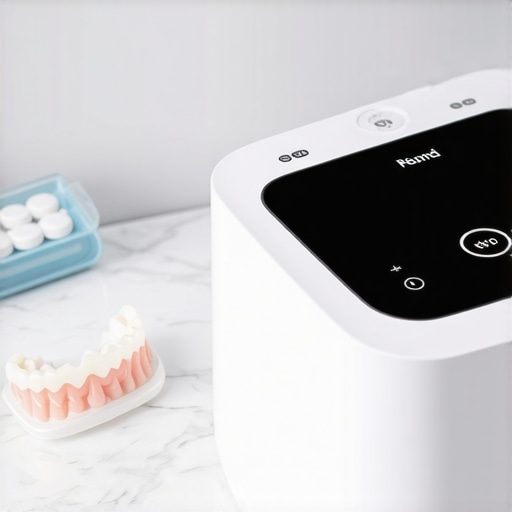
I’m picky about my gear. If you’re still using a standard toothbrush on your dentures, you’re likely leaving behind microscopic colonies of Candida albicans. I switched to a dedicated ultrasonic cleaner—specifically a model with a 42,000Hz frequency—and it was a game changer. You just drop the plate in with a specialized enzymatic tablet, and the micro-bubbles do the work I used to sweat over. This is a core part of maintaining oral health expert advice for a lifetime of healthy teeth because it prevents the calcification of plaque into tartar, which is the number one cause of the ‘denture breath’ everyone fears.
How do I maintain my prosthetic health over the long term?
The secret is to treat your dental visits as a mechanical tune-up rather than an optional checkup. Even if you have a full set of dentures, you still need family dentistry building a foundation of healthy smiles for all ages because your soft tissues need to be screened for oral cancer and signs of bone atrophy. I personally schedule a professional ‘deep clean’ for my prosthetics every six months. It’s amazing how regular dental cleanings can save you money in the long run by catching small stress fractures in the acrylic before the whole plate snaps during Thanksgiving dinner. A professional polishes away the microscopic pits where stains hide, which is something you simply cannot do at home.
One specific expert insight comes from the Journal of Oral Rehabilitation, which notes that patients who utilize a combination of mechanical brushing and ultrasonic immersion report a 60% reduction in gum inflammation compared to those who only brush. This isn’t just about comfort; it’s about preserving the ridge of your jawbone so you don’t end up needing more invasive cosmetic dentistry innovations you can’t miss this year to fix a collapsing facial structure.
Why 3D Printing Will End the Era of Sore Spots
Looking ahead, the era of messy putty impressions is coming to an end. We are seeing a massive surge in 3D-printed dentures and digital scanning. In the near future, if you lose your denture, your dentist will simply pull up a digital file and print you a perfect replacement in an hour. This trend is part of the broader cosmetic dentistry trends that transform your smile this year, moving away from ‘good enough’ fits toward sub-millimeter precision. I predict that within five years, ‘sore spots’ will be a thing of the past because the software will predict pressure points before the physical product even touches your mouth. For now, my challenge to you is this: stop the manual scrubbing for one week and try an ultrasonic soak combined with the teeth cleaning secrets achieve a bright smile in under 30 minutes to see if your gum sensitivity finally disappears.
The Hardest Lesson I Learned About My Shifting Jawline
I spent years fighting a losing battle against my lower plate before I realized that the secret wasn’t a stronger adhesive, but a better understanding of my own body. Here are the lightbulb moments that finally brought me relief:
- The Bone Loss Reality: I used to think a poor fit was a manufacturing flaw. Learning that my jawbone naturally resorbs helped me realize that regular adjustments aren’t just helpful—they are mandatory for comfort.
- Rest is Non-Negotiable: I once believed keeping my dentures in 24/7 preserved my look, but it only led to chronic swelling. Giving my gums 8 hours of ‘breathable’ time at night changed my life.
- Aggression Isn’t Hygiene: Scrubbing my gums with a stiff brush was a huge mistake. Gentle care is the only way to avoid the micro-tears that invite painful infections.
The Minimalist Toolkit for All-Day Comfort
To keep my mouth in peak condition, I’ve narrowed my routine down to a few essentials that actually work. First, I swear by a 42,000Hz ultrasonic cleaner; it removes the microscopic biofilm that manual brushing misses, which is a key part of maintaining oral health expert advice for a lifetime of healthy teeth. Second, I always keep enzymatic cleaning tablets on hand to prevent the buildup of calcium that turns smooth acrylic into sandpaper. Finally, for my remaining teeth, I follow the ultimate guide to teeth cleaning techniques and benefits to ensure the foundation of my partials remains rock-solid. These tools have saved me more money and pain than any generic store-bought gel.
Reclaim Your Confidence One Meal at a Time
Living with dentures should never mean living in pain. By embracing the fact that your mouth is a dynamic environment and utilizing professional family dentistry building a foundation of healthy smiles for all ages, you can move past the irritation. You now have the definitive roadmap on how to stop your dentures from causing sore spots. It is time to stop dreading the dinner table and start enjoying the flavor of life again. Your comfort is worth the investment, and a perfectly fitted smile is just an adjustment away. Have you found a specific cleaning tool or habit that finally gave your gums some relief? Let me know in the comments below!