
I remember sitting in that vinyl chair, hands gripping the armrests so hard my knuckles were white, thinking I could ‘tough it out’ with just a local numbing shot. I was wrong. Dead wrong. My dentist had warned me that my lower molars were coming in sideways, but my ego told me I didn’t need the ‘heavy stuff.’ Halfway through the sound of surgical tools and the intense pressure of a tooth that didn’t want to budge, I realized I’d made a massive mistake. That day taught me that when you’re dealing with wisdom teeth coming in at an angle, being ‘awake’ is the last thing you actually want. Today, I’m going to pull back the curtain on why IV sedation isn’t just a luxury for the faint of heart—it’s actually the smartest way to handle complex oral surgery. We will look at how it protects your mental health, ensures the surgeon can work with precision, and why it’s often the safest route for those of us who get a little twitchy at the sight of a drill.
The Moment Local Numbing Isn’t Enough
If you have a simple, straight-up extraction, a little Novocaine is usually fine. But complex extractions—the kind where the roots are tangled or the tooth is buried deep in the jawbone—are a different beast entirely. Early in my journey, I made the mistake of thinking all extractions were created equal. I didn’t realize that a surgeon needs you to be perfectly still to avoid hitting sensitive nerves. When you’re under IV sedation, you aren’t just ‘relaxed’; you’re in a state where your body doesn’t fight the procedure. This allows the dental team to focus entirely on the surgery rather than managing your flinching or high blood pressure. If you’ve ever felt like your heart was racing just thinking about the chair, you might want to find a dentist who specializes in anxious adult patients to discuss these options.
Does IV sedation actually make the surgery safer?
Many people worry that ‘going under’ adds unnecessary risk, but for complex cases, it’s often the opposite. According to the American Association of Oral and Maxillofacial Surgeons, IV sedation provides a controlled environment that allows for better management of the patient’s physiological response to stress during invasive procedures. When your body isn’t flooded with adrenaline from fear, you actually bleed less and heal faster. It’s a bit of a paradox: by being less ‘present,’ you’re giving your body a head start on recovery. Have you ever tried to ‘white-knuckle’ a dental procedure and ended up feeling exhausted for days afterward? It’s a common struggle, and honestly, life is too short to dread the dentist. While some might suggest you manage your dental anxiety without heavy drugs for a simple cleaning, a complex extraction is a completely different scenario where professional sedation truly shines.
Get Your Body Ready for the Big Day
Prepping for IV sedation is a lot like preparing for a long flight; you want to be comfortable, and you definitely don’t want a heavy meal in your system. Most surgeons require you to stop eating or drinking anything—yes, even water—about eight hours before the procedure. This isn’t just a random rule; it’s about preventing your stomach contents from entering your lungs while you’re relaxed. It is also the perfect time to learn how to tell if your dental insurance will cover sedation so you aren’t hit with a surprise bill later. I remember my first time; I tried to sneak a sip of coffee and had to reschedule the whole thing. It felt like a waste of time then, but looking back, I realize that safety protocols are there to protect your airway when your reflexes are hibernating.
The Three-Minute Transition to Total Relaxation
Once you’re in the chair, the process is incredibly fast. The dental assistant will likely place a few monitors on your finger and arm to track your vitals. Then comes the IV. If you’re nervous about needles, this is the only part you really have to ‘brave.’ A small catheter is placed, usually in the arm or the back of the hand. 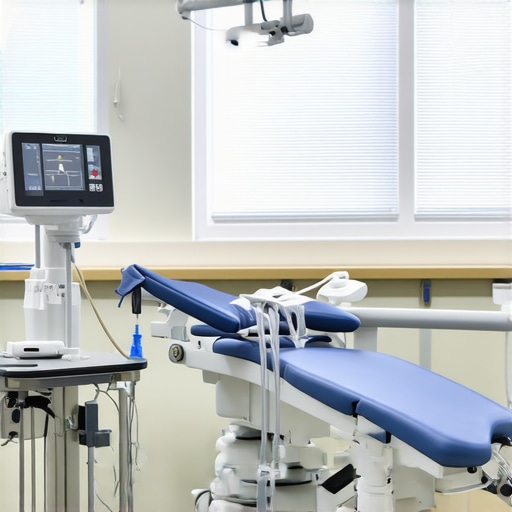 Within seconds of the sedative entering your bloodstream, you’ll feel a wave of calm. It isn’t like being ‘knocked out’ for major heart surgery; it’s a deep, twilight sleep. You can technically still breathe on your own and sometimes even follow simple commands like ‘open wider,’ but you won’t remember a second of it. This is particularly helpful for people who need to how to manage your gag reflex during a dental x-ray or surgery because those physical triggers simply disappear.
Why Surgeons Work Better When You Are Out
Precision is the name of the game when a tooth is stuck in the jaw. When you are sedated, your jaw muscles are fully relaxed, giving the surgeon better access to those hard-to-reach molars. They can work faster and with more accuracy because they aren’t worried about a sudden movement causing an accidental nick to the gum tissue. This level of focus is similar to how we use laser dentistry to treat gum disease without scalpels—it’s all about minimizing trauma to the surrounding area. In my case, my surgeon later told me that because I was so still, he was able to remove the impacted tooth in three clean pieces rather than having to drill away more of my jawbone to get a better grip. This directly translates to less swelling and a much smoother path toward maintaining oral health expert advice for a lifetime of healthy teeth.
Wake Up With a Head Start on Healing
The ‘magic’ of IV sedation continues even after the IV is removed. Most sedatives used in dental offices have an amnesiac effect. You’ll wake up feeling like only five minutes have passed, even if the surgeon spent an hour meticulously cleaning out the extraction site. Because your body didn’t spend that hour in a ‘fight or flight’ state, your blood pressure stayed stable, which significantly reduces the risk of post-operative bleeding. If you’ve spent years wondering why your gums bleed when you floss for the first time in weeks, you’ll appreciate how much easier it is to heal when the initial surgical trauma is minimized by a calm nervous system. You’ll need a ride home, of course, because your coordination will be about as reliable as a toddler’s for a few hours, but the mental relief of being ‘done’ is worth every second of grogginess.
While most people focus on the ‘nap’ aspect of sedation, the real nuance lies in how it changes the surgeon’s technique. We often hear that cosmetic dentistry is purely about vanity, but that’s a dangerous oversimplification. In my experience, treating a smile as a set of separate aesthetic goals instead of a functional ecosystem is the fastest way to end up back in the chair. For instance, many patients jump straight to whitening when they see discoloration, but if you have naturally thin enamel, standard kits can cause permanent sensitivity. I’ve seen people chase a ‘Hollywood white’ while ignoring the fact that how to whiten your teeth if you have naturally thin enamel requires a completely different chemical approach.
Stop Viewing Cosmetic Dentistry as a Simple Vanity Project
Advanced contouring and veneers aren’t just for looks; they can close ‘black triangles’ or gaps that act as food traps. By correcting these, you’re making it physically easier to keep the area clean. However, the ‘oops’ factor usually comes when patients try to bypass professional advice with over-the-counter shortcuts. I once thought the truth about whitening toothpaste was that it would change my tooth color, but science tells a different story. Most ‘whitening’ pastes are abrasive—they remove surface stains but don’t change the internal shade. Overusing them can actually wear down your enamel, revealing the yellowish dentin underneath.
Can your aesthetic choices actually improve your dental longevity?
Surprisingly, yes. According to a study published in the Journal of Periodontology, professional removal of subgingival plaque is the only way to arrest bone loss in patients with early-stage gum disease. This is why how regular teeth cleaning can prevent major dental issues remains the foundation of everything else. It’s not just a ‘wash and wax’ for your mouth. Professional cleanings disrupt specific bacterial colonies that are linked to systemic inflammation and even heart health. By removing tartar that you literally cannot brush away at home, you’re preventing the bone loss that eventually makes cosmetic work impossible. 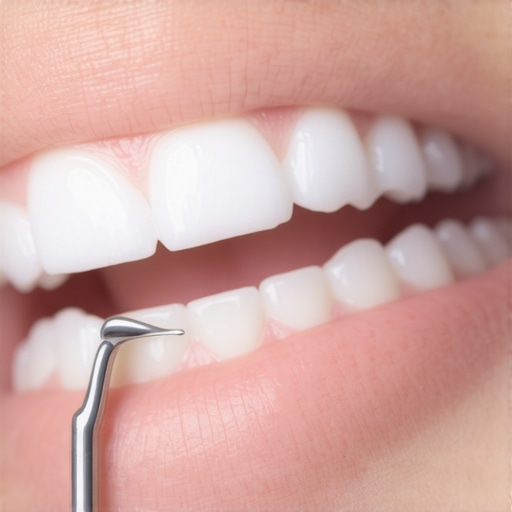
Don’t Fall for the ‘One-Size-Fits-All’ Family Myth
Within the realm of family dentistry, a common trap is assuming kids’ baby teeth aren’t worth the investment because they eventually fall out. This is a critical error. Utilizing family dental care hacks to keep your kids smiling daily is about more than just avoiding cavities; it’s about preserving the space for adult teeth. If a baby tooth is lost too early and not managed, the adult teeth will often come in crowded, leading to a much higher bill for braces later. If you want maintaining oral health expert advice for a lifetime of healthy teeth, you have to look past the surface and address the underlying structure early. Have you ever fallen into this trap of choosing a quick aesthetic fix over a long-term functional solution? Let me know in the comments.
Stop Rinsing Your Money Down the Drain
After the surgical and cosmetic work is done, the real challenge begins: not letting it all go to waste. I see people spend thousands on perfect smiles and then use a manual toothbrush they have had since the last presidential election. If you want to know how to maintain your porcelain veneers so they last twenty years, it starts with the hardware. I personally swear by oscillating-rotating heads over sonic ones. While sonic vibrates, the oscillation physically breaks up the biofilm. A systematic review published by the Cochrane Library found that powered toothbrushes with an oscillating-rotating action reduced plaque and gingivitis more than manual brushing in both the short and long term. It is the single best investment you can make for under a hundred dollars.
One habit that felt like a betrayal of everything I was taught as a kid: stop rinsing after you brush. You have just applied a concentrated layer of fluoride or remineralizing agents; do not immediately wash them away with a cup of water. Spit out the excess paste, but let the residue sit. It is like a free professional treatment every single night. If you are worried about bacteria on the brush itself, learn the best way to keep your bathroom toothbrush clean instead of obsessing over the ‘clean’ feeling of a rinsed mouth.
Why I Swapped Traditional Floss for a High-Pressure Jet
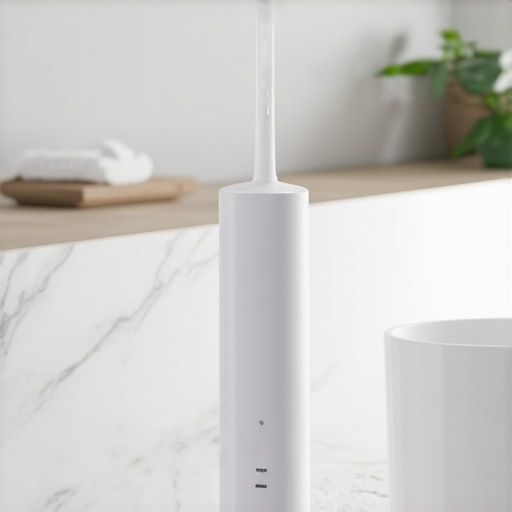
I used to be a flossing martyr until I realized I was just making my gums bleed without actually reaching the base of the pockets. If you have any history of inflammation, you need to look at the benefits of using a water flosser for patients with gum disease. I do not just use mine for the ‘stuck’ bits of food; I use it to oxygenate the areas where anaerobic bacteria thrive. Setting the device to a mid-range pressure—around 60 to 70 PSI—is the sweet spot for flushing out toxins without damaging the delicate attachment of your gums to the tooth.
How do I maintain my dental work over a decade?
Maintenance is about consistency over intensity. You do not need to brush harder; you need to brush smarter. When we discuss preventive tips for long-lasting dental health for families, the focus is often on avoiding sugar, but the real secret is disrupting the biofilm before it calcifies into tartar. Once it is hard, only a professional can move it. My advice? Use a disclosing tablet once a week. It is a tiny purple pill that stains the plaque you missed. It is a humbling experience, even for me, but it ensures you are not just ‘going through the motions’ while your expensive dental work slowly fails underneath a layer of invisible film.
The Future of Your Bathroom Mirror
In the next few years, I predict we will see smart mirrors equipped with UV sensors that highlight bacterial colonies in real-time, effectively giving you ‘X-ray vision’ for your hygiene routine. Until then, you are the primary investigator of your own mouth. My advanced tip for you: Switch to a hydroxyapatite-based toothpaste for one month. Unlike fluoride, which creates a protective barrier, hydroxyapatite can actually help remineralize the microscopic lesions in your enamel before they turn into full-blown cavities. Try it for thirty days and watch your sensitivity vanish.
Lessons from the Other Side of the Dental Chair
If there is one thing I have learned through years of surgical recoveries and cosmetic upgrades, it is that your dentist is your partner, not your adversary. Many of the oral health myths debunked: what you need to know in 2025 suggest that you can DIY your way to a perfect smile, but real longevity comes from professional oversight. First, never trade health for aesthetics; a white tooth that is loose due to bone loss is still a lost tooth. Second, your anxiety is a valid biological response, but modern sedation techniques mean it no longer has to dictate your dental future. Finally, the best dental work is the kind you never have to repeat because you mastered the basics of maintaining oral health expert advice for a lifetime of healthy teeth early on.
The Non-Negotiable Tools for Your Bathroom Cabinet
I am often asked what is actually worth the money when it comes to home care. Skip the charcoal pastes and focus on technology that mimics a professional touch. A high-quality water flosser is essential, especially if you want to reap the benefits of using a water flosser for patients with gum disease. I also highly recommend looking into hydroxyapatite toothpastes which help remineralize enamel naturally. If you are managing a household, check out these family dental care hacks to keep your kids smiling daily to ensure the next generation does not inherit the same dental fears we grew up with. Knowledge is power, and using the ultimate guide to teeth cleaning techniques and benefits as a reference will keep your routine from becoming stagnant.
Your Path to a Fearless Smile Starts Today
Taking control of your dental health is one of the most empowering things you can do for your overall well-being. Whether you are looking for family dentistry building a foundation of healthy smiles for all ages or you are finally ready to address that impacted wisdom tooth, remember that the “perfect time” to start is right now. You do not have to live with pain or embarrassment. By understanding how regular teeth cleaning can prevent major dental issues, you are already miles ahead of the average patient. Your future self will thank you for the effort you put in today. Have you ever avoided the dentist because of anxiety, only to realize the procedure was easier than you expected? Let me know your story in the comments below!