
I remember gripping the armrests so hard my knuckles turned white, staring at the ceiling and praying the next poke would finally do the trick. Three rounds of injections later, I could still feel the sharp, icy touch of the explorer on my tooth. ‘You shouldn’t be feeling that,’ my dentist said, looking as frustrated as I was. It was a visceral moment of failure—not by the dentist, but by my own body. I felt like a broken machine that refused to shut down. If you have ever sat in that chair feeling like a pincushion while the dentist insists you should be numb, you are not alone. This isn’t just about ‘dental anxiety’ or being a difficult patient. It’s about biology.
When Three Injections Just Aren’t Enough
My early mistake was thinking I just had to be ‘tough.’ I’d white-knuckle through the pain, convinced that if the sleepy juice injection didn’t work, I was just out of luck. But here is the reality: some people have a naturally high tolerance to local anesthetics. Whether it’s due to genetics, red hair, or even chronic inflammation, sometimes the standard approach simply fails. Research published by the National Center for Biotechnology Information (NCBI) suggests that individuals with certain genetic variations, like the MC1R gene, often require significantly more anesthesia to achieve the same level of comfort. Today, we are going to break down why your body might be fighting the freezing and how sedation can finally give you the peaceful experience you deserve. Have you ever had a procedure where the numbing simply wore off too fast?
Is Sedation Really Worth the Extra Step?
Many people worry that sedation is overkill or only for those with a phobia. I used to think the same. I worried about the recovery time or feeling out of control. But once I realized that laughing gas or IV options aren’t just for fear—they actually change how your central nervous system processes pain signals—everything clicked. It’s not about being ‘brave’; it’s about being comfortable. This is part of why your dentist asks about your medications at every visit; they are trying to gauge how your body will react before the first needle even touches your gums. We’re going to dive into the specific reasons your nerves might be hyper-reactive and how we can bypass those biological roadblocks to make your next visit completely stress-free.
Stop White-Knuckling and Address the Inflammation First
If you have ever felt that sharp zing despite being ‘numb,’ the culprit is likely the chemistry of your own mouth. Think of local anesthetic as a key and your nerve endings as a lock. When a tooth is infected or your gums are severely inflamed, the pH level in that tissue drops, becoming highly acidic. This acidity essentially changes the shape of the lock so the key no longer fits. I once had an abscessed tooth—what we call a ‘hot tooth’ in the industry. No matter how much ‘sleepy juice’ my dentist used, the pain wouldn’t budge. We had to stop the procedure, treat the underlying infection first, and return once the inflammation subsided. This is one reason how regular teeth cleaning can prevent major dental issues; by keeping inflammation low, you ensure that if you ever do need work, the numbing agents actually work the first time. 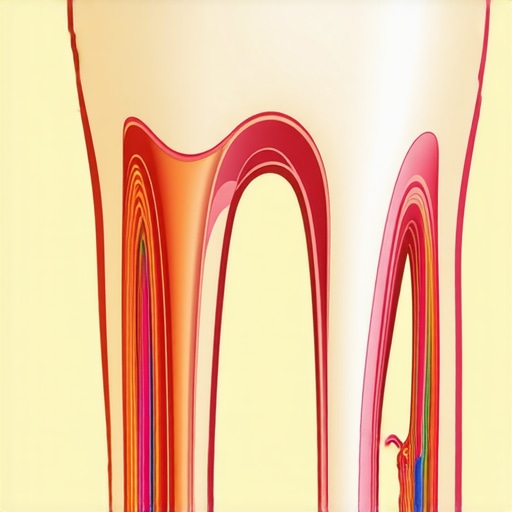
The Conversation That Changes Your Procedure
Most people wait until the needle is already in sight to mention they have a high tolerance. By then, the dentist is already following a standard protocol. To get better results, you need to be proactive during the consultation phase. This is exactly why your dentist asks about your medications at every single visit. Certain prescriptions, and even high levels of vitamin C or caffeine, can metabolize anesthesia faster than usual. If you know you are ‘hard to numb,’ ask for an alternative like Articaine instead of the standard Lidocaine, as it often penetrates dense bone more effectively.
Choose the Sedation Level That Fits Your Biology
If local shots aren’t cutting it, you have to move up the ladder. It isn’t just about ‘zoning out’; it’s about changing how your brain interprets the signals it receives. For mild resistance, laughing gas can lower your overall pain threshold just enough for the local anesthetic to do its job. However, for those with the MC1R gene (common in redheads) or high dental anxiety, we often skip the small talk and go straight to deeper options. We frequently use IV sedation for complex wisdom tooth extractions or long restorative sessions because it allows us to bypass the local tissue barriers entirely, ensuring you feel absolutely nothing regardless of how ‘stubborn’ your nerves are.
Prepare Your Body Before You Hit the Chair
Your preparation starts 24 hours before your appointment. Avoid heavy caffeine intake, as it is a stimulant that can make your nerves hyper-sensitive and counter-act the numbing agents. If you are worried about the ‘hangover’ effect of heavy sedation, you can look into how to manage your dental anxiety without heavy drugs, such as using high-dose CBD (with your dentist’s approval) or deep-pressure therapy. By controlling the environment and your internal chemistry before the first injection, you give the anesthetic a fighting chance to actually work.Most patients I talk to think that a professional teeth cleaning is a passive event—you lay back, they scrape, and you’re done. But there’s a dangerous nuance here that even the most health-conscious people miss. In my years of looking at smiles, I’ve seen a ‘more is better’ attitude actually backfire. People assume that ‘gentle’ means ‘ineffective,’ but the reality is that aggressive cleaning can lead to permanent recession and enamel wear. This is a classic ‘oops’ factor: the rise of DIY ‘hacks’ like charcoal toothpastes or stiff-bristle brushes. You think you’re getting a deeper clean, but you’re actually thinning your enamel and inviting chronic sensitivity. The truth about whitening toothpaste is that many brands are simply high-RDA (Relative Dentin Abrasivity) pastes that don’t change the internal pigment of your teeth—they just sand down the surface until the nerves are exposed.
Can Your Cosmetic Upgrades Hide Underlying Infections?
This is where things get tricky for the advanced patient. Many people rush into cosmetic dentistry innovations without realizing that a pretty surface can mask a biological disaster. I’ve seen stunning veneers placed over gums that are practically crying out for a deep cleaning. According to a landmark study in the Journal of Periodontology, chronic gum inflammation is not just a localized problem; it’s a systemic trigger that can exacerbate conditions like diabetes and heart disease. If you prioritize the aesthetic ‘look’ over the biological ‘foundation,’ you’re essentially building a luxury mansion on a swamp. This is why gentle teeth cleaning best practices focus on managing the subgingival biofilm rather than just the visible sparkle. If you are looking to refresh your smile, consider how contouring and veneers must be integrated with a healthy periodontium to actually last. 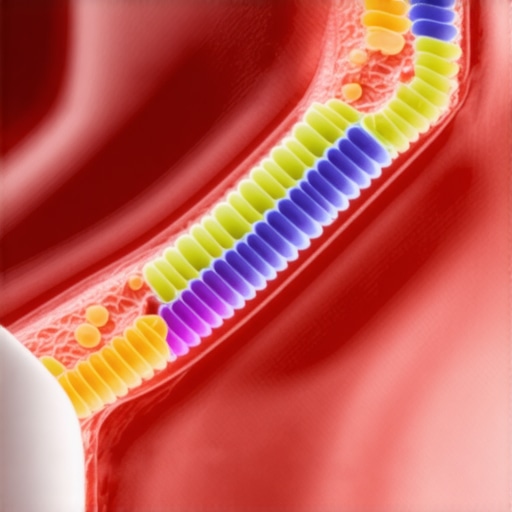 The real secret to maintaining oral health for a lifetime isn’t about how much muscle you put into your morning routine, but how you manage the microscopic environment. A study published in the Journal of Dental Research highlights that the specific composition of the bacterial biofilm, rather than just the total amount of plaque, is the primary driver of decay. When you switch to family dentistry tips that focus on pH balance, fluoride uptake, and soft-tissue health rather than mechanical ‘scrubbing,’ your long-term results improve significantly. Family dentistry is often misunderstood as just ‘dentistry for kids,’ but the advanced nuance is in the shared microbiome of a household. If one parent has high levels of Streptococcus mutans, they can actually transmit those colonies to their children through shared utensils or even kisses. This is why building a foundation of healthy smiles means treating the whole family as a single biological unit. This is also why oral health myths debunked often focus on the fact that ‘squeaky clean’ shouldn’t mean ‘scraped raw.’ We want to preserve the natural pellicle layer of the tooth, not destroy it. Have you ever fallen into the trap of thinking a harder toothbrush or a more ‘aggressive’ cleaning meant a healthier mouth? Let me know in the comments.I’ve spent years testing every gadget that hits the market, from charcoal-infused bristles (which I strongly advise against) to $300 electric brushes. What I’ve learned is that the most expensive tool is worthless if it doesn’t solve the human error factor. For me, that meant switching to a brush with an integrated pressure sensor that actually stops the motor or flashes a warning when I press too hard. This is the cornerstone of gentle teeth cleaning best practices for sensitive gums because it removes the natural human temptation to ‘scrub’ your way to health. If you’re serious about maintaining oral health, you also need to incorporate a water flosser that allows for variable PSI settings. High pressure can actually detach the delicate gingival fibers from the tooth, while a low, steady stream gently flushes out the anaerobic bacteria hiding in the pockets.
How can I make my dental work last a lifetime?
The biggest mistake I see with cosmetic dentistry innovations is the ‘set it and forget it’ mentality. Whether you have natural teeth or high-end porcelain, the physical environment of your mouth at night is your biggest enemy. If you wake up with a tight jaw or a dull headache, you are likely grinding, which can micro-fracture your enamel or chip a veneer. I personally use a custom-fit nightguard every single night—and knowing how to clean a nightguard is just as important as wearing it to avoid turning your appliance into a petri dish. By implementing preventive tips for long-lasting dental health for families, you aren’t just protecting a financial investment; you’re maintaining the biological integrity of your entire face. 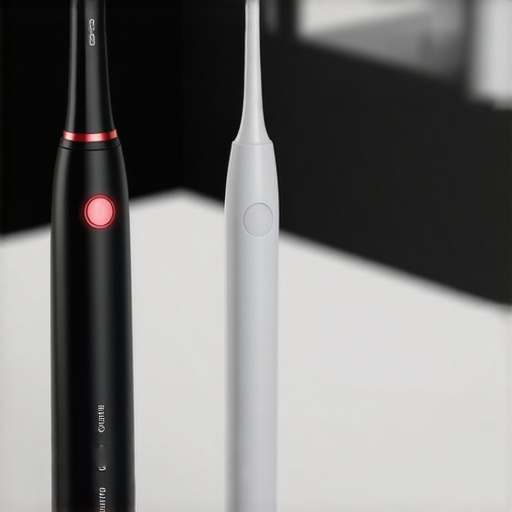
Stop Reaching for the Alcohol-Based Mouthwash
We need to stop thinking about our mouths as something to be sterilized. Your mouth is a complex ecosystem, and dumping harsh alcohol into it every morning is like trying to garden with a flamethrower. I recommend switching to a pH-neutral, xylitol-based rinse that supports the ‘good’ bacteria while inhibiting the ‘bad.’ Looking ahead, I predict we are moving toward personalized salivary diagnostics as a standard part of family dentistry tips that make oral care effortless. Soon, smile bright revolutionary teeth cleaning techniques for 2025 will likely include home kits that sequence your oral microbiome. Dr. Michael Glick, a renowned expert in oral medicine and former editor of JADA, has long emphasized that the mouth is the primary gateway to systemic health, and the data on the ‘oral-systemic link’ is only getting stronger. My best advice for you this week? Ditch the ‘extra firm’ toothbrush and the burning mouthwash. Buy a high-quality water flosser and commit to using it on the lowest setting for fourteen days. You will be amazed at how quickly your gum inflammation and sensitivity vanish when you stop the mechanical trauma and start the targeted irrigation.
Why Your Biology Often Fails the Numbing Test
After years of feeling like a ‘difficult’ patient, I finally realized that my body wasn’t broken—it was just chemistry. The biggest takeaway from my journey is that inflammation is the silent killer of anesthesia. When your tissue is acidic due to infection, the ‘sleepy juice’ simply cannot bind to the nerves. This is one of the most important oral health myths debunked: being hard to numb isn’t about mental toughness; it’s about molecular biology. Understanding that some of us are genetically predisposed to metabolize anesthesia faster changed how I approach every procedure. It turned my anxiety into a conversation about chemistry rather than a battle of wills.
The Gear That Actually Protects Your Foundations
I stopped relying on brute force and started investing in tools that prioritize the health of the gingival attachment. If you’re serious about your smile, you need to ditch the manual scrubbing and switch to a pressure-sensitive electric brush. This simple change is the gold standard for gentle teeth cleaning best practices for sensitive gums. I also trust high-quality water flossers and custom-fitted nightguards to manage the physical stress on my teeth. Because your microbiome is shared, implementing these preventive tips for long-lasting dental health for families ensures that your kids aren’t fighting the same bacterial battles later in life. If you do use a nightguard, make sure you know how to clean a nightguard correctly to avoid reintroducing bacteria every night.
Step Into a More Comfortable Dental Future
The days of ‘white-knuckling’ through a procedure should be behind us. By understanding your own biology and advocating for the right sedation or anesthetic techniques, you take the power back from the chair. Using family dentistry tips that make oral care effortless isn’t just about saving time; it’s about preserving your long-term health and your confidence. Commit to maintaining oral health by treating your mouth like the delicate ecosystem it is. Have you ever had a procedure where you could still feel everything despite the numbing? Let’s talk about your experiences in the comments below.