
I will never forget the time I tried to be a hero at the dentist. I was twenty-two, convinced I had a high pain tolerance, and told the hygienist I did not need anything for a deep cleaning. Ten minutes in, I was sweating through my shirt and gripping the chair like I was about to be launched into orbit. It was a total disaster. That day, I realized that avoiding discomfort isn’t about being tough; it is about making sure you actually show up for your next appointment. Since then, I have become a bit of an advocate for sedation options, but one question always pops up when I talk to neighbors: Does laughing gas actually stop the pain, or is it just a distraction?
Stop Fearing the Drill and Start Managing Your Discomfort
Laughing gas, or nitrous oxide, is often the first thing people think of when they want to take the edge off. But early in my journey of fixing my smile, I made the mistake of thinking it was a complete replacement for local anesthesia. I thought I could just breathe the funny air and feel absolutely nothing during a filling. Spoiler alert: that is not quite how it works. Today, I want to clear up the confusion so you can walk into your next [family dentistry](https://gentlesmiledentist.com/family-dentistry-building-a-foundation-of-healthy-smiles-for-all-ages) visit feeling in control rather than terrified. Have you ever felt that sudden surge of panic the moment you sat down in the dental chair?
Is nitrous oxide actually worth the hype?
You might be wondering if paying for that little nose mask is just a way for the office to bump up the bill. According to the American Dental Association, nitrous oxide is primarily an anxiolytic—which is a fancy way of saying it kills anxiety—though it does have some mild pain-dulling properties. However, it is not a blackout drug. Have you ever sat in the waiting room with your heart racing just because you heard a drill in the distance? If so, you are exactly the kind of person who benefits from this. We often talk about [oral health myths busted](https://gentlesmiledentist.com/oral-health-myths-busted-what-every-family-should-know) when it comes to what we eat, but the myths surrounding sedation are just as common. Nitrous oxide will not make you unconscious; it simply makes you care less about the pressure and the noise. If you are dealing with [sensitive gums](https://gentlesmiledentist.com/gentle-teeth-cleaning-best-practices-for-sensitive-gums), it can be a total lifesaver. If you are still feeling nervous, it helps to learn [how to find a dentist who specializes in anxious adult patients](https://gentlesmiledentist.com/how-to-find-a-dentist-who-specializes-in-anxious-adult-patients) to ensure your experience is as smooth as possible. Let us get into the nitty-gritty of what it actually does to your nerves.
The weird way gas tricks your brain into relaxing
Think of nitrous oxide as a volume knob for your surroundings rather than an off switch for your consciousness. When you inhale the mixture, it travels to your lungs and then into your bloodstream, where it begins to inhibit those ‘panic’ signals in your brain. It doesn’t necessarily block the physical sensation of a needle or a drill entirely, but it changes how your brain interprets that data. You might feel a dull pressure, but your mind decides it just isn’t important. This is why it is one of the most effective ways for how to manage your dental anxiety without heavy drugs. It places a warm, heavy blanket over your fight-or-flight response, allowing you to stay present but detached. For many, it feels like that split second before you fall asleep when the world feels slightly fuzzy and entirely harmless.
Don’t blow the magic out of your mouth
The mechanics of using laughing gas are deceptively simple, but most people mess it up by trying to talk. I remember a specific appointment where I tried to explain my weekend plans to my hygienist while the mask was on. Because I was breathing through my mouth to speak, I was inhaling regular room air and exhaling the nitrous. Within forty-five seconds, that calm, floaty sensation vanished, and I was hit with a wave of baseline anxiety as the drill started up. It was a messy, frantic realization. To make it work, you have to commit to ‘nose-only’ breathing. This ensures the concentration of the gas remains steady in your system. If you start to feel the effects waning, check your breathing—you are likely mouth-breathing or the mask has slipped. 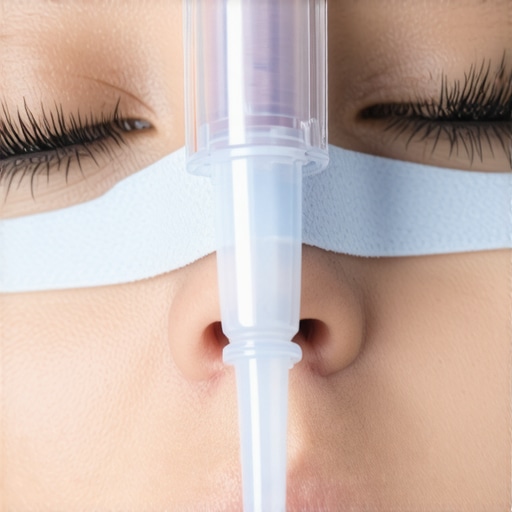
Why the ‘sleepy juice’ still matters for deeper work
It is a common misconception that if you have the gas, you can skip the local anesthetic injection. However, for anything deeper than a very superficial cleaning, your dentist will still need to numb the area. Nitrous oxide raises your pain threshold, but it doesn’t create the total nerve block required for a cavity or a root canal. If you are worried about the needle itself, the gas helps you care significantly less about it. This is a crucial part of how to manage your childs fear of the sleepy juice injection, and it works just as well for adults. You use the gas to get through the numbing process, and the numbing process to get through the actual dental work. Together, they create a ‘belt and braces’ approach to comfort. Using why mindfulness and psychotherapy tactics actually calm your nerves before a major procedure alongside the gas can further reduce the amount of local anesthetic needed.
The quick escape from the floaty feeling
One of the biggest ‘how-to’ benefits of nitrous is the recovery. Unlike oral sedatives that leave you groggy for hours, nitrous oxide is cleared from your system by simply breathing pure oxygen for five minutes. This ‘flush’ phase is non-negotiable. It prevents a phenomenon called diffusion hypoxia, which is just a fancy way of saying a massive headache caused by the gas leaving your lungs too quickly. If you have ever wondered why your jaw is sore after a long dental cleaning, the tension might have been there the whole time, but the gas just helped you ignore it until the procedure was over. Before you agree to the mask, it is always a good idea to learn how to tell if your dental insurance will cover sedation so you aren’t surprised by the bill later.
Stop blaming your toothbrush for every cavity
Everyone tells you that if you just brush twice a day and floss, you will have a perfect smile. In my experience, that is only half the story. I have met people who treat their mouths like a sanctuary yet still end up with issues because they ignore their unique biology. We often fall into the trap of thinking dental health is a moral failing rather than a biological balance. While we talk about oral health myths debunked, the biggest myth is that hygiene is the only factor. Genetics play a massive role in how your saliva buffers acid and how porous your enamel is. If you have ever felt like you are doing everything right but still getting bad news, you might be one of those why some people are more prone to cavities regardless of hygiene. It is not just about how hard you scrub; it is about the chemistry of your mouth.
Why does your neighbor never get cavities despite eating candy?
It feels unfair, doesn’t it? The nuance lies in the oral microbiome—the community of bacteria living in your mouth. According to the American Academy of Periodontology, certain bacterial strains are significantly more aggressive at causing bone loss and decay than others. This is why a simple teeth cleaning is not just a cosmetic buff-and-polish; it is a mechanical disruption of these bacterial colonies. If you skip these visits, those colonies become sophisticated ‘cities’ that your toothbrush simply cannot knock down. This is also why preventive tips for long-lasting dental health for families emphasize professional intervention over DIY solutions. Have you ever fallen into this trap of thinking your home routine was enough? Let me know in the comments.
The dangerous trap of DIY dental trends
I have seen a worrying trend lately where people swap proven medical care for ‘natural’ alternatives like oil pulling or charcoal pastes. While these might have minor benefits, they often lead to a false sense of security. Charcoal, for instance, can be incredibly abrasive and actually wear down your enamel over time, leading to the reason your teeth feel sensitive to sugar. Another ‘oops’ factor is over-brushing. In a desperate attempt to stay clean, many patients use too much pressure, which is exactly why your gums are receding only on one side of your mouth. Real expertise in family dentistry involves knowing when to push and when to be gentle. If you are looking for actual results, focus on top 5 secrets to maintaining perfect oral health as a family rather than the latest social media fad. If you are ready to stop guessing and start protecting your smile, you can always contact us to build a plan that actually works for your specific biology.
Stop guessing and start using tools that actually work
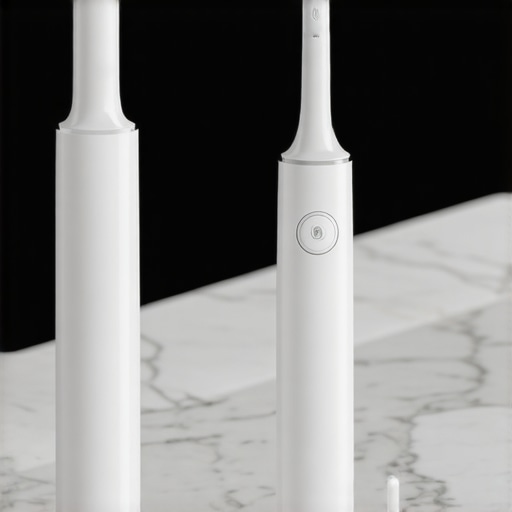
In my own journey, I realized that the cheapest manual toothbrush I could find was doing me no favors. I used to think ‘a brush is a brush,’ but that is like saying a bicycle is the same as a jet engine. After years of trial and error, I switched to an oscillating-rotating electric toothbrush. Why? Because I was one of those people who brushed too hard, causing my gums to recede. The pressure sensor on a high-end electric brush is a literal game-changer—it flashes red the second you press too hard, saving your enamel from your own enthusiasm. According to a meta-analysis published in the Journal of Clinical Periodontology, these oscillating-rotating brushes reduce plaque by 21% more than manual brushing over a three-month period. If you want to see a difference, you need to stop relying on manual labor and let the tech do the heavy lifting. This is one of those teeth cleaning secrets to achieve a bright smile without spending hours in front of the mirror.
The one tool that finally replaced my flossing guilt
Let’s be honest: nobody actually likes string floss. I used to lie to my hygienist every six months until I finally invested in a high-quality water flosser. It isn’t just a gadget for people with braces; it is a vital tool for anyone who wants to avoid deep-pocket infections. I personally use it with lukewarm water and a tiny splash of non-alcohol mouthwash. The pulsating stream gets into the nitty-gritty areas that a string simply can’t reach, especially if you have tight teeth. If you have been struggling with inflammation, checking out the benefits of using a water flosser for patients with gum disease might be the pivot your routine needs. It turns a chore into something that actually feels refreshing, like a tiny power-wash for your mouth.
How do I maintain a professional-level clean over time?
The secret to long-term success isn’t a once-a-year deep clean; it is the consistency of your daily maintenance and the quality of your professional check-ins. I have found that scheduling my appointments exactly six months out—before I even leave the office—is the only way to stay on track. This proactive approach is the core of maintaining oral health and expert advice for a lifetime of healthy teeth. You also need to look at your diet as a maintenance tool. I started carrying a small travel kit with a tongue scraper, which is much more effective than just brushing your tongue with a toothbrush. If you have ever wondered why your dentist wants you to use a tongue scraper, it is because it removes the sulfur-producing bacteria that cause bad breath and biofilm buildup at the source.
What to expect when biology meets future tech
The world of dentistry is moving toward bio-active materials and laser-based biofilm management. We are already seeing the rise of toothpastes that contain hydroxyapatite—the same stuff your teeth are actually made of—to help remineralize small soft spots before they become full-blown cavities. In the next few years, I predict we will see smart-mouthguards that can analyze your saliva in real-time to alert you to pH imbalances or high bacterial loads before you even feel a toothache. This level of cosmetic dentistry innovations will make maintaining a perfect smile less about ‘fixing’ problems and more about preventing them from ever starting. If you are ready to upgrade your routine, my best advice is to start with a tongue scraper tomorrow morning—it is the cheapest, most effective way to instantly improve your oral environment.
Why White Knuckles Never Lead to a Healthy Smile
Looking back at my ‘heroic’ attempt to endure a deep cleaning without help, I realize I was fighting the wrong battle. Real progress in oral health doesn’t come from suffering; it comes from systemizing your care so it stops being scary. I learned that admitting you need sedation isn’t a sign of weakness—it is a strategic move to ensure you keep showing up. I also discovered that your unique biology isn’t a life sentence. Even if you are genetically prone to cavities, the right tools can level the playing field. These family dentistry tips that make oral care effortless and effective changed my perspective from ‘fixing damage’ to ‘maintaining a legacy.’ Consistency beats intensity every single time.
My Tested Arsenal for a Healthier Mouth
If you are tired of the same old ‘flossing lecture’ every six months, it is time to upgrade your toolkit. I personally swear by an oscillating-rotating electric brush and a water flosser. These aren’t just gadgets; they are the gatekeepers of your gum health. Here is what I trust and why: First, the water flosser—specifically because the benefits of using a water flosser for patients with gum disease are undeniable for reaching deep below the gumline where bacteria hide. Second, a stainless steel tongue scraper to neutralize sulfur-producing bacteria. Finally, I always keep a list of maintaining oral health expert advice for a lifetime of healthy teeth handy to remind myself that small, daily wins are more powerful than occasional, frantic scrubbing sessions right before an appointment.
Turning Your Dental Anxiety into Action
It is easy to let one bad experience keep you away from the chair for years, but the technology we have today—from precision sedation to laser treatments—is designed specifically to make those fears obsolete. Your smile is the first thing the world sees; don’t let anxiety be the reason you hide it. If you have been putting off a visit, remember that modern family dentistry is about collaboration, not judgment. You deserve a mouth that feels as good as it looks. If you are ready to take that next step and find a team that understands your specific needs, feel free to contact us to get started. What was the one experience that made you most nervous about the dentist, and how did you overcome it? Let me know in the comments below!