
I remember it vividly: 3:14 AM. I was staring at the popcorn ceiling of my bedroom, my hand pressed against my jaw as if I could physically push the discomfort away. It wasn’t a sharp, stabbing pain—that’s for the lucky folks who know exactly what’s wrong. No, this was a dull, rhythmic throb that felt like it had its own heartbeat. It was exhausting. It was lonely. And frankly, it was a direct result of me ignoring a slight sensitivity for three weeks because I was “too busy.” I spent the night alternating between cold compresses and pacing the hallway, wondering if I had somehow cracked a tooth on a popcorn kernel or if my childhood fillings were finally giving up the ghost. If you’ve ever felt that specific, low-grade misery that only strikes when the rest of the world is asleep, you know exactly why I’m writing this today. We’re going to fix your sleep, and we’re going to do it by being smarter than I was.
Why That Midnight Jaw Ache is the Worst Kind of Wake-Up Call
When you’re upright and busy during the day, your brain does a decent job of tuning out minor physical annoyances. But the moment you lay flat, the blood pressure in your head and jaw changes. Suddenly, that tiny inflammation in your tooth becomes the headline act of your nervous system. I made the classic mistake of thinking a few extra Ibuprofens and some wishful thinking would fix it. Spoiler alert: it didn’t. In fact, my stubbornness nearly led me to an emergency dental visit that could have been avoided with a simple check-up. We’re going to dive into how to survive those brutal hours between midnight and dawn, and more importantly, how to tell if you’re dealing with a simple cavity or something more sinister like an infected wisdom tooth. I’ve been there, done that, and I’ve got the dental bills to prove why my “wait and see” approach was a total disaster for maintaining oral health over the long haul. Most people don’t realize that even the most gentle teeth cleaning can prevent these midnight surprises before they start.
Is this ache just stress or am I looking at a root canal?
It’s the question we all ask while scrolling through Google at 4:00 AM. You might think you’re just stressed, but did you know that bruxism (teeth grinding) can be significantly worsened by stress, leading to fractures that aren’t visible to the naked eye? Often, what feels like a vague ache is actually the connection between stress and your worn-down molars. I used to think I was immune to this until my dentist showed me the flat spots on my teeth. If you’ve been waking up with a headache or a tight jaw, you aren’t alone. Have you ever spent the better part of a night pacing your kitchen floor waiting for the sun to rise just so you could call the dentist? It’s a miserable club to belong to, but we can get you out of it. Understanding the fast way to soothe a sore tooth is your first line of defense. But we also need to talk about why nighttime mouth breathing might be drying out your mouth and making everything feel ten times worse. Let’s look at the immediate steps you can take right now to get some sleep and what your game plan should be for tomorrow morning.
Use Gravity to Your Advantage Right Now
The first thing you have to do when that throb starts is defy gravity. Think of your head like a pressurized valve; when you lay flat, you’re essentially opening the floodgates of blood flow to an already inflamed area. By propping yourself up with at least three pillows—or better yet, sleeping in a recliner—you reduce that vascular pressure. I once spent an entire Tuesday night wedged into the corner of my sofa with a travel neck pillow and two standard ones. It looked like I was bracing for a crash landing, but it worked. This simple shift is often the fast way to soothe a sore tooth on a sunday or any other night when you can’t reach a professional immediately.
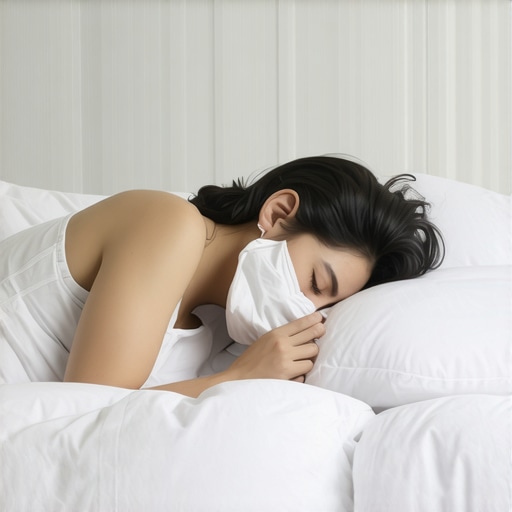
Numb the Area Without Overdoing It
While you’re upright, use a cold compress on the outside of your cheek. Don’t apply heat; heat can actually draw more blood to the area and increase inflammation. Use a 20-minutes-on, 20-minutes-off cycle. If you find yourself frequently reaching for the ice pack, it’s a signal that your body is fighting a battle you can’t see. This is often where people realize that maintaining oral health isn’t just about brushing; it’s about listening to these early warning signs before they turn into a full-blown crisis.
Guard Your Teeth Against the 2 AM Grind
If your pain feels more like a tight, radiating ache across your entire jaw rather than one specific tooth, you’re likely dealing with bruxism. Stress doesn’t just stay in your mind; it manifests in your masseter muscles. You might not even realize you’re doing it until you see the physical evidence. I’ve seen cases where the connection between stress and your worn-down molars becomes so severe that it alters the actual shape of the tooth. If you have kids, keep an eye on them too, as knowing how to get your child to stop grinding their teeth at night can prevent a lifetime of enamel wear.
Spotting the Difference Between a Crack and a Ghost Pain
Sometimes the pain is a “phantom” caused by sinus pressure, but other times it’s a structural failure. If you feel a sharp zing when you bite down, you might be dealing with the difference between a cracked tooth and a craze line. One is a cosmetic nuisance, the other is an express ticket to a root canal. I once ignored a zing while eating toast, thinking it was just “sensitivity.” Two weeks later, I was learning how to handle a crown that popped off while you were eating because the underlying structure finally gave way. Don’t play the guessing game.
Why Professional Cleaning Beats Your Electric Toothbrush
You can have the most expensive vibrating toothbrush on the market, but it’s like trying to detail a car with a garden hose. There are nooks and crannies—especially around the gum line—where plaque hardens into tartar that no bristles can touch. This buildup is the primary driver of the inflammation that keeps you up at night. Investing in gentle teeth cleaning best practices for sensitive gums ensures that you aren’t just surface-cleaning. In the long run, understanding how regular dental cleanings can save you money is the ultimate financial hack. It’s much cheaper to pay for a cleaning than for a bridge or an implant later. For those looking to upgrade their look while they’re at it, cosmetic dentistry innovations you cant miss this year offer ways to strengthen and beautify your smile simultaneously. Staying ahead of the game with top 5 secrets to maintaining perfect oral health as a family will keep everyone out of that midnight misery club.
I’ve seen it time and again: a patient comes in with teeth that look like they belong in a magazine, yet they are experiencing excruciating sensitivity or hidden decay. Everyone says a Hollywood white smile is the ultimate goal, but in my experience, the healthiest mouths often have a more natural, creamy hue that signifies strong, mineralized enamel. Focusing purely on the shade is like judging a car’s engine by its paint job. When we talk about oral health myths debunked what you need to know in 2025, the biggest takeaway is that ‘white’ does not always equal ‘healthy.’
Don’t let the white teeth myth fool you
The nuance most people miss is that enamel is naturally translucent. What you’re seeing is actually the dentin underneath. When people go overboard with whitening, they thin out that protective enamel layer, leading to the very problems we’ve been discussing—midnight aches and sensitivity. If you are looking for a true upgrade, look into cosmetic dentistry innovations you cant miss this year that focus on additive techniques rather than subtractive ones. For instance, contouring veneers the future of cosmetic dentistry revealed shows how we can now strengthen your smile’s structure while improving its look.
Avoid the natural whitening trap
Here is the ‘Oops’ factor many DIY enthusiasts fall for: the charcoal and baking soda trend. It feels like a smart, frugal way to brighten your smile, but the danger of using baking soda to whiten your enamel every day is that it acts like sandpaper on your teeth. You are literally scrubbing away your defense system. This abrasive action can lead to gum recession, which is much harder (and more expensive) to fix than a few coffee stains. Instead, stick to professional methods or family dentistry tips that make oral care effortless and effective without compromising your enamel’s integrity.
Could your DIY alignment kit actually be destroying your roots?
The rise of mail-order orthodontics is one of the most concerning trends in modern dentistry. While the convenience is enticing, the truth about diy clear aligner kits and permanent root damage is a reality many discover far too late. According to a study published in the Journal of the American Dental Association (JADA), moving teeth without a physical, in-person examination can lead to irreversible bone loss and root resorption. If the teeth move too quickly or are pushed in a way that isn’t supported by your unique bone structure, they can literally become loose. Professional oversight isn’t just about the ‘look’; it’s about making sure your teeth stay in your head for the next forty years.
The post-cleaning mistake you are likely making
Even after a professional visit, there’s a trap. Many people walk out of the office and immediately grab a coffee or a soda. Understanding how long you should really wait to eat after a cleaning is vital because your enamel is slightly more porous and vulnerable immediately following a deep scale. Giving your teeth that 30-to-60-minute window to re-mineralize is the difference between a successful visit and one that leaves you with a new stain or sensitivity. This is why how regular teeth cleaning can prevent major dental issues is only half the battle; the other half is what you do in the hours following the appointment. Have you ever fallen into this trap? Let me know in the comments.
The Gear That Actually Stays in My Medicine Cabinet
I have a drawer full of ‘revolutionary’ dental gadgets that ended up in the trash within a month. If you want to stop the midnight toothaches for good, you need to be surgical about your tools. I personally swear by a countertop water flosser over the cordless versions. Why? Because the motor in a plugged-in unit provides a consistent pulse that the battery-operated ones just can’t match. This consistency is what actually clears the biofilm out of the deep pockets where cavities hide. When you combine this with revolutionary teeth cleaning techniques for 2025, like using erythritol-based air polishing powders, you’re not just cleaning; you’re disinfecting. This level of care is how regular dental cleanings can save you money because you are essentially preventing the need for deep-scaling procedures later on.
How do I keep my smile stable for the next twenty years?
Stability isn’t about one big procedure; it’s about the chemistry of your saliva and the density of your enamel. I’ve learned that we often ignore the biological side of the equation. For example, the one nutrient most people lack for healthy tooth enamel is Vitamin K2, which helps direct calcium into your teeth rather than your arteries. Without the right internal building blocks, even the best brushing routine is just a temporary fix. For those with children, implementing preventive tips for long-lasting dental health for families means looking at diet just as much as brushing. If you are noticing persistent issues despite good habits, it might be time to contact us for a comprehensive bio-analysis of your oral environment.
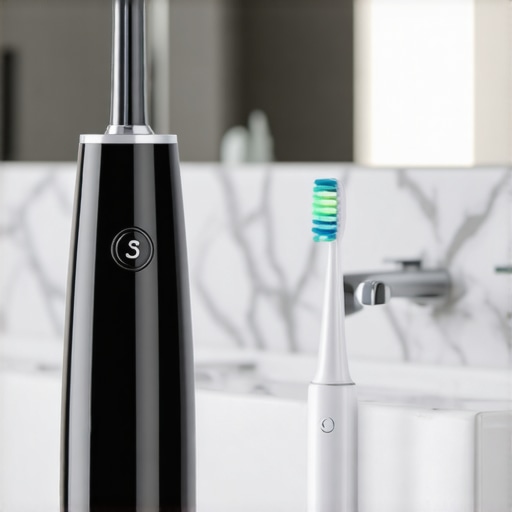
Why Your Next Toothbrush Might Be Smarter Than Your Phone
The future of oral health is moving toward ‘Bio-Feedback’ dentistry. We are already seeing the integration of AI sensors in electric toothbrushes that map the pressure and angle of every stroke in real-time. According to the Clinicians Report Foundation, led by Dr. Gordon Christensen, the next decade will likely shift toward bio-active filling materials that actually release fluoride and calcium over time to ‘heal’ the tooth from the inside out. This trend toward regenerative dentistry means we will focus less on ‘drilling and filling’ and more on ‘nurturing and regrowing.’ To stay ahead of these trends, I recommend trying one advanced tip tonight: switch to a nano-hydroxyapatite toothpaste. Unlike fluoride which creates a protective layer, hydroxyapatite is what your teeth are actually made of, allowing you to micro-repair enamel surface scratches while you sleep. It is one of those family dentistry tips that make oral care effortless and effective by working with your body’s natural remineralization cycle.
The Painful Lessons I Learned While Ignoring a Tiny Twinge
If there is one thing that 3 AM wake-up call taught me, it is that your body does not bargain. I used to think I could ‘tough out’ a sensitive tooth, but dental issues are unique in that they never simply go away on their own. The most expensive lesson I learned was that silence from your teeth doesn’t always mean safety; it often means a problem is just moving deeper into the root. I also realized that while I was obsessed with the surface look of my smile, I was completely ignoring the oral health myths debunked what you need to know in 2025, specifically the idea that ‘no pain means no problem.’ Now, I treat a slight zing during my morning coffee as an urgent message rather than an inconvenience. It is much easier to manage a tiny cavity than a full-scale infection.
The Items You’ll Find in My Personal Dental Care Kit
I have spent a small fortune testing every gadget on the market, but my current routine is surprisingly lean and effective. First, I never skip the countertop water flosser; its consistent pressure is the only thing that keeps my gums from getting inflamed. Second, I’ve swapped my standard paste for a nano-hydroxyapatite formula to keep my enamel thick and resilient. Third, I schedule my appointments religiously every six months because I’ve seen exactly how regular dental cleanings can save you money in the long run by catching issues before they require surgery. These aren’t just ‘chores’; they are my insurance policy for a good night’s sleep. Using family dentistry tips that make oral care effortless and effective has turned my routine into a five-minute habit rather than a stressful task.
#IMAGE_PLACEHOLDER_E#
Take Control of Your Sleep and Your Smile
You don’t have to wait for a midnight crisis to start taking your oral health seriously. Whether you are looking for preventive tips for long-lasting dental health for families or considering a few cosmetic dentistry innovations you cant miss this year, the best time to act is while you are currently pain-free. Your future self—the one sleeping soundly at 3 AM—will thank you for the effort you put in today. If you have been putting off a check-up because of anxiety or a busy schedule, remember that the dentist’s chair is far more comfortable when you’re there by choice rather than by emergency. If you’re ready to get ahead of the curve, feel free to contact us and let’s get a plan in place. What is the biggest hurdle that keeps you from maintaining a consistent dental routine? Let me know in the comments below.