
I was cleaning out my bathroom drawer last Sunday when I found it—a dusty, plastic case that smelled faintly of peppermint and neglect. My old retainer. I hadn’t worn it in three years. Out of curiosity, I tried to pop it back in, but it wouldn’t even clear the tips of my molars. I looked in the mirror and realized my once-perfect smile was making a slow, determined break for its original, crooked positions. It’s a gut-wrenching feeling knowing you might have wasted years of orthodontic work because you got lazy with a piece of plastic. I made the classic mistake of thinking that once my braces were off, I was ‘cured’ for life.
Your Teeth Have a Memory You Won’t Like
If you’re reading this, you probably noticed a tiny gap opening up or a slight overlap where things used to be flush. I’ve been there, and I’m telling you now: don’t panic, but don’t ignore it either. When we finish treatment, we think our teeth are ‘set,’ but the truth is that teeth are held in place by periodontal ligaments that have a nasty habit of wanting to snap back like a rubber band. This phenomenon is why even the best cosmetic dentistry results can fade without maintenance. Today, I’m going to walk you through exactly how to halt that shifting in its tracks and why your mouth is trying to rebel against your dentist’s hard work.
Can you really stop the movement without getting braces again?
The biggest fear I hear from friends is that they’ll have to go back to ‘metal mouth’ days just to fix a few millimeters of movement. I made the mistake of waiting nearly a year after I noticed my front tooth tilting before I saw a professional, assuming it would just stop on its own. It didn’t. However, you don’t always need a full orthodontic reboot. Sometimes, a new, snug retainer or even a professional teeth cleaning session to check for underlying issues like gum disease can be the first step in stabilization. According to the American Association of Orthodontists, teeth continue to move throughout life, which is a surprising reality that most of us weren’t told as teenagers.
The Early Warning Signs I Ignored
I remember thinking my teeth felt ‘tight’ when I bit into a sandwich. I also noticed that flossing suddenly felt different—the string was harder to get between certain teeth. These were the sirens blaring, and I just ignored them. If you’ve noticed your wisdom teeth causing front teeth to crowd or your bite just feels ‘off,’ you need to act now. Have you ever felt that strange, subtle pressure in your jaw and realized your smile looks slightly different in photos than it did six months ago? Let me know in the comments if you are noticing those same shifts right now.
Dig That Retainer Out of the Drawer
Your first move is an obvious one that most of us avoid out of guilt: find your retainer. If it has been sitting in a drawer, you need to learn how to clean a clear retainer that has turned cloudy before you even think about putting it in your mouth. Think of your retainer like a parking brake for your teeth. Once the brake is off, the car—your smile—starts rolling down the hill. I remember a time I tried to force my old retainer back in after a long vacation. I pushed so hard I heard a sickening ‘click’ and my gums throbbed for three days. It was a mess. Don’t be like me; if it doesn’t slide on with moderate pressure, forcing it can actually cause root damage or crack your enamel. 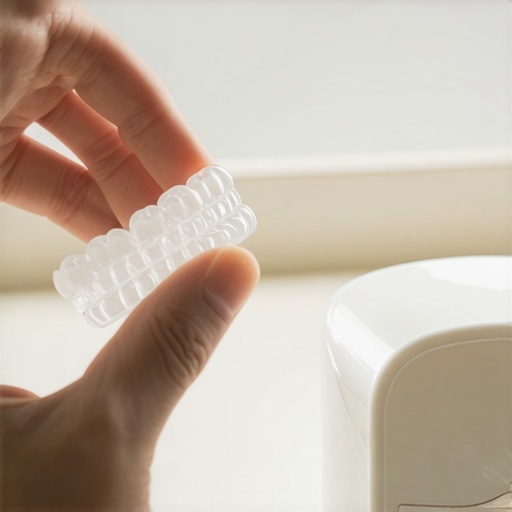
Don’t Force the Plastic if Your Teeth Refuse
If that plastic tray is fighting you, your teeth have already moved too far for a DIY fix. At this stage, your periodontal ligaments have already begun remodeling the bone around your teeth. Pushing a retainer that no longer fits is like trying to wear shoes two sizes too small; you’ll just end up with ‘blisters’ on your tooth roots. This is when you need to schedule a visit to a professional to see if a simple new mold can ‘catch’ the movement before it gets worse.
Stop Movement with a Professional Cleaning
It sounds unrelated, but plaque and tartar are the silent accomplices of shifting teeth. When tartar builds up between your teeth, it acts like a tiny wedge, slowly pushing them apart. Think of it like a weed growing in a sidewalk crack; eventually, that tiny plant is going to split the concrete. This is exactly how regular teeth cleaning can prevent major dental issues, including unwanted movement. I’ve seen cases where a thorough scaling and root planing session stopped a shifting incisor simply by removing the debris that was forcing it out of alignment.
Watch Out for Hidden Gum Inflammation
Inflamed gums are soft gums, and soft gums don’t hold teeth securely. If your gum tissue is swollen, your teeth are effectively sitting in wet cement rather than cured concrete. You might even notice why your gums turn red when you start a new medication, which can exacerbate this instability. Keeping your gums tight and healthy through flossing and professional care ensures the ‘foundation’ of your smile stays solid.
Fix Minor Tilts Without New Braces
If you’ve only experienced a millimeter or two of movement, you might not need to go back to full-blown orthodontics. We often look at contouring and veneers as a way to ‘mask’ the movement. This is essentially the ‘architectural’ approach to dental repair. Instead of moving the whole wall, we just resurface it to look straight again. I once had a client who was devastated by a tiny gap in her front teeth; instead of eighteen months of braces, we used composite bonding to close the space in forty minutes. It’s about being smart with your options rather than defaulting to the most painful or expensive route immediately.
Stop Obsessing Over the Color and Look at the Roots
Everyone thinks a bright white smile is the ultimate sign of health, but I’ve seen patients with movie-star-white teeth whose gums were practically screaming for help. In my experience, the biggest “oops” factor is assuming that if your teeth look great in a selfie, you’re in the clear. One nuance people often miss is how localized inflammation can cause one specific tooth to drift. You might notice how to stop your dental crown from smelling like old food, which is usually a sign of bacteria hiding in a gap your toothbrush can’t reach. If you ignore these tiny biological red flags, no amount of cosmetic work will stay put.
Does your saliva chemistry dictate your cavity risk?
Actually, yes. A fascinating study published in the Journal of Clinical Periodontology highlights that the pH levels and mineral content of your saliva play a massive role in how quickly plaque hardens into tartar. Some people can brush twice a day and still struggle because their biological environment is naturally more acidic or mineral-heavy. This is why I always say oral health myths busted should be your first read; it’s not just about the brush, it’s about the chemistry of your mouth. Have you ever felt like you’re doing everything right but still getting “the lecture” at the dentist? Let me know in the comments.
The Danger of Chasing a “Perfect” White Smile
Here’s the contrarian truth: many people are literally scrubbing their teeth away. I used to think the grittiest toothpaste was the best until I learned about RDA (Relative Dentin Abrasivity) values. When you use certain “whitening” products, the truth about whitening toothpaste is that it often just scratches the surface to remove stains, potentially thinning your enamel over time. 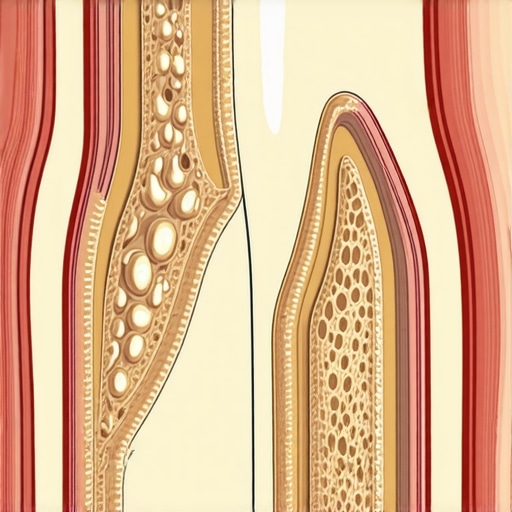 This makes your teeth more porous and, ironically, more prone to staining in the long run. Instead of abrasive DIY hacks, understanding the science behind teeth whitening shows that professional-grade gels are designed to be much gentler on the actual structure of your smile.
Ultimately, maintaining oral health isn’t about finding a single “magic” product; it’s about the boring, consistent stuff. I’ve found that learning how regular dental cleanings can save you money is the most underrated financial tip out there. Catching a slight tilt or a tiny pocket of inflammation today prevents the thousand-dollar emergency next year. Don’t wait for the pain; if you’re noticing a shift, your body is already trying to tell you something. Have you ever fallen into the trap of thinking a white smile meant a healthy one? Let me know in the comments.
Upgrade Your Home Dental Lab
I stopped treating my oral hygiene like a chore and started treating it like precision engineering. When you invest in your smile, you aren’t just paying for the procedure; you are paying for the long-term maintenance of your confidence. I’ve found that the absolute baseline for keeping your results locked in is a high-quality sonic toothbrush. I personally use one with a built-in pressure sensor because, like many people, I tend to scrub too hard when I’m in a rush. This isn’t just about convenience; a Cochrane Library systematic review confirmed that power toothbrushes, particularly those with oscillating-rotating technology, show a statistically significant reduction in plaque and gingivitis compared to manual brushing over both the short and long term. By mastering the ultimate guide to teeth cleaning techniques, you turn a three-minute habit into a professional-grade defense system. 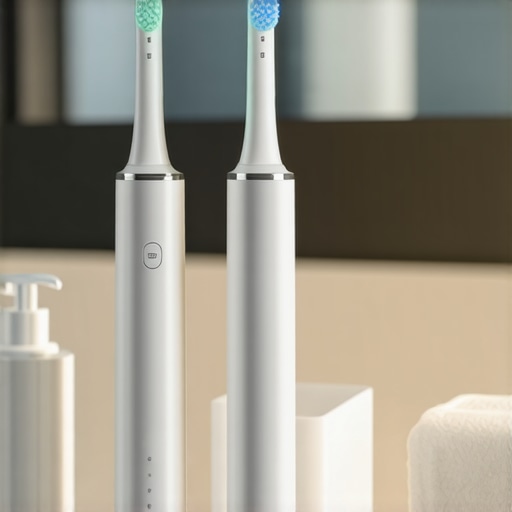
The Irrigation Tool You Are Probably Skipping
Most people think a water flosser is a luxury, but I consider it a requirement for anyone who has had orthodontic work or veneers. I use mine every night, not as a replacement for string floss, but as a way to irrigate the periodontal pockets that a brush simply cannot reach. This is especially vital if you have permanent retainers, where traditional flossing is a nightmare. Following family dentistry tips that make oral care effortless can help you integrate these tools without feeling overwhelmed. I also make it a point to learn the best way to keep your bathroom toothbrush clean because there is no point in using a high-tech tool if it’s a breeding ground for the very bacteria you’re trying to eliminate.
How do I maintain these results for the next decade?
Longevity is a game of consistency and monitoring. You need to become an expert on your own mouth. Every morning, I do a quick ‘fit check’ with my clear retainers. If they feel even slightly tight, I know my teeth are trying to migrate, and I wear them for an extra few hours that day. This proactive approach is the core of maintaining oral health. If you stay on top of the small shifts, you’ll never have to worry about a massive, expensive correction later. I also keep an eye on cosmetic dentistry innovations you can’t miss this year to see if there are better, less invasive ways to protect my enamel as I age.
The Future of Your Bathroom Mirror
Looking ahead, I predict we are less than five years away from the ‘Smart Mirror’ becoming a standard dental tool. We are already seeing cosmetic dentistry trends shifting toward AI-integrated diagnostics. Imagine a toothbrush with a tiny camera that syncs to your phone, highlighting exactly where you missed a spot or where your gums look slightly inflamed before you even feel it. This kind of real-time data will eventually make how regular teeth cleaning can prevent major dental issues even more effective because your dentist will have a 365-day log of your oral health. My advice? Don’t wait for the tech to catch up. Grab a high-quality water flosser today and commit to using it for thirty days—you will be shocked at how much firmer and pinker your gums feel by next month.
The One Truth About Your Smile That No One Told You at Sixteen
I used to think that orthodontic treatment had an ‘end date,’ but the reality is that your teeth are in a state of constant flux. One thing I learned too late is that your jaw actually narrows as you age, which forces front teeth to crowd naturally—even if you never had braces. This is why many adults see shifts regardless of their history. If you’ve ever felt like your smile is narrowing, check out these oral health myths debunked to see how aging really affects your bite. Teeth aren’t fixed in bone like nails in a board; they are constantly being pushed by your tongue and pulled by your lips. Recognizing this lifelong movement is the first step toward preventing a total relapse.
The Small Tools I Use to Keep My Teeth from Drifting
To keep my teeth from reverting to their old ways, I’ve curated a small but effective toolkit that I swear by. First, I keep my retainers pristine; knowing how to clean a clear retainer that has turned cloudy is vital so you don’t skip wearing it out of simple hygiene concerns. I also rely on the top 5 secrets to maintaining perfect oral health as a family to stay consistent with my nightly routine. Finally, I never skip my professional visits because how regular dental cleanings can save you money is the best financial advice I can give you—preventing one minor tooth shift today saves thousands in future orthodontic correction costs.
Your Smile Deserves the Same Respect as a New Car
Your teeth aren’t just tools for eating; they are a massive part of your self-image and overall confidence. It can be incredibly frustrating to see movement after you’ve invested years of time and significant money, but enhancing confidence with cosmetic dentistry is always an option if things have already moved too far. Take the first step toward stabilization tonight—put that retainer in, schedule your next cleaning, and stop the drift before it starts. Your future self will thank you for the five minutes of effort you put in today. Have you noticed your teeth moving even though you were promised they’d stay put for life? Let me know in the comments below.