
It was 11:30 PM, the lights were out, and I was halfway to dreamland when a sudden, sharp sting jolted me awake. It felt like a tiny, metallic assassin had taken up residence against my inner cheek. A loose orthodontic wire had decided to stage a late-night rebellion, poking directly into the most sensitive tissue in my mouth. I spent the next twenty minutes frantically patting down the bathroom counter for that translucent cube of wax I hadn’t seen in weeks. We’ve all been there—that moment of pure, localized irritation that makes you want to rip the hardware right out of your head. Whether you are dealing with traditional metal brackets or more modern alignment systems found in today’s cosmetic dentistry trends, hardware hiccups are part of the journey. But in that moment of pain, it doesn’t feel like a ‘journey’; it feels like a puncture wound. I remember my first big mistake: trying to ‘fix’ it with a pair of craft scissors. Not only did I dull the scissors, but I also created a jagged edge that was ten times worse. That is why I want to help you avoid my rookie errors and show you exactly how to handle this with the grace of a pro. Have you ever found yourself digging through your drawers at midnight looking for that tiny cube of orthodontic wax?
Tame the Wire Before Your Cheek Becomes a Pincushion
Keeping a level head is the first step toward saving your sanity. I’ve learned through trial and error that most of these situations aren’t emergencies, even if they feel like one when you’re trying to eat a sandwich. In our household, we’ve made family dentistry a priority, which means I’ve seen my fair share of kids crying over a sharp bracket. The goal is to create a smooth barrier so your mouth has time to heal. If the wire has simply slid out of the back tube, you might be able to guide it back with a sterilized pair of tweezers, but usually, a ‘poker’ is the result of the wire shifting or a bracket coming loose. This is where how to handle a broken wire on your braces at home becomes an essential skill. You aren’t just managing pain; you are protecting your oral health by preventing open sores that can harbor bacteria.
Will a Loose Wire Ruin My Treatment Progress?
This is the biggest fear I hear from fellow ‘brace-faces.’ We worry that if the wire isn’t perfectly tensioned for twelve hours, our teeth will immediately sprint back to where they started. Breathe easy—they won’t. According to the American Association of Orthodontists (AAO), loose or poking wires are among the most frequent non-urgent issues reported by patients, and they rarely impact the long-term timeline of your smile. It is a mechanical hiccup, not a clinical failure. However, ignoring the poke and just ‘toughing it out’ is a bad move. Persistent irritation can lead to thick scar tissue or infections that make your next teeth cleaning session much more sensitive than it needs to be. I once ignored a poke for three days, and by the time I saw my dentist, I had a mouth ulcer so large I could barely talk. Trust me, being proactive with a bit of wax and some salt water rinses is the ‘Helpful Neighbor’ advice you need to take to heart.
You don’t need a degree to manage a rebellious wire, but you do need the right kit. Think of your bathroom mirror as your operating theater. To get started, you will want a pair of sterilized tweezers, a clean pencil with a fresh eraser, a pair of small nail clippers wiped down with alcohol, and your orthodontic wax. When you are following family dentistry tips that make oral care effortless and effective, you learn that preparation is half the battle. If you can’t see what you’re doing, use your phone’s flashlight to get a clear view of the back molars.
Dry the Surface First or Your Wax Will Fall Off
This is the step everyone misses. Orthodontic wax is hydrophobic—if the bracket or wire is wet with saliva, the wax will just slide around like a hockey puck on ice. I once spent thirty minutes trying to get a glob of wax to stay on my back molar while watching a movie. It kept falling off every time I swallowed. Eventually, I grabbed a cotton swab, dried the area thoroughly, and the wax stuck instantly. It is a simple mechanical rule: moisture ruins the bond. Once the area is bone-dry, roll a pea-sized amount of wax between your fingers to warm it up, then press it firmly over the offending sharp edge. This creates a bumper that allows your cheek to recover, much like the best way to soothe your gums after a professional deep cleaning involves reducing friction and irritation.
The Pencil Eraser Maneuver for Wayward Wires
Sometimes the wire hasn’t broken; it has just migrated. Because the wire is flexible, it can slide through the brackets toward one side of your mouth. If you see a long tail poking you in the back, look at the opposite side—is the wire still tucked into the last bracket? If it is, you can often use the eraser end of a pencil to gently nudge the wire back into a comfortable position. The rubber provides just enough grip to move the metal without scratching your enamel. It is a bit like guiding a train back onto its tracks. When we talk about the best way to clean your teeth if you have permanent metal braces, we emphasize being gentle yet firm, and this maneuver follows that same philosophy.
When Snapping the Wire is Your Absolute Last Resort
If the wire is truly long and the wax isn’t staying, you might have to trim it. This is the high-stakes move. You must be extremely careful not to swallow the piece you clip off. I always suggest stuffing a piece of folded gauze or a paper towel behind the wire before you snip. This catches the fragment. Use a pair of sharp nail clippers and make one clean cut as close to the bracket as possible. This isn’t just about comfort; it is about preventive tips for long-lasting dental health for families—preventing a jagged wire from causing an infection that could derail your progress.
Rinse Away the Irritation to Speed Up Healing
Once the mechanical problem is solved, you have to deal with the biological one: the raw spot on your cheek. A warm salt water rinse is your best friend here. It is an old-school remedy that still beats fancy mouthwashes for soothing open sores. Mix half a teaspoon of salt in a glass of warm water and swish for thirty seconds. This helps keep the area clean and reduces inflammation. If you are already familiar with how to handle a broken wire on your braces at home, you know that the repair is only half finished until the soft tissue starts to feel normal again.
While we’re talking about fixing wires, I have to address a common myth: the idea that a perfectly straight smile is the only metric of success. I’ve seen people prioritize the ‘look’ of their teeth so much that they ignore the underlying foundation. A contrarian take? You don’t actually need ‘perfectly’ white teeth to be healthy. In fact, many people fall into the trap of over-whitening. Everyone says a brighter smile is a better smile, but in my experience, chasing a Hollywood shade can lead to ‘translucency’—where the tooth starts to look grey because the enamel is too thin. This is a massive ‘oops’ factor I see in modern cosmetic dentistry trends.  Another subtle mistake is the ‘scrubbing’ mentality. If you are using a hard-bristled brush or abrasive pastes to get that ‘squeaky clean’ feeling, you’re likely doing more harm than good. I’ve learned that oral health myths debunked often reveal that aggressive hygiene is as destructive as neglect. According to a study in the Journal of Clinical Periodontology, excessive force during brushing is a primary driver of non-carious cervical lesions—basically, you’re scrubbing the tooth away at the gum line.
Can You Actually Over-Clean Your Way Into a Cavity?
Surprisingly, yes. If you are constantly rinsing with acidic mouthwashes or using whitening toothpaste that relies on heavy abrasives, you are essentially sandblasting your protective barrier. When we discuss family dentistry, we teach parents that it’s about the quality of the biofilm removal, not the intensity of the friction. If you’ve ever noticed why your teeth hurt when you take a bite of ice cream, it might not be a cavity; it might be that you’ve scrubbed your enamel too thin. The hidden nuance here is that some people are more prone to cavities regardless of hygiene because of their unique oral microbiome. It’s not always a failure of will. It’s about managing the specific environment of your mouth. Have you ever fallen into the trap of thinking ‘harder is better’ when it comes to cleaning? Let me know in the comments. We should be aiming for a ‘gentle’ approach, like the best practices for sensitive gums, which ensures longevity over temporary shine.
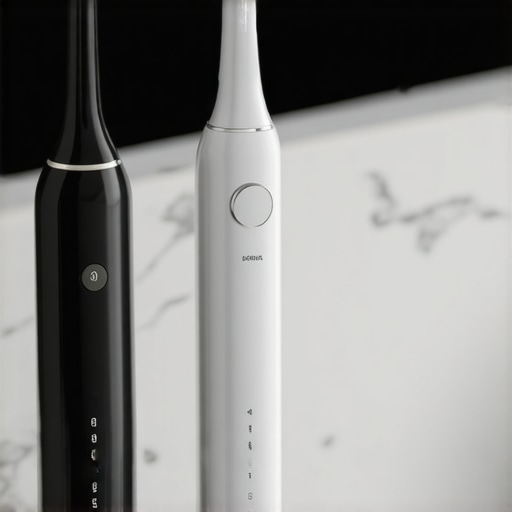
I used to think that a manual brush and a bit of string were enough to keep my smile intact, but my dentist quickly corrected that misconception. If you want to move beyond basic maintenance and into the realm of true oral longevity, you need to think like a professional. I personally swear by the Philips Sonicare ProtectiveClean series. Why? Because it has a pressure sensor that pulses when I’m being too aggressive. As someone who used to scrub their gums into oblivion, this feedback loop is the only thing that saved my enamel from the oral health myths debunked in recent years. It’s not just about the vibration; it’s about the mechanical precision that protects your gum line from recession.
The Water Flosser That Replaced My String Habit
For years, I treated flossing like a chore I could skip, but once I saw the debris a Waterpik Aquarius could dislodge even after brushing, I was hooked. I use it on the ‘massage’ setting to stimulate blood flow in my gums, which is one of the top 5 secrets to maintaining perfect oral health as a family. It is particularly effective if you have tight spacing or if you are worried about why your wisdom teeth might be causing your front teeth to crowd. A study published in the Journal of Clinical Dentistry found that water flossing was 29% more effective than traditional string floss for plaque removal. It makes the process effortless rather than a struggle with a piece of waxed string.
Don’t Forget the Tongue Scraper for Fresh Breath
If you aren’t using a stainless steel tongue scraper, you are leaving half the bacteria behind. I started using one every morning, and the difference in my morning breath was night and day. It’s a simple tool, but it prevents the sulfur-producing bacteria from migrating back onto your teeth and gums. This is a foundational part of maintaining oral health over decades, not just days. When you combine this with best practices for sensitive gums, you create an environment where bad bacteria simply cannot thrive.
How do I maintain my dental results without spending a fortune?
The secret to scaling your results without breaking the bank is consistency and preventive technology. I’ve shifted my focus toward high-quality fluoride or hydroxyapatite toothpastes that actually remineralize the surface. Looking forward, I predict that cosmetic dentistry innovations you can’t miss this year will eventually include AI-integrated toothbrushes that send a weekly health report to your dentist’s office. This kind of proactive monitoring will make how regular teeth cleaning can prevent major dental issues much more effective because we will catch problems before they even cause a twinge of pain. I highly recommend investing in a high-quality electric brush today; it is the single best way to ensure your preventive tips for long-lasting dental health for families actually stick.
The Hardest Lessons I Learned Under the Bathroom Light
Reflecting on my years of managing hardware and hygiene, I’ve realized that the biggest lightbulb moment wasn’t learning how to clip a wire; it was realizing that perfection is a moving target. I used to panic at every minor shift, but now I know that resilience is the key to a great result. First, I learned that consistency always beats intensity. You can’t scrub away a week of neglect in one ten-minute session without causing damage. Second, I discovered that oral health myths busted by experts often point to the fact that we are our own worst enemies when we over-clean. Finally, I accepted that my dental team is a partner, not a judge. Being honest about a broken wire or a skipped flossing night gets you much further than pretending everything is perfect.
My Non-Negotiable Tools for a Worry-Free Smile
If I had to rebuild my dental kit from scratch today, I would focus on three specific items that have transformed my routine. I swear by a stainless steel tongue scraper because it tackles the source of bad breath in seconds—something a toothbrush alone just can’t do. I also recommend keeping a dedicated emergency pouch with pre-cut orthodontic wax and medical-grade tweezers, which is one of those teeth cleaning secrets for staying comfortable on the go. Lastly, I trust the ADA MouthHealthy database for any quick questions; it is the gold standard for evidence-based advice. Using these tools helps you move from reactive panic to proactive care, ensuring how regular dental cleanings can save you money in the long run by preventing major repairs.
#IMAGE_PLACEHOLDER_E#
Your Roadmap to a Lifetime of Confidence
Managing the occasional rebellious wire or sensitive gum line is all part of the process of enhancing confidence with cosmetic dentistry. Don’t let a minor setback like a poking bracket discourage you from your ultimate goal. Every time you choose a gentle cleaning method or reach for your wax instead of a pair of craft scissors, you are investing in a version of yourself that smiles without hesitation. Your oral health is a lifelong project, and you now have the insider skills to handle the bumps in the road with total grace. Have you ever had a late-night dental emergency that turned out to be an easy fix? Let me know your stories in the comments below!