
I’ll never forget the sound of my father’s partial denture snapping right in the middle of our Sunday roast. One minute he was laughing, and the next, he was clutching his jaw, staring at two pieces of jagged pink acrylic in his palm. Being the “handy” neighbor who thinks he can fix anything with a bit of elbow grease, I immediately reached for a tube of industrial-strength super glue. I thought I was being a hero, saving him a trip to the clinic and a hefty bill. Boy, was I wrong. I didn’t just fail to fix it; I almost ruined his prosthetic permanently and gave him a nasty chemical burn to boot. That moment of panic is a trap we all fall into, but that little blue tube is a shortcut that leads straight to a dental disaster. Today, I’m going to explain why super glue is the enemy of your oral health and what you should actually do when your smile literally falls apart. [IMAGE_PLACEHOLDER]
Household Glue is for Models, Not Your Oral Tissues
The temptation is real. You have a social event, a meeting, or just want to eat your dinner, and the gap in your smile feels like a canyon. But here is the reality: super glue was never designed to exist in a warm, wet environment like your mouth. I learned the hard way that the advice on why you should never use superglue to fix a broken crown at home applies even more strictly to dentures. The chemicals in these adhesives, specifically cyanoacrylates, are incredibly harsh. When they come into contact with your gums, they can cause “contact dermatitis” or painful chemical burns that take weeks to heal.
Is a tiny drop really that dangerous?
Yes, it absolutely is. Beyond the toxicity, super glue is brittle. It won’t hold up to the pressure of chewing, and worse, it’s water-soluble over time in saliva. According to the American Dental Association (ADA), using non-dental adhesives can lead to the ingestion of toxic chemicals and cause irreversible damage to the denture material itself. Once you slather that glue on the break, a professional lab can’t always remove it. You might turn a simple $100 repair into a $2,000 replacement. If you are already struggling with how to stop your dentures from causing sores on the roof of your mouth, adding toxic chemicals to the mix will only make your life miserable.
The Porous Nature of Your Smile
Most people think dentures are as solid as a rock. They aren’t. They are made of a porous acrylic that absorbs moisture. When you apply household glue, it seeps into those pores. It’s not just a surface fix; you’re fundamentally changing the chemistry of the device. This is one of those oral health myths debunked that I wish I had known years ago. Proper care is about more than just maintaining oral health expert advice for a lifetime of healthy teeth; it’s about respecting the engineering of your prosthetics. Have you ever been tempted to “MacGyver” a dental fix with whatever was in your kitchen drawer? I’d love to hear your stories—or your close calls—in the comments below!
Immediate Damage Control for Your Denture
When the snap happens, your first instinct is to panic. Stop. Think of your broken denture like a cracked smartphone screen; if you keep poking at it, you will only make the cracks spread. The very first thing you must do is remove all the pieces from your mouth immediately. I once tried to “test” a crack by biting down on it, and I ended up snapping a clean break into four jagged shards. It was a mess. Once the pieces are out, rinse them in lukewarm water to remove any food debris or saliva. Avoid hot water at all costs, as it can warp the acrylic and make a professional repair impossible.
Store the Pieces in a Safe Container
Treat those fragments like diamonds. If you lose even a tiny sliver of the pink acrylic, the dentist might not be able to fuse the pieces back together perfectly. Place everything in a hard-sided container, like a tupperware or a clean pill bottle. Don’t just wrap them in a tissue; I’ve seen patients accidentally throw their teeth in the trash because they looked like a crumpled napkin. If you have a partial and you’re worried about the remaining teeth, remember that how regular dental cleanings can save you money in the long run by keeping your natural pillars strong enough to support your prosthetic. 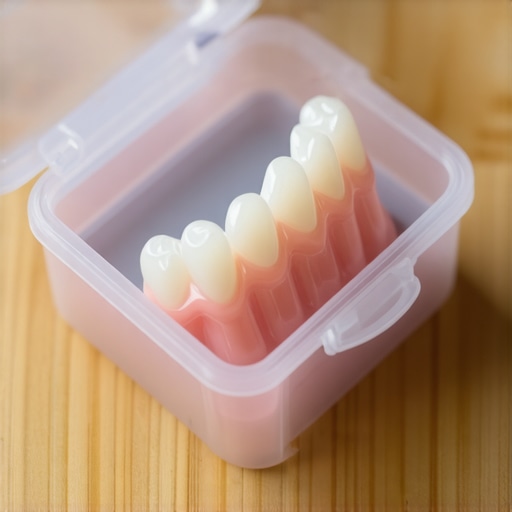
How to Get Through the Day Safely
If you’re in the middle of a trip or far from your clinic, you might feel desperate. You can find “Denture Repair Kits” at most pharmacies. These are essentially dental-grade resins that are safer than super glue, but they are still only a band-aid. Think of them like a spare tire on a car—you can’t drive 80mph on the highway with it forever. If it’s a crown that’s the issue rather than a full plate, you might wonder why your dental crown feels loose after eating sticky candy; the same rules apply. Never force it back on.
Temporary Pharmacy Kits as a Stopgap
Only use an over-the-counter kit if you absolutely cannot see a dentist within 24 hours. These kits usually involve a liquid and a powder you mix together. It’s a finicky process. When I helped a friend with one of these, we realized that if you do not line the edges up perfectly on the first try, the resin hardens and you are stuck with a crooked bite. This leads to the same issues as the hidden reason your dental bridge feels loose when you chew bread, where a misaligned fit causes discomfort and further damage.
Contact Your Dentist for a Professional Relining
Ultimately, the only way to truly fix the issue is through a professional lab. They use high-heat curing processes that domestic kits simply cannot replicate. If the break is clean, they can often have it back to you in a few hours. In cases where the damage is too severe, you might need to discuss how to fix a chipped front tooth without a full crown or other restorative options to ensure your bite remains functional and your jaw stays healthy.While it’s easy to think that a deep clean requires some serious elbow grease, one of the biggest mistakes I see people make is treating their dentures or crowns like they’re scrubbing a kitchen tile. You might think you’re being thorough, but you’re likely creating microscopic scratches that act as a playground for bacteria. In my experience, that squeaky clean feeling is often a sign that you’ve stripped away the protective glaze or factory polish. This is why maintaining oral health expert advice for a lifetime of healthy teeth emphasizes technique over raw force.
Stop Scouring Your Smile with Abrasives
Here’s a contrarian take: most whitening toothpastes are the worst thing you can put on a prosthetic or even sensitive natural teeth. They contain high levels of silica—basically industrial sand—that act like sandpaper on your acrylic and enamel. A study published in the Journal of Prosthodontic Research highlights that increased surface roughness on dental materials directly correlates with higher rates of Candida albicans yeast colonization. By trying to scrub away coffee stains with a hard-bristled brush, you are literally creating a more hospitable home for fungus. If you are noticing why your dentures are suddenly making your gums sore, it might not be a fit issue; it might be the microscopic sandpaper effect you’ve created. 
The Bleach Trap and the Fragility of Resin
One oops factor that catches even the most diligent patients is the use of household bleach. People think it’s the ultimate disinfectant, but bleach is a powerful oxidizer that turns beautiful gum-pink acrylic into a ghostly, brittle white. It’s a classic example of oral health myths debunked. Instead of reaching for the laundry chemicals, look into gentle teeth cleaning best practices for sensitive gums to keep your mouth healthy without the chemical warfare. Bleach doesn’t just change the color; it leaches out the plasticizers that make the denture slightly flexible, making it far more likely to snap during your next meal.
Does the temperature of your soak really matter?
Actually, it is everything. I have talked to many people who use boiling water to sterilize their partials, only to find the metal clasps no longer line up with their natural teeth. Heat warps the resin base irrevocably. It’s the same logic behind the ultimate guide to teeth cleaning techniques and benefits—consistency and the right chemistry beat raw power every time. Have you ever tried a ‘hack’ you saw online that ended up backfiring? I’d love to hear about it in the comments below! If you are worried your DIY cleaning or home repair has already done damage, it is never too late to contact us for a professional assessment and restoration.Instead of relying on harsh chemicals that degrade your dental work, I’ve found that investing in a few specific pieces of tech can change everything. For years, I struggled with keeping my nightguard fresh until I discovered the power of a professional-grade ultrasonic cleaner. I’m talking about a small tank that uses 42,000Hz sound waves to create millions of microscopic bubbles. These bubbles implode against the surface of your denture or retainer, vibrating away debris that a toothbrush simply cannot reach. According to research led by Dr. Gordon Christensen of Clinicians Report, ultrasonic cleaning is significantly more effective at biofilm removal than manual brushing, and it does so without the ‘sandpaper effect’ of abrasive pastes. If you are currently wondering how to clean a nightguard so it doesnt smell like old socks, this is the single best investment you can make. 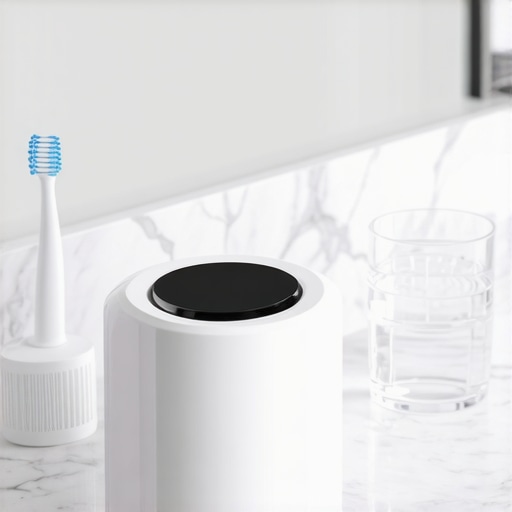
Ditch the Scrubbing for a Smarter Soak
When it comes to the chemistry of your soak, I’ve moved away from the generic supermarket tablets that often contain persulfates—a known allergen for many. Instead, I personally recommend using a high-quality pH-neutral cleanser specifically formulated for dental resins. This prevents the clouding that happens when you use too much force. I’ve seen so many people ask how to clean a clear retainer that has turned cloudy, and the answer is usually that they used a ‘hack’ involving vinegar or harsh soaps that stripped the finish. By switching to a gentle, targeted soak, you are following preventive tips for long lasting dental health for families that save you from replacing expensive appliances every few years.
How do I keep my dental work looking brand new for a decade?
The secret isn’t just what you do at home; it’s the synergy between your tools and professional oversight. I maintain my results by using a water flosser on the lowest setting to navigate around bridges and implants. This is far more effective than traditional floss which can catch on the edges of prosthetics. If you have permanent work, knowing the best way to clean your teeth if you have permanent metal braces or bridges ensures that the underlying gum tissue stays healthy. Remember, the secret to making your dental implants last for decades is preventing the localized inflammation that comes from trapped food particles.
The Future is Printed in Resin
I predict that within the next five years, we will see the end of the ‘broken denture’ emergency entirely. We are moving toward a ‘Digital Twin’ model where your dentist keeps a high-resolution 3D scan of your prosthetic on file. If you ever snap a plate, you won’t need to panic or reach for the glue; a new, identical one will be 3D-printed and ready for pickup before the day is over. This shift is already starting with cosmetic dentistry innovations you cant miss this year. For now, stop the DIY repairs and focus on gentle teeth cleaning best practices for sensitive gums. I encourage you to try this advanced tip: swap your hard toothbrush for a dedicated soft-bristled denture brush and a non-abrasive gel today—your gums (and your wallet) will thank you. If you’ve already noticed wear and tear, don’t wait for a snap; how regular dental cleanings can save you money in the long run starts with a simple check-up.
Why My Failed Heroics Taught Me More Than Dental School
Reflecting on that disastrous Sunday roast with my father, I’ve realized that patience is the most valuable tool in your dental kit. When we rush into a DIY fix, we aren’t just trying to save money; we’re often acting out of social anxiety or fear of the dentist’s chair. However, the chemistry of your mouth is an unforgiving environment. One major takeaway is that saliva acts as a solvent; it eventually breaks down any non-dental adhesive, leading to the potential ingestion of toxins. Another ‘lightbulb moment’ for me was realizing that oral health myths debunked aren’t just trivia—they represent the thin line between a $100 repair and a $2,000 replacement. Lastly, never underestimate the power of a professional reline; the way your prosthetic interacts with your jawbone is a delicate dance of engineering that household glue simply cannot replicate.
Must-Have Gear to Protect Your Prosthetic Investment
If you want to avoid the panic of a snap, you need to upgrade your home care routine beyond the basic toothbrush. I personally trust these specific tools to ensure the longevity of any dental appliance:
- Ultrasonic Cleaners: These devices use high-frequency sound waves to blast away biofilm without abrasion. It is the gold standard for hygiene.
- pH-Neutral Cleansers: Avoid harsh supermarket tablets that cause clouding. Specialized solutions maintain the integrity of the acrylic.
- Water Flossers: Essential for navigating around bridges and implants, making family dentistry tips that make oral care effortless and effective a reality.
- Denture-Specific Brushes: Standard brushes are often too stiff, creating microscopic scratches that trap bacteria.
#IMAGE_PLACE_HOLDER_E#
Take the First Step Toward Permanent Peace of Mind
Whether you are dealing with a small crack or just want to ensure your current smile stays intact, remember that professional guidance is irreplaceable. Modern dentistry is evolving rapidly, and cosmetic dentistry innovations you cant miss this year are making repairs faster and more durable than we ever imagined. By following maintaining oral health expert advice for a lifetime of healthy teeth, you aren’t just fixing a prosthetic; you’re preserving your confidence and your long-term wellness. Don’t let a moment of panic lead to a long-term oral health disaster. Keep your tools clean, your check-ups regular, and your super glue in the garage where it belongs. Have you ever been tempted to try a ‘quick fix’ on your teeth at home, or did you decide to call the professional instead? I’d love to hear your experiences in the comments below!