
I was three bites into a sourdough sandwich when I heard it: a sharp, porcelain clink against my molar. That heart-sinking feeling when you realize your crown has just vacated its premises is universal. In that moment of pure panic, I looked at the little white cap in my hand, then at the clock—it was 6:30 PM on a Friday. My first instinct? The junk drawer. I actually reached for a tube of superglue, thinking I could just ‘tack it back on’ for the weekend. Thank goodness my rational brain kicked in before I made a mistake that would have cost me thousands of dollars and a whole lot of physical pain. Today, I want to share exactly why that tiny tube of adhesive is your mouth’s worst enemy and how you can protect your oral health when a dental emergency strikes. Have you ever been tempted to DIY a dental repair when a crown popped out at the worst possible time?
Industrial Glue is a Toxic Nightmare for Your Mouth
Superglue is amazing for fixing a broken ceramic lamp, but it is essentially a chemical cocktail never intended for human tissue. When you apply it to a tooth, you aren’t just ‘fixing’ a gap; you are introducing harsh cyanoacrylates to your bloodstream through the porous layers of your teeth. Years ago, I saw a friend try a similar shortcut with a loose filling, and they ended up with a chemical burn that took weeks to heal. We often see these oral health myths debunked in the dental chair, but the ‘superglue fix’ is one of the most persistent and dangerous. Beyond the toxicity, the bond is permanent in all the wrong ways. If you misalign the crown by even a fraction of a millimeter, your bite will be off, leading to excruciating jaw pain and potentially cracking the opposing tooth.
Is it really that much worse than dental cement?
You might think the stuff dentists use is just high-end glue, but the difference is life and death for your tooth. Professional cements are designed to be biocompatible and, more importantly, removable if a problem develops underneath. According to the American Dental Association, using non-medical adhesives can trap bacteria inside the tooth, leading to rapid decay and abscesses. If you seal a crown with superglue, you might prevent your dentist from being able to stop your dental crown from smelling like bacteria because they can’t get the cap off without shattering the tooth structure underneath. This turns a simple re-cementing appointment into a complex family dentistry emergency involving root canals or extractions. It is a classic case of a five-dollar fix creating a five-thousand-dollar problem. Even if you are diligent about your regular teeth cleaning, one moment of DIY desperation can undo years of careful maintenance.
Secure the Crown and Protect Your Exposed Tooth
When that porcelain cap pops off, your tooth is suddenly as vulnerable as a house without a roof during a storm. The very first thing you need to do is find the crown. If it’s still in your mouth, spit it out carefully—swallowing it turns a simple repair into a medical waiting game. Once you have it, rinse it under lukewarm water. Avoid hot or ice-cold water because your exposed tooth ‘stump’ is likely hypersensitive. I remember dropping my crown into a bowl of chili at a diner; I had to fish it out with a spoon and clean it in the restroom sink with just water and a tiny bit of soap. It felt ridiculous, but keeping that crown clean is the first step toward maintaining oral health and ensuring your dentist can actually reuse it.
The Best Way to Clean the Surface Before Recementing
Before you try any temporary fix, you must clean both the crown and the tooth. Use a soft toothbrush—the kind you’d use for gentle teeth cleaning—to clear away old cement or food debris. Think of it like prepping a wall for a new coat of paint; if the surface is oily or dirty, nothing will stick. Be careful with the exposed tooth; it’s basically raw dentin. If it hurts to touch, you can gently cover it with a piece of sugar-free gum or a dab of orthodontic wax until you get to the store. 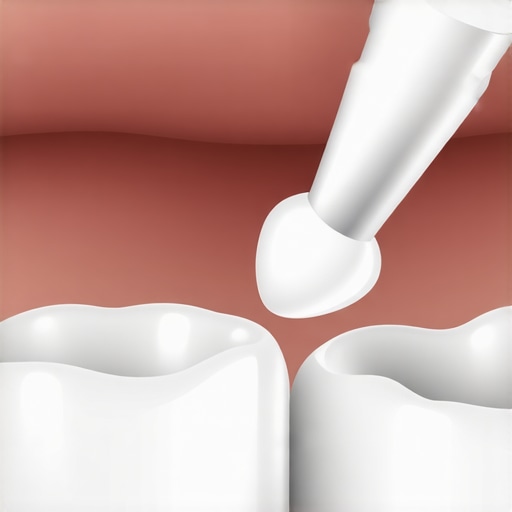
Pick Up an Over-the-Counter Repair Kit Immediately
Instead of reaching for the toolbox, head to the nearest pharmacy. Look for a temporary dental cement kit. These products are essentially the ‘lite’ version of what we use in family dentistry. They are Zinc Oxide based, which actually has a soothing effect on the nerve. To apply it, put a tiny amount inside the crown and bite down very gently. The goal isn’t a permanent bond; it’s a seal to keep bacteria out. If you notice a weird odor when you remove the old cement, it might be a sign of a deeper issue, which is why it’s vital to learn how to stop your dental crown from smelling by addressing the bacteria buildup professionally.
Why You Can’t Skip the Professional Appointment
A temporary fix is exactly that—temporary. These cements usually only last 48 to 72 hours. If you wait too long, the teeth on either side of the gap can actually start to shift, making it impossible to fit the original crown back in. This is where cosmetic dentistry becomes much more expensive, as you might need a whole new crown or even orthodontic work to correct the shift. Even if it feels ‘fine,’ there could be microscopic decay that caused the crown to fail in the first place. Use this time to contact us or your local provider to get a permanent solution. This isn’t just about the crown; it’s about making sure your bite remains aligned so you don’t end up wondering why your jaw pops every time you open wide due to a misaligned ‘temporary’ repair.While a temporary kit saves your weekend, the real nuance lies in why that crown failed to begin with. Most people assume the adhesive just gave up, but as an expert, I can tell you that a crown popping off is frequently a symptom of structural changes or aggressive hygiene habits you might not even realize you have. I often encounter patients who believe that ‘whiter’ always means ‘healthier,’ but even the most stunning cosmetic dentistry results are actually quite fragile if the foundation is compromised by over-zealous cleaning.
Aggressive scrubbing does more harm than good
It sounds counterintuitive, but you can actually brush your way into a dental emergency. Many people think that if they use a firm-bristle brush and push hard, they are doing a better job than a professional regular teeth cleaning. In reality, you are likely causing ‘toothbrush abrasion.’ This mechanical wear gradually destroys the enamel near the gumline, eventually creating those wedge-shaped ‘notches’—known as abfraction lesions—that can cause a crown to lose its grip or the tooth to fracture. This is one of the most common oral health myths debunked too late for many: harder is not better, it’s just more destructive.
Why your ‘deepest’ home clean might be wrecking your enamel?
Sophisticated patients often ask if they can supplement their routine with at-home scaling. The answer is a resounding no. According to a study published in the Journal of Periodontology, over-aggressive mechanical cleaning at home is a primary contributor to gingival recession and the permanent loss of the protective cementoenamel junction. When you attempt to scrape your own teeth, you risk damaging the ‘biological width’—the specific two-millimeter buffer of soft tissue that attaches to the tooth to protect the underlying bone. Once this seal is broken, you aren’t just cleaning; you’re inviting pathogens into the roots.
The dangerous allure of DIY dental scaling kits
The biggest ‘oops’ factor I see today is the rise of metal dental toolkits sold on social media. These sharp instruments are marketed as a way to avoid the professional chair, but they are a trap for your oral health. Unlike a trained professional who uses gentle teeth cleaning techniques to navigate around the roots, an amateur is likely to gouge the dentin. This can lead to the very issues that cause crowns to fail or even cause black triangles appearing between your teeth due to tissue trauma. 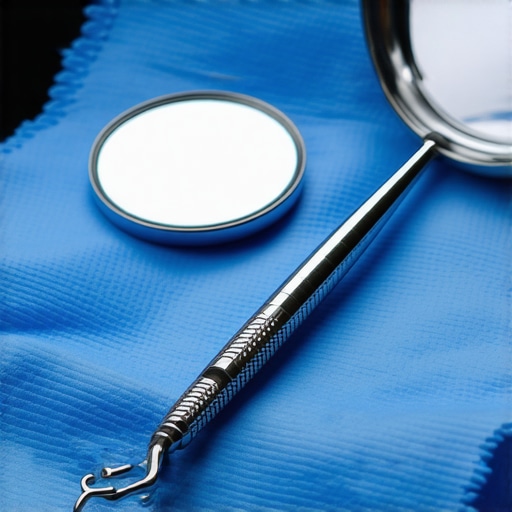 Maintaining a smile isn’t about how much force you use; it’s about the consistency of professional oversight and using the right family dentistry tips to keep things balanced without causing self-inflicted trauma. Have you ever fallen into this trap and tried to be your own dentist with a toolkit? Let me know in the comments. If you’re currently dealing with a loose crown or suspect you’ve been a bit too aggressive with your brush, please contact us so we can stabilize your smile before a small mistake turns into a major restorative procedure.If you want to move beyond the survival phase of keeping a crown in place and start focusing on longevity, we need to talk about the actual gear you are using every morning. I personally swapped my manual brush for a high-frequency sonic model years ago, and I haven’t looked back. The reason is simple: fluid dynamics. A study in the Journal of Clinical Periodontology highlights that sonic toothbrushes create ‘non-contact’ plaque removal, meaning the vibrating bristles move fluid between your teeth and under the gumline where a manual brush simply cannot reach. This is vital for anyone with bridges or crowns, as it prevents the bacterial buildup that leads to the crown-loosening decay I mentioned earlier. I also swear by the ‘back-to-front’ rule. Most people start with their front ‘social six’ teeth when they are most alert and rush through the back molars. By starting in the back, you ensure the heavy-lifters get the most attention. For those of you with kids, integrating these family dentistry tips that make oral care effortless and effective into your nightly routine is the best insurance policy against future emergencies.
How do I maintain my dental work over time?
Consistency is your best friend, but the tools change the game. I personally recommend using a high-quality water flosser for anyone who finds traditional string flossing tedious. It is a lifesaver for cleaning around those revolutionary teeth cleaning techniques for 2025 that we often see in the office. If you have a clear aligner or a night guard, you have likely noticed it gets gross over time. I use a dedicated ultrasonic cleaner—a small desktop device that uses sound waves to blast away calcified saliva. It is far more effective than just soaking it in mouthwash, and it is the secret to how to clean a clear retainer that has turned cloudy without scratching the material. #IMAGE_PLACE_HOLDER_D# The future of oral health is definitely headed toward ‘Smart Diagnostics.’ We are already seeing brushes that map your mouth in 3D and sync with apps to tell you exactly which tooth you missed. Within the next few years, I predict your toothbrush will even be able to analyze your saliva for biomarkers of inflammation before you ever feel a twinge of pain. This shift toward preventive data is exactly how regular dental cleanings can save you money in the long run by catching issues at the ‘yellow light’ phase instead of the ’emergency’ phase. One advanced tip I want you to try starting tonight is the 30-minute wait rule. If you drink coffee, wine, or anything acidic, wait at least 30 minutes before brushing. Acid softens your enamel, and if you brush immediately, you are literally scrubbing your protective layers away. To ensure your tools are actually helping and not hurting, make sure you know the best way to keep your bathroom toothbrush clean to avoid reintroducing bacteria every morning. If you are unsure if your current routine is actually protecting your dental work, contact us for a personalized evaluation.
Lessons from the Dental Chair: Why Brute Force Is Your Smile’s Enemy
It took years of seeing patients in the chair to realize that a ‘perfect’ smile isn’t about how hard you work at it, but how smart you work. I have seen stunning cosmetic dentistry work ruined by a single week of aggressive scrubbing with a hard-bristle brush. The biggest ‘lightbulb moment’ for most is understanding that your teeth aren’t solid, indestructible stones; they are living structures that respond to pressure. If you have been using a firm brush to ‘scrub’ your crowns, you are likely creating micro-tears in your gums and wearing down the bond. We often see these oral health myths busted in our office, but the most persistent one is that ‘pain equals progress.’ In dentistry, if it hurts during your routine, you are likely doing damage. Protecting a crown or a bridge is about gentle, consistent care that respects the biological seal of your gums.
Tools That Truly Support Your Long-Term Smile
If you are serious about never needing a weekend emergency fix again, I recommend upgrading your gear to focus on fluid dynamics rather than friction. I personally trust high-frequency sonic toothbrushes because they offer ‘non-contact’ plaque removal, which is vital for cleaning the tight margins where a crown meets the tooth. I also swear by water flossers for anyone who finds traditional string flossing tedious—it is one of those family dentistry tips that make oral care effortless and effective for the whole household. For my patients with night guards or aligners, a dedicated ultrasonic cleaner is a must-have to prevent buildup. These tools are the frontline defense for maintaining oral health and preventing the decay that causes crowns to pop off in the first place.
The Future of Your Smile Starts with One Small Change
Taking charge of your dental health should be a source of confidence, not anxiety. Whether you are currently recovering from a popped crown or just trying to prevent the next one, every small adjustment to your routine counts. You have the power to transform a ‘problem tooth’ into a stable, lifelong asset by simply slowing down and using the right tools. By embracing revolutionary teeth cleaning techniques for 2025, you are not just saving money on future repairs; you are preserving your ability to eat, speak, and laugh without worry. If you are ever in doubt about a loose restoration, please contact us so we can help you stay on the right track. Have you ever been tempted to use a household item to fix a dental issue? Let me know your story in the comments below!