
I remember the exact moment I thought I’d ruined my smile. It was a Tuesday evening, and I’d just “borrowed” a piece of chewy saltwater taffy from my kid’s stash. One enthusiastic bite later, and there it was: a weird, squishy thump in my molar. My dental crown, which had felt like a permanent part of my body for years, suddenly felt like it was skating on ice. I froze. I didn’t even want to swallow, fearing I’d gulp down several hundred dollars’ worth of porcelain. If you’re reading this while gently poking your crown with your tongue, wondering if it’s actually moving or if you’re just losing your mind, I’ve been exactly where you are.
That Heart-Stopping Moment Your Crown Starts to Wiggle
Let’s be honest: dental crowns are meant to be sturdy. We pay a lot for that peace of mind. But even the best family dentistry tips can’t always account for the sheer suction power of a piece of caramel or taffy. When you eat something sticky, it creates a vacuum effect that pulls upward on the crown. If the cement has even the tiniest microscopic gap, that candy is going to find it. I made the massive mistake of ignoring that “loose” feeling once, thinking it would just settle back down. Spoiler alert: it didn’t. In fact, I actually considered a DIY fix, but I quickly learned why you should never use superglue to fix a broken crown at home. Trust me, the chemicals in those glues are not meant for your mouth, and you can end up damaging the underlying tooth beyond repair. Today, I’m going to walk you through exactly why this happens, how to assess the damage without panicking, and when you absolutely must call your dentist.
Is My Crown Going to Fall Out Right Now?
This is the fear that keeps us up at night, right? You worry that the next time you yawn, your crown will go flying. While it’s possible for a crown to come off completely, often that “loose” sensation is just the seal of the cement being compromised. According to the American Dental Association, dental crowns are highly durable, but their longevity depends heavily on the integrity of the bonding agent and the forces applied during chewing. Have you ever felt that terrifying shift after a snack and wondered if you’d just bought yourself a very expensive dental bill?
The Sticky Science Behind the Slip
It’s not just about the candy being “strong.” It’s about the physics of the bond. Over time, even the most meticulous teeth cleaning techniques can’t stop the natural wear and tear of the cement underneath. When that cement ages, it becomes brittle. Add a high-viscosity substance like candy, and you’re basically using a plunger on your tooth. Sometimes, the crown isn’t even truly loose; you might just be feeling the pressure of the candy temporarily trapped in the margins. However, if the sensation persists, it’s a sign that bacteria could be creeping in. Taking preventive tips for long-lasting dental health seriously means catching these small shifts before they turn into full-blown failures. We want to save the tooth, not just the porcelain cap.
Stop Fiddling and Start Assessing the Damage
First things first: stop poking it. Your tongue is a surprisingly strong muscle, and if that crown is truly hanging by a thread, you’re essentially helping it fall off. If the crown has already popped out, find it immediately. I once spent twenty minutes frantically digging through a restaurant trash can because I’d wrapped my loose crown in a napkin and then ‘cleaned up’ the table. Learn from my panic: put it in a small, clean container or a baggie the second it comes out. This isn’t just about saving money; your dentist needs that specific piece of porcelain to see if it’s still viable for recementing. While you wait for your appointment, focus on maintaining oral health expert advice for a lifetime of healthy teeth by keeping the area around the exposed tooth impeccably clean.
Gently Clean the Prep and the Porcelain
Think of your tooth under the crown—the ‘prep’—like a small, sensitive stump. It no longer has the protective enamel shield. If you have the crown in your hand, rinse it with warm water. Do not use soap, bleach, or harsh chemicals. Use a soft toothbrush to very gently clear away any old cement or food debris. If you notice an unpleasant odor during this process, it might be worth reading about how to stop your dental crown from smelling like old food, as it usually means bacteria was already leaking through the seal before the crown even felt loose.
Temporary Fixes That Actually Work
You can find temporary dental cement at most drugstores. It is a lifesaver, but it’s not a permanent weld—think of it more like a high-end sticky note for your mouth. Before you apply it, dry the tooth and the inside of the crown as much as possible using a piece of sterile gauze. Moisture is the absolute enemy of adhesion. Apply a tiny, bead-sized amount of the cement inside the crown, line it up over the prep, and bite down slowly. If your teeth don’t meet normally, the crown isn’t seated right. Understanding the reason your bite feels off after getting a new filling applies here too; if the crown is sitting too high, the pressure from chewing can actually crack the tooth underneath. 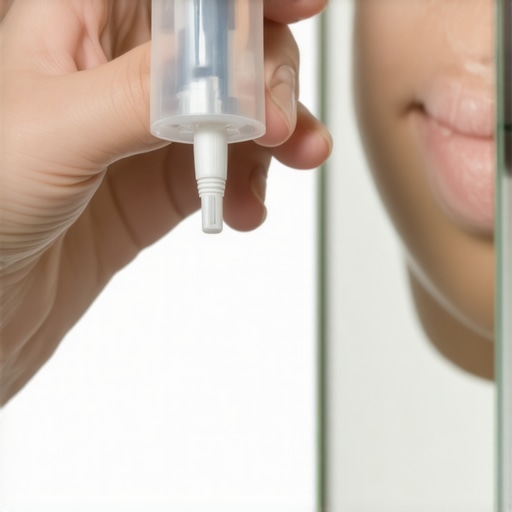
Shield Your Tooth from Temperature Extremes
Without the crown, that underlying tooth is going to be incredibly reactive. You might find that the reason your teeth feel sensitive to sugar but not cold changes once the nerve is exposed to the elements. Usually, it’s cold air or water that causes a sharp, zingy pain. If you cannot get the crown back on even temporarily, you can cover the prep with a small piece of dental wax—the kind used for braces—to act as a temporary insulator. This stops you from jumping out of your skin every time you take a breath. If the situation feels overwhelming, learning how to manage your dental anxiety without heavy drugs can keep you calm enough to handle the situation until you get to the clinic. While how regular teeth cleaning can prevent major dental issues is the long-term goal, right now you are in ‘protect the stump’ mode. Avoid chewing on that side of your mouth entirely, even if you’ve managed to ‘glue’ the crown back in place with drugstore cement.Let’s dig deeper into the ‘why’ behind that wiggle, because if you think it’s just about ‘old glue,’ you’re missing the most critical part of the puzzle. Most people assume that once a crown is seated, the underlying tooth is hermetically sealed forever. This is one of the most persistent oral health myths debunked what you need to know in 2025. The truth? Your crown is only as good as the ‘margin’—that tiny interface where the porcelain meets your natural tooth.
The Invisible Gap That Destroys Dental Work
We often talk about top 5 secrets to maintaining perfect oral health as a family, but we rarely discuss marginal leakage. This occurs when the cement slightly dissolves or the gum line recedes, exposing the edge of the tooth. According to a study in the Journal of Prosthetic Dentistry, even a microscopic gap of 50 micrometers can become a reservoir for acid-producing bacteria. If you’ve noticed a weird taste or if your floss catches on the edge of the crown, you’re likely dealing with early-stage leakage. This is why how regular dental cleanings can save you money in the long run; a professional can spot these microscopic failures years before the taffy-pulling incident even happens. 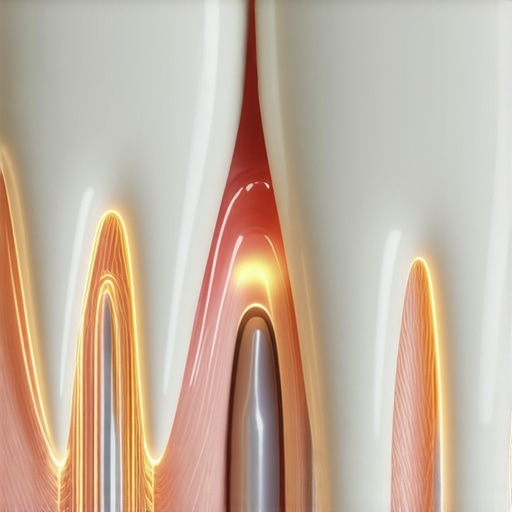
Does Every Loose Crown Require a Root Canal?
This is the advanced question I get most often. The answer is: not necessarily, but timing is everything. If the crown is loose because of a structural failure—meaning the tooth underneath has broken—a root canal or even an extraction might be on the table. However, if the wiggle is purely due to ‘washout’ (the cement dissolving), you might just need a simple recementing. The ‘trap’ many people fall into is waiting until it hurts. If you wait for pain, the bacteria have likely already reached the pulp. High-level cosmetic dentistry innovations you cant miss this year focus heavily on biomimetic bonding, which creates a much more reliable seal than older cements, but even these require a healthy foundation.
Don’t Let Abrasive Pastes Shorten Your Crown’s Life
Here is a nuance most people miss: your choice of toothpaste could be the reason your crown failed. Many people transition to aggressive whitening products to keep their smile bright, but the truth about whitening toothpaste is that many brands are highly abrasive. These abrasives can wear down the delicate margin of the crown, essentially ‘sanding’ away the seal over several years. I always recommend a low-abrasivity paste that protects the bond rather than attacking it. Have you ever fallen into this trap or noticed your crown feeling different after switching products? Let me know in the comments. If you’re currently dealing with a loose restoration, don’t wait for a total failure; check our contact us page to get a professional evaluation before a small wiggle becomes a major surgery.If you want to stop the wiggle before it starts, you need to upgrade your home arsenal. I personally switched to an electric toothbrush with a pressure sensor because I realized I was scrubbing my gum line into oblivion. This over-brushing is a silent killer for crowns; it causes recession, which exposes that vulnerable margin we talked about earlier. Pair that with a water flosser. Standard floss is great, but a water flosser can flush out the microscopic debris tucked under the edge of a crown or bridge where a string simply cannot reach. I also swear by interproximal brushes—those tiny, specialized tools that look like miniature Christmas trees. They are the only way to mechanically scrub the space where the crown meets the neighboring tooth. Keeping these specific areas clean is the core of maintaining oral health expert advice for a lifetime of healthy teeth.
The Future of Single-Visit Smiles
Looking ahead, I predict we are moving toward a world where temporary crowns will become obsolete. With cosmetic dentistry innovations you cant miss this year, we are seeing more practices adopt AI-driven CAD/CAM milling right in the office. This means the crown is designed, manufactured, and bonded in a single visit, drastically reducing the risk of contamination that happens when you wear a temporary for two weeks. The bond is inherently stronger because the tooth is freshly prepped and hasn’t been exposed to the bacteria of your daily diet yet. Dr. Gordon Christensen, a world-renowned prosthodontist and founder of the Clinicians Report, has often emphasized that the longevity of any restoration is a 50/50 split between clinical precision and patient maintenance. If you aren’t doing your part at home, even a top-tier porcelain crown is just a temporary fix.
How can I keep my dental work from failing in the long run?
The answer isn’t just to brush more; it is to brush smarter. You need to focus almost exclusively on the gum line and use a non-abrasive fluoride gel at night to remineralize any natural tooth structure at the margin. This is one of those family dentistry tips that make oral care effortless and effective because it takes thirty seconds but adds years of life to your smile. 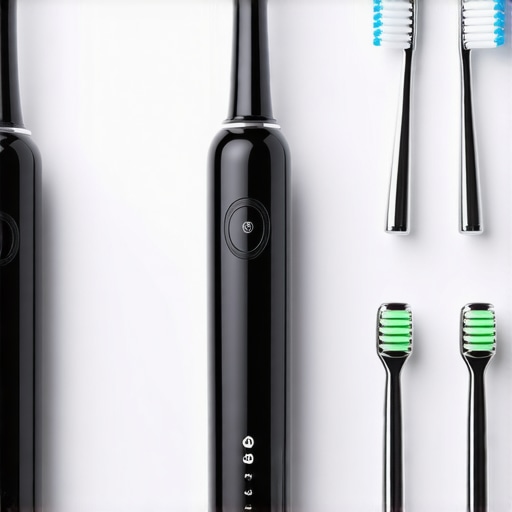 If you really want to scale your results, start using a tongue scraper daily to lower the overall bacterial load in your mouth. This prevents the aggressive biofilm from migrating toward your dental work and causing secondary decay under the crown. This simple routine shift is how you turn a five-year restoration into a thirty-year one. I highly recommend trying the interproximal brush method for just one week—you’ll be shocked (and probably a little grossed out) by what your standard toothbrush has been leaving behind. Don’t wait for your next cleaning to start; check out our contact us page if you need a professional to show you the exact angle for your specific dental work. Following these preventive tips for long-lasting dental health is the difference between a quick check-up and a total mouth reconstruction.
Hard Lessons from My Own Taffy Tussle
After years of managing my own dental work, I’ve realized that a loose crown is rarely a freak accident. Usually, it is the result of several oral health myths debunked what you need to know in 2025 that I used to believe. I thought crowns were invincible, but I have learned that the margin is where the battle is won or lost. If I could go back, I would tell myself that sensitivity to sugar is the first warning sign of a failing seal—do not wait for the wiggle to act.
Another lightbulb moment was realizing how cosmetic dentistry innovations you cant miss this year have changed the game; today’s bonding agents are incredible, but they still cannot survive a toothbrush that is being used like a scrub brush. Lastly, I have learned that your dentist is your partner, not just a repair person. Keeping that dialogue open saves you from the middle-of-the-night panic when a piece of candy wins the tug-of-war.
The Toolkit That Keeps My Smile Locked Down
Maintaining a crown requires more than just a quick brush. Here is what I keep in my medicine cabinet to ensure I am maintaining oral health expert advice for a lifetime of healthy teeth. First, a high-quality water flosser is non-negotiable for reaching the base of the porcelain. Second, I swear by interproximal brushes for scrubbing the tight spaces between teeth. Finally, I avoid gritty pastes because the truth about whitening toothpaste is that it can be far too abrasive for the delicate seal of your dental work.
Give Your Smile the Long-Term Security It Deserves
Taking care of your dental work is not about perfection; it is about consistency. Whether you are following preventive tips for long-lasting dental health for families or just trying to save one specific tooth, every small habit adds up. Do not let a little wiggle steal your confidence. If you are worried about your current restorations, the best thing you can do is reach out through our contact us page for a professional evaluation. You deserve a smile that feels as solid as it looks. Have you ever felt that terrifying wiggle while eating something sticky? Tell me your story in the comments below!