
My head was pressed against the cold kitchen counter at 2:00 AM, and I was genuinely considering if a person could actually faint from a toothache. I had just gone through a routine extraction and, feeling overly confident, I committed the ultimate sin: I used a straw to drink a smoothie. Big mistake. Within hours, that dull ache transformed into a radiating, electric pulse that felt like it was trying to escape my jaw. I had accidentally dislodged the blood clot, and I was staring down the barrel of a long weekend without an emergency dental appointment. I learned the hard way that common oral health myths about ‘powering through’ dental pain are completely useless when you have a literal hole in your jawbone. Today, I’m going to share exactly how I survived that weekend and what you can do to dampen the fire in your mouth until you can get professional help.
Stop the Throbbing Before You Lose Your Mind
If you are reading this, you are likely in that stage of panic where you realize why your face swells up after a dental extraction and why this specific pain is unlike anything else. Dry socket, or alveolar osteitis, is essentially an exposed nerve and bone. According to the Mayo Clinic, this condition occurs when the blood clot at the tooth extraction site fails to develop, or dislodges, leaving the underlying bone and nerves vulnerable to air, food, and fluid. It is miserable. When I was in the thick of it, I tried everything. The first thing you need to do is stop poking at it with your tongue. You’re looking for a solution, not a way to make it bleed again. If you happen to be handling a dental emergency while traveling or just stuck at home on a Sunday, your goal is barrier protection and nerve calming.
Does clove oil actually live up to the hype?
You might be skeptical of ‘natural’ remedies when your jaw feels like it’s in a vice, but clove oil (eugenol) is the one thing that actually saved my sanity. It has been used in dentistry for ages because it’s a potent anesthetic and antiseptic. I remember my first time using it; the taste was overwhelming, but the relief was almost instantaneous. Have you ever experienced that weird ’empty hole’ sensation where even breathing in cold air feels like a physical blow? If so, you know that finding a way to coat that site is priority number one. While we often talk about long-lasting dental health for families, sometimes we just need to survive the next twelve hours. We’re going to look at the specific steps to pack that socket safely and what household items you should—and absolutely should not—put in your mouth right now.
Master the Clove Oil Compress
The primary goal when you have an exposed socket is to seal off the nerve from the air. Clove oil contains eugenol, which acts as a chemical numbing agent. To do this correctly, do not just pour the oil into your mouth; that is a recipe for a burnt tongue. Instead, take a tiny piece of sterile gauze or a small cotton pellet and saturate it with just two drops of clove oil. Using a pair of clean tweezers, gently place that pellet directly into the extraction site. I remember the first time I did this, I used way too much oil and my entire throat felt numb for an hour. The key is precision. While some people look into the truth about oil pulling for dental health for general hygiene, clove oil is a targeted strike for acute nerve pain. 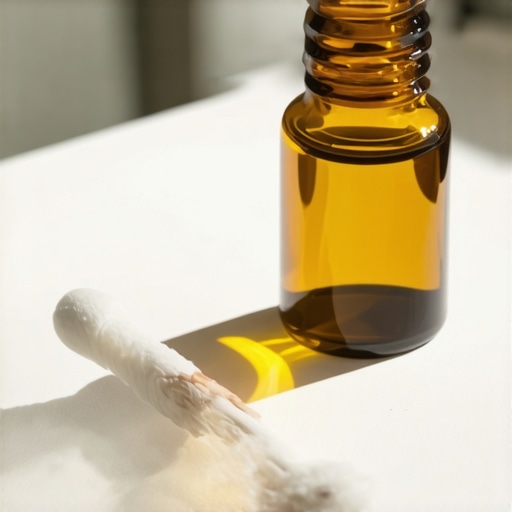
How to Safely Pack an Exposed Socket
If you don’t have clove oil, you still need to protect that bone. You can use a small piece of damp, sterile gauze. Fold it into a tiny square that matches the size of the hole. Do not shove it in with force; you aren’t trying to fill a pothole, you are just creating a lid. I once made the mistake of using a piece of a paper towel because I was out of gauze, and the fibers got stuck in the wound, leading to an even worse cleanup later. Always use medical-grade materials. This temporary packing acts as a physical barrier against food particles and cold air, which are the main triggers for that lightning-bolt pain. It is similar to the best way to soothe your gums after a professional deep cleaning, where the goal is to minimize irritation while the tissue stabilizes.
The Art of the No-Swish Salt Water Rinse
Cleanliness is vital, but high-pressure rinsing is how most people get into this mess in the first place. You need to keep the area free of debris without creating suction. Mix half a teaspoon of salt into eight ounces of lukewarm water. Take a small sip, and instead of ‘swishing’ like you would with mouthwash, simply tilt your head so the water rolls over the extraction site. Then, lean over the sink and let the water fall out of your mouth naturally. Do not spit. Spitting creates the exact type of vacuum that pulls clots out. This gentle approach is a cornerstone of gentle teeth cleaning best practices for sensitive gums and is non-negotiable for dry socket recovery.
Why Your Pain Might Feel Different at Night
You might notice that the throbbing intensifies the moment you lay down. This is because blood pressure in the head increases when you are horizontal. To combat this, sleep with your head elevated on at least two or three pillows. When I was recovering, I actually slept in a recliner for two nights because the upright position kept the ‘pounding’ sensation at bay. Keeping the inflammation down through elevation and cold compresses on the outside of your jaw can make the difference between three hours of sleep and zero. Even if you are interested in the science behind teeth whitening to achieve stunning results fast, none of that matters if the foundational health of your jawbone is compromised by an infection, so keep that site clean and elevated.
While we are on the subject of pain and recovery, I need to address a trap I see people fall into all the time. Everyone says that the whiter the tooth, the healthier the mouth, but in my experience, chasing that Hollywood glow with over-the-counter products during a dental crisis is a recipe for disaster. We often assume that ‘whitening’ equals ‘cleaning,’ but the truth about whitening toothpaste is that it often relies on harsh abrasives. It doesn’t actually change the internal pigment of your tooth; it just scrubs the surface, sometimes taking your precious enamel with it. If you have an active recovery site like a dry socket, the last thing you want is abrasive grit or bleaching agents irritating those raw tissues.
The Scrubbing Myth That Destroys Enamel
The most common ‘oops’ factor I encounter is the belief that aggressive brushing can ‘reset’ a neglected mouth. This is the ‘powering through’ mentality I mentioned earlier, and it is a lie. When you brush too hard, especially with high-abrasivity pastes, you risk creating receding gums on one side of your mouth or everywhere. A study published in the Journal of Dentistry notes that excessive use of high-abrasivity pastes can lead to a significant increase in dentin hypersensitivity because it thins the protective enamel layer. This is why many cosmetic dentistry innovations now focus more on additive protection rather than subtractive scrubbing. 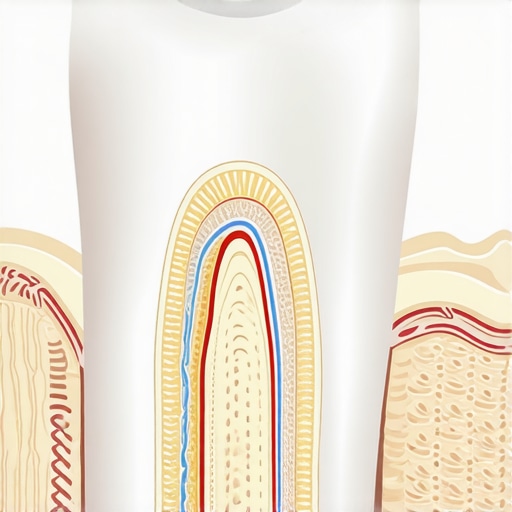
Stop Blaming Your Diet for Every Cavity
Here is a piece of expert-level nuance that most beginners miss: you can have a perfect diet and still be prone to cavities regardless of hygiene. Genetics play a massive role in the pH of your saliva and the thickness of your enamel. I have met patients who floss religiously and avoid sugar but still face constant issues because their oral microbiome is naturally more acidic. This is why we focus on long-lasting dental health for families as a holistic strategy, not just a list of ‘don’ts.’ If you’ve ever felt like a failure at the dentist despite trying your best, it might just be your biology working against you.
Why does my jaw still ache after the extraction site has closed?
If you have survived the initial dry socket phase but still feel a lingering, phantom-like ache, you aren’t crazy. Advanced dental trauma can sometimes cause secondary inflammation in the surrounding ligaments or even the sinus cavity. This is a common point of confusion when people try to distinguish why teeth ache during a sinus infection versus a dental complication. The nerves in your face are all part of the same complex network. If you are stuck in this loop, it is vital to stop self-diagnosing with oral health myths and seek a professional evaluation. Have you ever fallen into this trap of over-scrubbing or self-diagnosing? Let me know in the comments!
Once you move past the immediate crisis of a dry socket, the focus shifts to long-term stability. I used to be a manual toothbrush loyalist until I realized I was essentially scrubbing my gums away. Now, I recommend a high-end electric brush with a pressure sensor. I personally use the Oral-B iO because it physically alerts you with a red light when you apply too much force. This is a game-changer for avoiding receding gums on one side of your mouth. Scientific data from The Cochrane Collaboration supports this; their meta-analysis found that powered brushes reduce plaque by 21% more than manual ones over a three-month period. If you want expert advice for a lifetime of healthy teeth, investing in a tool that corrects your human error is the first step. 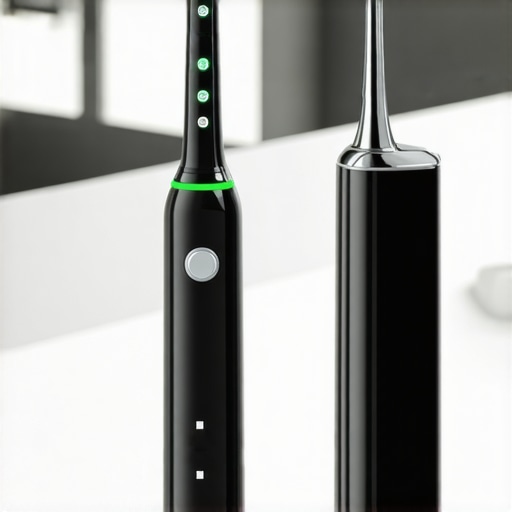
How do I maintain professional cleaning results for years?
The secret isn’t just brushing; it is managing the debris that hides in the ‘pockets’ between your teeth. I tell my patients that regular teeth cleaning can prevent major issues, but what you do in the bathroom at 10:00 PM is what counts. I’ve found that water flossers, specifically the Waterpik Aquarius with its ten pressure settings, are far more effective for people with tight tooth spacing or permanent retainers. It flushes out bacteria that string floss often just smears around. We are also seeing a massive shift toward cosmetic dentistry innovations that incorporate AI-integrated toothbrushes. These devices map your mouth and show you exactly where you missed a spot via a smartphone app. In the next five years, expect to see home microbiome testing kits that tell you exactly which bacterial strains are overpopulating your mouth before a cavity even forms. This predictive care will eventually replace the ‘wait and see’ approach of traditional dentistry.
Ditch the Mouthwash and Grab a Tongue Scraper
Most people reach for alcohol-based mouthwash to fix bad breath, but that often leads to dry mouth even when you drink water. Alcohol kills the good bacteria along with the bad, disrupting your oral ecosystem. Instead, I use a surgical-grade stainless steel tongue scraper every single morning. It removes the volatile sulfur compound-producing bacteria that cause bad breath without the chemical burn. It’s one of the most underrated family dentistry tips I can offer. If you’ve ever wondered why your dentist wants you to use a tongue scraper, it’s because it’s the most direct way to lower the bacterial load in your mouth instantly. To truly level up your routine, I want you to try the ‘Modified Bass Technique.’ Hold your brush at a 45-degree angle toward the gum line and use small, vibrating circular motions rather than long strokes. This ensures the bristles reach slightly under the gum margin where plaque loves to hide. Do this for a full two minutes tonight, and you’ll feel a difference in smoothness that no amount of ‘power scrubbing’ could ever achieve. Consistent application of these tools is how you turn a one-time recovery into long-lasting dental health for families.
Lessons I Learned the Hard Way in the 2 AM Trenches
Looking back at that agonizing weekend, I realized that the biggest mistake wasn’t just using a straw; it was the ‘hero’ mentality. I thought I could ignore the discomfort until it became an emergency. If you find yourself in a similar spot, remember that your body is a high-precision machine. When a clot dislodges, it is a biological SOS. One major ‘lightbulb moment’ for me was realizing how much of our suffering comes from common oral health myths that suggest pain is just part of the process. It’s not. Another realization? You are never truly alone in this. Even if you are handling a dental emergency while traveling abroad, the principles of stabilization remain the same: keep it clean, keep it covered, and keep your heart rate down.
The Gear That Changed My Oral Care Routine Forever
I am often asked what tools I actually keep in my own bathroom cabinet. First, I never travel without a small vial of pure clove oil; it’s my ultimate ‘break in case of emergency’ item. Second, the shift to gentle teeth cleaning best practices for sensitive gums led me to the Oral-B iO series. The pressure sensor isn’t just a gimmick; it’s a coach that stops you from destroying your enamel. Finally, I trust the clinical guides provided by the American Dental Association for verifying any ‘new’ trend. If it sounds too good to be true, it usually is. These tools aren’t just about luxury; they are about building a foundation for long-lasting dental health for families.
Turning Your Dental Crisis into a Fresh Start
Experiencing a dry socket was a wake-up call for me. It forced me to slow down and actually look at the health of my mouth beyond just aesthetics. Use this recovery period to reset your habits. Whether it’s finally switching to a tongue scraper or being more diligent with your salt-water rinses, every small action adds up. Your journey to optimal oral health doesn’t have to be perfect, it just has to be consistent. You’ve got this!
Have you ever tried a home remedy for dental pain that actually worked, or did it make things worse? Let me know in the comments below!