
I was sitting at my kitchen table last Tuesday, staring down a bowl of my favorite childhood cereal, when it happened. One bite in, and bam—a sharp, electric shock traveled from my molar straight to my brain. It felt like my tooth was literally screaming at me. For a long time, I made the mistake of thinking this was just “one of those things” that happens as you get older, or that I had simply lost the genetic lottery for strong teeth. I even tried to fix it by brushing three times as hard, which, as it turns out, is one of the worst things you can do for your enamel. But I’ve learned the hard way that this specific “sugar zing” is actually your body’s way of sending a distress signal, and the good news is that it’s often a very fixable problem. Today, I want to walk you through why your teeth are throwing a tantrum every time you reach for the sweets and how we can get your oral health back on track so you can enjoy a treat without the wincing.
Stop Fearing Your Breakfast Bowl
When you feel that sharp pain, your teeth aren’t just being dramatic. What’s actually happening is a process called osmosis. According to the American Dental Association, sugar is highly “osmotic,” meaning it pulls fluid out of the microscopic tubules in your teeth, causing a sudden shift in pressure that your nerves definitely notice. I used to ignore it until it started affecting my whole day, but I realized that the reason your teeth feel sensitive to sugar but not cold often points to microscopic cracks or early enamel erosion. It’s a common hurdle in family dentistry, where we see parents and kids alike struggling with the aftermath of a “sweet tooth.” Have you ever had to stop eating mid-meal because of a sudden tooth ache? It’s incredibly frustrating, right?
Do I really need a root canal just for a little sugar pain?
It’s easy to jump to the worst-case scenario and assume you’re headed for a major procedure. However, most of the time, this sensitivity is a loud plea for better protection. Maybe you need to refine your teeth cleaning techniques or consider how regular teeth cleaning can prevent major dental issues before they escalate into something more painful. When my teeth started hurting, I realized I hadn’t been as diligent with preventive tips for long-lasting dental health as I thought. Addressing the root cause—whether it’s a tiny cavity or just thinned enamel—is much easier than waiting for the pain to become constant.
Stop Scrubbing Your Teeth Like a Scouring Pad
I used to think that ‘clean’ teeth required a lot of elbow grease. I bought the stiffest toothbrush on the shelf and went to town, scrubbing my molars as if I were trying to get rust off a bicycle. I thought I was being thorough, but within six months, I noticed my gums were pulling back and that sugar sting was getting sharper. My dentist explained that I was actually sandpapering my enamel away. The first real step to fixing sugar sensitivity is mastering gentle teeth cleaning best practices for sensitive gums. You want to hold your brush at a 45-degree angle toward the gum line and use soft, circular motions. Think of it like polishing a ripe peach rather than scrubbing a potato. When you switch to soft bristles and light pressure, you stop the mechanical wear and tear that exposes those sensitive tubules to the sugar in your breakfast. If you’re looking for a refresh on the basics, the ultimate guide to teeth cleaning techniques and benefits covers exactly why the ‘less is more’ approach works wonders for the longevity of your smile. 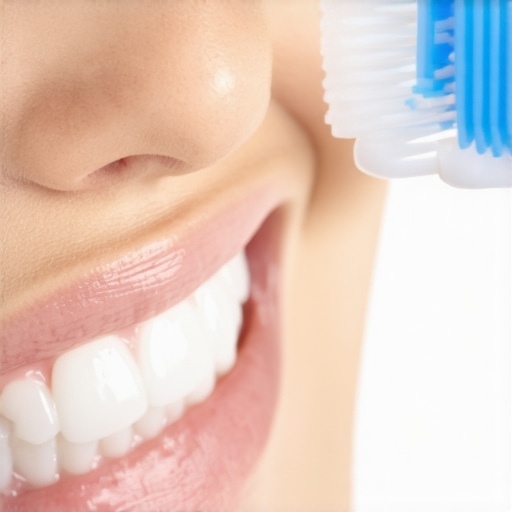
Build a Stronger Barrier with These Daily Shifts
Your enamel is like the armor of a medieval knight; once it develops chinks, the enemy—in this case, sugar—gets right to the soft tissue inside. To reinforce this armor, you need to rethink your post-snack routine. Most people brush immediately after eating something sugary, but that’s actually a mistake. The acid produced by bacteria softens your enamel for about 30 minutes after you eat. If you brush then, you’re brushing away softened enamel. Instead, rinse your mouth with plain water to neutralize the acid and wait an hour. I started doing this after my afternoon coffee, and the ‘zing’ frequency dropped significantly. For those with kids, teaching these preventive tips for long-lasting dental health for families early on can prevent a lifetime of sensitivity. It is also worth swapping out sticky candies for the best snacks for kids that will not cause instant cavities, like cheese or nuts, which actually help remineralize the teeth.
Modern Fixes for Cracks and Worn Enamel
Sometimes, the damage is already done, and no amount of gentle brushing will bring back the enamel you’ve lost. This is where professional intervention becomes a literal lifesaver. I had a tiny microscopic crack in my upper left molar that was invisible to the naked eye but made eating a donut feel like a lightning strike. My dentist used a bonding technique to seal the area, and the relief was instantaneous. It’s important to realize that how regular dental cleanings can save you money in the long run isn’t just a marketing slogan; it’s about catching these tiny fissures before they require a crown. In more advanced cases of wear, you might even look into contouring veneers the future of cosmetic dentistry revealed to restore the physical structure and aesthetic of a worn-down smile. Whether it’s a simple desensitizing treatment or a more robust restorative plan, addressing the physical structure of the tooth is the only way to stop the osmotic pressure from reaching your nerves.
Most people believe that a blinding white smile is the ultimate sign of dental health, but this is a dangerous oversimplification. In reality, the naturally strongest teeth often have a slightly yellowish hue because the dentin underneath the enamel is naturally yellow. When we over-whiten, we often thin the enamel to the point where the tooth becomes more porous and susceptible to the very ‘sugar zing’ I mentioned earlier. You see, the science behind teeth whitening shows that removing stains is one thing, but altering the biological structure of your enamel is another. I’ve seen people who have ‘perfect’ looking smiles but are in constant agony because their enamel has become practically transparent from overuse of harsh chemicals.
The grit in your toothpaste is probably doing more harm than good
One ‘oops’ factor I see constantly is the trend of using highly abrasive ‘natural’ charcoal toothpastes or DIY baking soda scrubs. People love the squeaky-clean feeling, but oral health myths debunked reveal that these pastes often act like sandpaper on your teeth. According to a study published in the Journal of the American Dental Association (JADA), many of these popular charcoal-based products actually lack fluoride and are too abrasive for daily use, leading to permanent enamel loss and increased sensitivity. If you’ve been using these to get a brighter smile, you might be trading your long-term health for a temporary glow. It is much safer to stick with expert advice for a lifetime of healthy teeth which prioritizes remineralization and pH balance over aggressive mechanical scrubbing.
Will covering the sensitivity with veneers actually solve your pain?
I get asked this a lot by people who are tired of dealing with ‘zingers’ and just want a quick fix. The short answer is: No. In fact, this is a major nuance that often gets skipped in family dentistry discussions. If you have active decay, microscopic cracks, or significant erosion, placing a veneer or a crown over it without treating the root cause is like putting a fresh coat of paint on a house with a crumbling foundation. The underlying issue will continue to fester. This is why why your veneers dont match the rest of your teeth or feel uncomfortable often comes down to a failure to address the structural stability of the tooth first. Always ensure your enamel is stabilized and your bite is aligned before chasing the aesthetic fix. Have you ever fallen into this trap of prioritizing looks over the ‘foundation’ of your smile? Let me know in the comments.
Stop guessing if you are brushing too hard
I finally invested in an electric toothbrush with a visible pressure sensor, and it was a total reality check. I thought I had mastered the light touch, but the red light flashed almost every time I hit my back molars. This simple tool is one of the top 5 secrets to maintaining perfect oral health as a family. It takes the guesswork out of the process, ensuring you aren’t accidentally stripping away your enamel while trying to keep it clean. When I combined this with revolutionary teeth cleaning techniques for 2025, like using a high-quality water flosser, my gum sensitivity vanished within weeks. Water flossers aren’t just for people with braces; they reach the microscopic pockets that traditional floss misses, which is crucial if you’ve had any impact of cosmetic dentistry work done that needs extra care. For parents, incorporating family dental care hacks to keep your kids smiling daily can turn a chaotic morning into a streamlined routine that protects everyone’s enamel simultaneously.
Why your spit is the secret weapon for enamel repair
Most of us view saliva as just ‘spit,’ but it’s actually a mineral-rich bath that can actively repair your teeth. Dr. Gerald Curatola, a renowned restorative dentist and author of The Mouth-Body Connection, emphasizes that maintaining a balanced oral microbiome is more important than ‘killing’ 99% of bacteria. When your mouth’s pH stays neutral, your saliva can deposit calcium and phosphate back into those thinned areas of enamel. This is why I always suggest expert advice for a lifetime of healthy teeth: stop using harsh alcohol-based mouthwashes that dry you out. If you want to know how to whiten your teeth without making them incredibly sensitive, the secret lies in keeping your saliva flowing and your pH alkaline. By avoiding acidic environments, you allow your body to perform its natural maintenance. 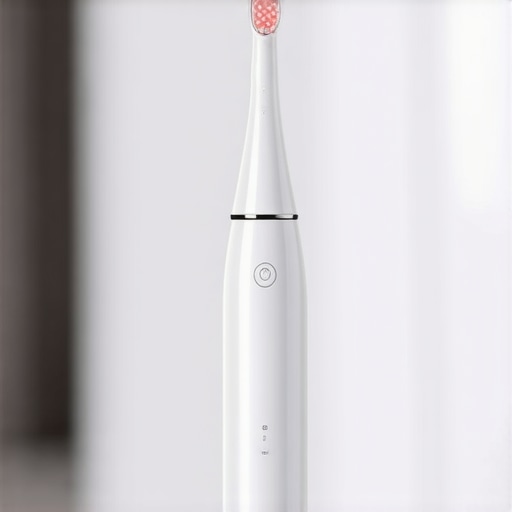
How can I maintain a healthy smile for the long haul?
Sustaining a great smile isn’t about one-off procedures; it’s about the habits that scale with you as you age. I believe the future of dental care is moving toward ‘bio-active’ materials—fillings and coatings that actually release minerals over time to strengthen the tooth from within. This will eventually make traditional ‘drilling and filling’ a thing of the past. For now, the best thing you can do is focus on preventive tips for long-lasting dental health for families, such as scheduling a professional cleaning every six months. Even if your teeth feel fine, regular teeth cleaning can prevent major dental issues by removing the calcified plaque that your brush simply cannot touch. If you’re serious about ending the ‘sugar zing’ forever, my challenge to you is this: swap your manual brush for a pressure-sensing electric one this week. It’s the single most effective hardware upgrade you can make for your mouth and is a cornerstone of family dentistry tips that make oral care effortless.
What My Molars Finally Taught Me About Real Health
It took me years to realize that my teeth weren’t ‘weak’—they were just unprotected. One of the biggest oral health myths debunked for me was the idea that more force equals more cleanliness. In reality, I was stripping away the very shield I needed. Here are a few lightbulb moments from my journey:
- Whiteness is not a proxy for strength; over-bleaching often makes the ‘sugar zing’ significantly worse.
- Sensitivity is a signal, not a sentence—most ‘zingers’ are solvable with simple habit shifts rather than major surgery.
- Your saliva is essentially liquid enamel; give it time to work by not rinsing away your toothpaste immediately.
- Force is the enemy of longevity; understanding why some people are more prone to cavities regardless of hygiene helped me realize that my genetic starting point required a softer, more strategic approach.
My Personal Toolkit for a Bulletproof Smile
If you’re ready to stop the wincing, I suggest focusing on these essentials that changed the game for me. First, swap to a pressure-sensing electric brush—it’s the most effective way to follow expert advice for a lifetime of healthy teeth. Second, keep your tools sanitary by learning the best way to keep your bathroom toothbrush clean to avoid reintroducing harmful bacteria to your gum line. Finally, explore revolutionary teeth cleaning techniques for 2025 like using an alkaline mouth rinse or a high-quality water flosser. These aren’t just gadgets; they are investments in a pain-free life.
#IMAGE_PLACE_HOLDER_E#
Reclaim Your Right to a Pain-Free Smile
Healing your enamel and ending sugar sensitivity is a marathon, not a sprint. It starts with one gentle brush stroke and one rinsed mouth at a time. Don’t let the fear of a ‘zing’ keep you from the foods you love or the confidence of a healthy smile. If the pain persists, don’t hesitate to reach out for professional help; contact us today to catch those small issues before they become big ones. You deserve to eat, laugh, and smile without a second thought. Have you ever had to change what you eat because of a sensitive tooth? I’d love to hear your story in the comments!