
I was sitting on the edge of my bed at 2:00 AM when I first heard it. The house was dead quiet, except for a rhythmic, mechanical crunching sound echoing from my son’s bedroom. It sounded exactly like someone was slowly crushing a bag of gravel with a pair of pliers. My heart sank. As someone who obsesses over oral health, I knew immediately what I was hearing: sleep bruxism. For weeks, I convinced myself it was just a phase, a weird quirk of growing up that would vanish by morning. That was my first big mistake. I waited until I noticed his primary molars were looking suspiciously flat before I finally brought it up at our next family dentistry visit. If you are losing sleep over that same nails-on-a-chalkboard sound, I’m here to tell you that you aren’t alone and, more importantly, there are real ways to fix this. Today, we are going to dive into why this happens and how we can protect those little smiles before it leads to a lifetime of dental issues. Have you ever stood over your sleeping child, wondering if they were actually breaking their teeth right in front of you?
The Rhythmic Crunch That Means Trouble
It is easy to think teeth grinding is just a nervous habit, but it is often a signal from the body that something else is out of alignment. Early on, I ignored the connection between my son’s stuffy nose and his nighttime grinding, not realizing that posture and breathing are directly linked to jaw alignment. When kids can’t breathe easily through their nose, their jaw drops and moves to find a better airway, often resulting in that dreaded grinding. It isn’t just a nighttime issue either; understanding why your child is grinding their teeth during their nap can help you spot the patterns before the sun even goes down. According to the Sleep Foundation, nearly 30% of children experience some form of bruxism, and it is frequently tied to obstructive sleep apnea or enlarged tonsils. This isn’t just about the noise; it’s about the underlying cause.
Do Kids Actually Need Professional Mouthguards?
Many parents worry that a professional guard is overkill for baby teeth that are going to fall out anyway. I used to think the same until I realized that healthy baby teeth are the placeholders for their future adult smile. By using a few simple family dental care hacks, you can often mitigate the damage, but sometimes a physical barrier is the only way to save the enamel. We aren’t just protecting teeth; we are preventing the kind of structural damage that eventually requires expensive interventions later. Let’s look at the immediate steps you can take tonight to give your child—and your ears—some much-needed relief.The very first thing I did—and what I recommend to every parent who emails me about this—is to become a sleep detective. You need to look past the teeth and straight into the throat and nose.
Clear the Path for Better Breathing
Think of your child’s airway like a garden hose; if there is a kink in the line, the water can’t flow. When a child’s nasal passages are blocked by allergies or enlarged tonsils, they instinctively shift their jaw forward to open the throat. This constant shifting creates the friction that leads to grinding. I remember setting up a cool-mist humidifier for my son during a particularly dry winter. I thought it would be a magic wand that stopped the ‘crunching’ overnight. It wasn’t an instant fix, but by the third night, the sound transitioned from a violent rock-crusher noise to a faint, occasional sandpaper rub. Reducing inflammation in the nose is often the first step in quietening the jaw.
The Thirty-Minute Pre-Sleep Decompression
Stress isn’t just for adults with mortgages; kids carry the day’s tension in their faces too. One of the most effective family dentistry tips that make oral care effortless and effective is creating a ‘buffer zone’ before bed. We started a routine of warm baths and zero screens thirty minutes before lights out. This isn’t just about sleep hygiene; it is about physically relaxing the masseter muscles. If the brain is still firing from a high-energy cartoon, the jaw will likely stay ‘on’ all night. 
Build a Solid Wall of Defense with Sealants
While you work on the breathing and relaxation, you have to protect the physical structure of the teeth. If your child has deep pits in their molars, the grinding can actually accelerate wear and make them more prone to decay. This is why we recommend sealants for children with deep grooves in their teeth. Sealants act like a thin, protective raincoat for the chewing surfaces. They don’t stop the grinding, but they provide a sacrificial layer that takes the hit so the natural enamel doesn’t have to.
Audit the Daily Snack Tray
It sounds strange, but what they eat at 4:00 PM affects how they grind at 10:00 PM. High-sugar snacks can lead to spikes and crashes in blood sugar that disrupt deep sleep cycles. When sleep is fragmented, bruxism episodes tend to increase. Swapping out chewy, sugary fruit snacks for crunchy vegetables can also help ‘tire out’ the jaw muscles in a healthy way during the day. Following preventive tips for long-lasting dental health for families means looking at the diet as part of the dental equation.
Watch for the Morning Mouth Check
Every morning, I started asking my son if his ‘chewers’ felt tired. If a child mentions a sore jaw or a headache upon waking, the bruxism is likely intense enough to warrant a professional intervention. We often look at how regular teeth cleaning can prevent major dental issues, but these checkups are also the best time for a dentist to check for ‘wear facets’ — small, flat shiny spots on the teeth that prove grinding is happening even if you don’t hear it.One of the most persistent oral health myths debunked in recent years is the idea that bruxism is just a behavioral phase. In my early days of parenting, I assumed my son would simply ‘outgrow’ the noise. But as we dig deeper into the clinical side of family dentistry, we find that grinding is rarely an isolated event. It is often the first domino in a series of structural shifts. Most parents focus on the teeth, but experts now look at the entire craniofacial complex.
The Dangerous Myth of the ‘Aggressive’ Clean
There is a common belief that if you can’t hear the grinding, the damage has stopped. This is a trap. I’ve seen many parents double down on scrubbing their child’s teeth to ‘strengthen’ them, not realizing that over-brushing teeth already weakened by nighttime friction is a recipe for disaster. This leads to what I call the ‘Scrubbing Paradox.’ When you brush too hard on enamel that has been microscopically fractured by bruxism, you actually accelerate the thinning process. This is why gentle teeth cleaning best practices for sensitive gums are essential even for children. If the enamel is worn, you aren’t just cleaning; you are sanding down the protective layer.
Can cosmetic fixes actually stop the physical damage from grinding?
It sounds counterintuitive, but cosmetic dentistry trends that transform your smile this year aren’t just for adults looking for a Hollywood glow. In advanced pediatric cases, we sometimes use cosmetic bonding to restore the height of teeth lost to grinding. According to a study published in the Journal of Oral Rehabilitation, restoring the vertical dimension of the bite can actually reduce the neuromuscular urge to grind by repositioning the jaw into a more ‘neutral’ state. It isn’t about vanity; it’s about restoring the mechanical function of the mouth. 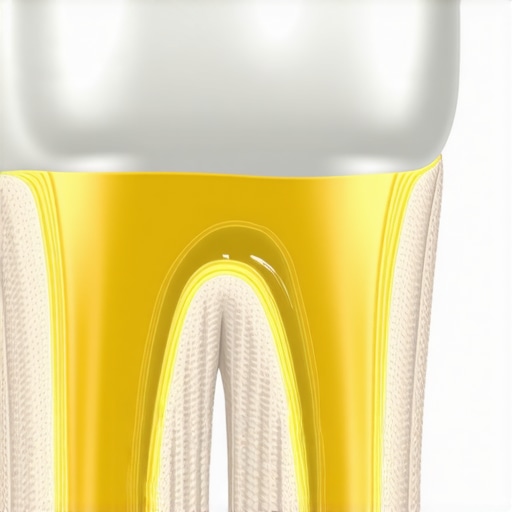
Don’t Fall for the Whitening Trap
When we see the yellowing of teeth that have been ground down, the first instinct is often to reach for a brightening kit. This is a massive ‘oops’ factor for many families. Yellowing caused by grinding is usually not a surface stain—it is the underlying dentin showing through because the enamel has been worn away. Using peroxide-based products on these areas can cause excruciating pain because the nerve endings are much closer to the surface. Instead of reaching for a kit, you should investigate the truth about whitening toothpaste and whether it’s appropriate for a compromised tooth.
The Hidden Nuance of the Thirty-Minute Window
Here is a tip most ‘beginner’ dental guides miss: never brush immediately after an episode of acid reflux or even after drinking juice. If your child is a grinder, their mouth chemistry is already under stress. Brushing within thirty minutes of an acid exposure—including the ‘silent reflux’ that often accompanies sleep apnea and grinding—means you are brushing acid directly into the porous enamel. Wait for the saliva to neutralize the pH. Have you ever fallen into the trap of thinking a harder scrub equals a cleaner mouth? I did, and it cost us a lot of unnecessary sensitivity. Let me know in the comments if you’ve noticed your child’s teeth looking ‘shorter’ or more translucent at the edges. If you’re seeing these signs, it might be time to contact us to discuss a long-term protection plan that goes beyond a simple plastic nightguard.Finding the right equipment felt like I was prepping for a specialized mission. When you’re dealing with a child who grinds, you can’t just grab any toothbrush off the supermarket shelf and hope for the best. I quickly realized that the tools we use daily are our primary defense against the erosion caused by bruxism.
Stop the Scrubbing with a Pressure Sensor
One tool that changed the game for us was an electric toothbrush with a visible pressure sensor. If my son pushed even a fraction too hard on those already stressed molars, the brush would light up red. This wasn’t just a gimmick; it was a way to enforce gentle teeth cleaning best practices for sensitive gums without me having to hover over him every single night. It’s about building a sustainable routine that preserves what’s left of the enamel. Beyond the brush, I also became obsessive about hygiene maintenance, following the best way to keep your bathroom toothbrush clean to ensure no extra bacteria was aggravating his gums while he slept. 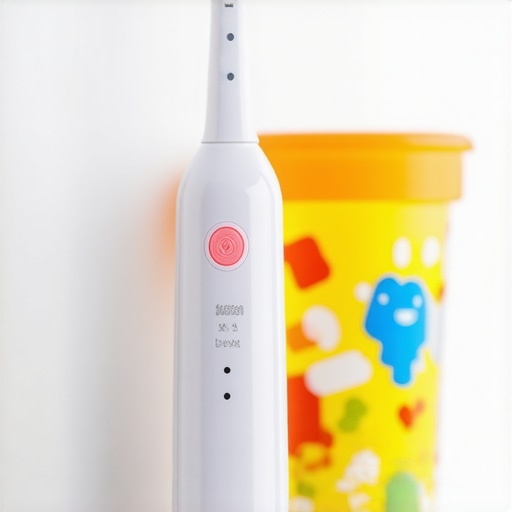
The Future of Jaw Health and Myofunctional Therapy
I truly believe we are on the cusp of a major shift in how we handle pediatric bruxism. According to the American Academy of Physiological Medicine & Dentistry (AAPMD), the industry is moving toward an ‘airway-centric’ model that treats the mouth as a gateway to the rest of the body. My prediction? In the next few years, we’ll see a surge in cosmetic dentistry innovations you cant miss this year that focus on functional muscle retraining rather than just ‘fixing’ the look of the teeth. We’ve already started looking into myofunctional therapy, which involves specific exercises to retrain the tongue and jaw muscles. It’s the difference between putting a band-aid on a wound and actually teaching the body how to heal.
How can I keep my family’s smiles safe for the long haul?
Maintenance isn’t a one-time event; it’s a series of small, consistent choices. We stick to the top 5 secrets to maintaining perfect oral health as a family, which includes quarterly check-ins rather than waiting for the standard six-month mark. Staying ahead of the wear and tear is key. Remember, how regular dental cleanings can save you money in the long run becomes very obvious when you avoid the need for full-mouth reconstructions later in life. By focusing on maintaining oral health expert advice for a lifetime of healthy teeth, you turn a stressful nighttime noise into a manageable health goal. If you want to see a difference by next week, I challenge you to try the thirty-minute waiting rule after meals before anyone picks up a toothbrush—your child’s enamel will thank you.
The Lessons Only a Midnight ‘Crunch’ Could Teach Me
Looking back at those sleepless nights listening to the rhythmic grinding from the nursery, I’ve realized that oral health isn’t just about what happens during the day. Here is the wisdom I gained after finally addressing the issue: First, grinding is a symptom, not a personality trait. It’s easy to think your child is just ‘tense,’ but it is almost always a physical response to an airway or alignment issue. Second, enamel doesn’t grow back. Unlike a scraped knee, once that surface is ground down, it’s gone. Waiting too long is the only real mistake you can make. Finally, I learned the danger of the ‘Silent Wear’ phase. Even if the sound stops, the damage might continue. One of the biggest oral health myths debunked in my household was the idea that silence equals safety.
My Go-To Strategy for a Quiet Night
I’ve tested dozens of products and routines, and these are the three pillars that actually made a measurable difference for my son’s jaw health:
- The Pressure-Sensor Brush: I swear by electric brushes that warn you when you’re pushing too hard. It’s the easiest way to implement gentle teeth cleaning best practices for sensitive gums without constant nagging.
- Airway-Centric Monitoring: A high-quality cool-mist humidifier and checking for nasal obstructions were more effective than any store-bought mouthguard.
- Strategic Check-ins: Don’t wait for the pain. Knowing how regular dental cleanings can save you money in the long run helped me justify the more frequent visits needed to monitor those tiny wear facets before they became cavities.
#IMAGE_PLACE_HOLDER_E#
Protecting That Small Smile for the Big Years Ahead
It can feel overwhelming to hear that mechanical grinding sound and not know how to stop it. But remember, you are already ahead of the curve just by paying attention to the signs early. By focusing on the top 5 secrets to maintaining perfect oral health as a family and being proactive about jaw alignment, you’re setting your child up for a lifetime of dental confidence. Don’t hesitate to reach out for professional help; the peace of mind for you and the protection for their enamel is worth every effort. If you’re ready to build a custom protection plan, you can always contact us to get started. Have you noticed any flat spots on your child’s teeth or heard that grinding sound recently? Let me know in the comments below!