
I’ll never forget the day my son, Leo, decided the bathroom floor was his new permanent home because I asked him to ‘open wide like a lion.’ He wasn’t being a lion; he was being a tectonic plate—completely unmovable and under a lot of pressure. It hit me then that if I couldn’t get him to cooperate for thirty seconds of brushing at home, a full-blown professional teeth cleaning would be a disaster. The air in our tiny bathroom felt heavy with his defiance and my own growing frustration. Like many parents, I worried that my child’s first experience with family dentistry would traumatize him for life, leading to a lifetime of dental anxiety and missed appointments. But after one epic failure where I tried to bribe him with a toy he already owned (rookie mistake!), I figured out a better way. I realized that the trick isn’t about control; it’s about curiosity. Today, I’m walking you through the exact routine that turned our dental ‘wars’ into a smooth, tear-free appointment. Have you ever felt that rising panic in the waiting room while your toddler eyes the exit and contemplates a tactical retreat? You’re definitely not alone. [IMAGE_PLACEHOLDER]
Turn the Dental Chair Into a Spaceship
I used to think the key was being serious and explaining the ‘science’ of cavities. That was my biggest mistake. In my eagerness to be helpful, I accidentally used the word ‘scraping’ to describe the cleaning process. To a three-year-old, ‘scraping’ sounds like something that happens to a knee on the sidewalk. I watched his eyes go wide with fear, and I knew I’d messed up. Toddlers don’t care about enamel or long-term health; they care about the adventure happening right now. By reframing how we talk about the dentist, we remove the ‘threat’ of the unknown and replace it with something manageable. We started playing ‘Dentist Office’ at home using his stuffed dinosaurs. He was the doctor, and the T-Rex was the patient. This role-reversal gave him back the sense of control he was so desperately fighting for.
Is this first visit actually worth the stress if they still have baby teeth?
Many parents ask me if we can just skip the toddler years and wait until they are older and more rational. However, the American Academy of Pediatric Dentistry (AAPD) reports that more than 1 in 4 children in the US have at least one cavity by the age of 4. These early appointments are less about deep scaling and more about ‘happy visits.’ Starting early with smart family dental care hacks ensures those tiny teeth stay healthy enough to guide the permanent ones into place. It’s also about the professional seeing how the jaw is developing. Choosing the right moment is half the battle, and I’ve found that scheduling your child’s visit during their peak ‘happy hours’—usually right after a morning nap—changes everything. Let’s look at how to prep their environment before you even leave the house.
Practice the Big Reveal at the Kitchen Table
The foundation of a stress-free visit starts with a method professionals call ‘Tell-Show-Do.’ This isn’t just a clinical tactic; it is one of the most family dentistry tips that make oral care effortless and effective for parents at home. First, you ‘Tell’ them exactly what is going to happen using soft, non-threatening language. Then, you ‘Show’ them the tool—even if it is just the back of a cold spoon to mimic a dental mirror. Finally, you ‘Do’ the action gently. I remember when I first tried this with Leo. I sat him on the kitchen counter and used my phone’s flashlight to ‘search for treasure’ in his mouth. Because we had practiced the ‘search’ a dozen times, he wasn’t startled when the hygienist did the real thing. It turned a potentially invasive moment into a familiar game we had already mastered. 
Master the Sensory Experience Before the Appointment
The biggest hurdle during a professional teeth cleaning isn’t usually pain; it’s the sensory overload. The high-pitched whir of the polisher and the slurping sound of the suction can be terrifying to a child who has only ever known a soft manual toothbrush. To combat this, we started using an electric toothbrush at home. The vibration on his gums was a strange sensation at first, but it is the best way to get your kids to brush for the full two minutes while desensitizing them to the sounds of a dental office.
Turn Scary Tools Into Playful Characters
During one visit, Leo completely froze when the hygienist picked up the saliva ejector. To him, it looked like a vacuum that might swallow his tongue. I had to think fast, so I called it ‘Mr. Thirsty,’ the thirsty elephant who was just looking for a drink in the ‘tooth cave.’ This simple analogy shifted his perspective from fear to amusement. We even gave the polisher a name—’the spinny-whirl’—that tickles the teeth to make them shiny. This kind of creative reframing is essential when you want to how to stop your kids from getting cavities between their teeth because it keeps them still long enough for the professional to actually do their job.
Why Preventive Shields Matter Now
If the dentist mentions sealants, don’t panic. We often view dental work as a sign of failure, but in the world of top 5 secrets to maintaining perfect oral health as a family, sealants are a proactive win. I explain to Leo that we are putting ‘invisible raincoats’ on his molars to keep the sugar bugs from throwing a party. Understanding why we recommend sealants for children with deep grooves in their teeth helps you realize that these early visits are about building a fortress, not just fixing damage. By the time we left that first successful appointment, Leo wasn’t asking when we could leave; he was asking if Mr. Thirsty was still hungry.Most people assume that if their child’s teeth look white and they aren’t complaining of a toothache, everything is perfectly fine. But after years of navigating this with Leo, I’ve realized that visual checks at home are often the biggest lie we tell ourselves. A major mistake I see—and one I definitely made early on—is the ‘scrubbing’ trap. In my effort to be a ‘good’ parent, I thought harder brushing meant cleaner teeth. However, experts from the American Dental Association (ADA) emphasize that over-aggressive brushing, particularly with a stiff-bristled brush, leads to permanent enamel abrasion and receding gums. We had to completely shift our mindset to focus on gentle teeth cleaning best practices for sensitive gums, realizing that plaque is soft and requires precision, not power.
Why does my child have a shark tooth with the adult tooth behind the baby one?
One of the most terrifying moments for a parent is looking into their child’s mouth and seeing a second row of teeth emerging. This is officially known as ectopic eruption, but we commonly call them ‘shark teeth.’ The common belief is that this is an immediate dental emergency requiring extractions. In reality, understanding why your child has a shark tooth reveals it is often just a timing issue where the baby tooth’s roots haven’t dissolved quite fast enough. Usually, the natural pressure from the tongue will eventually push the adult tooth into the correct position once the baby tooth makes its exit. 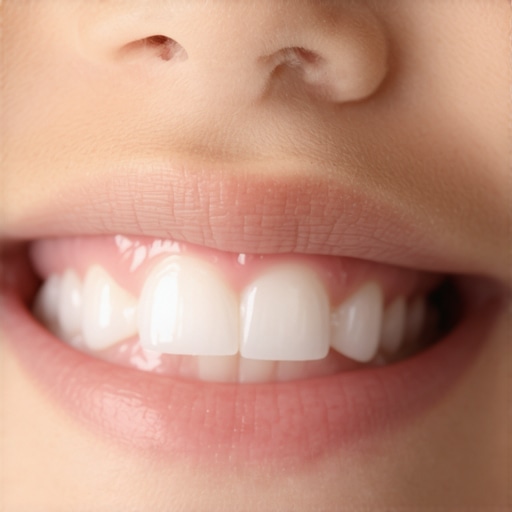
The Hidden Trap of Brushing Too Soon After Snacks
There is another subtle nuance that most parents get wrong: the timing of the brush. If Leo just finished a bowl of strawberries or a glass of orange juice, my old instinct was to rush him to the sink to ‘save’ his teeth from the sugar. This is actually counterproductive. A study cited by the Mayo Clinic suggests that acidic foods and drinks temporarily soften the tooth enamel. If you brush immediately, you are essentially scrubbing that acid directly into the porous surface of the tooth, causing faster wear. That is why we recommend waiting thirty minutes to brush after eating fruit. It gives your saliva enough time to neutralize the pH balance and re-mineralize the enamel. I also spent years thinking that transforming your smile with cosmetic procedures was purely about looks. But the truth is that contouring and veneers often serve a structural purpose, correcting misalignments that cause teeth to chip or wear down prematurely. When you view family dentistry through a functional lens, you realize that even small ‘aesthetic’ fixes can prevent a lifetime of expensive repairs. Have you ever fallen into this trap—like the ‘immediate brushing’ mistake? Let me know in the comments.
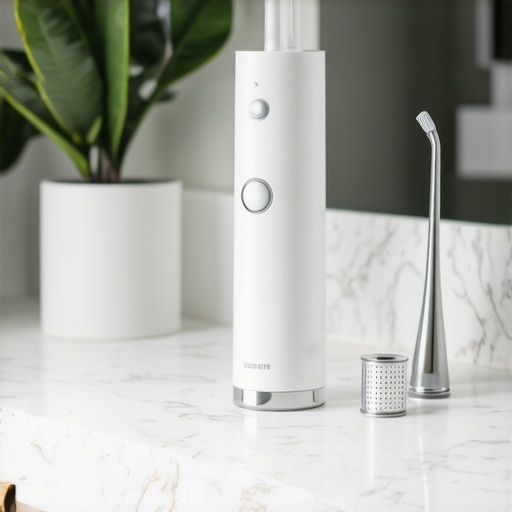
I used to think a drawer full of colorful floss picks meant I was winning at the parenting game. Then I realized half of them ended up under Leo’s bed or floating in the dog’s water bowl. Switching to a high-quality water flosser was a messy learning curve—mostly involving me accidentally spraying the bathroom mirror and my own shirt—but it completely changed our approach to preventive tips for long-lasting dental health for families. I specifically recommend a countertop model with adjustable pressure settings. Why? Because the handheld versions often lose power as the battery dies, leading to an inconsistent clean. A steady stream of pressurized water can penetrate those 3mm gingival pockets that traditional string floss often skims over, making it one of the most effective benefits of using a water flosser for anyone prone to gum inflammation.
How do I maintain a healthy family smile over time?
The boring answer is consistency, but the proactive answer is monitoring. I’ve added a small, high-intensity LED dental mirror to our home kit. Once a month, I do a ‘spot check’ on the backs of Leo’s lower front teeth and his upper molars. I’m looking for ‘chalky’ white spots, which are the first signs of demineralization before a cavity even forms. Catching these early allows us to use remineralizing pastes rather than needing a drill later. This kind of vigilance is a core part of expert advice for a lifetime of healthy teeth. We also introduced a stainless steel tongue scraper into the morning routine. Many people think brushing the tongue with a toothbrush is enough, but a study published in the Journal of Periodontology found that a dedicated tongue scraper removes significantly more odor-causing bacteria and volatile sulfur compounds. That is exactly why your dentist wants you to use a tongue scraper; it treats the source of biofilm rather than just moving it around.
Scrape Away the Bacteria and Prevent Long-Term Issues
As we look toward the future, I predict we will soon see smart toothbrushes equipped with real-time pH sensors that sync to our phones, alerting us the moment our mouth becomes too acidic after a meal. For now, we rely on the tools we have to keep regular teeth cleaning from becoming a source of stress. I also swear by using a ‘low-abrasion’ toothpaste for the whole family. Many whitening brands use high levels of silica that can actually wear down your enamel over decades of use. By choosing a paste with a low RDA (Relative Dentin Abrasivity) value, we are protecting the precious enamel we have left. This is particularly vital when following gentle teeth cleaning best practices for sensitive gums. I encourage you to try one advanced tip tonight: after your final rinse, don’t drink anything but water before bed. Give your saliva the best possible environment to repair your teeth while you sleep. Have you ever checked the RDA value on your toothpaste? You might be surprised what you find.
The Reality of Keeping Tiny Teeth Cavity-Free
Looking back at the ‘lion’ incident on the bathroom floor, I’ve realized that the biggest hurdle wasn’t Leo’s attitude—it was my own misconception of what a successful routine looked like. I had to learn that oral health myths busted what every family should know often start with our own anxieties. My first ‘lightbulb moment’ was realizing that I was focusing on the *brushing* when I should have been focusing on the *atmosphere*. When I stopped treating it like a chore and started treating it like a special one-on-one adventure, the resistance vanished. Another hard-earned lesson? Don’t wait for a problem to visit the office. Understanding how regular dental cleanings can save you money in the long run helped me see these visits as an investment, not an expense. Finally, I learned that cosmetic concerns often mask functional needs. Staying updated on cosmetic dentistry trends that transform your smile this year showed me that even small adjustments can improve bite alignment and make cleaning easier for everyone in the family. It is about the long game, not just the single tooth.
Tools That Actually Ended the Bathroom Battles
I’ve spent a lot of money on gadgets that ended up in the trash, but a few items have become non-negotiable in our house. First, a countertop water flosser with a ‘child mode’ setting is a game-changer for getting between tight teeth without the drama of string floss. Second, I highly recommend a high-quality LED dental mirror; it allows you to spot demineralization before it becomes a cavity. We also transitioned to a low-abrasion fluoride paste that doesn’t ‘sting,’ which was a major sensory trigger for Leo. These simple additions to our family dentistry tips that make oral care effortless and effective have turned a thirty-minute struggle into a five-minute breeze. [IMAGE_PLACEHOLDER]
Take the First Step Toward a Lifetime of Smiles
You don’t have to be a perfect parent to raise a child with a perfect smile. You just have to be consistent and a little bit creative. By centering your home care around curiosity rather than control, you are doing more than just preventing cavities; you are building a foundation of confidence. Embracing family dentistry building a foundation of healthy smiles for all ages means you’re growing together, learning together, and—most importantly—smiling together. Your future self (and your child’s future self) will thank you for the effort you put in today. What is the biggest challenge you face during your child’s brushing routine? Let me know in the comments below!