
I remember sitting on my bathroom floor, wrestling with a screaming two-year-old while trying to shove a wet washcloth into his mouth. I honestly thought, “There is no way a professional can handle this.” I had made a classic rookie mistake in the world of family dentistry: I was waiting for all his teeth to come in before even considering a professional visit. I was convinced that a dental chair would be a disaster zone until he was old enough to sit perfectly still and recite the alphabet. My stubbornness led to a frantic late-night Google search when I noticed a tiny, suspicious spot on his molar. That was my wake-up call. I realized that knowing when to start isn’t about age or a specific number of teeth; it’s about preparation and early habit-building.
Stop Waiting for a Full Set of Teeth
The biggest myth I used to believe was that a child needs a mouth full of teeth for a cleaning to be worth the trip. In reality, the American Academy of Pediatric Dentistry (AAPD) recommends that a child has their first visit by their first birthday or within six months of their first tooth erupting. It felt early to me, too. But the goal isn’t just a deep scrub; it’s about acclimating them to the environment so they don’t develop a lifelong fear. If you are struggling at home, perhaps because you are still figuring out how to get your toddler to stop biting the toothbrush, a professional can actually offer the transition you need. Today, we are going to dive into the behavioral and physical signs that your little one is ready to trade the bathroom floor for the dental chair.
Is a dental visit actually worth the stress for a toddler?
I get the skepticism. Why pay for a visit when they might just scream the whole time? I worried about this constantly. I was terrified of the dental suction noise causing a total meltdown. But here is the secret I learned: the first cleaning is more about the “how” than the “what.” It’s about building a foundation of effortless and effective oral care. When I finally took my son, the hygienist spent more time showing him the “magic chair” and the “water squirter” than she did actually poking around. It turned a scary mystery into a fun game. If your child is showing curiosity about your own brushing routine or if they have started to tolerate you brushing their teeth without a full-scale battle, they are likely more ready than you think. Have you found yourself putting off that first appointment because you’re worried about how your child will react to the new environment?
Early intervention is the best way to prevent issues before they start. According to the American Academy of Pediatric Dentistry, dental decay is the most common chronic childhood disease, yet it is almost entirely preventable with early visits. By the time I took my son, I realized my delay was purely based on my own anxiety, not his lack of readiness. We’re going to walk through the exact steps to prepare them so that first cleaning is a win for both of you.
Turning Your Living Room into a Training Ground
Preparation doesn’t start the morning of the appointment; it starts weeks before. I used to think that just talking about the dentist was enough, but for a toddler, words like “cleaning” or “checkup” are abstract and potentially scary. You need to make the experience tactile. We started playing “dentist” with my son’s favorite stuffed bear. I would have him hold a small flashlight while I “counted” the bear’s teeth with the back of a toothbrush. This simple role-play removes the mystery of the physical exam. It’s one of the most effective family dental care hacks to keep your kids smiling daily because it transforms a clinical procedure into a game they already know how to play.
Normalize the Tools of the Trade Before You Arrive
The sensory input at a dental office is what usually triggers a meltdown. Think about it: the bright overhead lights, the vibrating tools, and the strange tastes are an assault on a child’s senses. To combat this, I started using an electric toothbrush at home occasionally just to get him used to the vibration against his lips and teeth. If you are worried about how they will react to the environment, especially if they have sensitive needs, learning how to clean your childs teeth when they have sensory processing issues can provide a roadmap for gradual desensitization. We even watched videos of other kids getting their teeth cleaned so he could see the “magic sunglasses” (the safety glasses) and the “thirsty straw” (the suction tool) in action. 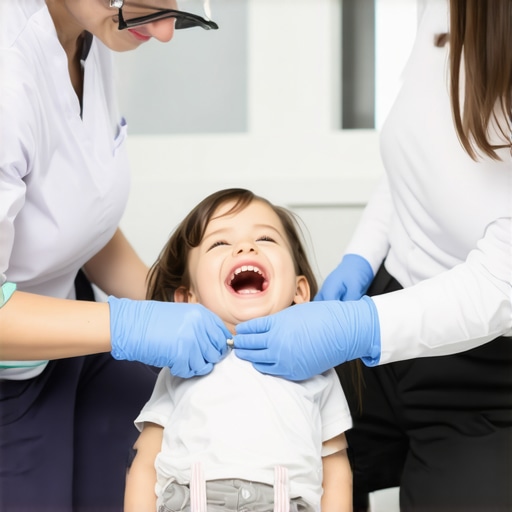
The Knee-to-Knee Exam is Your Best Friend
Many parents don’t realize that for very young children, the “big chair” is optional. During our first successful visit, the dentist used a “knee-to-knee” technique. I sat in a chair facing the dentist, and my son sat on my lap facing me. Then, I simply leaned him back into the dentist’s lap. This allowed him to keep physical contact with me—his safe person—while the dentist performed a quick but thorough exam. It was a game-changer. It took away the fear of being alone in a giant, mechanical chair. This technique is a staple in family dentistry because it prioritizes the child’s emotional comfort while ensuring the clinician can check for early signs of decay or alignment issues.
Focus on the Victory Instead of the Perfection
I remember one specific visit where my son refused to open his mouth for more than ten seconds at a time. I was mortified, apologizing profusely to the hygienist. She stopped me and said, “He let me count five teeth. That’s five more than last time. That’s a win.” That shift in perspective changed everything for me. We aren’t looking for a perfect teeth cleaning session on day one; we are looking for a positive association. If they only let the dentist brush three teeth with a manual brush, celebrate it. Over-praising the small successes is how you eventually get them to the point where they can sit through a full cleaning. We even used a timer at home to practice, similar to how to get your kids to brush for the full two minutes, making the concept of “time in the chair” a challenge they could win.
Ignore the Common Myths About Baby Teeth
One of the biggest hurdles I faced was my own internal monologue telling me that baby teeth “don’t matter” because they fall out anyway. This is one of those oral health myths busted by every modern pediatric specialist. Baby teeth act as placeholders for permanent teeth; if they are lost too early due to decay, it can cause major crowding and alignment issues later. Treat that first cleaning as a diagnostic mission. The goal is to ensure the jaw is developing correctly and the enamel is strong. By treating these visits as essential health maintenance rather than an optional chore, you set a tone of importance that your child will eventually mirror.
Most of us were raised with the ‘scrub-a-dub’ mentality. We think that if we aren’t feeling the friction, we aren’t getting the plaque. But here is the contrarian truth: your enamel is like fine porcelain, not a dirty cast-iron skillet. When I started looking closer at the science of preventive tips for long-lasting dental health for families, I was shocked to find that aggressive mechanical action does more harm than good. We often equate ‘harder’ with ‘cleaner,’ but in the world of high-level oral care, that mindset is a liability.
Can you actually over-clean your teeth to the point of damage?
The short answer is a resounding yes. While consistency is vital, the intensity can be destructive. A landmark study published in the Journal of Clinical Periodontology found that excessive force combined with hard bristles is a primary driver of gingival recession and non-carious cervical lesions. Essentially, you are wearing your teeth away under the guise of hygiene. If you’ve noticed your teeth getting more sensitive, it might not be a cavity; it might be your own hand-heavy technique. This is why learning how to choose the right toothbrush bristle strength for your gums is actually an advanced health decision, not just a casual shopping choice.
Stop Falling for the Hard-Bristle Trap
The most common ‘oops’ factor I see—and I fell for this myself for years—is reaching for ‘medium’ or ‘hard’ bristles because they feel more substantial. It’s a total trap. These stiff bristles act like sandpaper on your delicate gum line. This is exactly why your gums recede faster if you use a hard-bristled brush. Once that gum tissue is gone, it doesn’t just grow back; you’re looking at expensive grafts or lifelong sensitivity. 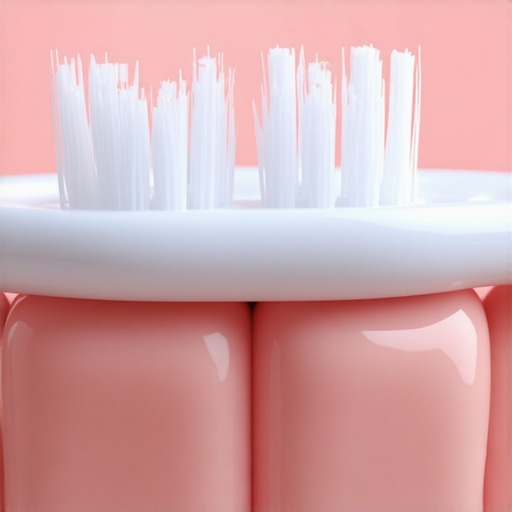
Whitening Isn’t a Substitute for Health
There is a dangerous trend of using cosmetic dentistry innovations you cant miss this year to mask underlying neglect. I have seen people spend thousands on veneers or whitening while their gum health is in shambles. It is the dental equivalent of putting a fresh coat of paint on a house with a crumbling foundation. You cannot ‘whiten’ your way out of periodontal disease. When we look at oral health myths debunked, the biggest one is that a bright smile equals a healthy one. True health is found in the integrity of the tissue and the balance of the oral microbiome, not just the shade of your enamel. Have you ever fallen into this trap of prioritizing the look of your smile over the actual health of your gums? Let me know in the comments.
Mastering the Soft-Touch Technique
To truly protect your smile, you have to unlearn the ‘scrubbing’ motion. Instead, think of it as a gentle massage. Using a soft-bristled brush at a 45-degree angle toward the gum line allows the bristles to slip under the margin without causing trauma. This nuance is what separates basic hygiene from professional-level expert advice for a lifetime of healthy teeth. It feels too soft at first, almost like you aren’t doing enough, but your long-term gum health will thank you. If you are ever in doubt, a quick check-up is the best way to see if your technique is actually working. Feel free to contact us if you’re worried your current routine might be causing more harm than good.
Stop Guessing and Start Measuring Your Progress
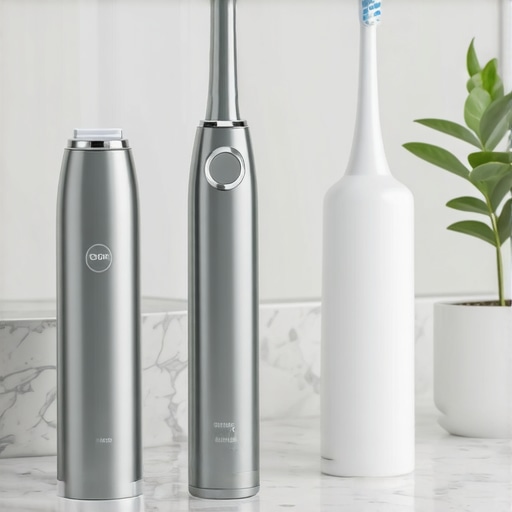
Once you’ve mastered the soft-touch technique, the next step is moving from manual effort to precise technology. I used to think a standard string of floss was the gold standard, but my perspective shifted when I started seeing the data on ‘missed spots.’ For me, the game-changer was a high-quality water flosser. It isn’t just about the convenience; it’s about the hydraulic pressure that flushes out the biofilm in places where literal string can’t reach. I personally use it because it’s much more forgiving on my gums, and I’ve seen a massive decrease in inflammation since switching. If you’ve been on the fence, looking into the benefits of using a water flosser for patients with gum disease might convince you to upgrade your toolkit.
The One Gadget That Actually Changed My Routine
If you want to talk about true oral health authority, we have to talk about the tongue. Most people use their toothbrush on their tongue, but that’s like trying to sweep a carpet with a rake. I switched to a medical-grade stainless steel tongue scraper, and the difference in my morning breath was immediate. A study published in the Journal of Periodontology highlighted that tongue scrapers are significantly more effective than toothbrushes at removing volatile sulfur compounds (VSCs), which are the primary culprits of bad breath. I prefer the steel version over plastic because it’s easier to sterilize and lasts a lifetime. You might find that why your breath smells bad even after you scrape your tongue often comes down to the material and technique you’re using, rather than just the act itself.
How do I maintain my dental results over the long term?
Consistency is the only metric that matters in the end. I follow what I call ‘habit stacking.’ I never just brush my teeth; I brush my teeth while the coffee is brewing or while I’m listening to a specific two-minute daily news podcast. This anchors the habit to something I’m already doing. When you look at the top 5 secrets to maintaining perfect oral health as a family, you’ll see that the most successful families treat dental care as a non-negotiable rhythm, like putting on a seatbelt. Whether you are figuring out how to maintain your porcelain veneers so they last twenty years or just keeping your natural enamel strong, the secret is never skipping those micro-moments of care. Remember, how regular dental cleanings can save you money in the long run is a financial reality, not just a health suggestion.
The Future of Your Bathroom Counter
Looking ahead, I predict we are going to see a massive shift toward bio-individual dental care. We are already seeing the rise of smart brushes that sync with your phone to map your mouth in 3D, showing you exactly where you’re leaving plaque behind. By 2026, I expect at-home microbiome testing kits will be as common as pregnancy tests, allowing us to see which bacteria are thriving in our mouths before a cavity even forms. We are entering an era of revolutionary teeth cleaning techniques for 2025 that prioritize prevention through data. If you’re ready to take your routine to a professional level, I highly recommend trying one week of ‘water flossing first’ before you brush. It loosens the debris so your fluoride toothpaste can actually reach the surface of the tooth. If you have questions about which tech is right for your specific needs, feel free to contact us to chat about your options.
What I Know Now That I Didn’t Know Then
After years of parenting and diving deep into the science of dentistry, I’ve realized that the biggest barrier to a healthy mouth isn’t the cost of the brush; it’s the mindset. I wish I’d known that my child’s fear was often just a reflection of my own internal tension. I also learned that ‘white teeth’ aren’t always ‘healthy teeth.’ Checking out the latest oral health myths debunked really opened my eyes to how much misinformation is out there. Here are my lightbulb moments:
- Fear is a learned behavior: If you treat the dentist like a ‘necessary evil,’ your child will too. Treat it like a spa day for your teeth.
- Consistency trumps force: Brushing gently for two minutes is infinitely better than scrubbing for thirty seconds.
- The ‘Wait and See’ method is expensive: Waiting for a tooth to hurt before calling a professional is the fastest way to double your dental bill.
Tools That Finally Made the Morning Rush Easier
When it comes to gear, I stopped buying the flashy ‘as seen on TV’ gadgets and focused on what actually delivers results for my household. These are the real top 5 secrets to maintaining perfect oral health as a family. I personally swear by a medical-grade stainless steel tongue scraper to keep everyone’s breath fresh and a high-quality water flosser that makes cleaning between braces much less of a chore. For my own routine, I’ve prioritized expert advice for a lifetime of healthy teeth by switching to extra-soft bristles to protect my receding gum line. #IMAGE_PLACE_FINAL#
Start Writing Your Family’s Dental Success Story Today
Lastly, I look at the cost of care differently now. I see every check-up as a deposit into a future where my kids don’t need major surgery or corrective procedures because we caught the small things early. Understanding how regular dental cleanings can save you money in the long run turned a dental chore into a smart financial strategy. Your family deserves a lifetime of confident smiles, and it all starts with the very next appointment you book. Don’t be afraid to ask the ‘silly’ questions—a great dentist is your partner in this journey, not just a technician. Which part of the daily dental routine does your little one struggle with the most? Let me know in the comments below!