
I remember standing in my kitchen at six in the morning, jaw aching and eyes watering, trying desperately not to gag on a tablespoon of cold, solidified coconut oil. I had seen a dozen videos claiming this ancient practice would magically ‘draw out toxins’ and heal my cavities overnight. I was so convinced that I actually skipped my flossing routine for a week, thinking the oil was doing all the heavy lifting. Spoiler alert: it wasn’t. That was the first major mistake I made in my journey toward a better smile, and it ended with a very sheepish visit to my local office for a much-needed professional teeth cleaning. Today, I want to cut through the social media noise and tell you exactly what oil pulling can—and absolutely cannot—do for your mouth.
Why I Stopped Treating My Kitchen Pantry Like a Pharmacy
The allure of a natural ‘miracle cure’ is strong, especially when you are worried about the cost or discomfort of traditional procedures. We have all been there, looking for a way to make family dentistry a little more affordable or simple. But my early mistake was viewing oil pulling as a replacement for evidence-based care. While the practice has roots in Ayurvedic medicine, it is not a magic wand. I learned the hard way that while swishing oil might feel like a deep clean, it does not reach the calcified plaque that only a professional can remove. When I finally looked at the oral health myths debunked for 2025, I realized I was putting my enamel at risk by ignoring the basics. Have you ever tried a ‘natural’ dental hack that ended up backfiring on you? I would love to hear if I am not the only one who fell for the hype!
Is Swishing Oil Just a Massive Waste of Time?
It is the question everyone asks when they are ten minutes into a twenty-minute swishing session. The reality is that while oil pulling might help reduce certain types of bacteria in the mouth, it is statistically less effective than standard antimicrobial mouthwashes. In fact, the American Dental Association (ADA) has stated that there are currently no reliable clinical studies showing that oil pulling reduces cavities or improves oral health beyond what we achieve with brushing and flossing. If you are looking for a brighter smile, you might find better results by looking into the science behind teeth whitening rather than relying on a jar of cooking oil. I still believe there is a place for holistic habits, but they have to work alongside, not against, the regular teeth cleaning routines that actually keep us out of the dental chair for emergencies.
Master the Art of the Twenty-Minute Swish
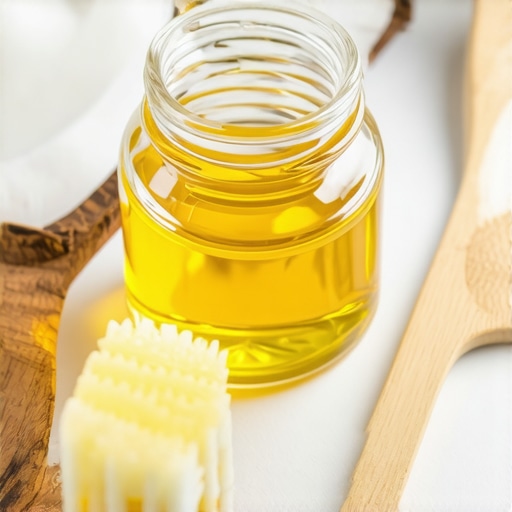
Think of oil pulling like a pre-wash for your mouth. If you were cleaning a greasy pan, you wouldn’t just blast it with water; you’d use something that binds to the fat. In your mouth, the ‘grease’ is actually the fatty membranes of bacteria. Swishing oil helps loosen these microscopic hitchhikers. I usually suggest starting with a single tablespoon of high-quality, organic oil. If you want to know the specifics of which varieties actually help with brightness, check out the truth about oil pulling for whiter teeth and healthy gums before you buy the first jar you see on the shelf.
Choose Your Oil Like a Pro
Most people reach for coconut oil because it tastes better, but sesame oil is the traditional choice. Whichever you pick, the key is the ‘pulling’ motion. You aren’t just gargling; you are pushing and pulling the liquid through the gaps between your teeth. This is where I messed up early on. I swished so aggressively my jaw felt like I’d run a marathon. It should be a gentle, rhythmic movement. If your face starts to ache after two minutes, you are working too hard. Relax your jaw and let the oil do the chemical work.
The Right Way to Spit and Rinse
This is the part where things usually get messy. I will never forget the Tuesday morning I decided to spit my coconut oil directly down the bathroom sink. Within a week, the oil had solidified in the pipes, and I was staring at a two-hundred-dollar plumbing bill. Learn from my mistake: always spit into a trash can. After you spit, your mouth will feel coated and, frankly, a bit gross. This is when you need to rinse thoroughly with warm salt water. This helps neutralize the environment and clears away any lingering debris the oil loosened but didn’t quite carry away.
The Proper Sequence for Your Routine
Timing is everything when you are trying to maximize your family dentistry habits. I used to pull oil after brushing, which is completely backward. You want to oil pull first thing in the morning on an empty stomach. This clears out the morning breath bacteria before they have a chance to settle in. Once you finish rinsing, that is when you grab your brush. Understanding how to integrate these steps is vital because how regular dental cleanings can save you money in the long run depends on your ability to prevent plaque from turning into tartar at home. After brushing, I highly recommend using a tool to clear your tongue; you might be surprised at why your dentist wants you to use a tongue scraper to finish the job properly.
Respect the Limits of Your Kitchen Tools
No matter how long you swish, oil cannot replace the mechanical action of a toothbrush. Think of the oil as a soak and the brush as the scrub brush. If you skip the scrub, the film stays. When you do brush, make sure you know how to choose the right toothbrush bristle strength for your gums so you don’t undo the benefits of your holistic routine by scrubbing your enamel away. A soft-bristled brush used in circular motions is the perfect follow-up to a fifteen-minute oil pull. This combination ensures you are tackling both the chemical and physical aspects of oral hygiene without causing unnecessary wear and tear on your smile.
Stop Brushing Right After Your Morning Coffee
Here is the hard truth: most people think they are being dental superstars by rushing to the sink the second they finish a meal. It feels like the right move, especially if you are dedicated to maintaining oral health, but you might actually be sandpapering your own smile. When you consume acidic foods or drinks—like that morning coffee or a healthy bowl of fruit—your enamel enters a temporary state of demineralization. It becomes ‘soft.’ If you brush during this window, you are literally scrubbing away your protective layers. This is one of the most persistent oral health myths debunked for this year. The American Dental Association actually suggests waiting at least 60 minutes after eating acidic foods to brush, allowing your saliva to naturally remineralize the teeth. Have you ever fallen into this trap of brushing immediately to be ‘cleaner’? Let me know in the comments!
Why Your Teeth Still Look Yellow Despite Regular Brushing
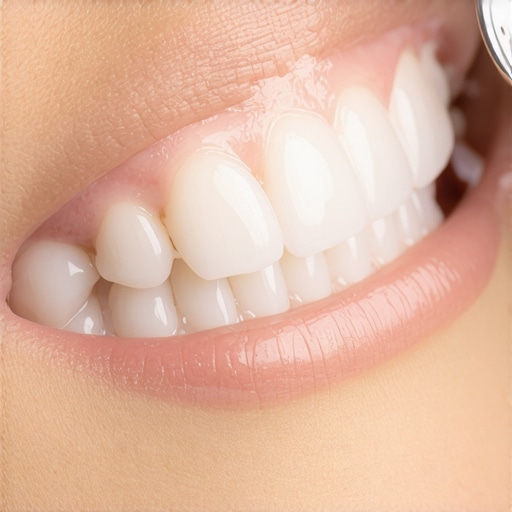
It is incredibly frustrating when you follow every rule in the book—oil pulling, flossing, and twice-daily brushing—and yet the reason your teeth look yellow persists. This is where the nuance of dental anatomy comes in. Many of my readers are shocked to learn that the yellow hue they see often isn’t a stain on the surface; it is the dentin showing through. As we age, or if we use overly aggressive ‘natural’ whitening hacks, our enamel thins. Since enamel is translucent, the naturally yellowish dentin underneath becomes more visible. If you are struggling with this, standard scrubbing won’t help. You might need to explore how to whiten your teeth if you have naturally thin enamel or look into cosmetic dentistry innovations that focus on bonding or veneers to restore that bright, youthful opacity.
Can Professional Cleanings Really Fix a History of Neglect?
I often get asked if a single session of professional teeth cleaning can ‘reset’ years of skipping the floss. While modern technology is impressive, there is a limit to what a hygienist can do in sixty minutes. Advanced plaque, or tartar, can lead to pocketing in the gums that no amount of swishing can reach. This is why family dentistry focuses so heavily on the ‘foundation’ of the smile. If the bone and gums are compromised by chronic inflammation, even the most expensive cosmetic dentistry won’t stay looking good for long. We have to stop thinking of the dentist as a ‘repair shop’ and start viewing it as a partner in biological maintenance. Real expertise means knowing that the best results come from the synergy of your twenty-minute morning routine and the high-tech tools used during your bi-annual checkups. By avoiding the common ‘oops’ of over-brushing and understanding your own enamel thickness, you’re already miles ahead of the average person scrolling through social media for the next big hack.
If the dentist is your strategic partner in biological maintenance, the tools in your bathroom cabinet are the front-line employees doing the heavy lifting every single day. I used to think a five-dollar manual brush was ‘good enough’ until I realized I was paying for that frugality with every filling. Now, I’ve shifted my focus to a more precise toolkit that ensures my family dentistry visits are quick, easy, and cavity-free. My first non-negotiable is an electric toothbrush with a built-in pressure sensor. I personally use one that pulses when I press too hard, which is vital because I used to be a chronic over-scrubber. This specific feature is the best way to prevent the damage I mentioned earlier regarding enamel wear. If you are still using a manual brush, you might want to look into how to choose the right toothbrush bristle strength for your gums to ensure you aren’t accidentally doing more harm than good.
Why Water Flossing Beats Traditional String Every Time
For years, I lied to my hygienist about flossing. We all do it. But the game changed for me when I invested in a high-quality water flosser. While traditional floss is great for tight contacts, a water flosser flushes out the ‘biofilm’ that lives in the pockets of your gums where string simply cannot reach. If you have ever dealt with bleeding or puffy areas, you will find the benefits of using a water flosser for patients with gum disease are nearly immediate. I use mine on the ‘pulse’ setting once a day, and the difference in my gum health was confirmed by my dentist during my last professional teeth cleaning. It’s not just about comfort; it’s about the mechanical precision of water pressure clearing away bacteria that oil pulling only loosens. This kind of tech is how you implement preventive tips for long-lasting dental health for families without the daily struggle of manual flossing.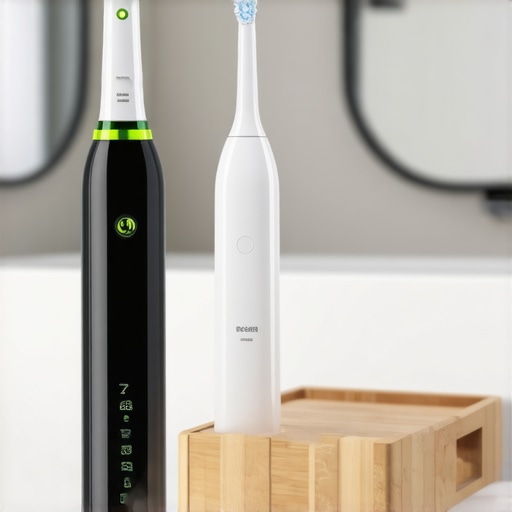
How do I stay on top of my oral health for the long haul?
Maintenance isn’t a one-time event; it’s a series of small, automated habits. To keep my smile consistent, I rely on a combination of high-tech tools and a strict schedule. Beyond the brush and flosser, I’ve started using a smart-mirror app that tracks which areas of my mouth I miss most often. It sounds overkill, but data doesn’t lie. Even if you’ve invested in enhancing confidence with cosmetic dentistry, that investment only lasts if the underlying structure is healthy. For example, if you have restored your smile, you must learn how to maintain your porcelain veneers so they last twenty years through consistent, non-abrasive care. Looking ahead, I predict we will see home-use versions of laser dentistry technology, similar to how we use laser dentistry to treat gum disease without scalpels in clinical settings today, becoming part of our nightly routines. The evidence is clear: Cochrane Library’s systematic review confirms that powered toothbrushes using a rotation-oscillation action reduce plaque by 21% more than manual brushes over a three-month period. That is a massive margin when you’re trying to avoid the drill. I challenge you to swap your manual brush for a pressure-sensing electric one this week and feel the difference in your enamel smoothness after just one day!
The Dental Epiphany That Changed My Mornings Forever
Reflecting on my transition from kitchen pantry hacks to a more grounded approach, I realized that the best habits are the ones you actually stick to. I used to think that being natural meant avoiding the professional chair, but I have learned that true family dentistry is about a strategic collaboration between home care and clinical expertise. Here are the lightbulb moments that finally made my oral health click:
- Prevention is significantly cheaper than cure: I learned that how regular teeth cleaning can prevent major dental issues far more effectively than a month of frantic oil pulling.
- Gentleness always wins: Scrubbing harder does not mean cleaning better; it usually just leads to thinning enamel and receding gums.
- Biofilm is incredibly stubborn: While oil can loosen microscopic debris, mechanical action is what actually removes the sticky bacteria that cause decay.
- Holistic doesn’t mean anti-science: The most successful routines I have seen combine ancient wisdom with modern, data-backed tools.
Gear That Actually Deserves Space in Your Bathroom
If you are serious about maintaining perfect oral health as a family, you need to be picky about your toolkit. I have narrowed my counter space down to four non-negotiables: a pressure-sensing electric toothbrush to save my enamel, a high-quality water flosser, a stainless steel tongue scraper, and a remineralizing toothpaste. These tools provide the precision that manual methods simply cannot match. I also recommend keeping a guide to professional teeth cleaning techniques handy so you can speak the same language as your hygienist during your biannual visits.
#IMAGE_PLACEHOLDER_E#
Take Control of Your Smile Starting Tomorrow
Your journey toward a healthier mouth does not have to be flawless from day one. Whether you are curious about the latest cosmetic dentistry innovations to refresh your look or you just want to build a better foundation of healthy smiles for your children, every small choice counts. Do not let the noise of social media trends distract you from the proven basics that work. Take a breath, grab your flosser, and remember that your smile is one of your greatest assets. I challenge you to swap one manual tool for a tech-focused upgrade this week—your future self will thank you for the shorter dental appointments and the confidence of a healthy mouth! Have you ever tried a natural dental hack that actually worked, or did it end in a disaster like my plumbing nightmare? Let me know in the comments below!