
I’ll never forget the time I walked out of a particularly long appointment feeling like I’d just been through a ten-round boxing match. My teeth were gleaming, sure, but my jaw was so stiff I could barely get a “thank you” out to the receptionist. I remember sitting in the parking lot, gingerly massaging my cheeks and wondering if the hygienist had secretly used a car jack to keep my mouth open. It’s a frustrating, throbbing sensation that makes you second-guess whether maintaining oral health is supposed to be this literal of a pain in the neck. If you’ve ever felt like your face was made of stone after a deep scale and polish, I want you to know you aren’t alone, and you definitely aren’t doing it wrong. Today, we’re going to dig into why those muscles revolt after a cleaning and what you can do to make your next visit way more comfortable.
Your Jaw Muscles Just Pulled a Double Shift
When we talk about how regular teeth cleaning can prevent major dental issues, we usually focus on the enamel and the gums. But we often forget about the masseter—the heavy-lifting muscle that powers your chew. During a long cleaning, especially if you’re getting gentle teeth cleaning best practices for sensitive gums, you’re asking that muscle to stay stretched in an unnatural position for thirty, forty, or even sixty minutes. Imagine holding a five-pound dumbbell at arm’s length for an hour. Your shoulder would scream, right? Your jaw is doing the exact same thing. Early in my journey of fixing my smile, I made the huge mistake of trying to “tough it out” without asking for a bite block or a break. I thought I was being the “perfect patient” by staying perfectly still, but I was actually just setting myself up for three days of Ibuprofen and soup. I’ve since learned that family dentistry tips aren’t just for kids; they’re about making the chair experience bearable for everyone.
Is it actually normal to hurt this much?
You might be worried that the dentist was too rough or that you have a secret underlying condition. While it’s true that some of us have a more sensitive jaw that makes a popping sound when you yawn, most of the time, this is just simple muscle fatigue. It’s the same type of “good sore” you get after a gym workout, just in a much more annoying location. Have you ever had to cancel plans after a cleaning because you just couldn’t imagine talking or eating? It’s more common than people admit! According to research published by the American Dental Association, prolonged mouth opening is one of the leading causes of temporary trismus (lockjaw) in clinical settings. The goal isn’t just to survive the appointment, but to use revolutionary teeth cleaning techniques that prioritize your comfort as much as your hygiene.
Use a Bite Block to Let Your Muscles Rest
One of the simplest ways to avoid that post-cleaning ache is to stop fighting gravity. For years, I thought I had to use my own muscle power to keep my mouth wide enough for the hygienist. I would spend sixty minutes in a state of high-tension isometric exercise, terrified that if I relaxed even a millimeter, I’d be in the way. Then, a few years ago, my dentist handed me a small, rubberized triangle called a bite block. It is essentially a ‘mouth pillow’ that holds your teeth apart for you. By resting your upper and lower teeth on this firm yet flexible device, you effectively take the load off your masseter and temporomandibular joints. It was a complete game-changer; for the first time, I didn’t feel like I had been in a wrestling match after a comprehensive teeth cleaning session. If your dentist doesn’t offer one, ask for it—it is a staple in modern dentistry that many patients simply do not realize is an option. 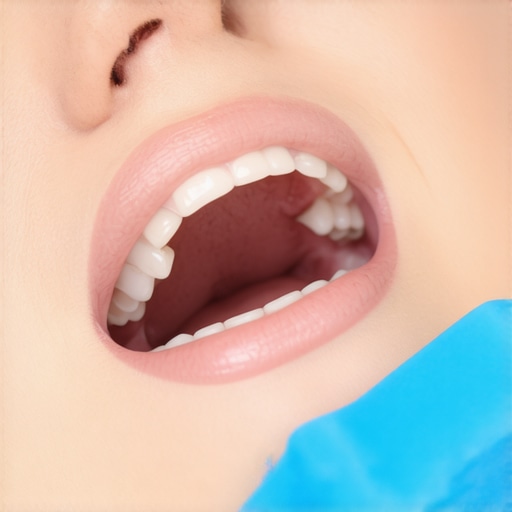
Signal for a Break Before the Spasms Start
We often feel like we are on a conveyor belt once the cleaning starts, but you have more control over the pace than you think. I used to wait until my jaw was literally shaking or my tongue was cramping before I would try to speak up. Now, I establish a simple hand signal—usually a raised left hand—to let the team know I need thirty seconds to close my mouth and swallow. This tiny reset prevents the muscle from reaching a point of total exhaustion and allows the blood to flow back into the compressed tissues. If you struggle with staying still for long periods, managing dental anxiety often starts with these small control measures that signal to your brain that you are safe and in charge of the experience.
Apply Gentle Heat Once You Get Home
If you have already finished the appointment and that all-too-familiar dull throb is setting in, skip the ice pack. Unless there was an actual surgical injury or a tooth extraction, your jaw pain is likely muscular fatigue rather than acute inflammation. Think of it like a cramped calf muscle after a long run. A warm compress or a heating pad on a low setting applied to the sides of your face will help dilate the blood vessels and circulate oxygen through those tight, lactic-acid-filled fibers. I have found that ten minutes of moist heat followed by very gentle jaw opening-and-closing stretches can significantly reduce the ‘locked’ feeling by evening. While you are recovering, you might also notice tooth sensitivity after a professional scale and polish, which can make you subconsciously clench your teeth. Using a desensitizing toothpaste for a few days can stop that clench-reflex from making your jaw muscles work overtime.
Address Grinding Before the Next Visit
Sometimes, the reason your jaw is so sensitive to being held open is that it is already overworked from nighttime grinding, also known as bruxism. If you wake up with a headache or notice your teeth are wearing down at the edges, you are essentially starting your dental appointment with a muscle that is already ‘pre-fatigued.’ Learning how to soothe a sore jaw from teeth grinding through the use of a custom nightguard can make your biannual cleanings much less traumatic for your facial structure. If you have ever noticed that your jaw makes a popping sound, mention this to your provider at the very start. They can adjust their seating angle or offer more frequent, shorter breaks to accommodate your specific joint health.
Stop Chasing the Scrape: Why Aggressive Cleaners Can Backfire
Commonly, I hear people brag about how their hygienist ‘really got in there,’ as if the quality of the visit is measured by the amount of bleeding or the intensity of the pressure. This is a dangerous misconception. In my experience, over-aggressive scaling can lead to permanent recession or damage to the delicate root surfaces. We should be aiming for the removal of the biofilm—the invisible, sticky bacteria—rather than trying to sand down the tooth itself. If you are constantly asking for more pressure, you might actually be making your maintaining oral health goals harder to reach in the long run. Have you ever fallen into the trap of thinking a painful cleaning is a better cleaning? Let me know in the comments.
Can professional scaling actually trigger systemic inflammation?
While it sounds counterintuitive, the very act of cleaning can release oral bacteria into your bloodstream. A study published in the Journal of Clinical Periodontology found that while regular teeth cleaning can prevent major dental issues, the process itself causes a brief, transient spike in systemic inflammatory markers. This is why we are so meticulous about your medical history before picking up a scaler. It is not just about your teeth; it is about how your body handles that temporary bacterial load. This is a level of detail often missed in generic family dentistry tips, but it is vital for long-term health.
Avoid the Post-Cleaning Whitening Trap
One of the biggest ‘oops’ moments I see is patients rushing home to use over-the-counter strips right after a professional visit. They see that their teeth are already looking brighter and want to ‘supercharge’ the result. But remember, a professional scale and polish leaves your enamel ‘thirsty.’ The tubules are more exposed than usual, and applying harsh chemicals immediately can lead to excruciating nerve zaps and even gum irritation. This is one of those oral health myths debunked: whitening is not a post-cleaning ‘finish’; it is a separate procedure that requires its own timing. Understanding the science behind teeth whitening means knowing when to wait for your natural protective layer to reform.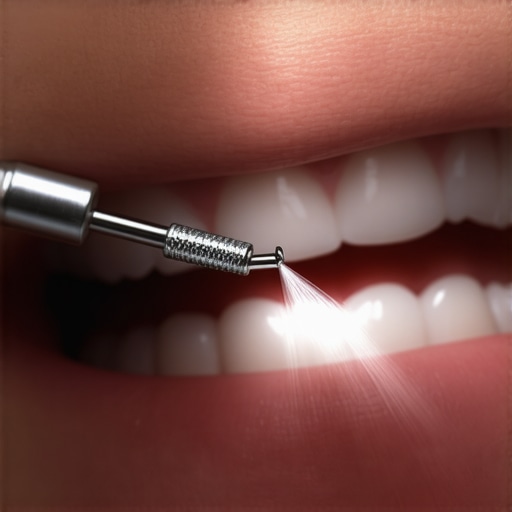
Why Precision Beats Power in Cosmetic Care
The hidden nuance of a truly great dental visit is that the best work is often the least invasive. We are seeing this shift clearly in contouring veneers and other restorative trends. The goal is no longer to replace what you have, but to preserve and enhance it. When you realize that gentle teeth cleaning best practices for sensitive gums are actually the gold standard for everyone, you stop dreading the chair. You start to see that the most effective hygienists are those who work with your anatomy rather than fighting against it. If your last cleaning felt like a battle, it might be time to rethink the techniques being used on your smile.Once you leave the office with that smooth, glass-like feeling on your teeth, the real work begins at your bathroom sink. I used to think that a standard manual brush and a bit of string were enough to keep the dentist away, but my recurring jaw pain and plaque buildup told a different story. The transition from ‘surviving’ the dentist to ‘mastering’ home care happened when I stopped treating my routine like a chore and started treating it like high-precision maintenance.
The Water Flosser Changed My Morning Routine
For years, I struggled with traditional floss. It felt like I was just moving debris around rather than removing it, and my gums often felt irritated. Switching to a high-quality water irrigator was a revelation. Unlike string, which can be hard to maneuver around the back molars, a water flosser uses a targeted stream of pressurized water to flush out the pockets that a brush simply cannot reach. This is especially critical if you are exploring the benefits of using a water flosser for patients with gum disease. I personally recommend starting on a lower pressure setting—somewhere around 30 to 45 PSI—to let your tissue acclimate before ramping up to the deep-clean modes. It’s not just about the pressure; it’s about the pulsation. A study conducted by Dr. C. Goyal and published in the Journal of Clinical Dentistry found that a water flosser was significantly more effective than string flossing at reducing gingival bleeding and plaque. 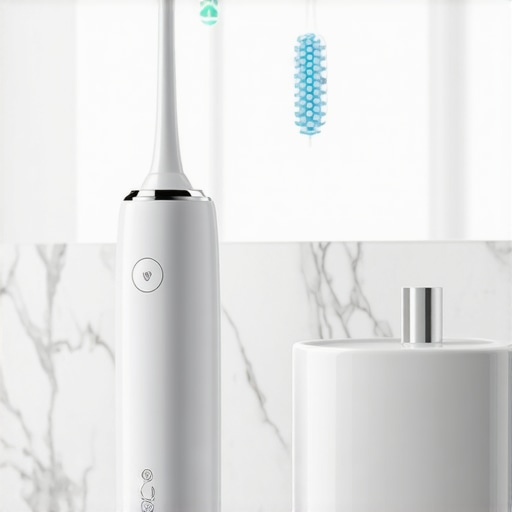
Why High-Frequency Vibration Beats Muscle Power
If you are still using a manual toothbrush, you are likely working harder than you need to and potentially doing damage. I used to scrub my teeth so hard I was causing my own gum recession. Now, I rely on sonic technology that does the work at 30,000 to 60,000 brush strokes per minute. This high-frequency vibration creates ‘non-contact’ cleaning, where the fluid dynamics actually push toothpaste and water into the gaps between your teeth. When you choose the right toothbrush bristle strength for your gums, you ensure that this power isn’t abrasive. Soft bristles paired with sonic vibration are the gold standard for preserving enamel while obliterating the biofilm. This is a key part of preventive tips for long-lasting dental health for families because it removes the ‘human error’ of brushing too hard or too soft.
What is the secret to keeping your teeth for life?
Long-term results aren’t about one-off expensive procedures; they are about the consistency of your secrets to maintaining perfect oral health. If you have invested in aesthetic work, you must know how to maintain your porcelain veneers so they last twenty years. This involves using non-abrasive gels and avoiding the ‘bite and twist’ motion with hard foods. Maintenance is a marathon, not a sprint. I suggest keeping a ‘dental diary’ on your phone—just a quick note of any sensitivity or bleeding—so you can provide your hygienist with specific data during your next visit.
AI and Sensors Are Taking Over the Bathroom Sink
Looking ahead, the trend is moving toward hyper-personalized data. We are already seeing toothbrushes equipped with AI that map your mouth in real-time, showing you exactly which spots you missed via a smartphone app. In the near future, I predict we will have ‘smart’ saliva sensors that can detect shifts in your microbiome before a cavity even forms. We are moving toward revolutionary teeth cleaning techniques for 2025 that focus on biological monitoring rather than just mechanical scraping. For now, my best advice is to try this: tomorrow morning, use your water flosser on the ‘pulse’ setting for exactly sixty seconds before you brush. You will be amazed at the difference in how ‘light’ your mouth feels by lunchtime.
Lessons from a Former Dental Chair Dodger
Over the years, I have realized that communication is the most powerful tool in the dentist’s office. I used to think my role was to be a silent statue, but that is how I ended up with a locked jaw. One major lightbulb moment was discovering that oral health myths debunked in recent years prove that toughing it out actually hinders the hygienist’s work because tight muscles create a smaller workspace. Another lesson? Your family dentistry tips are only as good as your willingness to speak up. If you feel a spasm, stop the session. It is much better to take five extra minutes than to spend three days in pain.
My Daily Gear for a Stress-Free Smile
If you want to walk into your next appointment with confidence, you need to prep your mouth at home. I swear by my water flosser; it handles the heavy lifting so the hygienist doesn’t have to scrape as hard. You can read more about the benefits of using a water flosser for patients with gum disease if you are looking to minimize chair time. I also switched to an ultra-soft brush because I learned that choosing the right toothbrush bristle strength for your gums prevents the micro-inflammation that makes cleanings feel like a chore. Lastly, for the parents out there, remember that family dentistry building a foundation of healthy smiles for all ages starts with making these visits feel routine and relaxed, not like a high-stakes test.
Your Journey to a Pain-Free Cleaning Starts Now
Taking the dread out of the dental chair is a gift you give to your future self. By implementing these small shifts—like asking for a bite block or using heat therapy afterward—you transform maintaining oral health from a source of anxiety into a simple part of your wellness routine. You deserve a smile that feels as good as it looks. If you are ready to experience a different kind of care, do not hesitate to reach out and schedule a consultation today. Have you ever had a lightbulb moment where you realized you could actually ask your dentist for a break? Let me know in the comments below!