
I remember staring at the ceiling at 3:14 AM, my heart beating in perfect, painful synchronization with my upper left molar. I was exhausted. I was frustrated. But mostly, I was confused. Just six hours earlier, I’d been happily eating dinner and laughing at a movie without a single twinge of discomfort. Why did my tooth wait until I was horizontal and desperate for sleep to start its aggressive drum solo? I honestly felt like my own body was playing a cruel joke on me. If you have ever found yourself pacing the kitchen floor with an ice pack while the rest of the world sleeps, you are definitely not alone. It is a specific kind of lonely misery, and today, I want to help you understand exactly why this happens and what you can do to reclaim your nights.
The Nighttime Throb is Not Just Your Imagination
You aren’t crazy, and it’s not just because the house is quiet that you’re noticing the pain more. When I first started dealing with this, I made a major mistake: I assumed that because the pain vanished the moment I stood up and started my morning coffee, I could just ignore it. I told myself it was probably just a bit of temporary sensitivity. I even looked into best practices for sensitive gums, thinking I could just brush the problem away. But here is the reality I learned the hard way: your tooth feels fine during the day because you are upright. When you lie down, blood rushes to your head, increasing the pressure inside that sensitive tooth. According to the American Association of Endodontists, this increased blood flow can significantly intensify the pressure on a dental pulp that is already inflamed. It’s basically a plumbing issue inside your jaw. We’re going to look at how to manage this pressure and when that throb is actually a ‘red alert’ from your body. Have you ever had a toothache that seemed to magically disappear the second you walked into the dentist’s office?
Is a nightguard really going to fix this?
Many people worry that a nighttime toothache means an immediate, scary surgery, or they skeptically wonder if they just need to stop grinding their teeth. While learning how to soothe a sore jaw from grinding can certainly help if the issue is muscular, a rhythmic throb usually points to something deeper. I used to think a nighttime ache was just stress, but ignoring the underlying cause is how a simple fix turns into a complex procedure. Whether it’s a hidden cavity or a mounting infection, your body uses the quiet of the night to tell you that something is wrong. We need to distinguish if your jaw pain is from stress or a cavity before the sun comes up again. It’s about more than just getting through the night; it’s about making sure regular dental issues don’t turn into emergencies. Let’s dive into the practical steps to settle that nerve down right now.
Stop the Blood Rush to Your Jaw
The first thing you have to do is fight gravity. If you’re lying flat, you’re basically inviting every drop of blood in your body to go hang out in your face. Think of your inflamed tooth like a bruised thumb—if you let it hang down, it throbs; if you hold it up, it settles. Stack your pillows. I’m talking about a significant incline, almost like you’re resting in a lounge chair. When I had that 3:14 AM crisis, I grabbed every decorative pillow my wife had on the guest bed. It was overkill, but once my head was about six inches higher than my heart, that aggressive drum solo in my tooth finally dimmed to a background hum. This is a simple physics solution to a biological problem. High pressure inside the tooth pulp is what causes that rhythmic pulsing sensation, and elevation is your quickest way to drop that pressure without a prescription.
Rinse Away the Local Inflammation
Next, look at what you’re putting in your mouth right before bed. A lot of people reach for ice-cold water, thinking it will numb the pain. If you have an exposed nerve or a leaky filling, that’s like throwing gasoline on a fire. Instead, go for a lukewarm saltwater rinse. It helps draw out some of the fluid causing that pressure and acts as a mild antiseptic. While you’re at it, check if you’ve been grinding. If you wake up with a dull ache across your whole face rather than one specific spot, you might just need to learn how to soothe a sore jaw from grinding. But if it’s a localized, sharp throb that gets worse when you lay down, the saltwater is just a temporary bandage for a deeper issue.
When to Suspect Your Sinuses Are the Culprit
You also need to rule out phantom toothaches. Sometimes, what feels like a dental emergency is actually a clogged pipe elsewhere. You should learn the signs you have a sinus infection rather than a toothache, because the roots of your upper teeth sit right against your sinus cavities. If you have a cold and your teeth hurt, gravity isn’t the only enemy—inflammation in your nose is putting direct pressure on your dental nerves. If the pain is strictly dental, it is usually a sign that maintaining oral health through daily habits has been compromised by a specific structural failure. For instance, you can usually tell if your filling is leaking if you feel a sharp zing when you drink something sweet or cold. This is your body’s way of saying that the protective barrier is gone. While how regular teeth cleaning could have caught the decay before it reached the pulp, once you’re at the throbbing stage, we’re looking at more direct intervention. We need to decide how to tell if your jaw pain is from stress or a cavity so the treatment plan matches the problem. Use these quiet hours to note if the pain is constant or only happens when you bite down, as that detail will be the first thing your dentist asks.
The reality is, most people only call their dentist when that detail becomes unbearable, but waiting for pain is the single biggest mistake you can make. In my experience, we’ve been conditioned to think of family dentistry as a reactive service—something you use only when a part of the machine breaks down. But the real nuance in maintaining oral health is that it’s actually about managing a complex biological ecosystem. By the time a tooth starts that rhythmic midnight throb I described earlier, you’ve usually missed the window for a simple, low-cost fix. This is why understanding how regular dental cleanings can save you money in the long run isn’t just a slogan; it’s a biological reality. Waiting for symptoms before booking an appointment is like waiting for your car engine to smoke before checking the oil.
The Dangers of the Aggressive Scrubber
One of the biggest ‘oops’ factors I see with patients is the over-enthusiastic brusher. We often assume that more pressure equals a cleaner mouth, but this is a dangerous trap. If you are using a hard-bristled brush to tackle stains, you are likely contributing to permanent recession. You should definitely learn why your gums recede faster if you use a hard-bristled brush. It’s not about the force; it’s about the consistency of the technique. I have seen countless patients who have literally scrubbed their protective enamel away, leading to the very sensitivity they were trying to prevent. Have you ever fallen into the trap of thinking a harder scrub meant a healthier smile? Let me know in the comments.
Does professional whitening actually damage your structural integrity?
This is a sophisticated concern I hear from many patients who worry that cosmetic dentistry is just ‘painting over’ problems or weakening their teeth. However, according to a study published in the Journal of the American Dental Association (JADA), professionally supervised whitening using carbamide peroxide does not alter the mineral content or hardness of enamel when following clinical protocols. The true risk lies in DIY methods. Store-bought kits often lack the custom fit needed to protect the gums, leading to chemical burns or uneven results. If you want to brighten your look, investigating the science behind teeth whitening shows that professional oversight is what keeps the process safe. It’s about enhancing confidence with cosmetic dentistry without sacrificing the underlying foundation of your teeth. 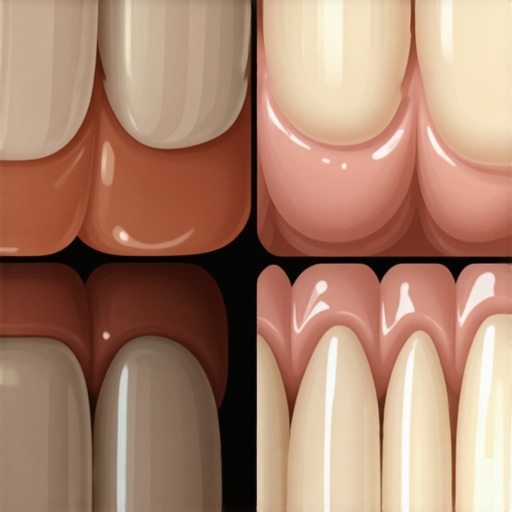
Stop Viewing Your Mouth in Isolation
The hidden nuance most people miss is that oral health is not localized to your jaw. We used to think gum disease was just a ‘mouth problem,’ but research from the American Academy of Periodontology has shown a significant link between periodontal disease and systemic conditions like heart disease and diabetes. When you skip a teeth cleaning technique session, you aren’t just leaving plaque behind; you’re leaving a gateway open for systemic inflammation. Whether you are curious about the impact of cosmetic dentistry in 2025 or just trying to keep your family healthy, remember that your smile is the first line of defense for your entire body. Establishing a foundation of healthy smiles for all ages is the most effective way to ensure that 3:14 AM wake-up call never happens again.
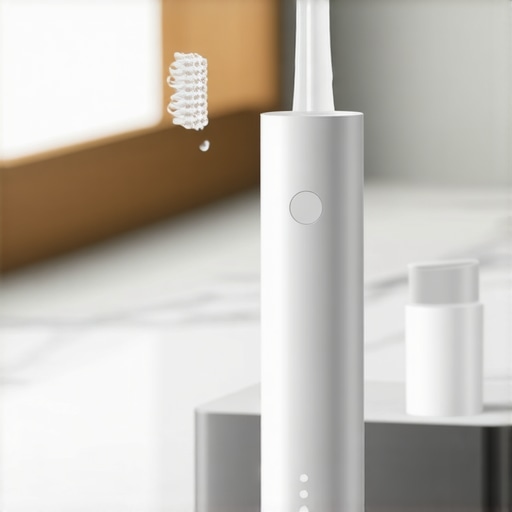
Once you realize that your mouth is the gateway to your heart and lungs, the way you look at your toothbrush changes. It stops being a chore and starts being a maintenance ritual for a high-performance machine. To keep this machine running without another 3:00 AM wake-up call, I’ve had to get specific about the gear I use. I don’t just use a water flosser because it’s trendy; I use it because it targets the ‘col’—that small, sunken area of gum tissue between your teeth where traditional string floss often skips over. If you struggle with hardware, the benefits of using a water flosser are undeniable, especially for reaching those tight spots where a permanent retainer might be trapping food particles.
Put Your Floss on Autopilot
I personally recommend a water flosser with at least ten pressure settings. Why? Because your gums aren’t the same every day. Some mornings they might feel tender, and other days they can handle a higher ‘power wash.’ This level of customization is how you avoid the trauma of over-scrubbing while still ensuring that biofilm doesn’t harden into tartar. When we look at revolutionary teeth cleaning techniques for 2025, we see a massive shift toward these personalized, hydro-powered tools that do the heavy lifting for you. It’s about working smarter, not harder, to keep the foundation of your family dentistry plan solid.
Say Goodbye to Those Messy Pink Molds
The tech we use in the office is also evolving to make your life easier. I remember the days of gagging on that cold, gooey putty used for dental impressions. Thankfully, those days are fading. We now lean heavily on digital technology, and knowing how we use digital scanners to avoid messy dental molds is a game changer for anyone with a sensitive gag reflex. These scanners aren’t just for comfort; they create a 3D map of your mouth that is far more accurate for designing contouring veneers and the future of cosmetic dentistry. This precision is the difference between a filling that feels ‘off’ and one that integrates perfectly into your bite from day one.
How can I keep my smile perfect for decades?
Maintenance is a marathon, not a sprint. If you’ve invested in your smile, you need to know how to maintain your porcelain veneers so they last twenty years or more. It comes down to the three-pillar approach: non-abrasive pastes, nightly protection against grinding, and consistent professional check-ins. According to the FDI World Dental Federation’s ‘Vision 2030’ report, the future of dentistry lies in ‘precision oral medicine,’ where we will eventually use molecular diagnostics from your saliva to predict cavities before they even form. This isn’t sci-fi; it’s the direction of maintaining oral health for the next generation. By sticking to preventive tips for long-lasting dental health, you are setting yourself up for a future where ‘drilling and filling’ is the exception, not the rule. My challenge for you tonight: swap your manual floss for a high-quality water flosser for just seven days and see if your gums stop that ‘itchy’ feeling often associated with why your gums feel itchy after a deep cleaning.
What That Midnight Throb Taught Me About My Body
Through years of clinical experience and my own 3:00 AM realizations, I’ve learned that a toothache is rarely about the tooth alone. First, your mouth is a mirror; when your gums are struggling, your heart and immune system are often working overtime too. Second, I realized that proactive care is the ultimate wealth-builder—not just for your wallet, but for your time and sanity. Third, consistency always beats intensity. It doesn’t matter how hard you scrub if you aren’t reaching the right areas with the right tools. Finally, I’ve seen that family dentistry should be a collaborative journey where we focus on education as much as treatment to prevent these crises before they start.
My Favorite Habits to Protect Your Smile
I don’t just recommend these tools because they are modern; I recommend them because they solve the ‘human error’ factor in oral care. I personally trust high-quality water flossers because they turn a tedious chore into a thirty-second habit that actually reaches where string cannot, which is vital for long-term health. I also closely follow the FDI World Dental Federation’s ‘Vision 2030’ report, which highlights how molecular diagnostics will soon change how we catch decay before a drill is ever needed. Additionally, for anyone who has invested in their look, following specific guides on how to maintain your porcelain veneers ensures your investment stays stunning for decades. These are the strategies that move the needle from just ‘getting by’ to truly thriving.
A Lifetime of Health Starts Today
The goal isn’t just to stop the pain for one night; it’s to create a rhythm where you never have to fear that rhythmic midnight pulse again. By focusing on preventive tips for long-lasting dental health, you are giving yourself and your family the gift of confidence and comfort. Don’t wait for the next throb to take action. Whether you are curious about the impact of cosmetic dentistry in 2025 or just need to get back on track with a professional cleaning, the best time to start is right now. Your future self will thank you for the peace of mind and the restful sleep. Have you ever noticed that your dental pain gets significantly worse when you are stressed or lying down? Let me know in the comments below!