
There I was, halfway through a slice of artisan sourdough—the kind that’s mostly crust and sheer determination—when I heard it. A metallic tink that resonated right through my jawbone. Then came the sensation of a sharp, wayward wire staging an uprising against my tongue. My permanent retainer, the silent guardian of my straight teeth for the last eight years, had finally surrendered. If you’ve ever felt that sudden, jagged edge while trying to enjoy a meal, you know the instant spike of adrenaline. It isn’t just the physical discomfort; it’s the immediate, nagging fear that years of orthodontic work are going to unravel before dessert is even served.
Stop the Panic Before You Grab the Pliers
When mine first broke, my first instinct was to handle it myself. I actually reached for a pair of nail clippers, thinking I could just “trim” the problem away. Please, learn from my near-disaster: do not do that. DIY dental work is a one-way ticket to a much more expensive appointment. [Why you should never use superglue to fix a broken denture](https://gentlesmiledentist.com/why-you-should-never-use-superglue-to-fix-a-broken-denture) or a retainer is a lesson I learned the hard way. Instead, the very first thing you need to do is gently assess the damage. Is the wire still attached but poking you, or has a bond completely failed? While you might feel like your teeth are already moving, the reality is that [how to stop your bottom teeth from shifting as you get older](https://gentlesmiledentist.com/how-to-stop-your-bottom-teeth-from-shifting-as-you-get-older) is a long-term game, not a thirty-minute sprint. According to the American Association of Orthodontists, while a broken retainer is an urgent matter, it rarely qualifies as a life-threatening emergency unless you are at risk of swallowing a wire.
Is a permanent retainer actually worth the hassle?
You might be sitting there, dabbing at a sore spot on your gum, wondering why you ever agreed to have a wire glued to your teeth in the first place. I’ve been there. After my mishap, I spent the whole night researching [oral health myths debunked](https://gentlesmiledentist.com/oral-health-myths-debunked-what-you-need-to-know-in-2025) to see if I could just live without it. The truth is, these little wires do the heavy lifting that removable retainers often miss because, let’s be honest, we all forget to wear those. Today, I’m going to walk you through exactly how to manage the sharp edges, what to tell your dentist, and how to ensure your [family dentistry](https://gentlesmiledentist.com/family-dentistry-building-a-foundation-of-healthy-smiles-for-all-ages) team gets you back to normal. Have you ever had a dental “oops” moment happen at the absolute worst time, like a first date or a holiday dinner? Let’s dive into the immediate steps to take so you can finish your evening without looking like you’ve been chewing on a cactus.
Stop the Sharpness Right Now
The very first thing I did—and what you should do too—is grab a clean, well-lit mirror and do a quick visual inspection. You need to see if the wire is actually snapped or if the composite ‘button’ (that little blob of dental glue) has just detached from a tooth.
Try the Gentle Finger Test First
If the wire is dangling, it’s a hazard; if it’s just loose, it’s a nuisance. When this happened to me, I used a clean Q-tip to gently nudge the wire to see how much play it had. I realized that why your filling feels sharp to your tongue but looks fine to the eye is a sensation very similar to a loose retainer bond—it feels like a mountain in your mouth even if it looks like a molehill. Once you identify the culprit, rinse your mouth with warm salt water to clear any debris and soothe any raw spots on your tongue.
Reach for the Orthodontic Wax
If you don’t have a stash of orthodontic wax from your braces days, run to the nearest pharmacy. This stuff is a lifesaver. Think of it as a protective bumper for your mouth. I remember being at my best friend’s wedding when my lower wire started shredding my tongue like a cheese grater. I spent twenty minutes in the bathroom applying a pea-sized amount of wax over the sharp end. It didn’t fix the wire, but it created a smooth barrier that allowed me to give a toast without a lisp. Simply pinch off a small piece, roll it into a ball between your fingers to warm it up, and press it firmly over the offending wire. 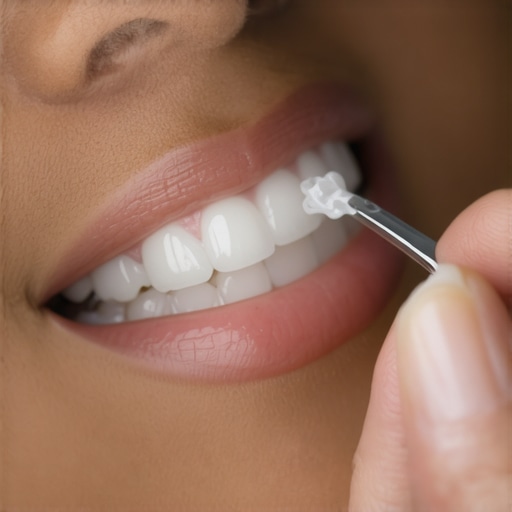
Keep Your Smile Intact Until You Get Help
While the wax handles the immediate pain, you need to manage the environment of your mouth to ensure no further damage occurs before you can see a professional.
Ditch the Crunchy Foods for a Few Days
Until you can get into the chair of your family dentistry specialist, you have to treat your mouth like a construction zone. Avoid anything sticky or excessively crunchy. I once tried to ignore a loose bond and bit into a sourdough baguette—huge mistake. The pressure caused the rest of the wire to torque, pulling on the remaining healthy bonds. Much like why your crown feels loose specifically when you eat bread, the chewy texture of certain foods can create a suction or leverage that turns a minor repair into a full replacement. Stick to soft foods like yogurt, mashed potatoes, or smoothies while learning how to prevent your permanent retainer from trapping food particles around the damaged area.
Book Your Repair Before Your Teeth Shift
The final and most important step is the timeline. Don’t wait. Your teeth start to remember their old, crooked positions faster than you’d think. While you wait for your appointment, you might experience some tension in your jaw from the change in pressure. Knowing the best way to soothe a sore jaw from teeth grinding can actually help if the new sensation makes you clench your teeth out of habit. When you reach out via the contact us page, explain exactly which tooth the bond has failed on so the team can prep the right materials before you even arrive.
Your ‘Permanent’ Retainer Isn’t Actually Eternal
The biggest misconception I see—and one I fell for myself—is the belief that ‘permanent’ means ‘maintenance-free.’ In the world of family dentistry, we often treat these wires as a set-it-and-forget-it solution, but that is a dangerous trap. The composite resin holding that wire to your teeth is essentially the same material used in fillings, and it is subject to the same daily chemical and mechanical erosion. Most people think a bond failure is a freak accident, but it’s often the result of years of micro-stress. If you’ve ever wondered how regular teeth cleaning can prevent major dental issues, consider this: a professional cleaning is the only time that wire is truly inspected for micro-fractures. Have you ever fallen into this trap of thinking your dental hardware was invincible? Let me know in the comments.
Why does your bond keep failing on that one specific tooth?
If you find yourself back in the chair every six months for the same repair, the problem might not be the glue; it’s likely your occlusion, or how your teeth meet. Advanced clinical studies, including research published in the American Journal of Orthodontics and Dentofacial Orthopedics, suggest that even a millimeter of ‘heavy contact’ from an upper tooth can fatigue the bond on a lower retainer wire over time. This is a nuance many people miss when they assume they just bit into something too hard. This is also where enhancing confidence with cosmetic dentistry overlaps with functional health—sometimes, a slight adjustment to your bite is more effective than a tenth re-bonding session.
The Hidden Risk of the ‘Minor’ Wire Poke
A common mistake is assuming that if the wire isn’t hurting, it isn’t doing damage. I call this the ‘Silent Shift.’ When one bond fails, the wire can act as a lever rather than a stabilizer. Instead of holding your teeth in place, it begins to exert active pressure on the remaining bonded teeth, potentially moving them into worse positions than before you had braces. This is why maintaining oral health requires a proactive rather than reactive mindset. If you wait until the wire is visibly bent, you’ve waited too long. 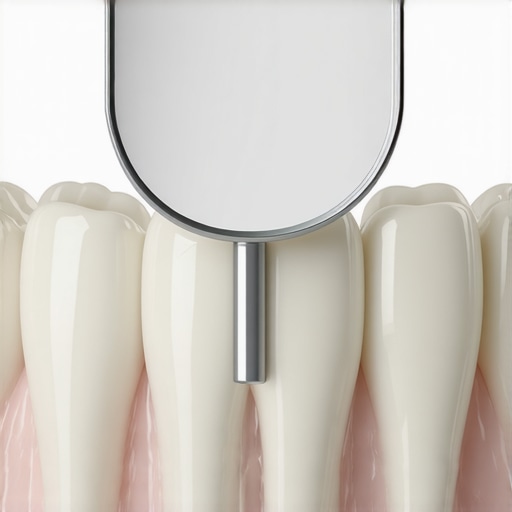
Don’t Let Your Retainer Become a Plaque Magnet
The ‘oops’ factor here is the cleaning paradox. When a bond loosens even slightly, it creates a microscopic gap. This gap is the perfect size for biofilm and bacteria to move in, but too small for your toothbrush bristles to reach. I’ve seen cases where the tooth remained straight, but the enamel underneath the ‘loose’ bond suffered significant decalcification. Much like how to maintain your porcelain veneers, the secret to a long-lasting lingual wire is meticulous interdental cleaning. If you aren’t using a threader or a water flosser, you are essentially leaving a ‘trash collector’ in your mouth. If you’re unsure if your current hardware is still doing its job, it’s always better to reach out through our contact us page for a quick check-up before a small loose bond becomes a large cavity.
The One Tool I Refuse to Travel Without
After my retainer crisis, I became obsessive about my daily toolkit. I realized that my old-school flossing habits were exactly why I didn’t notice the bond failing sooner. If you have a permanent wire, you need to understand that standard floss is often like trying to clean a skyscraper with a toothbrush. I eventually switched to a high-pressure water flosser, specifically because the specialized ‘orthodontic tip’ can blast out the microscopic calcification that builds up behind the wire. The benefits of using a water flosser for patients with gum disease aren’t just for those with bleeding gums; it’s about using hydraulic force to clear the path where your manual brush simply cannot reach. I personally use mine on the ‘medium-high’ setting every night—it’s the only way I feel like the space between the wire and the enamel is truly sterile.
How do I keep my smile perfect for decades?
The answer isn’t just about the wire—it’s about the support system you build around it. I started focusing on family dentistry tips that make oral care effortless and effective, like setting a recurring ‘hardware check’ alert on my phone that has nothing to do with my six-month cleaning. Every Sunday night, I do a ‘mirror check’ with a high-intensity penlight. I’m looking for any dullness in the composite glue or any ‘give’ when I gently press a silicone picker against the wire. This proactive approach is essential for how to stop your teeth from shifting after your braces come off for good. If you wait for the wire to poke you, the shift has already begun.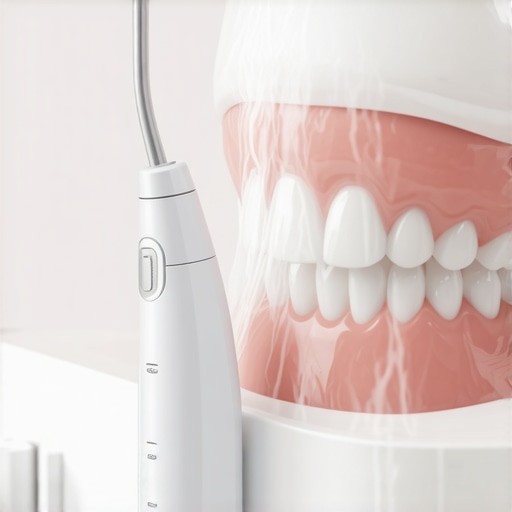
Your Manual Brush is Leaving Half the Job Unfinished
Let’s be real: a manual brush is fine for the flat surfaces, but it’s essentially useless for the nooks created by a lingual wire. According to a long-term clinical study published in the Journal of Clinical Orthodontics, nearly 27% of mandibular lingual retainers experience some form of bond fatigue or failure within a ten-year period. That’s nearly one in three people. To beat those odds, you need to master how to prevent your permanent retainer from trapping food particles by using interdental brushes that are 0.4mm or smaller. I prefer the ones with a plastic-coated wire core so they don’t scratch the dental resin. Looking ahead, I predict we are less than five years away from smartphone-based AI scanners that will allow you to take a 3D video of your teeth at home and have an app immediately flag a hairline fracture in your bond. Until that tech hits the mainstream, you have to be your own scanner. I highly recommend trying this today: go to a mirror, use a bright light, and ‘wiggle test’ every single bond point with a clean finger. If even one feels slightly different or has a ‘click’ sound, don’t wait—reach out via the contact us page to get professional eyes on it. Realizing how regular teeth cleaning can prevent major dental issues is the difference between a twenty-minute repair and a full orthodontic retreat.
What I Discovered After My Seventh Year with a Lingual Wire
The biggest ‘aha’ moment for me was realizing that the wire isn’t the hero; the bond is. I used to think as long as I could see the wire, I was safe. In reality, a single microscopic crack in that glue can start the ‘Silent Shift’ long before you feel a poke. Another lesson? Stress shows up in your mouth first. If you are a clencher, your retainer is under a constant siege that standard brushing won’t fix. Lastly, I learned that how regular dental cleanings can save you money in the long-run is especially true for retainer-wearers, as catch-and-repair is ten times cheaper than a new set of braces.
The Only Tools You Really Need for Maintenance
If you want to keep your results for life, you need more than a prayer. First, get a high-quality water flosser. I have found the benefits of using a water flosser to be game-changing for clearing the gap between the wire and the gums. Second, invest in a dental mirror with an LED light—you cannot fix what you cannot see. Third, keep a packet of orthodontic wax in your car, your desk, and your travel bag. It is the only thing that will save your sanity when a wire fails during a road trip. #IMAGE_PLACEHOLDER_E#
Your Future Smile Deserves a Little Extra Love
At the end of the day, your retainer is a small price to pay for a lifetime of confidence. Whether you are looking into enhancing confidence with cosmetic dentistry or just trying to keep what you have, consistency is your best friend. Don’t wait for a crisis to check in with your family dentistry team. Take that thirty seconds tonight to check your bonds—it might just save your smile. Have you ever had a permanent retainer fail at the absolute worst possible moment? Let me know in the comments below!