
I was lying in bed last Tuesday, minding my own business, when my tongue suddenly discovered a “mountain.” It felt like a jagged, razor-sharp edge right on the side of my molar where I’d just had a filling placed last month. Panicked, I scrambled to the bathroom, grabbed a flashlight, and pulled my cheek back until it hurt. To my utter confusion, the tooth looked perfectly flat. No cracks, no holes, just smooth white composite. I felt like I was losing my mind. How could something feel like a piece of broken glass to my tongue but look like a polished marble to my eyes? It’s a frustrating, distracting sensation that makes you want to cancel your plans and just stare in a magnifying mirror all day. Have you ever found yourself obsessively running your tongue over one spot until it actually started to feel raw?
That Jagged Feeling in an Unexpectedly Smooth Smile
The reality is that our tongues are essentially the high-definition tactile scanners of the human body. Research published in the Journal of Oral Rehabilitation indicates that the human tongue is capable of detecting textures and irregularities as small as 10 micrometers, which is significantly more sensitive than our fingertips or our vision. When you have a new restoration, even a microscopic ledge where the filling meets the natural tooth structure can feel like a massive canyon to your brain. I remember early on in my journey to better oral health, I made a classic ‘neighborly’ mistake: I tried to ‘file down’ a sharp spot myself with a piece of sterilized sandpaper. Don’t do that. It was a disaster that eventually required cosmetic dentistry to fix my DIY repair job and restore the enamel I had accidentally scratched. Today, I want to walk you through exactly why this happens and when you actually need to call the professional office. We’re going to solve the mystery of the ‘invisible edge’ and talk about why teeth feel taller after getting a new filling or, in this case, sharper than they look.
Is fixing a tiny sharp spot really worth the hassle?
You might be thinking, ‘If it looks fine and it doesn’t hurt, can’t I just ignore it?’ Trust me, I’ve been there, thinking I was saving time and money by being ‘tough.’ But that constant friction can lead to a sore tongue or even trigger a loose filling on a holiday weekend because your tongue simply won’t stop messing with it. It’s always better to get a quick two-minute polish now than a major fix later. Sometimes these sensations are tied to oral health myths that suggest if there is no pain, there is no problem. But your tongue is often a better early warning system than your eyes. Whether it’s a minor overhang or a slight mismatch in the bite, your brain is signaling that something is ‘off.’ This is especially common in family dentistry where kids might complain about a tooth feeling ‘funny’ even if the parent can’t see a thing. In my house, we follow a few family dentistry tips that prioritize comfort just as much as hygiene. If you aren’t comfortable, you’re going to keep messing with the area, and that’s when real problems start. Let’s dig into the science of why your mouth is playing tricks on you and how to tell the difference between a normal adjustment period and a real dental flaw that needs a pro’s touch.
Diagnosing the Phantom Edge Without Driving Yourself Crazy
Imagine a single stray hair landing on your tongue; it feels like a thick cable. That’s the same magnification effect happening when a new filling has a microscopic ledge. I call it the "Mt. Everest Effect." To accurately identify what you’re feeling, you need to perform a simple sensory audit. First, dry the tooth with a clean cloth or even a quick puff of air—moisture hides texture. Run your tongue slowly over the area from three different angles: top-down, side-to-side, and from the inside out. Most people find that the "sharpness" only exists when the tongue moves in one specific direction. This is usually a sign of an "overhang," where a tiny amount of filling material has seeped past the boundary of the tooth. It’s a common occurrence in family dentistry, where the focus is on a perfect seal, which sometimes leaves a nearly invisible surplus of composite.
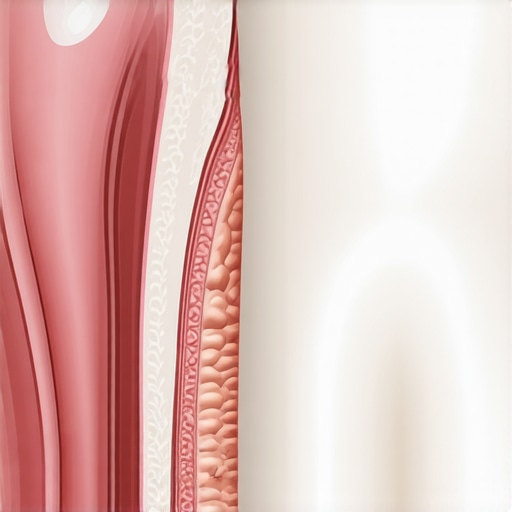
Try the Silk Floss Snag Test
One of the most effective ways to tell if you’re dealing with a real structural flaw or just a sensory trick is the floss test. Take a piece of traditional unwaxed silk floss—not the thick, slippery tape—and gently slide it between the problematic tooth and its neighbor. If the floss shreds, snaps, or catches as you pull it back up, you’ve found a physical ledge. This is a clear indicator that the restoration needs a professional touch-up. I once tried to ignore a snagging floss for a week, thinking I was just being obsessive. By Friday, my gums were swollen because that tiny ledge was trapping food particles like a microscopic shelf. This is why [how-regular-teeth-cleaning-can-prevent-major-dental-issues](https://gentlesmiledentist.com/how-regular-teeth-cleaning-can-prevent-major-dental-issues) is so vital; even if the filling looks great, those hidden snags can become magnets for plaque.
Respect the 48-Hour Brain Adjustment Window
Your brain needs time to update its "mouth map." When a dentist changes the shape of a tooth, even by a hair’s breadth, your nervous system treats it as a foreign object. Give yourself two full days before you decide it’s a problem. During this time, observe if the sensation changes when you’re distracted. If it only bothers you when you think about it, it might just be the adjustment period. However, if you notice that the tooth also feels "thick" or "high" when you bite down, you should read up on how to tell if your crown is too high for your bite. A filling that is slightly too tall will cause the tooth to hit first, which actually pushes the tooth into the socket and can create a sharp, phantom pain that feels like a crack but is actually just a bruised ligament.
Why Professional Polishing Always Beats DIY Fixes
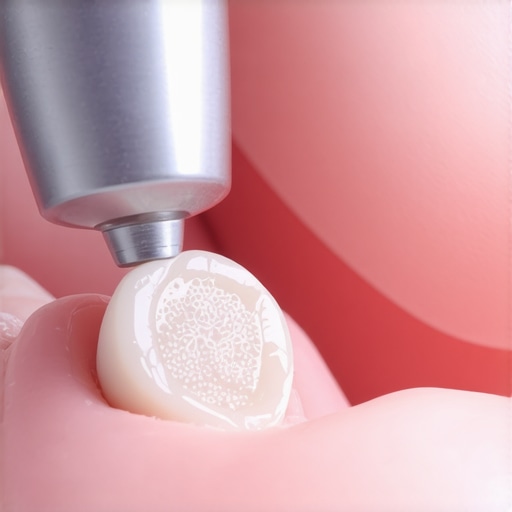
I cannot stress this enough: do not attempt to "smooth out" a sharp tooth with household items. I’ve seen patients use everything from emery boards to metal files, and it always ends in a more expensive trip to the clinic. Modern cosmetic dentistry uses specialized superfine polishing discs that rotate at thousands of RPMs to create a surface smoother than natural enamel. If you find a sharp spot, your dentist can usually buff it out in less than sixty seconds without even needing to numb the area. In our house, we use family dental care hacks to keep the kids calm during these quick adjustments, like bringing their favorite music to drown out the sound of the polishing tool. It’s a painless, fast solution that saves your tongue from weeks of irritation.
The common myth that visual checks are enough
Most people assume that if they can’t see a crack in the mirror, their restoration is perfect. In my years of obsessing over dental details, I’ve realized that vision is actually the least reliable tool we have for diagnosing a successful filling. Many patients tell me they wait for a visible hole before booking an appointment, but by then, the issue is often advanced. The real ‘hidden nuance’ is that a restoration can be chemically perfect but biologically incompatible with your bite. We often focus so much on teeth cleaning techniques and benefits that we forget the structural integrity of the bite itself. If the margin of your filling is even slightly ‘proud’—meaning it sits a fraction of a millimeter above the natural enamel—it creates a shelf. This isn’t just a nuisance; it’s a structural hazard.
The trap of confusing a sharp edge with a high bite
Here is the ‘oops’ factor I see constantly: patients come in convinced they have a jagged edge, but when I test their bite, the problem is actually ‘occlusal trauma.’ This happens when the filling is a tiny bit too tall, forcing that tooth to take the brunt of every chew. The ligament surrounding the tooth becomes bruised and inflamed, sending a signal to your brain that feels remarkably like a sharp, stabbing sensation. It’s one of those oral health myths debunked that ‘if it feels sharp, it must be broken.’ Sometimes, it’s just under too much pressure. If you ignore this, you risk the tooth becoming mobile or even fracturing the new composite.
Why does the sensation disappear when I am eating but scream at me when I am resting?
This is a sophisticated question that points to how our proprioception works. When you’re actively chewing, your brain is processing massive amounts of sensory data from your jaw muscles and the food texture. This masks the ‘phantom edge.’ However, when your mouth is at rest, your tongue—which is always searching for anomalies—latches onto that microscopic ledge. According to the American Dental Association, even a margin discrepancy of 50 micrometers can harbor bacteria and cause localized inflammation. This is why regular dental cleanings can save you money; your hygienist can feel these snags with an explorer tool long before your tongue starts to hurt. Have you ever fallen into this trap of waiting for pain before acting? Let me know in the comments. It’s much easier to invest in expert advice for a lifetime of healthy teeth now than to deal with a cracked restoration on a Sunday night.
Don’t let a tiny snag turn into a major repair
The nuance here is that regular teeth cleaning can prevent major dental issues by identifying these ‘invisible’ snags early. A quick smoothing session with a polishing disc is part of a proactive approach to long-lasting dental health for families. Don’t let your tongue be the only thing telling you something is wrong; trust the clinical tools that find what the mirror misses. If you’re feeling that ‘phantom mountain,’ it’s time to reach out.
Once that initial phantom mountain is buffed away, your focus has to shift from panic to preservation. I used to think that a filling was a ‘one and done’ deal, but the reality is that the boundary between your natural enamel and the composite is a living, changing interface. To keep that transition smooth, I personally recommend switching to an ultra-fine, tapered-bristle toothbrush. I use the Curaprox 5460 because the filaments are significantly denser and softer than standard drug-store brushes, allowing you to sweep over the filling margins without causing the microscopic erosion that leads to future jaggedness. Knowing how to choose the right toothbrush bristle strength for your gums is the first step in ensuring your dental work doesn’t prematurely wear down at the edges.
Stop guessing and start using a tactile audit
Beyond the tools, the method matters. Every Sunday night, I perform what I call a ‘sensory audit.’ After a thorough session of teeth cleaning, I use a high-powered LED mirror to look for any ‘dullness’ where the filling meets the tooth. If the gloss is gone, it means the surface is becoming porous. According to technical documentation from the International Journal of Computerized Dentistry, surface roughness in composite resins increases significantly if the patient uses abrasive whitening toothpastes. This is why I advocate for preventive tips for long-lasting dental health for families that exclude highly abrasive charcoals or ‘whitening’ grits that act like sandpaper on your expensive dental work.
How do I keep my bite feeling perfect for years?
The secret is consistency and avoiding the ‘clench trap.’ When we are stressed, we tend to grind, which can shift the bite just enough to make a perfectly smooth filling feel sharp again. I’ve found that using a water flosser on the lowest setting around the margins of new restorations prevents the ‘ledge’ effect caused by tartar buildup. These secrets to maintaining perfect oral health aren’t about spending hours in the bathroom; they’re about using precision tools. If you’re dealing with multiple restorations, we often look at how we use digital scanners to avoid messy dental molds to create a baseline map of your mouth. This way, if something feels ‘off’ six months from now, we have a digital ‘before’ and ‘after’ to find the microscopic culprit.
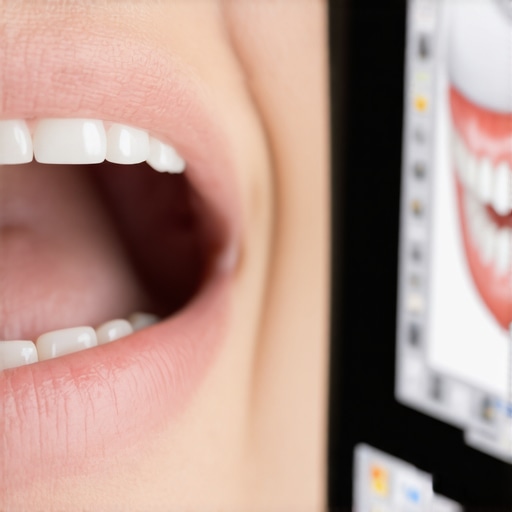
Why AI and 3D mapping are the future of your smile
I predict that within the next three years, we won’t just be relying on our tongues to find these snags. We are already seeing the rise of AI-driven intraoral cameras that can detect margin failure at the 5-micrometer level—long before the human tongue can feel it. This technology will turn cosmetic dentistry trends into a precise science of longevity. Instead of waiting for a snag, your dentist will be able to ‘re-polish’ your smile during a standard check-up based on a heat map of wear. This proactive maintenance is the ultimate way to avoid the ‘jagged tooth’ panic entirely. I strongly encourage you to try the silk floss test I mentioned earlier tonight; if it catches even slightly, don’t wait for the irritation to start. Book a quick polishing session now to save yourself a massive headache later.
Three Truths My Dentist Finally Had to Explain to Me
Looking back on my years of dental anxiety, I’ve realized that discomfort is a message, not a failure. First, a filling is never truly finished until the bite is balanced; even if it looks like a masterpiece, it can still cause trauma if it’s too high. Second, I learned that how to tell if your jaw pain is from stress or a cavity often starts with these tiny tactile anomalies. Lastly, “good enough” is the enemy of a comfortable mouth. If you feel a snag, your brain will fixate on it until you develop a sore spot or worse. Following preventive tips for long-lasting dental health for families means addressing these tiny jagged edges before they lead to a fractured restoration.
The Toolbelt That Keeps My Fillings Feeling Like Silk
I’ve curated a specific routine that prevents those “phantom mountains” from ever forming. I suggest focusing on these three specific upgrades: The Pressure-Sensitive Brush involves switching to an electric brush with a light-up sensor to stop yourself from scrubbing away the transition point between the tooth and filling. Use Unwaxed Silk Floss specifically for a “Sunday Audit” to catch any snags before they become plaque traps. Finally, stick to a Low-Abrasive Paste to avoid anything with extra-whitening grit that acts like sandpaper on composite. These small swaps are part of the top 5 secrets to maintaining perfect oral health as a family and have saved me hundreds in corrective polishing fees.
Don’t Wait Until Your Tongue Is Raw to Act
Your mouth is an incredibly sensitive ecosystem, and you deserve a smile that feels as good as it looks. Remember, the reason your teeth feel taller after getting a new filling or sharper than they should is usually a simple fix away. Don’t let a microscopic ledge steal your focus or your comfort. Take the silk floss test tonight, and if you find a catch, reach out to a professional through our contact page to get it smoothed over. Your oral health journey is about more than just avoiding cavities—it’s about total comfort every time you close your mouth. Have you ever had a “phantom” sharp spot that drove you crazy for days? Let me know in the comments below!