
I will never forget the morning I caught my reflection in a harsh grocery store window and didn’t recognize the person looking back. I looked tired. Not just “stayed up too late watching Netflix” tired, but genuinely aged. My cheeks looked sunken, and my chin seemed to be migrating toward my neck. I’d been diligent with my skincare and even looked into cosmetic dentistry in 2025, but nothing fixed that hollow look. It wasn’t until a candid conversation with my dentist that I realized the culprit wasn’t my skin at all—it was the two molars I’d lost years ago and never replaced. Today, I want to show you how those missing teeth are secretly changing your face shape and why dental implants are the only real way to stop the clock.
Your Jawbone Needs a Job to Stay Young
I made a massive mistake early on by assuming that a missing tooth was just a cosmetic gap. I figured as long as I could chew, I was fine. Wrong. Your jawbone is like a muscle; if you don’t use it, you lose it. When a tooth is gone, the bone that used to hold it in place starts to dissolve because it no longer receives the stimulation from chewing. This leads to what doctors call facial collapse. According to the American Academy of Implant Dentistry, you can lose up to 25% of your supporting jawbone structure within the first year of tooth loss alone. This isn’t just about teeth; it’s about the very foundation of your face. I spent years falling for oral health myths that told me bridges were just as good, but a bridge only sits on top of the gums. It doesn’t talk to the bone. Implants, however, mimic the root of a natural tooth, telling your jaw, “Hey, stay right here, we’re still working!” This prevents that premature “sunken” look and keeps your facial profile sharp and youthful.
Are Implants Actually Worth the Hype and the Cost?
I get it. The idea of dental surgery sounds daunting and expensive. I spent months oscillating between “I need this” and “it’s too much.” But once I understood how dental implants prevent the sunken face look, the investment shifted from a “vanity project” to a long-term health necessity. If you’re feeling nervous, I highly recommend reading up on how to prepare for your first dental implant surgery consultation to demystify the process. It’s not about getting a Hollywood smile—though that’s a nice perk—it’s about ensuring your face doesn’t age ten years ahead of schedule because of a preventable bone issue. Have you noticed your face shape changing after losing a tooth, or are you worried that your current dentures aren’t giving you the support you need?If you’re ready to stop the sagging, the first real step is a comprehensive mapping of what’s happening under your gums. I remember sitting in the chair for my own evaluation, feeling a bit of dread. But then my dentist used a digital scanner. I looked at the screen and saw a 3D topographical map of my jaw. It was eye-opening—seeing exactly where the bone was strong and where it had started to recede made the whole ‘sunken face’ theory feel very real and very solvable.
Walk Into Your First Consultation with Total Confidence
You shouldn’t go in blind. Before you sit in that chair, you need to know exactly how to prepare for your first dental implant surgery consultation. This isn’t just a quick peek; it’s a strategy session. Your dentist will evaluate your bone density to see if you have enough ‘soil’ to plant the ‘seed.’ If you’ve been missing teeth for a while, don’t panic if they mention a bone graft. It sounds scary, but it’s just a way to rebuild your foundation. Knowing the difference in recovery time between bone grafts and simple implants can help you plan your schedule and manage your expectations for the upcoming months.
Why Digital Scanners Are Better Than Those Messy Molds
One of the biggest hurdles for me was the memory of those gross, goopy trays used for dental molds. Thankfully, modern family dentistry has evolved. We now use high-tech tools that make the process much more comfortable. For instance, how we use digital scanners to avoid messy dental molds is a total game-changer. These scanners create a perfect digital replica of your mouth in minutes, allowing the dentist to place the implant with microscopic precision. This precision is what ensures your new tooth won’t shift and that your facial structure gets the exact support it needs.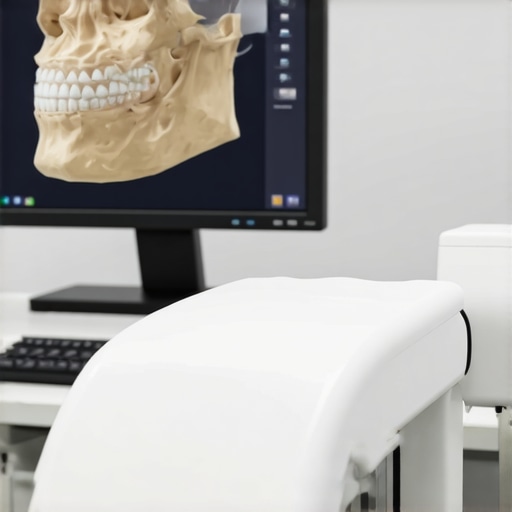
How We Use Sedation to Make Surgery Day a Breeze
If the word ‘surgery’ makes your heart race, you aren’t alone. I used to be the person who needed three days to psych myself up for a simple filling. When it came to implants, I discovered that modern sedation techniques remove the stress entirely. Learning about how we use iv sedation to help patients with extreme dental phobia was the turning point for me. You aren’t just ‘toughing it out’; you’re in a relaxed, controlled state where you likely won’t even remember the procedure. This makes the path to a younger-looking face accessible even if you have a history of dental anxiety.
Get Through the First 48 Hours Without the Stress
Once the implant is in, the ‘healing’ phase begins—this is where the bone actually fuses to the titanium post. I’ll be honest: the first two days require some discipline. You need to know how to manage the first 48 hours after getting a dental implant to ensure the site stays clean and the swelling stays down. After that initial window, your focus shifts to long-term success. Even though the implant can’t get a cavity, the surrounding gums still need love. Understanding how regular teeth cleaning can prevent major dental issues is vital. If you let gum disease set in, you risk losing the bone support you just worked so hard to rebuild. Treat your implant like a high-performance engine; it needs regular maintenance to keep your face looking sharp.While most people think a quick brush and some daily floss are the end-all-be-all of maintaining oral health, there is a much deeper level of expertise required that many miss until they are sitting in my chair with a serious issue. I used to believe that as long as my teeth were white, they were healthy. This is the first major trap. In reality, the healthiest teeth often have a natural, slightly off-white hue because the dentin underneath the enamel is naturally yellowish. When you obsessively use over-the-counter whitening products, you might actually be thinning your protection. I’ve seen countless patients fall for the most common mistakes people make with whitening strips, ending up with teeth that look translucent or ‘see-through’ at the edges rather than vibrant. Have you ever fallen into this trap of over-whitening your teeth? Let me know in the comments. Understanding why your front teeth feel thin or see-through at the edges is often the first step in realizing that your ‘cosmetic’ habit is actually an erosion issue. Another huge misconception involves the standard ‘deep cleaning.’ Many people view it as an optional upgrade or even a ‘scam,’ but it is the only way to stop the bone-eating bacteria that cause facial collapse. According to research published by the American Academy of Periodontology, failing to treat the space between the tooth and the gum can lead to systemic issues, including heart disease. If you’ve felt that post-appointment sensation, knowing why your gums feel itchy after a deep dental cleaning can help you realize that real healing is actually taking place. It’s not an ‘oops’ moment; it’s your body responding to the removal of years of calcified bacteria. 
Is Your Enamel Density the Real Reason You Can’t Get That Hollywood Smile?
Many patients jump straight to cosmetic dentistry innovations without realizing their base material is compromised. If you have naturally thin enamel, standard high-concentration peroxides won’t give you the results you want; they’ll just give you intense nerve pain. You need to look into the safest way to whiten teeth if you have thin enamel to avoid permanent sensitivity. Furthermore, don’t ignore the structural signs that your mouth is under stress. For instance, why your jaw clicks every time you chew hard foods might seem like a minor annoyance, but it often points to a bite misalignment that will eventually crack even the most expensive porcelain veneers. True family dentistry is about more than just checking for cavities; it’s about monitoring these structural shifts over decades. If you’re considering a major change, check out cosmetic dentistry in 2025 to see how we now prioritize bone and gum health before ever touching the aesthetics, ensuring your new smile doesn’t just look good, but lasts for life.
The High-Tech Tools That Keep My Gums From Receding
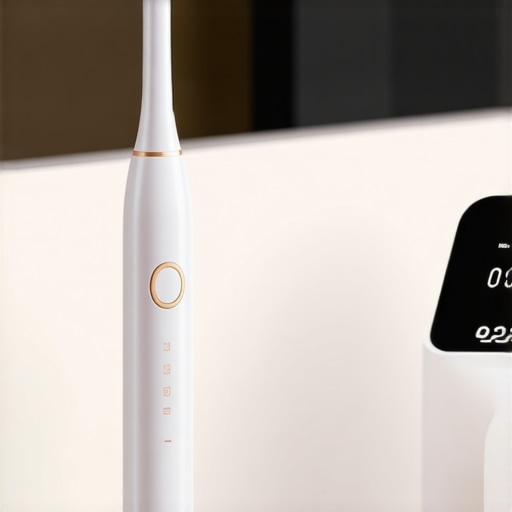
Maintaining a healthy mouth isn’t just about the minutes you spend at the sink; it is about the quality of the tools you use. I personally made the switch to a high-end electric toothbrush with a built-in pressure sensor because I realized I was a ‘scrubber.’ I was literally brushing my gums away. If you have sensitive areas, following gentle teeth cleaning best practices for sensitive gums is non-negotiable. I recommend tools that utilize sonic vibrations rather than just mechanical rotation, as they create micro-bubbles that reach deep into the periodontal pockets where a manual brush simply can’t go. This isn’t just a luxury; it’s a preventative measure that fits perfectly into the top 5 secrets to maintaining perfect oral health as a family. By using a brush that vibrates at 62,000 movements per minute, you are essentially getting a mini-professional cleaning every single morning.
How do I maintain these results for the next twenty years?
Consistency is the only thing that beats biology. Once you’ve achieved your goal—whether it’s through implants or just a really good cleaning cycle—you have to scale your efforts. I use a specific combination of air-flossing and a calibrated interdental brush. According to a study published in the Journal of Clinical Periodontology, the use of interdental brushes in addition to toothbrushing provides a higher level of plaque removal compared to toothbrushing alone. This is how you ensure that preventive tips for long-lasting dental health for families actually work in practice. If you’ve had work done, you must learn how to maintain your porcelain veneers so they last twenty years, which includes avoiding abrasive charcoal toothpastes that can micro-scratch the surface of your restorations.
Your Smartphone Might Be Your Next Dental Hygienist
I predict that within the next three years, the biggest trend in family dentistry won’t be a new type of drill, but the integration of AI-driven home scanning. We are already seeing apps that allow you to take a photo of your molars and receive an immediate ‘risk score’ for cavities. This shift toward ‘teledentistry’ will make family dentistry tips that make oral care effortless and effective more accessible than ever. Instead of waiting for a toothache to strike, your phone will alert you that a specific area of your gum looks inflamed before you even feel it. This proactive approach is the key to avoiding the ‘drill and fill’ cycle that many of us grew up with.
If you want to take your maintenance to the next level today, here is my advanced tip: start using a pH-balancing mouth rinse after your morning coffee. Most people don’t realize that the acidity from coffee lingers for hours, softening your enamel and making it susceptible to wear. A quick rinse with a basic (alkaline) solution can neutralize that acid instantly. If you are serious about protecting your investment, I highly encourage you to try this ‘neutralization’ trick for one week—you’ll notice your teeth feel smoother and less sensitive almost immediately.
Truths Your Mirror Won’t Tell You About Your Teeth
Looking back at my own journey, I realize I spent way too much time worrying about the color of my teeth and not enough about the bone beneath them. Here are the lightbulb moments that completely changed how I approach my health:
- White doesn’t always equal healthy: I used to obsess over bleaching, but I learned that the reason your teeth look yellow even though you brush twice daily is often just the healthy, dense dentin showing through your enamel. Over-whitening can actually weaken your protection.
- The jawbone is the foundation of your face: Skin creams can’t fix a face that is collapsing because of bone loss. If you don’t replace missing teeth, your facial structure literally has nothing to lean on.
- Prevention is a group effort: I stopped seeing my appointments as a chore and started viewing them as a legacy. Using top 5 secrets to maintaining perfect oral health as a family has saved us thousands in emergency visits.
The High-Value Kit for a Lifetime Smile
I’ve narrowed my routine down to the essentials that actually work. First, I stopped using manual brushes that were too harsh; switching to gentle teeth cleaning best practices for sensitive gums saved my receding gum line. Second, I prioritize professional checkups because I finally saw how regular dental cleanings can save you money in the long run by catching bone issues before they require surgery. Lastly, I use family dentistry tips that make oral care effortless and effective, like keeping a travel hygiene kit in my car for those busy days when I’m eating on the go.
#IMAGE_PLACEHOLDER_E#
Your Future Face Starts with This Choice
You have the power to decide how your face will look ten or twenty years from now. By acting today—whether that means getting an implant evaluation or just committing to a better cleaning routine—you are investing in the very architecture of your smile. Don’t wait until the sunken look becomes permanent. Explore the latest cosmetic dentistry trends that transform your smile this year and take the first step toward a more confident, structured version of yourself. Have you ever noticed your face shape change after losing a tooth? Let me know in the comments below!