
I remember sitting on my back porch last July, biting into a fresh wedge of orange. One second I was enjoying the evening breeze, and the next, it felt like a tiny lightning bolt had struck my front tooth. I nearly dropped my drink. If you have ever experienced that sharp, wincing ‘zing’ after a sip of cold lemonade or a quick gulp of a soft drink, you know exactly how it feels. It is frustrating and, honestly, it makes you feel like you are doing something wrong even when you are just trying to enjoy a snack. I spent years ignoring that sensation, thinking it was just part of getting older, but I was wrong. I realized that my love for citrus was actually waging a war on my smile, and I had to learn how to fight back without giving up everything I enjoyed.
Your Enamel is Literally Screaming for Help
When you consume high-acid items like oranges, grapefruits, or carbonated sodas, you are essentially giving your teeth an acid bath. This acid softens the protective outer layer—the enamel. Early on, I made the huge mistake of thinking I could just ‘brush the pain away.’ I actually started brushing way too hard with a stiff brush, which only scrubbed away the softened enamel faster. It is a common trap, and it is exactly how I ended up needing gentle teeth cleaning best practices for sensitive gums just to get through a routine checkup. The reality is that once that enamel thins out, the microscopic tubules leading to your nerves are exposed. This is why you might also be looking for ways how to stop cold water from triggering sharp nerve pain during your morning routine. Have you ever felt that sudden, sharp jolt and wondered if you were just unlucky?
Is my enamel actually gone for good?
It is easy to get discouraged and think your teeth are permanently ruined once the sensitivity starts. However, while you cannot naturally ‘regrow’ enamel, you can certainly strengthen what you have left and protect it from further damage. According to the American Dental Association, the frequency of acid exposure is often more damaging than the amount; sipping a soda over three hours is far worse for your teeth than drinking it in fifteen minutes because it keeps the mouth’s pH level dangerously low for longer. I learned the hard way that maintaining oral health is not just about brushing—it is about timing and technique. We are going to dive into the specific habits that saved my smile, from the ‘straw trick’ to the exact minerals your teeth are craving right now. Don’t worry, you won’t have to live on a diet of bland crackers and lukewarm water forever.
Stop the Acid Attack Before It Starts
The moment you finish an acidic snack, your mouth becomes a high-stakes chemistry experiment. The goal is to get your pH levels back to neutral as quickly as possible. Think of your saliva like a fire department; it is trying to put out the ‘acid fire,’ but it needs a little help. I have found that the most immediate action you can take is to rinse your mouth with plain, room-temperature water. Do not swish violently; just a gentle pool of water around your teeth for thirty seconds. This simple act dilutes the acid and physically washes away the particles that want to settle into your enamel’s microscopic pits. I used to think I needed fancy mouthwashes for this, but maintaining oral health expert advice for a lifetime of healthy teeth often points back to the simplest solution: hydration.
The straw strategy is your new best friend
If you cannot give up your morning iced coffee or your afternoon kombucha, you need to change the delivery method. Using a straw—preferably a reusable one—bypasses your teeth almost entirely. When I was at a local music festival last summer, I lived on iced coffee and citrus-heavy lemonade. By the second day, every breath of air felt like a needle in my gums. I started using a straw and followed every three sips of lemonade with a single sip of plain water. It felt a bit high-maintenance at first, but it was the only way I could enjoy the festivities without constant pain. This is also the simple trick to getting coffee stains off your teeth before they even have a chance to set into the pores of your enamel.

Wait thirty minutes before you even touch your toothbrush
This is the hardest rule to follow because our instinct is to clean away the ‘dirt’ immediately. However, if you brush right after eating an orange, you are essentially using your toothbrush like sandpaper on softened enamel. You have to give your teeth a ‘remineralization window.’ During this thirty-to-sixty-minute period, your saliva is busy depositing calcium and phosphate back into the tooth structure. If you interrupt this process with a scrub, you are doing more harm than good. I once made the mistake of brushing immediately after a vinegar-heavy salad, and I could literally see the dullness on my front teeth the next morning. Learning how regular teeth cleaning can prevent major dental issues starts with knowing when NOT to clean.
Pick a brush that won’t sandpaper your teeth
When you finally do brush, the tool matters more than the force. If you are using a medium or hard-bristled brush, you are treating your mouth like a kitchen floor rather than a delicate ecosystem. You must use a soft or extra-soft brush with a high-quality fluoride toothpaste. While some people look into the truth about oil pulling for whiter teeth and healthy gums, the scientific gold standard for sensitivity is still remineralizing agents that plug those exposed tubules. I switched to a brush with tapered bristles that felt like silk, and the difference in my comfort level was night and day. If you are unsure if your brush is too aggressive, check out how to choose the right toothbrush bristle strength for your gums to avoid accidentally scrubbing your smile away.
Many people believe that a ‘white’ smile is synonymous with a healthy one, but this is a dangerous simplification. In my experience, the obsession with aggressive whitening often leads to the very sensitivity and nerve pain you are trying to avoid. If you over-bleach or use harsh over-the-counter kits, you might discover that the reason your teeth look yellow even though you brush twice daily is actually the thinning of your white enamel mantle. When that outer layer wears down, the yellowish dentin underneath is exposed, creating a look that no amount of scrubbing will fix. According to a clinical review in the Journal of the American Dental Association (JADA), there is insufficient clinical evidence to support the safety and long-term efficacy of many ‘natural’ whitening trends, yet they continue to flood our social feeds.
Stop Falling for the Abrasive Charcoal Trap
One of the biggest ‘oops’ factors I see today is the DIY charcoal trend. People think they are ‘detoxing’ their mouth, but charcoal is highly abrasive. It is like using a Brillo pad on a fine china plate. You might see a temporary brightness as surface stains are scraped away, but you are physically sanding down your enamel in the process. This is a trap that leads to permanent damage and extreme cold sensitivity. Instead of risking a DIY disaster, you should focus on how to whiten your teeth if you have naturally thin enamel through professional methods that prioritize remineralization over abrasion.
Why do my front teeth look see-through at the bottom edges?
If you have noticed that the tips of your teeth look almost transparent or bluish-gray, you are seeing a hallmark sign of advanced enamel erosion called ‘incisal translucency.’ This happens when the mineral content is so low that light passes right through the tooth structure. This is where the impact of cosmetic dentistry in 2025 goes beyond just aesthetics. Modern solutions like contouring and veneers can actually serve as a protective shield, reinforcing the weakened edges and preventing further chips or fractures.
#IMAGE_PLACE_HOLDER_C#
Focus on Building a Foundation That Lasts Decades
Real oral health isn’t about the shade of your teeth; it is about the integrity of the structures supporting them. A good approach to family dentistry building a foundation of healthy smiles for all ages means catching these erosion patterns in your thirties and forties before they become reconstructive nightmares in your sixties. If you have already started to notice these changes, understanding enhancing confidence with cosmetic dentistry what to expect can help you make an informed decision about restoring your smile’s strength and vitality. Have you ever fallen into the ‘natural’ whitening trap or noticed your teeth looking a bit see-through? Let me know in the comments.
Invest in a toolkit that does the heavy lifting
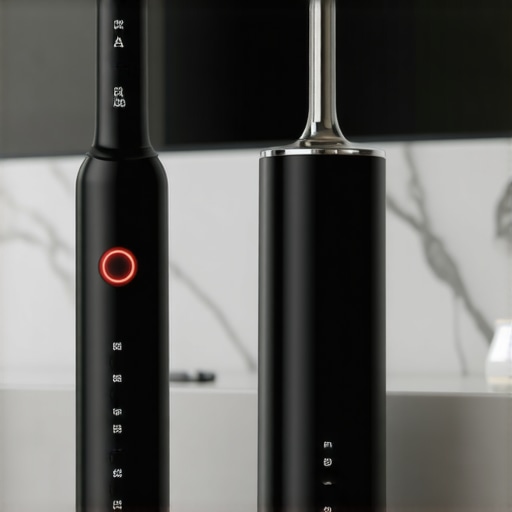
After I realized I was scrubbing my enamel away, I knew I needed to stop relying on my own heavy-handed technique and start using tools that were smarter than I was. I switched to a high-end electric toothbrush with a built-in pressure sensor. This isn’t a gimmick; it’s a necessity. If I press too hard, a light flashes red, reminding me that I’m cleaning, not sanding. If you’ve already invested in your smile, knowing how to maintain your porcelain veneers so they last twenty years often comes down to this specific level of gentleness. I also added a water flosser because, let’s be honest, manual flossing is the first thing we skip when we are tired. By integrating these into my routine, I’ve found that family dentistry tips that make oral care effortless and effective are mostly about removing the friction from your daily habits.
How do I maintain my oral health over the next twenty years?
The long game is where most people lose focus. I used to think of the dentist as a ‘fix-it’ shop, but it’s really more like a tuning station. The secret is consistency. I scheduled my cleanings six months in advance so I wouldn’t have an excuse to forget. It’s helpful to realize how regular dental cleanings can save you money in the long run by catching a tiny pinhole cavity before it turns into a thousand-dollar root canal. I also keep a ‘remineralization kit’ in my travel bag. This includes a high-fluoride paste and a small bottle of alkaline mouthwash to neutralize acid on the go. This level of preparation is part of the ultimate guide to teeth cleaning techniques and benefits that I’ve personally adopted. According to the FDI World Dental Federation, the shift toward preventative, minimally invasive care is the most significant factor in keeping your natural teeth into your eighties.
The future of dental tech looks surprisingly smart
Looking ahead, I see a huge shift in how we monitor our mouths. We are moving away from reactive care toward real-time diagnostics. I predict that within the next few years, our toothbrushes will contain sensors that analyze our saliva for inflammation markers or pH imbalances before we even feel a zing of pain. We’re already seeing the start of this with smile bright revolutionary teeth cleaning techniques for 2025, which use guided biofilm therapy to clean deeper than ever before without the old-school scraping. My advice? Don’t wait for the technology to catch up to your problems. Start by upgrading one piece of your kit today—specifically, get that electric brush with a pressure sensor. Your enamel will thank you for the next three decades.
The Hard Truths My Enamel Taught Me
Reflecting on my journey from sharp zingers to a painless smile, a few things stand out that I never found in a standard brochure. First, your teeth aren’t just blocks of calcium; they are porous, living structures that react to every environment you create. I also realized that oral health myths debunked what you need to know in 2025 often center around the idea that ‘harder is better’—it’s not. Soft, consistent, and smart wins every time. Another lightbulb moment was discovering that my saliva is my most powerful (and free) defense mechanism, provided I don’t constantly wash it away with acidic drinks. I learned that frequency of acid exposure matters more than the total amount consumed; sipping a small soda all afternoon is far deadlier for your enamel than drinking a large one with a quick meal.
The Only Tools You Actually Need
I’ve narrowed down my bathroom counter to the essentials because too many products just create confusion. My top recommendation is a pressure-sensing electric toothbrush; it takes the guesswork out of being gentle and physically prevents you from scrubbing your enamel away. I also suggest keeping a close eye on cosmetic dentistry trends that transform your smile this year if you feel your enamel is already too thin to recover on its own. For those who want efficiency, I swear by the teeth cleaning secrets achieve a bright smile in under 30 minutes that focus on removing biofilm without stripping your minerals. Lastly, use the ADA’s Seal of Acceptance as your north star when buying new paste; it’s the only way to cut through the marketing noise and ensure you are actually remineralizing.
#IMAGE_WRAP_UP#
Protect Your Smile for the Decades Ahead
You don’t have to live in fear of a cold glass of water or a fresh citrus salad. By shifting your habits slightly—using a straw, waiting to brush, and choosing the right tools—you can enjoy your favorite foods while keeping your smile intact. Following the top 5 secrets to maintaining perfect oral health as a family and scheduling regular checkups are the final pieces of the puzzle. This ensures your foundation stays rock solid and your teeth cleaning routine remains effective for decades to come. Your smile is worth the extra thirty minutes of waiting after breakfast.
Have you ever experienced that sharp ‘lightning bolt’ feeling in your teeth after eating something acidic? Let me know in the comments below.