
I stood there in my bathroom, squinting at my reflection under the harsh LED lights. I’d just finished a solid two-minute brush, even used that expensive charcoal paste everyone was talking about, but my teeth still looked like an old paperback book. I felt cheated. I was doing the work, following the rules, and yet the “pearly whites” I was promised were more like “muted custard.” It’s a gut punch when your effort doesn’t yield results, especially when it comes to maintaining your oral health. If you’ve ever felt like your toothbrush is gaslighting you, you aren’t alone. Today, we are going to dig into the hidden culprits behind that stubborn tint and how you can actually brighten things up without accidentally hurting your smile.[IMAGE_PLACEHOLDER]
Your Enamel Might Be Thinning Out
One of the biggest mistakes I made early on was thinking that if my teeth weren’t white, I just needed to brush more aggressively. I was basically taking a metaphorical belt sander to my mouth. What I didn’t realize is that the reason your gums recede even if you have good habits often comes down to this exact over-enthusiasm. When you scrub too hard, you wear away the translucent white enamel, exposing the naturally yellowish dentin beneath it. According to the American Dental Association, once that enamel is gone, it does not grow back. You aren’t just cleaning; you’re revealing the darker layers of the tooth structure. This means the harder you brush, the yellower you look. It’s a cruel irony that took me years to accept.
Is my expensive whitening toothpaste actually making it worse?
It sounds counterintuitive, but many of those “extra whitening” pastes are packed with harsh abrasives. I found out the hard way that the most common mistakes people make with whitening strips and abrasive pastes can lead to permanent damage and increased sensitivity. If you notice your teeth are getting more yellow the more you try to “whiten” them, you might be dealing with thin enamel. We also have to talk about lifestyle—sometimes the reason your coffee stains are harder to remove than your friends comes down to the microscopic texture of your specific teeth. Have you ever felt like no matter how much you brush, that yellow tint just won’t budge? It might be time to stop the scrubbing and look at the simple trick to getting coffee stains off your teeth or considering how modern cosmetic dentistry can bypass the scrubbing altogether to address internal staining.I had to rethink everything I knew about “clean.” Think of your teeth like a high-end sports car. You wouldn’t use a wire brush to get the mud off the hood; you’d use a microfiber cloth and a gentle touch. That’s exactly how we need to treat our mouths if we want to see real improvement.
Trade the Scrub for a Gentle Glide
When you press down hard, you aren’t just removing plaque—you’re removing the very shield that keeps your teeth looking bright. If you want to maintain your smile without making it more yellow over time, you have to prioritize gentle teeth cleaning: best practices for sensitive gums. I remember switching to a manual soft brush after years of using a “medium” one because I thought it was more effective. For the first week, my mouth didn’t feel “clean” in that raw, stinging way I was used to. I actually felt like I was failing my oral health. But within fourteen days, the minor bleeding I’d ignored for years stopped completely. My gums, which used to be a generic angry red, turned a healthy coral pink, and the yellow tint at the gum line started to fade because I wasn’t irritating the tissue anymore.
Master the 45-Degree Tilt
Instead of sawing back and forth, which creates those little notches in your teeth, angle your brush at 45 degrees toward the gum line. Use tiny, circular motions rather than long strokes. This gets the bristles into the “pocket” where the most gunk hides without shredding your gum tissue. This is one of the most effective teeth cleaning techniques because it targets the bacteria without the collateral damage of hard-handed scrubbing. 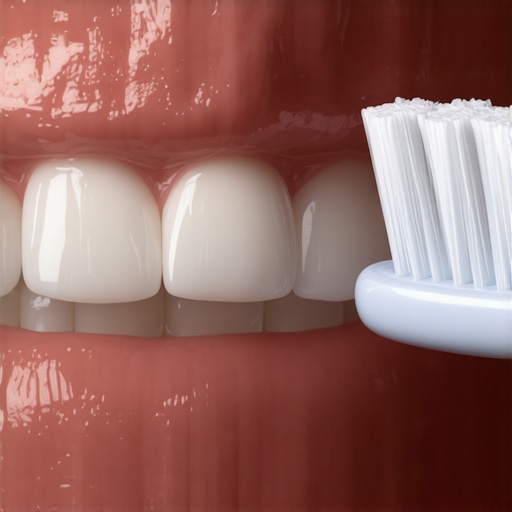
Choose the Right Tools for the Job
Most people think a “hard” brush equals more power. In reality, it’s just more friction. Switching to the best toothbrush texture for people with receding gums—which is almost always “soft” or “extra soft”—allows the bristles to flex and reach under the gumline where the yellowing plaque actually starts to calcify into tartar. If you have kids, teaching them this early is one of those family dentistry tips that make oral care effortless and keeps their enamel thick for life.
Move Beyond the Bathroom Mirror
Sometimes the yellow isn’t just on the surface; it’s baked into the structure of the tooth. No matter how many teeth cleaning secrets you master at home, you simply cannot remove tartar once it has hardened. It’s like trying to remove dried cement with a garden hose—it just won’t happen with a standard toothbrush.
Professional Cleanings Remove the Armor
A professional hygienist uses specialized ultrasonic tools to vibrate that “armor” off your teeth. This isn’t just about aesthetics; how regular dental cleanings can save you money in the long run is by preventing the deep-seated infections that lead to expensive crowns or implants later. When that calcified yellow layer is gone, your natural enamel can finally reflect light the way it was meant to, making your smile look brighter instantly.
Modern Solutions for Deep Discoloration
If your teeth are naturally more translucent or if you’ve suffered from internal staining from medications, you might need to look into cosmetic dentistry innovations you can’t miss this year. Options like composite bonding or porcelain veneers can provide a physical layer of protection and brightness that no whitening toothpaste can replicate. It’s about working with the specific anatomy of your teeth rather than fighting against it with abrasive pastes.
We have to talk about a nuance that even the most dedicated brushers often miss: the timing of your routine. Most people assume that brushing immediately after a meal is the gold standard for hygiene, but this is one of those oral health myths debunked by modern science. If you have just consumed something acidic—think coffee, wine, or citrus—your enamel is temporarily softened. When you jump straight to the sink, you aren’t just cleaning; you are physically scrubbing those acids into your tooth structure, which is a major reason why your front teeth feel thin or see-through at the edges over time. The British Dental Journal suggests waiting at least 30 to 60 minutes for your saliva to naturally remineralize the enamel before you even touch your toothbrush.
The Timing Trap You Probably Fall For Every Morning
This “acid-brushing” trap is an easy mistake to make, especially when you are trying to be proactive. But the damage is cumulative. I’ve seen patients who are obsessed with hygiene actually age their smiles by a decade because they never allowed their mouth’s natural defenses to work. This is also why the real reason you get mouth sores after eating fruit can sometimes be linked to an overly aggressive response to acidity. Instead of reaching for the brush, try rinsing with plain water or chewing a piece of sugar-free gum to stimulate saliva flow after your morning brew. 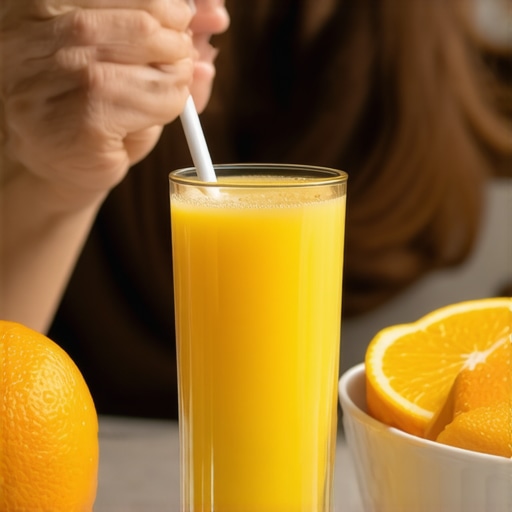
Should I worry about how much enamel is removed for a new smile?
For readers looking into the higher-end aesthetic options, there is a common fear that you have to choose between health and beauty. In the past, achieving a perfect look meant heavy grinding, but the field is shifting. When you are deciding how to choose between a porcelain veneer and a composite bonding, the nuance lies in how much of your natural tooth structure is preserved. Modern techniques now allow for ultra-thin preparations that keep your enamel almost entirely intact. If a practitioner tells you that aggressive filing is the only way to get a white smile, they might be relying on outdated protocols. Always ask about “no-prep” or “minimal-prep” options first.
Why Your Child’s Jaw Structure Trumps a Straight Smile
In the world of family dentistry tips, we often focus on the “alignment” of teeth—how straight they look in a selfie. However, the advanced perspective is that why your child’s jaw alignment matters more than just a straight smile is because it dictates their breathing, their speech development, and even their sleep quality. If we only fix the aesthetics of crowded teeth without addressing the narrow arch or the jaw position, we are only treating a symptom, not the cause. It is a common “oops” factor for parents to wait until all the permanent teeth are in before seeking an evaluation, when earlier intervention can prevent years of discomfort. High-level care means looking at the foundation, not just the facade. Have you ever fallen into this trap or felt like your routine was actually causing more sensitivity? Let me know in the comments.
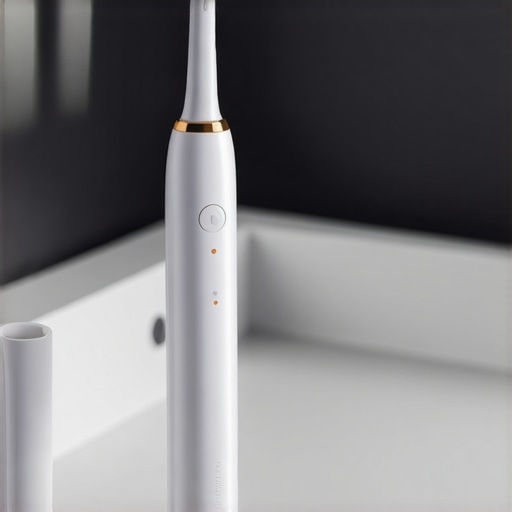
I used to think any electric brush would do, but then I upgraded to a model with a real-time pressure sensor that flashes red the second I start ‘sandblasting’ my gums. This technology is a game-changer for maintaining oral health because it removes the human error of over-scrubbing that I struggled with for years. If you want to stay ahead of the curve, I highly recommend looking into smile bright: revolutionary teeth cleaning techniques for 2025. I also integrated a water flosser on a medium-low setting into my nightly routine; it is the only way I have found to consistently clear debris from tight spaces without the ‘sawing’ motion of traditional floss that can lead to irritation.
Scaling these habits up for a busy household is where things usually fall apart. One of the top 5 secrets to maintaining perfect oral health as a family is making the results visible. In my house, we use a shared app that syncs with our brushes, turning a boring two-minute task into a competitive game. This simple shift prevents the family dental care hacks to keep your kids smiling daily from feeling like a constant lecture. We have also started paying closer attention to the impact of nighttime mouth breathing on your teeth, as a dry mouth is a breeding ground for the bacteria that cause yellowing and decay.
How do I maintain my dental results over the long haul?
The secret is consistency over intensity. You cannot ‘catch up’ on your hygiene on a Sunday morning after a week of neglect. According to research by Dr. Pascal Magne, a pioneer in biomimetic dentistry, the goal should always be to preserve the natural biomechanics of the tooth. This means choosing treatments like contouring veneers: the future of cosmetic dentistry revealed, which prioritize additive measures rather than aggressive filing. I predict we are entering an era where bio-glass and hydroxyapatite serums will become the standard, allowing us to literally remineralize enamel while we sleep, rather than just bleaching it into submission. If you want to keep your smile intact, my best advice is to stop viewing your dentist as a ‘fix-it’ shop and start seeing them as a partner in preservation.
Try this one simple change: Tomorrow morning, after your first cup of coffee, do not reach for your toothbrush. Instead, set a timer for 30 minutes, rinse your mouth with plain water, and let your saliva do the hard work of rebalancing your pH before you brush. It is the easiest way to stop accidental enamel wear in its tracks.
The Hardest Truths I Learned About My Own Smile
After years of trial and error, I realized that many oral health myths debunked in recent years were the exact things I was doing every morning. First, “clean” shouldn’t feel like a raw wound; if your gums are throbbing, you are likely doing more harm than good by removing the protective layers of your teeth. Second, I learned that my teeth’s natural shade is heavily influenced by my hydration levels—a dry mouth is a yellowing mouth because saliva is the primary defense against staining. Finally, I stopped chasing a Hollywood white and started focusing on integrity. A slightly off-white tooth with thick, healthy enamel is far more attractive and functional than a blindingly white tooth that has been bleached into sensitivity.
The Toolkit That Saved My Enamel
If you want to upgrade your routine, I swear by these essentials that transformed my bathroom counter. I transitioned to a pressure-sensing electric toothbrush because it finally broke my habit of over-scrubbing. I also swapped my harsh, alcohol-based rinse for a pH-neutralizing wash to avoid the irritation that actually disrupts the mouth’s natural microbiome. For those interested in the cutting edge, I highly recommend looking into revolutionary teeth cleaning techniques for 2025 like hydroxyapatite serums which can help rebuild surface minerals. Lastly, I suggest keeping a high-quality water flosser nearby; it is a game-changer for those with tight spaces who want to avoid the friction of traditional string floss.
Take Control of Your Oral Legacy
You don’t need a massive budget or a drawer full of chemicals to see a real difference in your appearance. By simply slowing down and respecting the biological “cool down” period after you eat, you are doing more for maintaining oral health than any expensive charcoal paste ever could. Your smile is a living part of you, not a kitchen tile to be bleached into submission. Start small, stay consistent, and watch how your confidence shifts when your mouth finally feels healthy and comfortable instead of just “scrubbed.” Have you ever noticed your teeth getting more sensitive right after a whitening treatment? Let me know in the comments below!