
I remember sitting on my porch last July, juice from a perfectly ripe pineapple dripping down my chin. It was bliss—until the next morning. I woke up with that unmistakable, sharp sting on the side of my tongue that made even drinking water a chore. For the longest time, I felt like my own body was punishing me for trying to eat healthy. I’d look at a bowl of strawberries and think, ‘Is the thirty minutes of flavor worth the three days of pain?’ I bet you’ve stood in your kitchen asking the same thing. Today, I am going to show you exactly why this happens and how you can keep enjoying your favorite treats without the lingering agony.
Why Your Healthy Snack Is Attacking Your Gums
Most people assume they have a hidden allergy or that they’re just unlucky. I used to be one of them. Early on, I made the massive mistake of thinking I could ‘brush away’ the problem. Every time I ate an orange, I’d run to the sink and scrub. Little did I know, I was actually brushing immediately after eating fruit, which is basically like using sandpaper on acid-softened tissue. It’s a classic blunder that ruins your oral health. The real culprit usually isn’t a complex disease; it’s often the pH balance in your mouth being thrown into a tailspin. When the acidity levels spike, your delicate mucosal lining takes the hit, leading to those pesky ulcers.
Am I actually allergic to my favorite snacks?
It’s the question that keeps us up at night when we’re staring at a sore in the mirror. While true fruit allergies exist, most of these painful spots are actually Oral Allergy Syndrome or simple chemical irritation from enzymes like bromelain. I spent years avoiding kiwis because I thought I was ‘sensitive,’ but I just didn’t know how to stop a canker sore from hurting immediately or how to prevent them. Research published in the Journal of Oral Pathology & Medicine indicates that minor aphthous ulcers are frequently triggered by local trauma or acidic shifts rather than systemic allergies. Have you ever had a specific fruit—like pineapple or tomato—that consistently leaves your mouth feeling like a minefield? If so, you aren’t alone. We’re going to look at how to balance that acidity and keep your family dentistry routine from accidentally making things worse. It’s time to stop the sting and start enjoying your food again.
The goal is to stop the acid from lingering. Think of your mouth like a delicate chemistry lab. When you eat pineapple or citrus, you are introducing a strong solvent into an environment that requires a stable, neutral pH to stay healthy. If that balance stays tilted toward acid for too long, your mucosal lining breaks down, and those painful ulcers begin to form.
The Three-Step Protocol to Neutralize Fruit Acid
Swish with water to reset your mouth’s pH balance
As soon as you finish that bowl of fruit, head to the sink—not for your toothbrush, but for a glass of plain water. Swishing vigorously for thirty seconds helps dilute the residual sugars and organic acids that are currently eating away at your protective lining. This is even more critical if you enjoy carbonated drinks, as the impact of acidic sparkling water on your smile’s longevity can be just as damaging as raw fruit. Water acts as a fire extinguisher for the chemical burn happening on your tongue.
Keep the toothbrush away for at least sixty minutes
This is the hardest rule for many to follow because we are conditioned to clean up after a meal. However, if you brush while your enamel is still soft from the acid, you are literally scrubbing away your tooth’s defense system. You should never brush immediately after drinking orange juice or eating berries. Give your saliva time to naturally remineralize the surface. It is like waiting for wet cement to dry before you try to walk on it; patience preserves the finish.
Pair your fruit with a high-calcium snack
This was the ultimate game-changer for my own oral health. Last spring, I decided to test the ‘calcium buffer’ theory during a trip to a local orchard. I ate three Granny Smith apples—notorious for their high acidity. Instead of waiting for the inevitable sting that usually follows, I followed each apple with a few cubes of mild cheddar cheese. The dairy acts as a base to neutralize the acid, and the calcium provides the building blocks for enamel repair. Using high calcium snacks that strengthen enamel naturally is like putting on a suit of armor before a fight. It drastically reduces the chances of those tiny chemical irritations turning into full-blown ulcers. 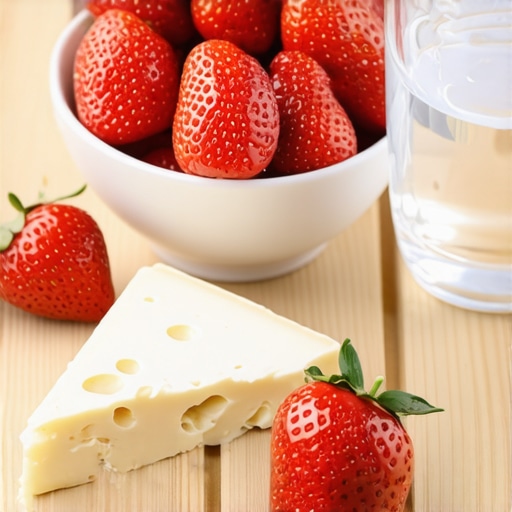
Switch to a softer brush texture to avoid trauma
Many people who suffer from fruit-induced sores also have sensitive or receding gums. If you are using a medium or hard bristle brush, you are creating micro-tears in the tissue that the fruit acid then exploits. Finding the best toothbrush texture for people with receding gums is a simple fix that pays immediate dividends. You want something that cleans effectively without causing mechanical trauma. Combine this with gentle teeth cleaning best practices for sensitive gums to ensure your daily hygiene routine isn’t the secret reason you are in pain. Mastering professional teeth cleaning techniques and benefits will help you realize that more pressure does not mean a cleaner mouth; it just means more irritation.Most people think that if their teeth look white and feel ‘squeaky,’ they’ve won the oral health game. In my experience, that squeaky feeling is often a warning sign that you’ve stripped away the pellicle—the thin, protective protein film that naturally guards your enamel. Everyone says you need to scrub harder to get a bright smile, but I’ve found that high-pressure cleaning actually accelerates recession. In fact, many of the oral health myths debunked for 2025 center around the idea that more force equals more health. It’s quite the opposite. I’ve seen patients fall into the trap of using baking soda as a toothpaste every single day. While it might remove surface stains in the short term, it’s far too abrasive for long-term use and can lead to permanent sensitivity by wearing down the enamel layer.
Can you actually over-sanitize your oral microbiome?
Recent research published in the Journal of Clinical Periodontology highlights that a healthy mouth isn’t a sterile mouth; it’s an ecosystem in balance. When we over-use harsh alcohol-based mouthwashes or abrasive cleaners, we kill the beneficial bacteria that help fight off pathogens. This is a nuance most people miss when they look for teeth cleaning secrets online. They want a quick fix, but they end up nuking their natural defenses. 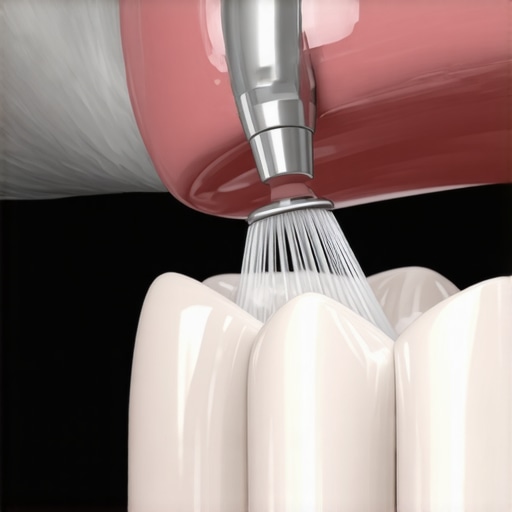 Another major ‘oops’ factor involves cosmetic expectations. I often see people making the mistake of trying to whiten gray teeth using standard peroxide kits. Gray tones usually indicate internal structure changes or thin enamel, not surface stains. Forcing a whitening treatment on these teeth doesn’t just fail to work; it can cause deep, throbbing pain. This is why professional guidance on teeth cleaning techniques and benefits is so vital. It’s not just about the scraping; it’s about the diagnostic expertise that prevents you from damaging your own smile. We also need to talk about the danger of ‘convenience’ dentistry. Many families are tempted by DIY clear aligner kits, but without a professional checking the health of your roots, you risk permanent tooth loss. Maintaining your oral health requires a scalpel, not a sledgehammer. Have you ever fallen into this trap of trying a ‘miracle’ DIY dental fix only to have it backfire? Let me know in the comments below.
If you’re tired of guessing which habit is causing that sharp pain, it’s time to move beyond the basics and look at the gear that actually stays in my bathroom cabinet. I’ve spent years testing different products, and I’ve found that the secret to long-term success isn’t necessarily working harder, but working smarter with the right tools. Most people stick to a manual brush and a string of floss, but that is like trying to detail a car with a garden hose. To truly protect your mucosal lining and enamel, you need to upgrade your toolkit with gear that actually works.
Stop guessing and grab a water flosser
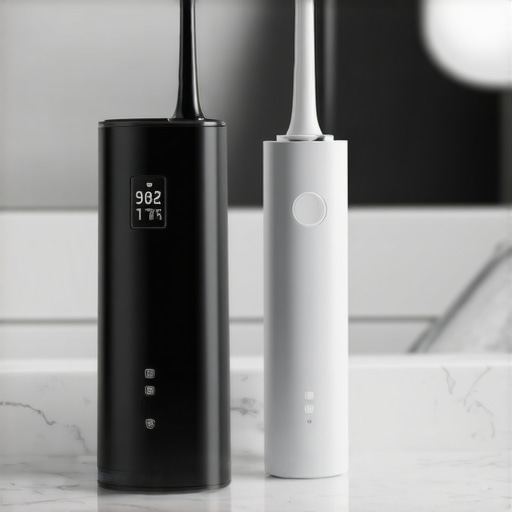
I resisted the water flosser trend for a long time, thinking it was just another bulky gadget taking up space. I was wrong. The reason a water flosser is superior, especially for those of us sensitive to fruit acids, is that it reaches into the periodontal pockets where liquid acids tend to pool. While string floss is great for contact points, the pressurized water stream flushes out the microscopic acidic residue that triggers those tongue ulcers. When you combine this with maintaining oral health through consistent professional checkups, you create an environment where sores simply can’t take root. I personally use mine on the ‘pulse’ setting to stimulate blood flow in the gums, which speeds up the healing of any existing irritation.
How do I maintain my smile over the next decade?
Maintenance is where most people fall off the wagon. They get their teeth cleaned, feel great for a week, and then slowly slide back into old habits. To see real longevity, you have to view your dental visits as an investment rather than an errand. Research published in The Journal of the American Dental Association (JADA) confirms that patients who adhere to a strict six-month professional hygiene schedule have a significantly lower risk of tooth loss and systemic inflammation. Learning how regular dental cleanings can save you money in the long run is the first step in shifting your mindset from reactive to proactive. It’s much cheaper to pay for a cleaning today than a root canal in three years. You should also master the ultimate guide to teeth cleaning techniques and benefits to ensure your at-home care matches the quality of the care you receive in the chair.
Smart sensors and the future of your sink
Looking ahead, I predict we are going to see a massive shift toward bio-adaptive dental tools. We are already seeing brushes that use AI to map your mouth in real-time, but the next step is real-time pH monitoring. Imagine a toothbrush that glows red the moment it detects your mouth is too acidic to brush safely. This will take the guesswork out of the ‘wait sixty minutes’ rule I mentioned earlier. Staying informed about cosmetic dentistry innovations you can’t miss this year will help you navigate these new technologies as they hit the market. These tools aren’t just about vanity; they are about understanding how regular teeth cleaning can prevent major dental issues before they even start. You will also find that why your breath stays fresh longer after professional cleaning is largely due to the removal of hardened tartar that home tools simply can’t touch. My challenge for you: Buy a pack of plaque-disclosing tablets today. Use one after your normal routine tonight and see exactly where you’re leaving plaque behind—it’s the fastest way to master your technique and stop the acid from finding a place to hide.
I remember sitting on my porch last July, juice from a perfectly ripe pineapple dripping down my chin. It was bliss—until the next morning. I woke up with that unmistakable, sharp sting on the side of my tongue that made even drinking water a chore. For the longest time, I felt like my own body was punishing me for trying to eat healthy. I’d look at a bowl of strawberries and think, ‘Is the thirty minutes of flavor worth the three days of pain?’ I bet you’ve stood in your kitchen asking the same thing. Today, I am going to show you exactly why this happens and how you can keep enjoying your favorite treats without the lingering agony.
Why Your Healthy Snack Is Attacking Your Gums
Most people assume they have a hidden allergy or that they’re just unlucky. I used to be one of them. Early on, I made the massive mistake of thinking I could ‘brush away’ the problem. Every time I ate an orange, I’d run to the sink and scrub. Little did I know, I was actually brushing immediately after eating fruit, which is basically like using sandpaper on acid-softened tissue. It’s a classic blunder that ruins your oral health. The real culprit usually isn’t a complex disease; it’s often the pH balance in your mouth being thrown into a tailspin. When the acidity levels spike, your delicate mucosal lining takes the hit, leading to those pesky ulcers.
Am I actually allergic to my favorite snacks?
It’s the question that keeps us up at night when we’re staring at a sore in the mirror. While true fruit allergies exist, most of these painful spots are actually Oral Allergy Syndrome or simple chemical irritation from enzymes like bromelain. I spent years avoiding kiwis because I thought I was ‘sensitive,’ but I just didn’t know how to stop a canker sore from hurting immediately or how to prevent them. Research published in the Journal of Oral Pathology & Medicine indicates that minor aphthous ulcers are frequently triggered by local trauma or acidic shifts rather than systemic allergies. Have you ever had a specific fruit—like pineapple or tomato—that consistently leaves your mouth feeling like a minefield? If so, you aren’t alone. We’re going to look at how to balance that acidity and keep your family dentistry routine from accidentally making things worse. It’s time to stop the sting and start enjoying your food again.
The goal is to stop the acid from lingering. Think of your mouth like a delicate chemistry lab. When you eat pineapple or citrus, you are introducing a strong solvent into an environment that requires a stable, neutral pH to stay healthy. If that balance stays tilted toward acid for too long, your mucosal lining breaks down, and those painful ulcers begin to form.
The Three-Step Protocol to Neutralize Fruit Acid
Swish with water to reset your mouth’s pH balance
As soon as you finish that bowl of fruit, head to the sink—not for your toothbrush, but for a glass of plain water. Swishing vigorously for thirty seconds helps dilute the residual sugars and organic acids that are currently eating away at your protective lining. This is even more critical if you enjoy carbonated drinks, as the impact of acidic sparkling water on your smile’s longevity can be just as damaging as raw fruit. Water acts as a fire extinguisher for the chemical burn happening on your tongue.
Keep the toothbrush away for at least sixty minutes
This is the hardest rule for many to follow because we are conditioned to clean up after a meal. However, if you brush while your enamel is still soft from the acid, you are literally scrubbing away your tooth’s defense system. You should never brush immediately after drinking orange juice or eating berries. Give your saliva time to naturally remineralize the surface. It is like waiting for wet cement to dry before you try to walk on it; patience preserves the finish.
Pair your fruit with a high-calcium snack
This was the ultimate game-changer for my own oral health. Last spring, I decided to test the ‘calcium buffer’ theory during a trip to a local orchard. I ate three Granny Smith apples—notorious for their high acidity. Instead of waiting for the inevitable sting that usually follows, I followed each apple with a few cubes of mild cheddar cheese. The dairy acts as a base to neutralize the acid, and the calcium provides the building blocks for enamel repair. Using high calcium snacks that strengthen enamel naturally is like putting on a suit of armor before a fight. It drastically reduces the chances of those tiny chemical irritations turning into full-blown ulcers.
Switch to a softer brush texture to avoid trauma
Many people who suffer from fruit-induced sores also have sensitive or receding gums. If you are using a medium or hard bristle brush, you are creating micro-tears in the tissue that the fruit acid then exploits. Finding the best toothbrush texture for people with receding gums is a simple fix that pays immediate dividends. You want something that cleans effectively without causing mechanical trauma. Combine this with gentle teeth cleaning best practices for sensitive gums to ensure your daily hygiene routine isn’t the secret reason you are in pain. Mastering professional teeth cleaning techniques and benefits will help you realize that more pressure does not mean a cleaner mouth; it just means more irritation.
Most people think that if their teeth look white and feel ‘squeaky,’ they’ve won the oral health game. In my experience, that squeaky feeling is often a warning sign that you’ve stripped away the pellicle—the thin, protective protein film that naturally guards your enamel. Everyone says you need to scrub harder to get a bright smile, but I’ve found that high-pressure cleaning actually accelerates recession. In fact, many of the oral health myths debunked for 2025 center around the idea that more force equals more health. It’s quite the opposite. I’ve seen patients fall into the trap of using baking soda as a toothpaste every single day. While it might remove surface stains in the short term, it’s far too abrasive for long-term use and can lead to permanent sensitivity by wearing down the enamel layer.
Can you actually over-sanitize your oral microbiome?
Recent research published in the Journal of Clinical Periodontology highlights that a healthy mouth isn’t a sterile mouth; it’s an ecosystem in balance. When we over-use harsh alcohol-based mouthwashes or abrasive cleaners, we kill the beneficial bacteria that help fight off pathogens. This is a nuance most people miss when they look for teeth cleaning secrets online. They want a quick fix, but they end up nuking their natural defenses.
Another major ‘oops’ factor involves cosmetic expectations. I often see people making the mistake of trying to whiten gray teeth using standard peroxide kits. Gray tones usually indicate internal structure changes or thin enamel, not surface stains. Forcing a whitening treatment on these teeth doesn’t just fail to work; it can cause deep, throbbing pain. This is why professional guidance on teeth cleaning techniques and benefits is so vital. It’s not just about the scraping; it’s about the diagnostic expertise that prevents you from damaging your own smile. We also need to talk about the danger of ‘convenience’ dentistry. Many families are tempted by DIY clear aligner kits, but without a professional checking the health of your roots, you risk permanent tooth loss. Maintaining your oral health requires a scalpel, not a sledgehammer. Have you ever fallen into this trap of trying a ‘miracle’ DIY dental fix only to have it backfire? Let me know in the comments below.
If you’re tired of guessing which habit is causing that sharp pain, it’s time to move beyond the basics and look at the gear that actually stays in my bathroom cabinet. I’ve spent years testing different products, and I’ve found that the secret to long-term success isn’t necessarily working harder, but working smarter with the right tools. Most people stick to a manual brush and a string of floss, but that is like trying to detail a car with a garden hose. To truly protect your mucosal lining and enamel, you need to upgrade your toolkit with gear that actually works.
Stop guessing and grab a water flosser
I resisted the water flosser trend for a long time, thinking it was just another bulky gadget taking up space. I was wrong. The reason a water flosser is superior, especially for those of us sensitive to fruit acids, is that it reaches into the periodontal pockets where liquid acids tend to pool. While string floss is great for contact points, the pressurized water stream flushes out the microscopic acidic residue that triggers those tongue ulcers. When you combine this with maintaining oral health through consistent professional checkups, you create an environment where sores simply can’t take root. I personally use mine on the ‘pulse’ setting to stimulate blood flow in the gums, which speeds up the healing of any existing irritation.
How do I maintain my smile over the next decade?
Maintenance is where most people fall off the wagon. They get their teeth cleaned, feel great for a week, and then slowly slide back into old habits. To see real longevity, you have to view your dental visits as an investment rather than an errand. Research published in The Journal of the American Dental Association (JADA) confirms that patients who adhere to a strict six-month professional hygiene schedule have a significantly lower risk of tooth loss and systemic inflammation. Learning how regular dental cleanings can save you money in the long run is the first step in shifting your mindset from reactive to proactive. It’s much cheaper to pay for a cleaning today than a root canal in three years. You should also master the ultimate guide to teeth cleaning techniques and benefits to ensure your at-home care matches the quality of the care you receive in the chair.
Smart sensors and the future of your sink
Looking ahead, I predict we are going to see a massive shift toward bio-adaptive dental tools. We are already seeing brushes that use AI to map your mouth in real-time, but the next step is real-time pH monitoring. Imagine a toothbrush that glows red the moment it detects your mouth is too acidic to brush safely. This will take the guesswork out of the ‘wait sixty minutes’ rule I mentioned earlier. Staying informed about cosmetic dentistry innovations you can’t miss this year will help you navigate these new technologies as they hit the market. These tools aren’t just about vanity; they are about understanding how regular teeth cleaning can prevent major dental issues before they even start. You will also find that why your breath stays fresh longer after professional cleaning is largely due to the removal of hardened tartar that home tools simply can’t touch. My challenge for you: Buy a pack of plaque-disclosing tablets today. Use one after your normal routine tonight and see exactly where you’re leaving plaque behind—it’s the fastest way to master your technique and stop the acid from finding a place to hide.
The Dental Realizations That Finally Stopped the Sting
Over the years, I’ve had to confront some uncomfortable truths about my habits. First, I had to accept that pain is a messenger. Those recurring sores weren’t just bad luck; they were my body’s way of signaling a crashed pH balance. Understanding the difference between a canker sore and a cold sore was a turning point for me because it shifted my focus from fighting a virus to balancing my internal chemistry. Second, I realized that ‘natural’ foods are often quite aggressive. Just because fruit is heart-healthy doesn’t mean it’s gentle on your mucosal lining. Finally, I learned that a ‘clean’ feeling doesn’t always equal a healthy mouth. Sometimes, we have to step back and let our natural defenses do the heavy lifting.
The Daily Gear That Keeps My Smile Resilient
I don’t leave my oral health to chance anymore. My bathroom cabinet contains a few specific tools that act as my first line of defense. My water flosser is non-negotiable; it flushes acidic residue from deep pockets that a brush just can’t reach. I also keep a steady supply of sugar-free, pH-neutralizing gum for those moments when I’m out and can’t rinse immediately. I regularly consult the latest oral health myths debunked for 2025 to make sure I’m not following outdated advice that could wear down my enamel. For the younger ones in my family, I rely on family dentistry tips that make oral care effortless and effective to prevent these sensitivities from starting in the first place.
#IMAGE_PLACEHOLDER_E#
Put the Fear of Pain Behind You
You shouldn’t have to flinch every time you see a bowl of strawberries or a slice of pineapple. By respecting your mouth’s chemistry and giving your enamel the time it needs to recover, you can enjoy the foods you love without the three-day penalty. Your oral health is a lifelong journey, and every little habit you change today prevents a major headache tomorrow. Have you ever noticed a specific fruit—like tomatoes or kiwis—that always triggers a sore for you? Let me know in the comments below!