
I’ll never forget that Tuesday morning. I sat down with a bowl of cold yogurt—not a steaming cup of coffee, mind you, just plain, chilled dairy—and my tongue felt like I’d just licked a hot cast-iron skillet. I checked the expiration date, I poked at my taste buds in the mirror, and I even wondered if I’d somehow burned myself in my sleep. It was that distinct, stinging, metallic sensation that usually only happens after a reckless bite of boiling pizza. But there was no pizza. There was no heat. Just a persistent, annoying “scalded” feeling that wouldn’t go away and it made me realize how much I took for granted maintaining oral health without constant pain.
That Phantom Burn is Real and Frustrating
If you are currently rubbing your tongue against the roof of your mouth, wondering why it feels like you’re recovering from a 200-degree latte, you aren’t alone. It’s a bizarre sensation that can make your daily routine feel like a chore. For a long time, I thought I was just imagining it or that I’d developed some weird allergy to my toothpaste. I actually made the mistake of scrubbing my tongue with a hard-bristled brush, thinking I could “clean” the sensation away. Spoiler alert: that only made things worse and led me to search for gentle teeth cleaning best practices for sensitive gums pretty quickly. Today, we are going to peel back the layers of this mystery. Whether it’s a nutritional gap, a side effect of a medication, or the elusive Burning Mouth Syndrome (BMS), I want to help you figure out why your mouth is sounding a false alarm. We’ll look at the common culprits and, more importantly, how to get some actual relief.
Is this phantom pain actually worth a trip to the dentist?
You might be sitting there thinking this is just a minor annoyance that will fade if you drink enough ice water. I thought that too. But when the “burn” starts affecting how you taste food or keeps you up at night, it’s a sign your body is trying to tell you something. According to the American Academy of Oral Medicine, Burning Mouth Syndrome can affect the tongue, roof of the mouth, or even the gums, and it often has no visible physical signs, making it incredibly tricky to diagnose. I remember feeling so skeptical. I didn’t want to be the person who goes to the doctor for a “sore tongue.” But waiting only made the anxiety worse. If you’re also dealing with other weird sensations, like why your teeth ache when you have a sinus infection, it’s easy to feel like your whole mouth is betraying you. Have you ever experienced this sudden, heatless burn that seems to last for days? I’d love to hear your story in the comments.
The Hidden Culprits in Your Daily Routine
Before we dive into the complex medical stuff, let’s talk about the things you might be doing right now that are fueling the fire. It’s often the small habits we think are helping our effortless oral care that actually trigger irritation. For me, it was a high-alcohol mouthwash that I thought was “extra-strength” but was actually stripping my oral mucosa. This sensation is vastly different from the reason your tongue hurts after eating spicy food, which is usually temporary. We need to look deeper into dry mouth or even nerve issues.
Stop Scrubbing and Start Soothing Your Mouth
I remember thinking that if I just brushed harder, I’d eventually scrape away that weird, gritty, burned sensation. I even went out and bought a specialized ‘intense’ cinnamon-flavored toothpaste because I thought the spice would mask the discomfort. That was a massive mistake. Within two minutes, my mouth felt like a chili pepper factory had exploded in my jaw. It turns out that cinnamon and certain essential oils are common triggers for contact dermatitis in the mouth. I had to pivot immediately to gentle teeth cleaning best practices for sensitive gums just to stop the stinging. If you are in the middle of a flare-up, your first step is to simplify. Think of your oral mucosa like a sunburned shoulder; you wouldn’t scrub a sunburn with a loofah, so don’t treat your tongue with harsh abrasives.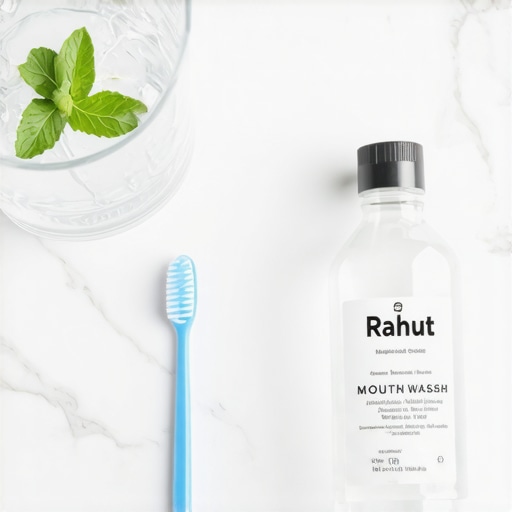
Dump the Alcohol and Sulfates Today
Check the back of your mouthwash and toothpaste tubes right now. If you see ‘Alcohol’ or ‘Sodium Lauryl Sulfate’ (SLS) at the top of the list, you are likely fueling the fire. Alcohol is a desiccant, meaning it dries out your tissues, and for someone with a phantom burn, a dry mouth is like putting gasoline on a campfire. SLS is the foaming agent that makes toothpaste bubbly, but it can be incredibly irritating to sensitive oral linings. Switching to an SLS-free, non-alcoholic routine is the fastest way to lower the baseline irritation. While you’re at it, look into the ultimate guide to teeth cleaning techniques and benefits to ensure you aren’t using too much pressure, which can further aggravate nerve endings in the tongue and palate.
Drink Water Like It Is Your Full Time Job
Saliva is your mouth’s natural defense mechanism; it’s packed with enzymes and minerals that keep your tissues lubricated and healthy. When your saliva production drops, your mouth loses its protective barrier, and that ‘scalded’ feeling intensifies. This is often why the real reason your breath smells early in the morning is tied to dryness—the lack of flow allows bacteria and irritation to peak. Sip water constantly throughout the day. Not big gulps, just consistent hydration to keep the environment moist. If the burn is particularly sharp, try sucking on ice chips made from filtered water. This provides a physical cooling effect that can temporarily numb the hyperactive nerves without the need for medication.
Get a Professional Perspective Before It Gets Worse
While home remedies can dampen the flames, you need to rule out underlying issues like vitamin deficiencies (specifically B12, zinc, or iron) or fungal infections like oral thrush. A dentist can look for subtle signs that you might miss in your bathroom mirror. Understanding how regular teeth cleaning can prevent major dental issues is crucial here because your hygienist can spot changes in tissue texture or color that point toward systemic problems. If the anxiety of an exam is holding you back, ask about modern comfort options. I’ve found that knowing how oral sedation makes deep cleanings feel effortless can take the edge off the stress of an appointment, allowing you to get the answers you need without the panic. Sometimes, even exploring the science behind teeth whitening with a pro can lead to a conversation about why your current over-the-counter products are causing chemical burns.Let’s dig deeper into a nuance that most people miss: the ‘natural’ product trap. We’re often taught to believe that if a label says ‘botanical’ or ‘fluoride-free,’ it must be gentler on a sore tongue. In my experience, the opposite is often true. Many of these products rely on high concentrations of peppermint, tea tree, or cinnamon oils to provide that ‘clean’ feeling. For a healthy mouth, that’s fine. For a mouth dealing with a phantom burn or a compromised mucosal barrier, those oils are basically liquid fire. According to a study published in the Journal of Oral Pathology & Medicine, contact stomatitis is frequently triggered by flavoring agents in ‘clean’ dental products that many users assume are safe.  If you’ve switched to an expensive organic brand and the stinging hasn’t stopped, you might be dealing with a localized allergic reaction. Have you ever fallen into this trap? Let me know in the comments. I wasted months on ‘herbal’ rinses before I realized they were the very thing preventing my nerves from calming down. This is one of the biggest oral health myths debunked for people with chronic sensitivity.
Does your whitening routine ignore the underlying nerve pain?
Another advanced mistake is trying to brighten a smile while the foundation is literally in distress. I see people all the time trying to fix ‘gray’ or ‘dull’ teeth with abrasive charcoal or high-acid strips while their tongue feels scalded. This is the one mistake people make when trying to whiten gray teeth—they treat the color without respecting the tissue. If you have thin enamel, these treatments don’t just whiten; they penetrate. You need to look for the safest way to whiten teeth if you have thin enamel, which usually involves professional supervision to ensure you aren’t literally melting your protective layers. The nuance here is that how regular dental cleanings can save you money in the long run isn’t just about avoiding fillings. It’s about having a professional monitor the health of your oral mucosa. A hygienist can see the early signs of ‘glossodynia’—the clinical term for burning mouth—before it becomes a chronic, life-altering issue. They can guide you through the science behind teeth whitening to find a balance that gives you the aesthetic you want without the agony. If you’re ready to stop guessing and start healing, it’s time to contact us for a tailored plan.
Why I Only Use Ultra-Soft Bristles Now
I used to think that the ‘clean’ feeling came from a vigorous scrub with a medium-strength brush. I was wrong. When you are dealing with a phantom burn or chronically sensitive tissues, a standard brush is basically a saw. I personally switched to a brush with over 12,000 Curen filaments—the Curaprox CS 12460 Velvet. It feels like a soft cloud against your gums, yet it removes plaque effectively without triggering a nerve response. Finding the best toothbrush texture for people with receding gums was a turning point for me because it stopped the physical micro-trauma that was making my tongue sensitivity so much worse. I also recommend the Waterpik Ion on its lowest setting; it’s the only way to clean between teeth without the ‘stinging’ sensation that traditional string floss can cause when your gums are inflamed. 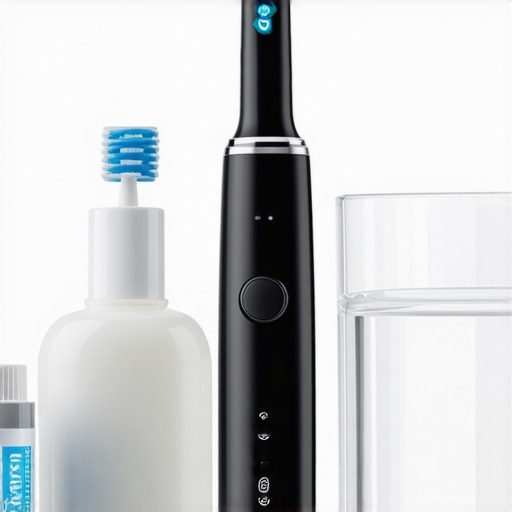
How do I maintain my oral comfort every single day?
Beyond the tools, you have to actively manage your mouth’s pH levels. If your saliva is too acidic due to stress or diet, the ‘burned’ feeling will flare up. I’ve started using a simple, DIY alkaline rinse: half a teaspoon of baking soda dissolved in a cup of warm water. I use this immediately after drinking coffee or eating fruit. While some worry about damage to enamel, the truth about using baking soda as a toothpaste is that it’s actually one of the least abrasive ways to clean your mouth when it’s fully dissolved. This is one of those top 5 secrets to maintaining perfect oral health as a family that costs almost nothing but provides instant relief. For my children, I’ve integrated family dental care hacks to keep your kids smiling daily, like using xylitol-based mints that stimulate saliva flow without the sugar that feeds harmful bacteria.
The Shift Toward Biomimetic Remineralization
I predict that the next decade of dentistry will move away from ‘scraping and scrubbing’ toward ‘building and bonding.’ We are already seeing this with the rise of Hydroxyapatite (HAp) toothpaste. Unlike traditional pastes that just polish the surface, HAp is a biocompatible material that actually plugs the tiny tubules in your dentin. According to a landmark study in the Journal of Dentistry (2019) by Schlagenhauf et al., hydroxyapatite is a highly effective alternative to fluoride in preventing caries, and it significantly reduces hypersensitivity without the irritation often associated with concentrated fluoride gels. This is a game-changer for maintaining oral health because it reinforces the tooth structure from the inside out. To really see results, you need to apply these preventive tips for long-lasting dental health for families consistently over months, not days. I highly recommend switching your evening toothpaste to a non-foaming HAp formula tonight. If you’ve tried these adjustments and that ‘scalded’ feeling is still lingering, it’s time to contact us for a deeper diagnostic look.
Lessons from the Months I Chased a Burning Ghost
I spent so much time feeling like my mouth was on fire because I fell for the “more is better” trap. I thought extra-minty meant extra-clean. I’ve realized now that oral health myths debunked in recent years prove that our tissues are far more delicate than we think. My first lightbulb moment was realizing that stress wasn’t just in my head—it was manifesting as physical pain in my tongue. My second was discovering that “natural” ingredients like peppermint and cinnamon were my biggest enemies. Finally, I learned that you cannot fix a nerve issue with a scrub brush; you fix it with time, hydration, and the right pH balance.
The Simple Tools That Reclaimed My Comfort
#IMAGE_PLACEHOLDER_E#My Toolkit for a Soothed Smile: First, always keep a high-quality Hydroxyapatite toothpaste in your cabinet to help with maintaining oral health without harsh chemicals. Second, I swear by alkaline mouth rinses made from simple baking soda to neutralize acid. Third, prioritize gentle teeth cleaning best practices for sensitive gums to ensure you aren’t causing micro-tears in your mucosa. If you’re dealing with acute pain, check out my guide on how to stop a canker sore from hurting immediately, as many of those soothing techniques overlap with Burning Mouth Syndrome relief.
Take Your First Step Toward a Pain-Free Life
You don’t have to wake up every morning wondering why your mouth feels like it’s been through a heatwave. By simplifying your routine and focusing on preventive tips for long-lasting dental health for families, you can give your nerves the chance to finally settle down. If you’re tired of the mystery and ready for professional clarity, please contact us today to start your recovery journey. Have you ever felt a ‘burn’ in your mouth that no amount of water could fix? Let me know in the comments!