
I remember sitting in my car three years ago, staring at the glass front doors of my dentist’s office, and feeling a legitimate sense of impending doom. My gums were tender, I knew I had some “pockets” that needed deep cleaning, and the thought of that ultrasonic scaler was enough to make my palms sweat uncontrollably. I actually turned the key and drove home that day, leaving my appointment behind. It was a massive mistake because I was letting my anxiety dictate the fate of my smile. If you’ve ever felt that paralyzing dread, I want you to know you aren’t alone. We’re going to talk about how oral sedation finally broke that cycle for me and why it’s essentially a “cheat code” for anyone who hates the dental chair. Have you ever sat in your car debating whether to just drive home and forget your oral health? Drop a comment below if you’ve been there too.
Stop letting fear ruin your gum health
The biggest hurdle I had to overcome was my own ego. I thought I could just “tough it out” during a deep scaling procedure. I was wrong. My early mistake was thinking that how regular teeth cleaning can prevent major dental issues only applied to people who weren’t afraid of the chair. In reality, the more you avoid the dentist, the more intense the cleaning becomes because plaque doesn’t just go away on its own. I learned the hard way that how regular dental cleanings can save you money in the long run only works if you actually show up. Oral sedation changed the entire game for me. It’s not like being under general anesthesia where you’re totally unconscious; instead, you’re in a dreamy, weightless state where you simply don’t have a care in the world. I recall the last time I went in; I took the prescribed pill, and the next thing I knew, the hygienist was telling me we were all finished. It felt like ten minutes had passed when it had actually been over an hour.
Is a tiny pill actually enough to stop the panic?
This was my exact skepticism before I tried it. I didn’t think a simple prescription sedative could handle my level of vibration-induced panic. But it truly does. While some might need to look into how IV sedation helps patients with severe dental phobias, most of us just need that sharp edge of anxiety taken off. For many, the benefit of oral sedatives for patients with high gag reflexes is just as important as the anxiety relief, as it helps your muscles relax completely. According to the Cleveland Clinic, about 36% of people have a fear of dental treatment, and oral sedation is one of the most effective ways to ensure they get the care they need without the trauma. Today, I’m breaking down why this simple approach makes family dentistry tips that make oral care effortless and effective actually work in the real world, starting with the prep you need to do before you even sit in the chair.
Setting the stage for a calm appointment
The process of overcoming dental fear doesn’t start in the dentist’s chair; it starts at your kitchen table. Once your dentist agrees that oral sedation is the right path, you’ll usually receive a prescription to fill at your local pharmacy. Think of this pill as a physical barrier between your brain and the “fight or flight” response that typically ruins your morning. I found that preventive tips for long-lasting dental health for families usually skip over the psychological prep, but it’s actually the most critical part of the routine. You’ll need a designated driver because you’ll be under the influence before you even arrive at the office. I remember the one time I forgot to coordinate a ride and had to reschedule—it was a huge setback for my maintaining oral health expert advice for a lifetime of healthy teeth goals, but safety always comes first.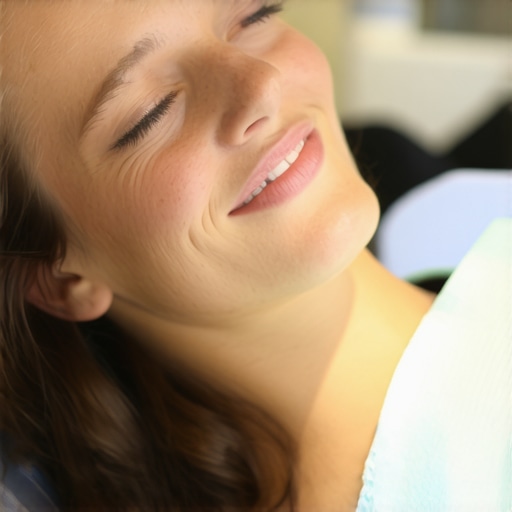
Coordinate your fasting and your fluids
You generally shouldn’t eat for about six hours before your appointment. This isn’t just a random rule; it’s about safety and ensuring the sedative absorbs efficiently into your bloodstream. When I went in for a session involving gentle teeth cleaning best practices for sensitive gums, I followed the fasting rules to the letter, and the medication worked within twenty minutes. If you have a full stomach, you might find the effect is dampened, or worse, you might feel nauseous during the procedure. Focus on staying hydrated the day before, then stop all intake as instructed by your clinical team.
What it actually feels like when the Wall goes up
Analogies are the best way to describe the sensation of oral sedation. Imagine you are wrapped in a heavy, warm wool blanket while floating in a pool of lukewarm water. You can still hear the dentist, you can still open your mouth when asked, but you simply do not care about the sounds of the tools or the pressure of the work. It’s like watching a movie of someone else getting their teeth worked on from a very comfortable distance. This state is perfect for how to manage dental anxiety for a long root canal appointment because it essentially compresses time; an hour feels like a blink.
How sedation handles a hyperactive gag reflex
This was my “Aha!” moment. I used to be the patient who would jump every time a mirror touched the back of my tongue. During a deep scaling session, my dentist explained that the benefit of oral sedatives for patients with high gag reflexes is that it relaxes the involuntary muscles in your throat. When I was sedated, those spasms just stopped. It allowed the hygienist to use teeth cleaning secrets to achieve a bright smile in under 30 minutes without me needing a break every sixty seconds. If you’ve ever felt like your own body was sabotaging your dental work, this is the solution.
Post-procedure care is simpler than you think
The amnesiac effect is the best part of the whole experience. You likely won’t remember the specifics of the procedure, which breaks the long-term trauma cycle. However, you still need to know the best way to manage pain after a deep scaling procedure once the sedative wears off. Usually, it’s just a bit of gum soreness, but because your muscles were so relaxed during the visit, your jaw won’t be as tired as it usually is after “white-knuckling” an appointment. This level of physical relaxation is why many now consider family dentistry building a foundation of healthy smiles for all ages much more accessible than it was a decade ago.The one thing that drives me crazy in this industry is the ‘scrub-brush’ mentality. We’ve been conditioned to think that if we aren’t scouring our teeth like a dirty kitchen floor, we aren’t getting them clean. This is perhaps the biggest myth in family dentistry building a foundation of healthy smiles for all ages. In reality, your enamel isn’t a slab of tile; it’s a living, porous structure. I’ve seen so many people try to ‘over-clean’ their way into a brighter smile only to end up with permanent sensitivity because they ignored the case against aggressive flossing how to save your interdental gums. If you’re using a hard-bristled brush, you’re basically sandpapering your future away. Have you ever fallen into this trap of thinking ‘harder is better’? Let me know in the comments below.
Why is your morning glass of juice secretly sabotaging your enamel?
This brings me to the ‘Oops’ factor that nearly ruined my teeth before I knew better. Everyone tells you to brush after every meal, but if you’ve just had fruit or coffee, you’re actually doing more harm than good. According to a study published in the Journal of the American Dental Association (JADA), acid softens the enamel almost instantly. If you brush right away, you’re literally brushing your enamel off while it’s in a weakened state. This is why you should never brush your teeth immediately after eating fruit. 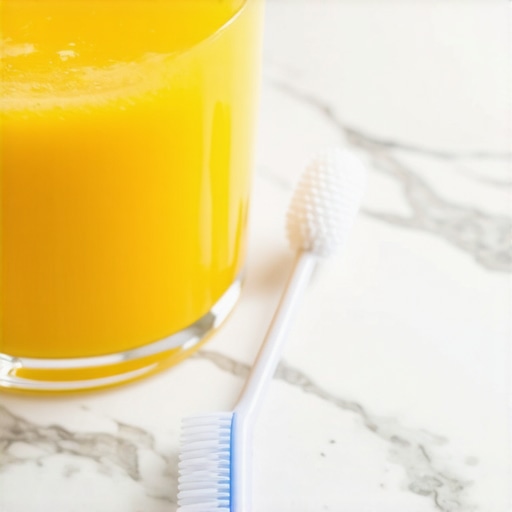 I always tell people to wait at least thirty minutes or just rinse with water first to allow the saliva to remineralize the surface.
Cosmetic work is a biological shield, not just a vanity project
Another common mistake is thinking that cosmetic dentistry trends that transform your smile this year are only about looking like a movie star. I used to think that way until I realized that many procedures, like veneers or bonding, actually provide structural reinforcement for teeth that have been thinned by acid or age. However, there’s a nuance here: if the prep isn’t done perfectly, you’ll see why your veneers are discoloring at the gum line later on. It’s not just about the surface; it’s about the hermetic seal. While some might suggest the strawberry trick for naturally removing surface stains at home, these DIY ‘hacks’ often involve citric acids that can worsen the very problems you’re trying to hide. Real expertise involves understanding oral health myths debunked what you need to know in 2025, which often means doing less but doing it more intelligently. You need the one nutrient most people lack for healthy tooth enamel like bioavailable calcium and phosphate, not just more abrasive pastes.
Get a brush that talks back to you
Once you’ve moved past the initial hurdle of getting back into the dentist’s chair—whether through sedation or just pure willpower—the real challenge begins: the maintenance phase. I’ve found that the best results don’t come from working harder; they come from working smarter with the right tech. For me, that meant finally investing in a high-end electric toothbrush with a built-in pressure sensor. I used to be a ‘scrubber,’ but the sensor flashes red the second I press too hard, which is a life-saver for how to brushes your teeth without damaging receding gum lines. It’s like having a tiny dental coach in your bathroom. If you’re still using a manual brush, you’re essentially driving a stick shift in a world of self-driving cars. You can get the job done, but it’s much harder to be consistent.
Ditch the string for a targeted water stream
Beyond the brush, the most significant change I made was adding a water flosser to my nightly routine. According to the American Academy of Periodontology, water flossing can be up to 50% more effective than traditional string floss for reducing gingivitis and removing plaque. This isn’t just marketing hype; I noticed a massive difference in my ‘pockets’ during my last check-up. This is one of the top 5 secrets to maintaining perfect oral health as a family because kids actually find the water flosser fun to use, which removes the bedtime flossing battle entirely. 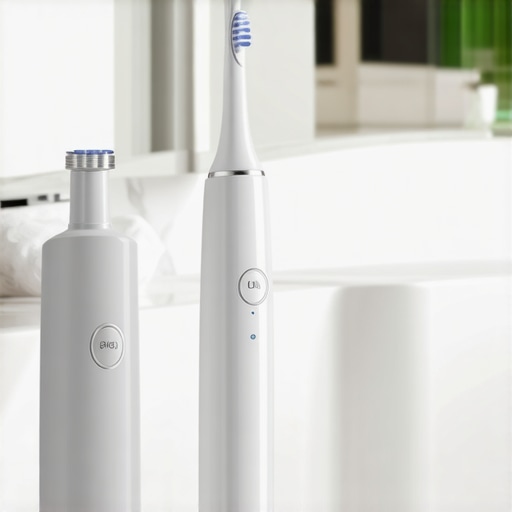
How do I keep my professional results from fading?
Maintaining that ‘just-left-the-dentist’ feeling requires a blend of tech and timing. If you’ve invested in the science behind teeth whitening achieve stunning results fast, you need to be mindful of the ‘white diet’ for the first 48 hours—no red wine, no coffee, no dark berries. For the long haul, I recommend using revolutionary teeth cleaning techniques for 2025, such as switching to an ultra-soft brush head every three months. We often forget that bristles wear out and become abrasive, which can lead to enamel thinning. If you’re serious about your smile, you should also look into cosmetic dentistry innovations you cant miss this year, like at-home remineralization gels that use hydroxyapatite instead of just fluoride. Looking ahead, I predict we are moving toward a ‘smart’ dental era where our toothbrushes will analyze our saliva for biomarkers of inflammation before we even feel a toothache. This proactive approach is the core of preventive tips for long-lasting dental health for families. Instead of reacting to pain, we’ll be managing our biological data daily. For now, my best advice is to embrace the tech we have. I challenge you to try a water flosser for 30 days straight—I promise your hygienist will notice the difference at your next regular dental cleaning.
The Hard Truths I Learned While Floating in a Sedation Dream
Looking back at my journey from someone who literally fled the parking lot to someone who now schedules visits without a racing heart, I’ve realized three things that no generic brochure ever tells you. First, sedation isn’t a “shortcut” for the lazy; it is a clinical tool that breaks the biological loop of trauma. If you have extreme fear, understanding how IV sedation helps patients with severe dental phobias might be your ultimate answer, but for me, that little oral sedative was the key to finally being present for my health. Second, I learned that the case against aggressive flossing how to save your interdental gums is real. I was hurting myself trying to be “perfect” by scrubbing too hard. Finally, the health of your smile depends less on how much you brush and more on the one nutrient most people lack for healthy tooth enamel: bioavailable minerals. Without them, even the most diligent brushing is just moving surface debris while the foundation weakens.
The Daily Arsenal That Keeps Me Out of the Emergency Chair
I’ve curated a toolkit that I trust because it removes human error from my routine. These are my non-negotiables for maintaining long-term oral health. #IMAGE_PLACEHOLDER_E# I swear by a smart electric brush with a pressure sensor; it’s the only way to master how to brushes your teeth without damaging receding gum lines without second-guessing myself. I also replaced my string floss with a high-pressure water flosser, which is one of the top 5 secrets to maintaining perfect oral health as a family. Lastly, I keep up with oral health myths debunked what you need to know in 2025 by using remineralization gels instead of generic abrasive pastes, as they actually help rebuild the enamel that daily acids wear down.
Your Smile Deserves a Fear-Free Second Chance
The cycle of avoidance, guilt, and pain is exhausting, but it is not permanent. Whether you are looking for enhancing confidence with cosmetic dentistry what to expect or simply trying to get through a basic cleaning, remember that the technology exists to make the experience effortless. By following maintaining oral health expert advice for a lifetime of healthy teeth, you aren’t just protecting your smile; you’re reclaiming your comfort. Have you ever postponed a cleaning because of dental anxiety, and what finally got you through the office door? Let me know in the comments below!