
I will never forget the high-pitched hum of the dental drill and the way my five-year-old gripped my hand, eyes wide with confusion. I felt like a total failure. I had spent years buying those expensive, organic, ‘natural’ fruit leathers and gummy stars, genuinely believing I was the poster child for healthy parenting. I was wrong. It turns out, those sticky, concentrated fruit sugars were basically glue for decay, hiding in the deep grooves of his molars and doing more damage than a literal candy bar. That day changed how I looked at my pantry forever. We want our kids to be happy and fed, but we definitely don’t want to spend our weekends—and our savings—in a specialist’s waiting room. Today, I am pulling back the curtain on the snack aisle. We are going to find that ‘sweet spot’ where your kids won’t stage a mutiny, and your dentist won’t give you that disappointed ‘over the spectacles’ look. Whether you are looking for family dental care hacks to keep your kids smiling daily or you are just tired of the constant sugar highs, there is a much better way to graze.
Why the ‘Healthy’ Snacks You Are Buying Might Be Ruining Teeth
The marketing on the front of the box is usually a lie. ‘No added sugar’ sounds like a win until you realize the product is 100% concentrated juice that sticks to enamel like wet cement. Early on, I made the massive mistake of thinking that as long as it wasn’t a lollipop, it was safe. I didn’t realize that frequency matters just as much as the food itself. Every time your child nibbles on a processed cracker or a gummy, their mouth becomes an acidic playground for at least twenty minutes. If you have been wondering how to stop your kids from getting cavities between their teeth, it is time to look at these stealthy snack culprits. We need to focus on foods that clear the mouth quickly or actually help neutralize those acids. According to the American Academy of Pediatric Dentistry, it is the total time teeth are exposed to carbohydrates that really drives the decay process. This is often why some people are more prone to cavities regardless of hygiene habits alone.
Can a snack really be delicious and dental-safe?
You might be thinking this sounds like a life of celery sticks and sadness. I get it. I was a skeptic too. I thought my kids would never trade their fruit snacks for cheese cubes or nuts. But here is the secret: it is all about the crunch, the salt, and the presentation. We are going to look at ‘detergent foods’ that actually help scrub the teeth while they eat. If you have ever had to explain a cavity to a toddler without scaring them, you already know how much easier it is to just prevent the problem in the kitchen. Have you ever felt that sinking feeling at the dentist after trying so hard to be the ‘healthy parent’? Tell me I am not alone in this!
Load Up on Natures Toothbrushes
To protect your kids teeth, you need to think like a mechanical engineer. Some foods actually do the hard work of scrubbing for you. We call these detergent foods because their high water content and fibrous texture act like a natural scrubber, sweeping away food particles that haven’t quite settled into the grooves yet. Think of crisp celery, raw carrots, and sliced cucumbers as tiny, edible bristles. When my son finally swapped his fruit leathers for what we called ‘crunchy spears’ (basically just cucumbers sliced long-ways), I noticed his breath stayed fresher and his gums looked much healthier. These foods stimulate saliva, which is your body’s primary defense system against decay. This is one of the most practical family dentistry tips that make oral care effortless and effective because it turns snack time into a pre-cleaning session. 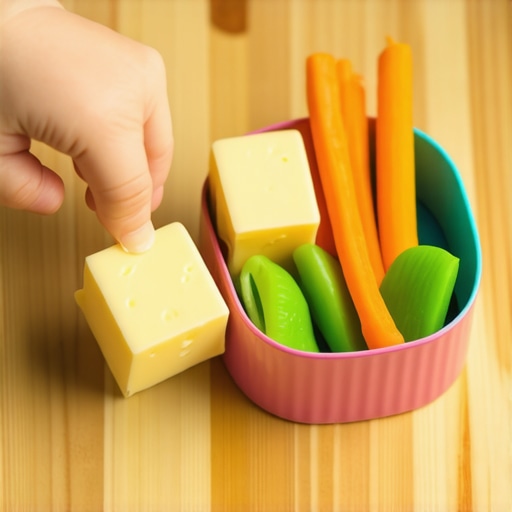
Neutralize Acids with a Simple Cheese Hack
If your kids are going to eat something acidic or slightly sweet, you have to provide a buffer. I used to let my kids graze on grapes all afternoon, not realizing I was essentially bathing their teeth in a constant stream of natural acid. Now, we never serve fruit alone. We always pair it with a cube of hard cheese or a few nuts. Cheese is a dental powerhouse; it contains calcium and phosphates that help remineralize enamel, and it raises the pH level in the mouth to neutralize acid. I remember the first time I tried this ‘pairing’ method—my daughter was confused why there were cheddar cubes next to her apple slices, but once I explained it was like a shield for her teeth, she was all in. Following these top 5 secrets to maintaining perfect oral health as a family makes a massive difference in preventing those expensive fillings.
Time Your Treats to Save the Enamel
The most important lesson I learned at the specialist’s office was that ‘when’ they eat is just as vital as ‘what’ they eat. If you give a child a cookie in the middle of a two-hour play session, their mouth stays acidic for a long duration. However, if they eat that same cookie immediately after a protein-rich lunch, the increased saliva flow from the meal helps wash away the sugar much faster. This simple timing shift is one of the best preventive tips for long-lasting dental health for families. We have a rule now: treats are part of the meal, not a standalone event. This prevents the ‘snack-attack’ cycle that keeps oral pH levels in the danger zone.
Master the Three Minute Water Swish
Teaching your child to swish with plain water after every snack is a game-changer. It sounds too simple to work, but it physically dislodges debris and dilutes the sugars that cause oral health myths busted by marketing campaigns often ignore. I once watched my youngest swish after a particularly sticky peanut butter sandwich and was shocked at how much bread actually came loose just from a few seconds of vigorous rinsing. It’s a habit that costs nothing and saves hundreds in dental bills. If you combine this with gentle teeth cleaning best practices for sensitive gums, you’re setting them up for a lifetime of confidence and health.
While that three-minute water swish is a lifesaver, there is one ‘healthy’ habit that might actually be backfiring: brushing immediately after you eat. Most of us were raised to believe that the faster we scrub after a meal, the better. However, this is one of the most common oral health myths debunked what you need to know in 2025. When you consume acidic foods or sugary snacks, your enamel temporarily softens. If you go in with a toothbrush right away, you are essentially sandpapering your own protective layer while it is in its most vulnerable state.
Wait thirty minutes before you grab the toothbrush
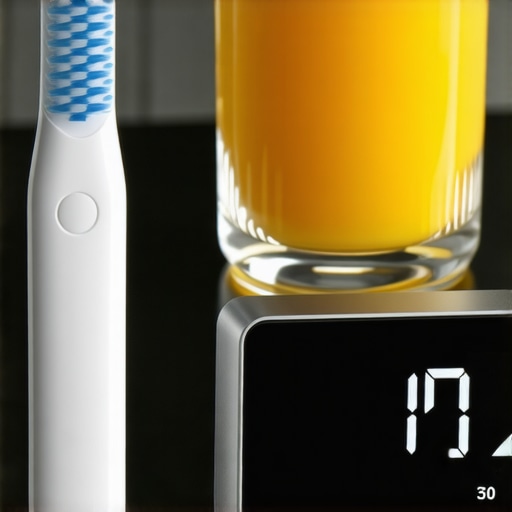
In my experience, the ‘oops’ factor usually happens at breakfast. You have your orange juice or coffee, and then you rush to brush before heading out the door. A study published in the Journal of the American Dental Association highlights that brushing within 20 to 30 minutes of an acidic event can significantly increase dentin loss. Instead, you should rinse with water and wait at least half an hour for your saliva to naturally remineralize the surface. This nuanced approach is a cornerstone of preventive tips for long-lasting dental health for families that often gets overlooked in the rush of daily life.
Is professional cleaning actually wearing down your enamel?
I hear this question constantly from parents who worry that the ‘scraping’ during a checkup is damaging. The truth is quite the opposite. The tools used by hygienists are designed to remove calculus (tartar) which is essentially fossilized plaque that no toothbrush can touch. When you skip these visits out of fear, that tartar builds up and begins to pull the gums away from the bone. Understanding how regular teeth cleaning can prevent major dental issues is vital because it protects the foundation of the tooth, not just the visible part. It is a biological necessity, not a cosmetic luxury.
The dangerous trap of DIY charcoal whitening
Another area where many well-meaning people fall into a trap is the recent obsession with charcoal or lemon-juice ‘whitening’ hacks. These are incredibly abrasive and can lead to permanent sensitivity. If you want a brighter smile, you have to be careful about the truth about whitening toothpaste does it actually change the color, as many of these products only remove surface stains rather than changing the actual shade of the tooth. Over-whitening can even lead to a ‘translucent’ or blueish look, which is a sign of thinning enamel—the exact opposite of the healthy, vibrant look we want. For a safe upgrade, it is much better to look into the ultimate guide to teeth cleaning techniques and benefits provided by professionals. Have you ever fallen into this trap of over-brushing or trying a risky DIY hack? Let me know in the comments!
Stop scrubbing and let the motor do the work
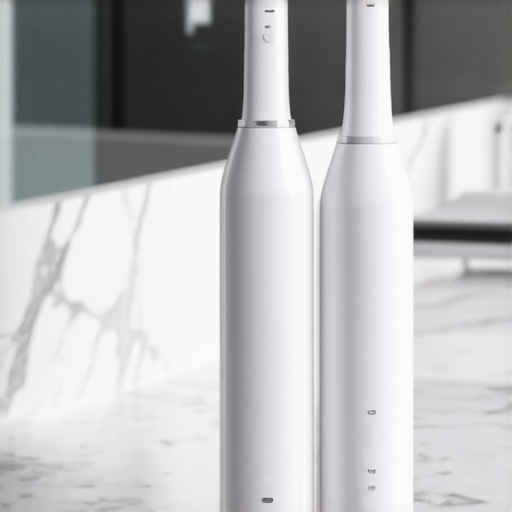
Once I realized that manual brushing was essentially a guessing game, I made the switch to a sonic electric toothbrush with a built-in pressure sensor. This was a game-changer for me personally because I discovered why your gums are receding on only one side of your mouth—it was my own heavy-handedness. I use the Philips Sonicare series because of its high-frequency vibrations that create microbubbles, reaching deep between teeth where a manual brush simply can’t. If you are investing in the impact of cosmetic dentistry in 2025, you cannot afford to skip the tech that preserves that investment. The pressure sensor is the most vital feature; it pulses to warn you when you’re being too aggressive, protecting your enamel from unnecessary wear.
Why a water flosser is my non-negotiable tool
I used to fight my kids every night over string floss until I finally bought a countertop water flosser. It’s significantly less mess and, frankly, more effective for our family. A landmark study published in the Journal of Clinical Periodontology found that water flossing can be up to 50% more effective than traditional string floss for improving gum health. I recommend the Waterpik Aquarius specifically because of its adjustable pressure settings. For the kids, we start on a low setting to keep it comfortable, which is one of those family dentistry tips that make oral care effortless and effective. It flushes out the bacteria that even the best toothbrushing session leaves behind.
How do I maintain my family’s oral health over time?
Consistency is the only ‘secret’ that actually works. We view professional visits as a preventative maintenance schedule rather than an emergency fix. It is much easier to stay on top of things when you realize how regular dental cleanings can save you money in the long-run by catching small issues before they become five-thousand-dollar root canals. Looking ahead, I expect to see even more cosmetic dentistry innovations you can’t miss this year, including AI-powered toothbrushes that map your mouth in real-time on your phone to show you exactly which spots you missed. This level of data-driven hygiene is the future of maintaining oral health expert advice for a lifetime of healthy teeth.
We have also started incorporating revolutionary teeth cleaning techniques for 2025 by using erythritol-based disclosing tablets once a month. These tablets stain the remaining plaque purple, showing my kids exactly where they need to focus. It turns a chore into a visual challenge. Tonight, I want you to try this specific tip: after you brush, run your tongue over the back of your bottom front teeth. If it feels ‘fuzzy’ or anything less than glass-smooth, you haven’t finished the job. Try adjusting your brush angle to 45 degrees toward the gum line and see the difference it makes tomorrow morning!
The Most Expensive Lesson My Kids Taught Me
Reflecting on that first cavity, I realized that modern parenting is a minefield of ‘healthy’ traps. First, frequency is the real enemy. It isn’t just the sugar; it is how long that sugar sits there. I also learned that you can’t out-brush a bad diet. No matter how much we scrubbed at night, the damage was being done during the school day. Finally, I stopped viewing the dentist as a ‘judge’ and started seeing them as a partner in family dentistry building a foundation of healthy smiles for all ages. Shifting from a mindset of ‘fixing holes’ to ‘building strength’ changed the entire energy in our house.
My Must-Have Toolkit for Busy Parents
I rely on a few key resources to keep our family on track without losing my mind. I highly recommend the Philips Sonicare for Kids because it gamifies the experience with an interactive app. For the technical side, we often discuss why we recommend sealants for children with deep grooves in their teeth during our routine checkups to add an extra layer of armor. I also keep a bookmark of the American Dental Association’s MouthHealthy portal for quick answers to common questions. Lastly, being proactive means knowing how to tell if that bump on your gums is an abscess so you can act before a small irritation becomes a weekend emergency.
#IMAGE_PLACEHOLDER_E#
Your New Journey Toward Stress-Free Dentist Visits
You do not have to overhaul your entire life overnight to see results. Start with one simple change—like the cheese hack or the three-minute water swish—and build from there. Achieving excellent oral health for your family is a long-term commitment, not a one-time fix. Every small, intentional choice you make today is a deposit into your child’s future confidence and well-being. Don’t be afraid to ask questions and take control of the snack aisle. Which of these tooth-friendly snack swaps are you going to try first this week? Let me know in the comments below!