
I remember sitting on my bathroom floor during my second trimester, staring at a sink that looked like a scene from a horror movie. My gums weren’t just sensitive; they were a deep, angry shade of crimson and looked like they’d been inflated with a bicycle pump. I honestly thought I was losing my mind, or worse, my teeth. It is one of those things nobody really warns you about in the common advice books. You expect the morning sickness and the weird cravings for pickles, but the bloody-mouth-every-morning part? That was a total surprise. I made the classic mistake of thinking I was just brushing too hard, so I backed off, which only made the plaque buildup worse. I learned the hard way that pregnancy gingivitis is a real, stubborn beast that requires a specific game plan rather than avoidance.
Your Hormones Are Throwing a Party and Your Gums Weren’t Invited
[image_placeholder]
So, why is this happening right now? The short answer is hormones—specifically progesterone. When you are pregnant, your body is flooded with it, and while that is great for growing a tiny human, it can be a nightmare for your oral health. This surge in hormones makes your gums much more sensitive to the bacteria in plaque. According to the American Dental Association, between 60% and 75% of pregnant women experience some form of gingivitis. This isn’t because you suddenly stopped taking care of yourself; it is because your body is essentially overreacting to things it used to handle just fine. If you have noticed why your gums throb after brushing too vigorously lately, it is likely this heightened sensitivity at work. I found that sticking to gentle teeth cleaning best practices for sensitive gums was the only way to keep the peace without causing more pain and inflammation.
Can pregnancy really cause my teeth to just fall out?
This was my biggest fear. I had heard the old wives’ tale that you lose a tooth for every baby, and I was terrified it was actually true. Let us clear the air: your teeth will not just fall out because you are pregnant, but if you ignore the inflammation, it can lead to more serious periodontal disease that affects the bone. That is why understanding family dentistry building a foundation of healthy smiles for all ages is so crucial during this stage of life. It is not just about you anymore; it is about keeping your whole system healthy for the little one. Have you ever felt that sharp, throbbing panic when you see your gums looking twice their normal size? You aren’t alone, and you definitely do not have to just tough it out until the delivery room. We can fix this with a few shifts in your daily routine that I had to learn through trial and error.
Ditch the Power-Scrubbing for a Softer Approach
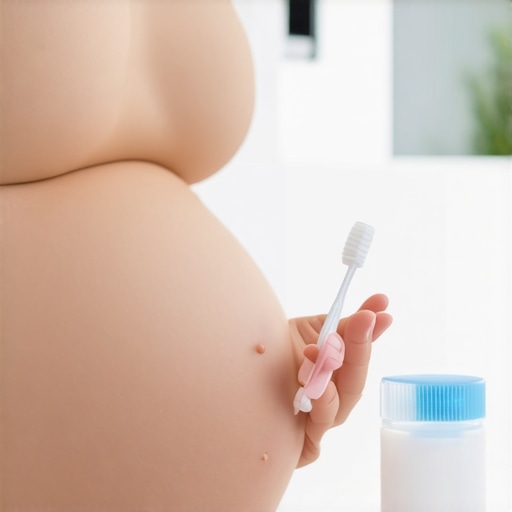
The first thing I had to change was my ‘more is better’ mindset. I used to think that if my gums were inflamed, I needed to scrub harder to get the ‘gunk’ out. Big mistake. Your gums right now are like a bruised peach—if you poke them with something hard, they are going to bleed and get worse. I finally learned how to choose the right toothbrush bristle strength for your gums, and it made a world of difference. Switching to an extra-soft manual brush felt weird at first, like I was not really cleaning, but it allowed the inflammation to actually subside instead of being constantly re-irritated.
Stop Fearing the Floss and Start Guiding It
I know, the last thing you want to do when your gums are throbbing is jam a piece of string between them. But here is the catch: the bacteria causing the swelling are hiding in the gaps. If you stop flossing, you are basically letting those bacteria set up a permanent campsite. Think of flossing like clearing a drain; if you do not do it, the backup just gets grosser. I had to master the ultimate guide to teeth cleaning techniques and benefits to realize that a ‘C-shape’ motion—wrapping the floss around the tooth rather than just sawing back and forth—stopped the ‘crime scene’ look in my sink within three days. It is about being a guide, not a lumberjack.
Trade the Sting for a Soothing Rinse
Many of us reach for the strongest, most alcohol-heavy mouthwash thinking it will kill the infection. During my second trimester, I used a popular blue mouthwash and felt like my mouth was literally on fire. I did not realize why your mouth feels like it is burning after using alcohol-based mouthwash until my dentist explained that alcohol dries out your tissues, making pregnancy-sensitive gums even more prone to irritation. I swapped it for a simple warm saltwater rinse three times a day. It is cheap, it is safe, and it acts like a spa day for your mouth by drawing out the excess fluid from those swollen tissues.
The Second Trimester Cleaning is a Game Changer
I used to be terrified of the dentist while pregnant, worrying about the X-rays or the reclining chair. But getting a professional cleaning during that ‘sweet spot’ of the second trimester is probably the smartest move you can make. It is much more than just a shiny smile; it is about removing the hardened tartar that you simply cannot brush away at home. Plus, understanding how regular dental cleanings can save you money in the long run helped me justify the extra trip. They can spot issues before they turn into full-blown emergencies. It is all part of those preventive tips for long-lasting dental health for families that keep you and the baby safe from the systemic effects of gum disease.
Let’s dig deeper into the science of why your mouth feels like a construction zone. Most people assume that pregnancy gingivitis is just a temporary side effect that vanishes the moment you hold your baby. This is the biggest ‘oops’ factor I see: treating oral health like a waiting game. In reality, the high levels of progesterone don’t just make your gums sensitive; they actually change the composition of the bacteria in your mouth. Certain species of bacteria that thrive on these hormones become more aggressive, meaning your standard cleaning routine might not be enough to keep up with the new, faster-growing biofilm.
Why Bacteria Love Your Pregnancy Hormones as Much as You Do
The common belief is that your gums bleed because they are ‘soft,’ but the nuance is more complex. Research published in the Journal of Periodontology has highlighted a concerning correlation between severe gum disease and adverse pregnancy outcomes, including preterm birth and low birth weight. This isn’t meant to scare you, but to shift your perspective: professional intervention is a necessity, not an elective luxury. Many mothers-to-be fall into the trap of thinking oral health myths debunked what you need to know in 2025 are just suggestions, but when your systemic health is linked to your baby’s, those myths become dangerous. Have you ever fallen into the ‘it is just pregnancy’ trap and ignored your dental health? Let me know in the comments below.
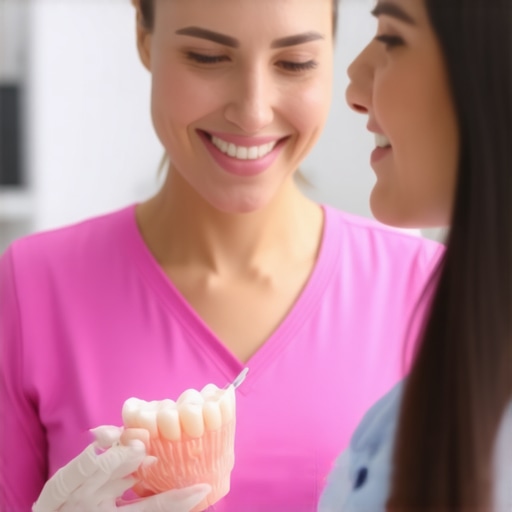
Another nuance people miss is the ‘pregnancy tumor’ or pyogenic granuloma. These are scary-looking, red, raw nodules that can pop up on the gum line. I remember panicked calls from friends thinking they had oral cancer. They are usually benign and caused by extreme irritation, but the ‘trap’ here is trying to self-treat or ‘pick’ at them. This leads to massive bleeding and potential infection. The sophisticated approach is to let your dentist manage them through how regular teeth cleaning can prevent major dental issues before they even start.
Should I Wait Until After Breastfeeding for Cosmetic Smile Improvements?
This is a question I get from moms who want to reclaim their confidence after the ‘toll’ pregnancy took on their bodies. While basic maintenance is vital, the nuance for cosmetic work is all about timing. If you are looking at cosmetic dentistry innovations you cant miss this year, it is often best to wait until your hormone levels have stabilized and any lingering gum inflammation has fully subsided. Professional whitening or veneers require a stable gum line to look natural and last long-term. Jumping into these too early can result in an uneven look once the ‘pregnancy puffiness’ leaves your tissues.
The Long Game for Your Growing Family
Establishing a solid routine now isn’t just about saving your own teeth; it’s about the bacterial transfer to your child once they arrive. We often forget that we can pass cavity-causing bacteria to our infants through shared spoons or kisses. This is why mastering the top 5 secrets to maintaining perfect oral health as a family starts in the womb. By keeping your own bacterial load low during the third trimester, you are literally giving your child a healthier biological start. It is the ultimate form of preventive care that goes far beyond the surface of a shiny smile.
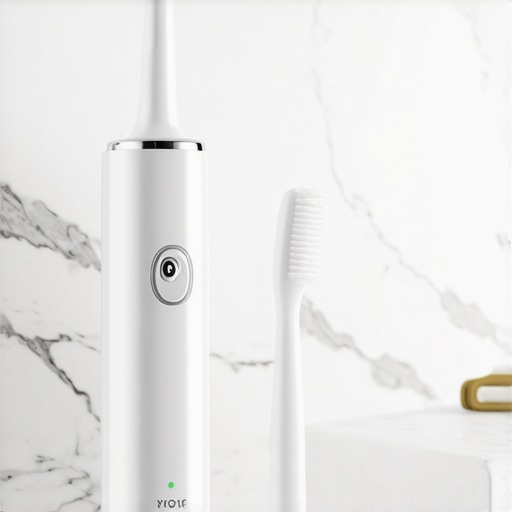
I didn’t just survive my second trimester with a manual brush; I had to upgrade my toolkit to stay ahead of the inflammation. My personal game-changer was a high-quality water flosser. If you have ever felt like traditional floss was a cheese wire cutting into your sore gums, you need this. I found that using a cordless model on the ‘sensitive’ setting with lukewarm water allowed me to flush out the gingival sulcus without any mechanical trauma. This isn’t just a luxury; the American Academy of Periodontology highlights that removing subgingival biofilm is non-negotiable for preventing the progression of pregnancy-related gingivitis into full-scale periodontitis.
Digital Scanners Beat Messy Molds Every Time
Beyond the daily grind at home, the tech at the office has evolved too. I used to dread the goopy impressions, but now, many clinics use advanced tools. We’ve seen how we use digital scanners to avoid messy dental molds, which is a massive relief when you have a pregnancy-induced gag reflex. These scanners provide a 3D map of your mouth, allowing your dentist to track gum recession or shifting with pinpoint accuracy. Looking ahead, I predict we will soon see more ‘bio-active’ toothpastes that interact with our unique oral microbiomes to neutralize pregnancy-specific bacteria before they can cause swelling. It’s an exciting time for family dentistry building a foundation of healthy smiles for all ages.
How do I keep my gums healthy once the hormones settle?
The ‘maintenance phase’ is where most people drop the ball. Once the baby is born and your progesterone levels dip, you might think you’re in the clear. But your tissues are still healing. You need to focus on maintaining oral health expert advice for a lifetime of healthy teeth by sticking to your three-month professional cleanings for at least the first year postpartum. This ensures any ‘pocketing’ that occurred during pregnancy doesn’t become permanent. If you had work done previously, knowing how to maintain your porcelain veneers so they last twenty years or keeping up with preventive tips for long-lasting dental health for families will save you from a major overhaul later. For those looking to refresh their look post-baby, keeping an eye on cosmetic dentistry trends that transform your smile this year can give you that confidence boost you deserve. I highly recommend trying a saltwater rinse tonight—it’s the simplest way to reduce current swelling before your next appointment.
Hard-Won Truths from the Pregnancy Dental Trenches
Looking back at my own journey, the biggest shock was realizing that the rules of oral care completely shift when you are expecting. First, I learned that bleeding gums are actually a signal to clean more thoroughly, not to stop touching the area altogether. The trick is switching to a much softer technique rather than avoiding the problem. Second, if you struggle with morning sickness, the acidity can be devastating to your enamel. I found that rinsing with plain water immediately after and waiting thirty minutes to brush was vital to avoid scrubbing the acid directly into my teeth. Lastly, your oral health is the first chapter of your child’s health story. By mastering family dental care hacks to keep your kids smiling daily now, you are effectively preparing your home for a lifetime of wellness. It is about reducing the bacterial load you will eventually share with your newborn.
Tools That Saved My Smile and My Sanity
I would not have made it through my third trimester comfortably without a few specific staples. A quality water flosser became my best friend, replacing the sharp, cheese-wire sensation of string floss against my inflamed tissues. I also relied heavily on lukewarm saltwater rinses, which acted as a natural anti-inflammatory when the hormone-induced swelling peaked at night. If you are feeling overwhelmed by the fatigue of pregnancy, these teeth cleaning secrets to achieve a bright smile in under 30 minutes are perfect for keeping your routine efficient without sacrificing results. I also recommend keeping a travel toothbrush in your purse; sometimes a quick mid-day refresh is all it takes to keep the plaque from irritating your sensitive gums.
Give Your Baby the Gift of a Healthy Start
Prioritizing your dental hygiene during this busy season can feel like just another chore, but it is a powerful act of self-care. Pregnancy gingivitis is a temporary challenge, but the foundation you build today ensures your smile remains strong for years to come. Once you have settled into life with your new addition, you might even want to explore the impact of cosmetic dentistry in 2025 to reclaim your confidence. For now, focus on the small wins: the rinses, the gentle brushing, and the regular check-ups. If you have any concerns, do not hesitate to contact us to schedule a gentle cleaning tailored for expectant mothers. Your health and your baby’s future are worth the extra few minutes at the sink tonight. Did you notice a sudden change in your gum health during your second trimester, or are you just starting to feel the sensitivity now? Let me know your experience in the comments below!