
I was standing in front of my bathroom mirror, obsessively picking at what I thought was a stray piece of pepper from my salad. I poked, I prodded, and I even grabbed the heavy-duty floss, but that tiny dark shadow wouldn’t budge. That was the moment I realized it wasn’t food at all. It was a literal hole in my smile. My heart sank. I’ve always taken pride in my oral hygiene, so seeing those “black triangles” felt like a personal failure, like I was suddenly looking at a much older version of myself.
Those Dark Gaps Aren’t Just Your Imagination
If you’ve started noticing these little voids, you’re likely feeling that same mix of annoyance and self-consciousness I did. In the dental world, we call them gingival embrasures, but to the rest of us, they just look like missing pieces of a puzzle. For the longest time, I made the mistake of thinking if I just brushed harder, my gums would “grow back” to cover them. Spoiler alert: that is not how it works. In fact, over-brushing is one of the many reasons gums can start receding in the first place. Today, I want to walk you through exactly what causes these gaps and, more importantly, how we can actually close them. Whether you’re worried about food getting stuck or you’re just tired of seeing shadows when you laugh, there is a path forward. We aren’t just talking about old-school fixes either; the world of cosmetic dentistry in 2025 offers some pretty incredible, non-invasive options that I wish I had known about years ago.
Is this really something I can fix without a scary surgery?
This is the big question, isn’t it? Most people assume that once the gum tissue is gone, you’re looking at painful grafts or expensive, high-maintenance procedures. I used to be terrified of the same thing. But here is a surprising fact: According to data published in the British Dental Journal, nearly 67% of adults over age 20 deal with these black triangles to some degree. Because it’s so common, dental technology has pivoted toward faster, more comfortable solutions. You don’t necessarily need a scalpel to get your confidence back. In the sections below, I’m going to share the specific ways to fix the black triangles between your teeth that actually work, from simple bonding to clever hygiene tweaks. Have you ever caught yourself tilting your head in photos just to hide a gap between your teeth? I’ve been there, and I promise you, you don’t have to live with that “pepper-stuck-in-my-teeth” feeling forever. Let’s dive into why this happens and how we can stop those gaps from getting any wider. Sometimes, the first step is as simple as updating your teeth cleaning routine to protect what you already have.
Fill the Void with Composite Bonding and Bioclear
Think of dental bonding like a high-tech version of wood filler for a precious antique. When I first saw my dentist about my black triangles, I expected a lecture. Instead, he showed me how they could use tooth-colored resin to literally ‘bulk up’ the sides of the teeth. This doesn’t just hide the hole; it creates a tighter contact point so food stops getting trapped. In the world of cosmetic dentistry innovations you can’t miss this year, a technique called Bioclear has become the gold standard. It uses specialized clear forms to wrap around your tooth, allowing the dentist to inject a warm, liquid composite that cools into a rock-hard, seamless finish. Unlike old-school fillings that looked like obvious patches, this looks like your natural tooth simply grew slightly wider to close the gap.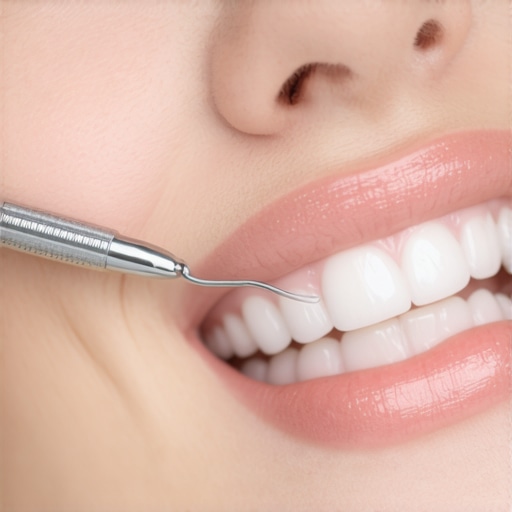
Stop Scrubbing Your Gums Away
One of the hardest lessons I had to learn was that my aggressive cleaning was actually making things worse. I used to think that if I didn’t feel a little tingle, I wasn’t getting the job done. I once spent a month using a firm bristle brush, thinking I was being extra thorough. The result? My teeth started to ache, and I developed a sharp zing every time I ate something sweet. I didn’t realize that the reason your teeth feel sensitive to sugar but not cold is often because you’ve worn down the enamel or pushed the gum line back through sheer force. Now, I advocate for gentle teeth cleaning best practices for sensitive gums. You want to use a soft-bristled brush and move in circular motions, not a back-and-forth sawing motion. Imagine you are polishing a ripe peach—you want to clean it, not break the skin.
Leverage Laser Tech for Tissue Health
If your gaps are caused by underlying gum issues, you might need more than just a cosmetic cover-up. In the past, this meant flap surgery—which sounds exactly as fun as it is. But 2025 technology has changed the game. Many offices now use light energy to stimulate tissue recovery. Learning about how we use laser dentistry to treat gum disease without scalpels was a turning point for me. The laser targets only the infected tissue and bacteria, leaving the healthy parts alone. This encourages the gums to settle back into place and can prevent the triangles from getting any larger. It’s a foundational part of the top 5 secrets to maintaining perfect oral health as a family; addressing the biological cause ensures your cosmetic fixes actually last.
The Power of Interproximal Brushes
Instead of forcing thick floss into a small gap—which can actually act like a saw and cut your gum tissue—try interproximal brushes. These tiny, pine-tree-shaped brushes slide into the gaps and gently clear out debris without the trauma of traditional flossing. It’s a simple switch that protects the delicate papilla, the little pink triangle of gum, from being flattened further. By keeping that area clean and stimulated, you are giving your gums the best environment to stay plump and healthy.Let’s dig deeper into why simply ‘brushing better’ isn’t the magic bullet we want it to be. In my own journey, I fell into a common trap: I assumed that if my gums were receding, I needed to scrub the area cleaner to prevent infection. But here is the contrarian truth that most people get wrong: your gums aren’t just a static piece of skin; they are a delicate biological seal. When you see a black triangle, your first instinct might be to reach for a brightening kit, but beware of the truth about whitening toothpaste—many of these products are highly abrasive. If you use them on the exposed root surfaces often found at the base of these triangles, you aren’t just whitening; you are physically wearing away the tooth structure, which can actually make the gap look larger and feel more sensitive. 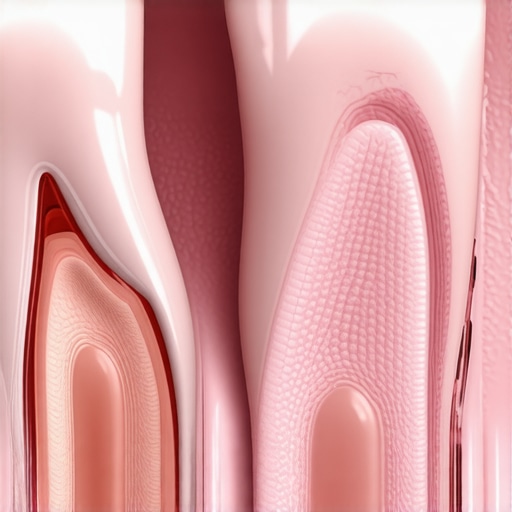
Can you actually ‘re-grow’ the papilla once it’s gone?
This is the advanced question I get asked most often. The sophisticated answer lies in something called ‘Tarnow’s Rule.’ A landmark study by Dr. Dennis Tarnow in the Journal of Periodontology revealed that if the distance from the bone to the point where your teeth touch is 5mm or less, the gum will almost always fill the space. However, if that distance is 6mm or 7mm, the chances of the gum filling that gap drop to 50% or less. This is why standard family dentistry tips often focus on prevention; once that bone height is lost, the ‘scaffolding’ for your gums is gone. It’s a nuance that many people miss—they wait for the gum to grow back like a cut on a finger, not realizing the underlying bone is what dictates the height of that pink triangle.
The ‘Oops’ Factor of DIY Gap Filling
I’ve seen people try some pretty wild home remedies to close these gaps, from ‘gum massagers’ to aggressive picking. The biggest mistake is ignoring these shadows as purely a cosmetic issue. In reality, these gaps can act as a reservoir for bacteria that eventually leads to deeper bone loss. By staying on top of how regular dental cleanings can save you money in the long run, you ensure that a professional is monitoring that 5mm threshold. If you catch it early, simple changes in your preventive tips for long-lasting dental health can stabilize the area before you need a major intervention. We often think of oral health myths debunked as just ‘sugar causes cavities,’ but the myth that ‘black triangles are inevitable’ is just as damaging. They are manageable, but only if you respect the biology of the tissue. Have you ever fallen into the trap of over-brushing or using harsh chemicals to fix a gap? Let me know in the comments below, because sharing those ‘oops’ moments is exactly how we all learn to take better care of our smiles. For those looking for a long-term strategy, expert advice for a lifetime of healthy teeth always starts with understanding that your gums need a gentle touch, not a power-wash.
Upgrade Your Countertop with Professional-Grade Tools
I used to think my basic manual toothbrush was enough, but once I saw those shadows appearing, I realized I needed a more surgical approach at home. I switched to a high-end electric toothbrush with a built-in pressure sensor—specifically because it flashes red the moment I press too hard. This is the ultimate guardrail for gentle teeth cleaning best practices for sensitive gums. If you are a ‘hard brusher’ like I was, you are literally scrubbing away your future smile. I also integrated a water flosser into my nightly ritual. The key isn’t just the water; it is the pulsation. Research often highlights the benefits of using a water flosser for patients with gum disease because the hydro-kinetic energy disrupts bacteria deep under the gumline where a string simply cannot reach. By keeping that environment sterile, you prevent the inflammation that causes the papilla to shrink in the first place.
How do I keep those black triangles from coming back?
The secret to longevity isn’t a one-time fix; it’s a commitment to your biological foundation. Dr. Gordon Christensen, a world-renowned authority on restorative dentistry and founder of the CR Foundation, has frequently pointed out that the longevity of composite resins and bonding depends heavily on the patient’s ability to maintain a neutral pH in the mouth. This means if you have had your gaps closed with cosmetic dentistry innovations you cant miss this year, you need to be careful with acidic drinks like soda or lemon water, which can soften the bonding material over time. Regular professional maintenance is non-negotiable. I now see my hygienist every four months instead of six, and I’ve found that how regular dental cleanings can save you money in the long run is a mathematical reality—catching a tiny bit of recession early costs pennies compared to a full gum graft later. 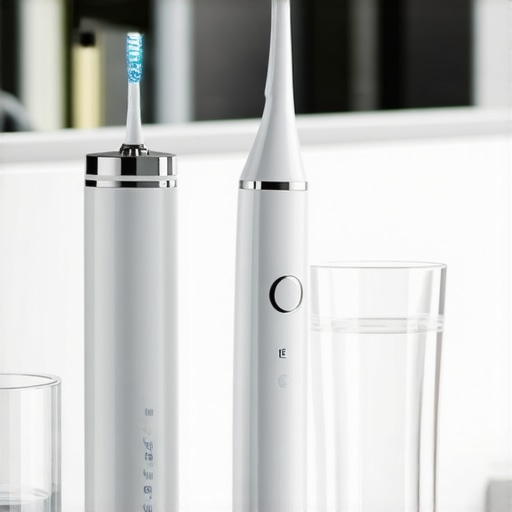
The 2030 Outlook for Gum Repair
If you think today’s fixes are impressive, wait until you see what is coming next. I’m closely following the development of 3D-printed ‘scaffolds’ infused with growth factors. In the near future, instead of just filling a gap with resin, we might be able to place a microscopic mesh that encourages your own gum tissue to grow back into the void. This shift toward bio-regenerative medicine is a major part of the impact of cosmetic dentistry in 2025 and beyond. We are moving away from ‘patching’ problems and toward ‘healing’ them at a cellular level. For now, focus on expert advice for a lifetime of healthy teeth by using tools that respect your biology. My challenge to you: pick up an interproximal brush this week and see the difference it makes in clearing debris from those tricky spots. It is a tiny investment that pays massive dividends in keeping your smile tight and youthful. If you’re staying consistent with preventive tips for long-lasting dental health for families, you’re already ahead of the curve.
The Hardest Lesson I Learned About Protecting My Gums
Through my own journey with recession, I realized that my gums weren’t a resilient barrier I could scrub into submission; they are a delicate biological seal. I used to think that if I didn’t see a bit of blood, I wasn’t flossing well enough. I couldn’t have been more wrong. One of the biggest lightbulb moments for me was discovering that aggressive cleaning was the primary architect of my black triangles. If you find yourself wondering why your gums bleed when you floss for the first time in weeks, it’s usually inflammation, but the answer isn’t to push harder. It’s to be more consistent and far more gentle.
Another hard truth: gaps aren’t always just about the gums. Sometimes, why your wisdom teeth might be causing your front teeth to crowd plays a role in how your tissue sits between your teeth. If the teeth are angled poorly, the gum tissue simply has nowhere to go. Realizing that oral health is a structural puzzle—not just a hygiene one—changed how I approached my daily routine. I stopped blaming my toothbrush and started looking at the biology of my jaw.
The Tools That Saved My Smile From Growing Shadows
I’ve tested dozens of gadgets, but these are the few that actually made a measurable difference in stopping my recession and keeping my black triangles from widening. I trust these because they prioritize tissue health over abrasive ‘whiteness’ results.
- The Pressure-Sensing Electric Toothbrush: This is non-negotiable. If you are an ‘over-brusher,’ this tool will literally stop you in your tracks. It’s the easiest way to implement gentle teeth cleaning best practices for sensitive gums without having to think about it.
- High-Quality Water Flosser: I personally find this much more effective for deep cleaning the triangle zones. Research into the benefits of using a water flosser for patients with gum disease shows it flushes out bacteria that string floss can’t reach, all while being incredibly kind to the papilla.
- Interproximal Brushes (The ‘Pine Trees’): These are my secret weapon for debris. They fill the space of the triangle perfectly and clear out food traps that cause the inflammation that leads to further recession.
- Bioclear-Focused Consultation: If you’re ready for a fix, look for a dentist who understands cosmetic dentistry innovations you cant miss this year. Bioclear is a specific technique that uses heated composite to wrap the tooth and close the gap seamlessly.
Your Path to a Confident and Full Smile Starts Today
It is easy to look in the mirror and feel like your smile is ‘expiring’ as those gaps grow, but I promise you that isn’t the case. We are living in an era where the impact of cosmetic dentistry in 2025 means you have more non-invasive options than any generation before you. You don’t have to settle for food traps or shadows. By focusing on maintaining oral health through gentle, smart habits, you can preserve the tissue you have and effectively hide the gaps you don’t like. Take that first step, swap out your hard brush for a soft one, and let yourself laugh without covering your mouth. Your smile is still yours to enjoy. Have you noticed your ‘black triangles’ getting worse after a professional cleaning, or do they seem to appear out of nowhere? Let me know in the comments below!