
The moment the fork hit my incisor, I knew. That sharp, metallic ‘clink’ followed by a gritty texture in my mouth wasn’t part of the salad. I froze. I didn’t even want to move my tongue to check the damage, but I already knew a piece of my front tooth was missing. I practically sprinted to the bathroom mirror, half-expecting to see a gapped-tooth stranger staring back. There it was—a jagged, sloping edge on my left incisor. My first thought was a total spiral: ‘This is going to cost thousands. They are going to grind my whole tooth down to a tiny nub and put a crown on it.’ I felt like I had lost a piece of myself. [IMAGE_PLACEHOLDER]
Keep Your Tooth Structure Intact by Avoiding the Crown Trap
Most people think that once a tooth is chipped, the only solution is a full porcelain crown. I certainly did. When I first started navigating the world of family dentistry, I made a massive mistake: I assumed more expensive meant better. I actually asked for a crown because I thought it was ‘permanent,’ not realizing that a crown involves removing a significant amount of healthy tooth enamel. It is like using a sledgehammer to hang a picture frame. Today, I want to show you that there are much less invasive cosmetic dentistry innovations you can’t miss this year that can fix that chip in about 45 minutes. Whether it is dental bonding or exploring contouring and veneers, you have options that do not involve the dreaded drill-down. It is about working with what you have, not replacing it.
Will a Simple Fix Actually Last Longer Than a Few Months?
It is the number one fear I hear from friends and neighbors. You are worried that if you just ‘patch’ the tooth with resin, it is going to pop off the next time you dare to eat an apple. I was terrified of this, too. However, the American Academy of Cosmetic Dentistry points out that modern composite materials are designed to handle the daily pressure of chewing and can last nearly a decade when you are diligent about maintaining oral health. It is not just a temporary band-aid; it is a high-tech bond. I even looked into how to fix a chipped front tooth on a budget and was shocked at how effective these smaller fixes are compared to the invasive alternatives. Have you ever had that heart-stopping moment where you realized you have chipped a tooth on something totally soft? It is a panic I would not wish on anyone, but the solution is closer than you think. According to a study published by the Journal of the American Dental Association, minimally invasive dentistry preserves more of the tooth’s natural structure and has high success rates for minor fractures. So, before you commit to a full crown, let’s talk about the alternatives that actually make sense.
Save Every Piece and Keep It Clean
The moment you realize a piece of your tooth has detached, your brain enters survival mode. I remember scavenging my dinner plate like a forensic investigator, desperately looking for that tiny white shard. If you find the fragment, put it in a small container of milk or saliva. This keeps the tooth cells hydrated. While it is a myth that a dentist can simply ‘glue’ a natural piece back on with 100% success every time, having that fragment helps the clinician match the color and shape perfectly. Rinse your mouth with lukewarm salt water immediately to keep the area sterile. This isn’t just about hygiene; it is about preventing an infection from reaching the pulp, which could turn a simple cosmetic fix into a mandatory root canal. I once ignored a tiny chip for a week, and by day eight, my gums were throbbing because I had let bacteria settle in the jagged crevice.
Why Modern Bonding Beats the Heavy Drill
If the chip is minor to moderate, dental bonding is your best friend. Think of bonding like 3D printing for your mouth. The dentist applies a tooth-colored resin that is soft at first, allowing them to sculpt it into the exact shape of your original tooth. This is where cosmetic dentistry innovations you can’t miss this year really shine. They use a special UV light to ‘cure’ or harden the material in seconds. Unlike a crown, which requires shaving down your healthy enamel to a nub, bonding preserves almost the entire natural structure. It is a conservative approach that looks seamless. I was stunned when I looked in the mirror after my procedure; I couldn’t even tell where my real tooth ended and the resin began. It felt like my tooth had just grown back overnight. 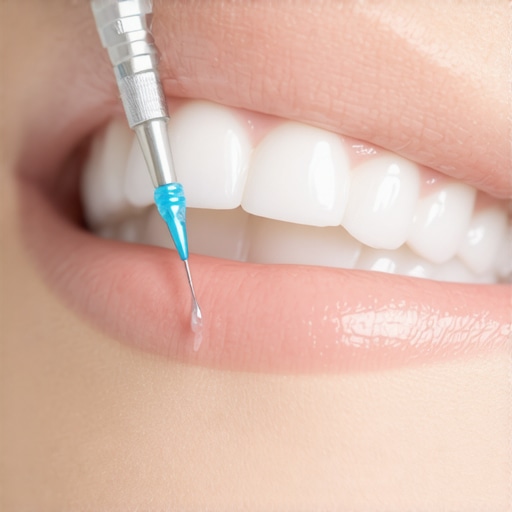
Stop the Superglue Urge at All Costs
It sounds ridiculous until you are staring at a broken tooth in the middle of the night, but the temptation to use DIY adhesives is real. I’ve heard horror stories of people using hardware store glue, which is incredibly toxic to the living tissue inside your tooth. You must realize that why you should never use superglue to fix a broken crown at home applies even more strictly to a natural tooth fracture. The chemicals can cause the nerve to die, leading to an expensive extraction. Instead of playing chemist, use a piece of sugarless gum or dental wax to cover the sharp edge until you can get to a professional. This protects your tongue and cheek from getting sliced up by the jagged enamel.
Feed Your New Smile the Right Way
Once the tooth is patched, the real work begins with maintaining oral health through lifestyle tweaks. Resin is strong, but it isn’t indestructible. It is like a high-end composite material used in cars—it can handle the road, but it won’t survive a head-on collision with a jawbreaker. I had to learn the hard way to stop using my front teeth as tools. No more biting open plastic packages or gnawing on ice cubes. If you are a tea or coffee lover, you also need to be careful with staining. Resin is slightly more porous than natural enamel, so knowing the secret to keeping your teeth white if you drink tea every day is vital to ensure your repair doesn’t turn yellow while the rest of your smile stays bright. Regular professional maintenance via teeth cleaning secrets will also help polish away surface stains from the bonding material before they set in deeply.
The Longevity Trade-Off Between Resin and Porcelain
When you are looking at how to fix a chipped front tooth on a budget, bonding is the clear winner for your wallet. However, if the chip is massive—say, more than half the tooth—you might need to step up to contouring and veneers. Porcelain is the ‘gold standard’ for durability and stain resistance, though it comes with a higher price tag and requires removing a thin layer of enamel. I personally chose bonding because I wanted to keep my natural tooth intact for as long as possible. If the bond fails in five or ten years, I can always choose a veneer then, but you can never get that original enamel back once it is drilled away. It is all about choosing the least invasive path first and seeing how your body responds.
Most people believe that once they have spent money on cosmetic dentistry, the hard part is over. In reality, the most common mistake I see is people trying too hard to keep their smile bright, accidentally destroying their dental work in the process. We are conditioned to think that ‘scrubbing’ equals ‘clean,’ but when it comes to resin bonding or even your natural enamel, this is a dangerous misconception. I have seen patients come in with perfectly repaired teeth only to wear down the edges within months because they switched to a high-abrasion charcoal toothpaste. In my experience, the gentler approach is almost always superior for long-term retention.
Whitening Toothpastes Often Do More Harm Than Good
Here is the contrarian truth: most whitening toothpastes don’t actually ‘whiten’ the internal color of your teeth; they simply use abrasive particles to scour away surface stains. If you have had dental bonding or veneers, these abrasives act like sandpaper on a polished car. Over time, they create micro-scratches that actually catch more stains, leading to a dull, matte finish that looks nothing like your natural smile. This is why the truth about whitening toothpaste does it actually change the color is such an important topic to master before you buy your next tube. Instead of abrasive pastes, I recommend using a non-abrasive gel to keep your transform-your-smile results looking fresh. 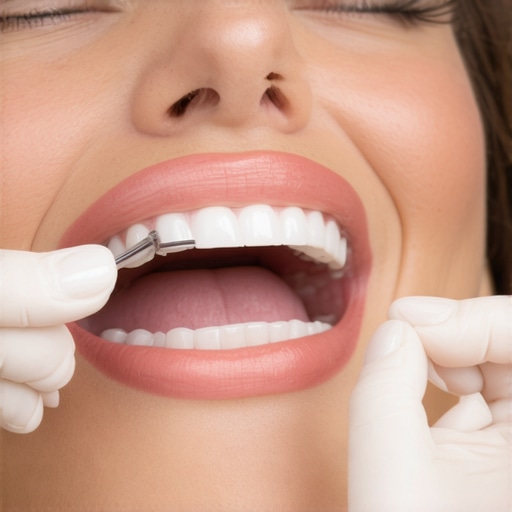
Is Your Daily Rinse Actually a Chemical Minefield?
Many of my readers ask if they should use alcohol-based mouthwashes to ‘sterilize’ their mouth after a procedure. The advanced answer is a resounding no. High concentrations of alcohol can actually soften the composite resin used in dental bonding over time, potentially leading to marginal leakage where the resin meets the tooth. A study published in the Journal of Dentistry found that prolonged exposure to alcohol-containing mouthrinses can significantly decrease the microhardness of restorative materials. If you are serious about maintaining oral health, look for alcohol-free options that utilize essential oils or xylitol instead. Have you ever fallen into this trap? Let me know in the comments.
The Danger of the ‘Natural’ Oral Health Craze
I am all for holistic living, but some of the most persistent oral health myths debunked lately involve DIY treatments that do real damage. For example, the truth about oil pulling for dental health is that while it might help with plaque to some degree, it is not a substitute for mechanical cleaning. Even worse is the trend of using undiluted hydrogen peroxide as a daily rinse. While it can whiten, it is an oxidative stressor that can irritate the pulp of your teeth and lead to extreme sensitivity. I have had friends come to me with ‘mystery’ toothaches only to realize they had been chemically burning their gums with ‘natural’ whitening hacks. Stick to professional-grade protocols if you want to avoid a late-night emergency visit.
Protect Your Investment Beyond the Dentist’s Chair
True expertise in family dentistry means understanding that the mouth is a dynamic environment. Your bite changes as you age, and if you have a habit of clenching your teeth at night, your new dental work won’t stand a chance. The ‘oops’ factor here is assuming your teeth are static. I always suggest a custom night guard if you have invested in cosmetic work. It is the cheapest insurance policy you can buy for your smile. By prioritizing preventive measures and avoiding the ‘scrub harder’ mentality, you ensure that your cosmetic dentistry innovations you can’t miss this year remain a source of confidence rather than a recurring expense.
It is not enough to just get the repair done; you have to treat your bathroom like a mini-maintenance lab. After my own chipping incident, I realized my manual toothbrush was actually my worst enemy. I was ‘scrubbing’ my bonding with about four times the force required, essentially sanding down the composite resin every morning. I switched to an electric toothbrush with a smart pressure sensor—the kind that flashes a red light the second you press too hard. Personally, I use the Oral-B iO series because the micro-vibrations combined with the oscillating-rotating head allow me to gently ‘glide’ over the repaired edge rather than sawing at it. This specific motion is critical for maintaining oral health because it removes plaque from the junction where the tooth meets the resin without lifting the material’s margin.
Upgrade Your Countertop to Protect Your Investment
If you are still using traditional string floss around a fresh repair, you are playing a dangerous game of ‘catch and pull.’ One wrong tug on a tight contact and you could snag the edge of your bonding or veneer. I have fully transitioned to a high-end water flosser with adjustable PSI settings. I start on a low ‘sensitive’ mode to clear debris around my front teeth. This ensures I am getting the benefits of professional-grade cleaning without the mechanical stress of manual flossing. According to Dr. Arnd Klocke, a leading researcher in orthodontics and dental materials, the mechanical stress applied during daily cleaning routines is a primary factor in the degradation of the bond interface. By reducing that physical tension, you are directly extending the life of your cosmetic work. 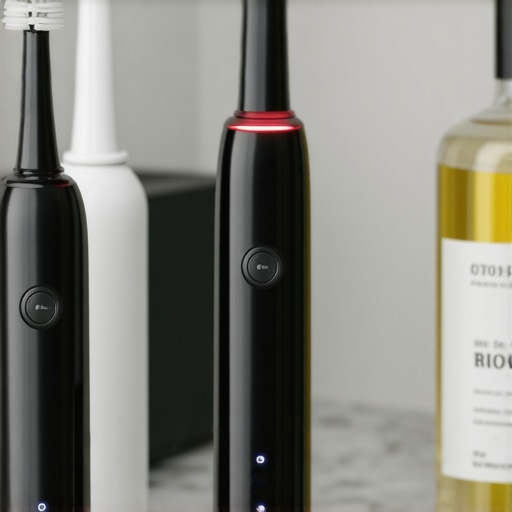
How do I maintain my dental repairs over time?
The secret is consistency and the right chemistry. Beyond the hardware, I’ve become obsessed with the ingredients in my cabinet. I’ve swapped standard fluoride-only pastes for those containing hydroxyapatite. This is a bioactive material that essentially mimics your natural enamel. While it won’t ‘grow back’ a chipped tooth, it helps remineralize the natural structure around your bonding, creating a stronger foundation. This is a huge part of the secrets to maintaining perfect oral health as a family. I also make it a point to visit my hygienist every six months for specialized polishing. They use a non-abrasive prophylaxis paste that restores the high-gloss finish to the resin—something you simply cannot achieve with a drugstore toothbrush.
Bioactive Glass Is the Next Big Thing for Your Enamel
Looking ahead, the trend is moving away from ‘patching’ and toward ‘regeneration.’ We are seeing revolutionary teeth cleaning techniques for 2025 that involve bioactive glass particles. These particles don’t just sit on the surface; they react with saliva to form a new mineral layer. I predict that within the next five years, we won’t even use traditional resin for small chips; we will use ‘living’ fillers that integrate into the tooth’s crystalline structure. For now, the best thing you can do is focus on the soft tissue that supports your teeth. If your gums are inflamed, the ‘foundation’ for your cosmetic work is unstable. I highly suggest you check out why your dentist wants you to use a tongue scraper to reduce the overall bacterial load in your mouth, which keeps the margins of your bonding clean and prevents that dreaded ‘dark line’ from forming at the gumline. My challenge to you: Swap your manual brush for an electric one with a pressure sensor this week—it is the single most important tool for saving your enamel.
Lessons from My Own Chipped Tooth Fiasco
When I first broke my tooth, I thought it was the end of my “perfect” smile. Looking back, that tiny chip was actually a wake-up call for how I approached family dentistry and self-care. Here is what I wish I had known before the panic set in: Speed is your ally. Don’t wait, as the longer you leave a jagged edge, the more likely you are to cause a secondary fracture. Enamel is non-renewable. I almost let a dentist talk me into a full crown before I realized that cosmetic dentistry innovations you can’t miss this year allow for much more conservative fixes. The myths are expensive. Many oral health myths debunked today prove that DIY fixes often lead to root canals. Professional bonding is worth every penny of the investment.
The Gear I Trust to Keep My Smile Whole
Maintenance is where most people fail, but it doesn’t have to be a chore. I’ve narrowed down my routine to three essentials that ensure my maintaining oral health strategy actually sticks. First, an electric brush with a pressure sensor is non-negotiable; it prevents me from accidentally sanding down my bonding resin. Second, a water flosser replaces the aggressive tugging of string floss which can snag the edges of a repair. Finally, I always keep the secret to keeping your teeth white if you drink tea every day in mind, using a non-abrasive approach that protects the repair’s shine. If you are looking for more advanced tips, check out these teeth cleaning secrets that can change your morning routine forever. #IMAGE_PLACEHOLDER_E#
Don’t Let a Small Chip Steal Your Joy
At the end of the day, a broken tooth is just a momentary setback, not a permanent flaw. With modern transform-your-smile techniques, you can walk into a clinic with a gap and walk out with your confidence fully restored. You deserve to feel good when you laugh and to eat without fear of another ‘clink.’ Take that first step toward repair, and you will realize just how resilient your smile—and you—really are. Have you ever had a dental emergency that turned out to be much easier to fix than you expected? Let me know in the comments below!