
I will never forget the sheer panic that washed over me when my five-year-old opened his mouth, and I spotted a dark, unmistakable shadow on his back molar. My heart sank. Instantly, a flood of guilt took over, followed by the terrifying mental image of my tiny, active kid strapped to a dental chair with a drill screaming in the background. I made a massive mistake early on by assuming that baby teeth did not matter much because they would just fall out anyway. Boy, was I wrong. That oversight almost led us down a path of high-stress dental procedures and heavy sedation before I discovered a liquid miracle called Silver Diamine Fluoride (SDF).
The Painless Escape from the Dental Drill
Today, we are going to look at how you can stop pediatric tooth decay in its tracks without a single drop of local anesthetic or the dreaded sound of a dental drill. If you are a parent dealing with a child who loses their mind at the mere sight of a doctor’s office, SDF is the stress-free alternative you have been praying for. This simple, brush-on liquid stops cavities from growing instantly. It buys you precious time and saves your child from traumatic dental experiences. Have you ever spent a night awake worrying about how your child would survive a major dental visit? You are definitely not alone, and there is a much gentler path forward.
Is Silver Diamine Fluoride actually worth the hype?
It sounds almost too good to be true, and I was incredibly skeptical at first. How could painting a clear liquid onto a active cavity possibly replace a traditional filling? However, clinical studies, including research published by the National Institutes of Health, show that SDF has an incredibly high success rate of around 80% in stopping cavity progression with just one application. While it does temporarily turn the decayed part of the tooth black—which is the silver doing its germ-fighting job—it avoids the need for scary needles. If you want to dive deeper into protecting those little smiles early on, check out these family dental care hacks to keep your kids smiling daily. For very young children, combining SDF with smart preventive measures like sealants for children with deep grooves can completely change their outlook on oral health for life.
Step-by-Step Guide to Applying Silver Diamine Fluoride Effectively
Applying SDF is not a complex surgical procedure; rather, it is a highly controlled, non-invasive process that resembles painting a tiny canvas. To help you visualize the process, imagine you are sealing a small, porous piece of wood to prevent rot. The liquid must saturate the soft, decayed structure of the tooth to lock out bacteria and halt the destruction. Because SDF is incredibly powerful, dental professionals follow a strict, dry-field protocol to ensure the liquid only touches the targeted cavity and does not wash away with saliva.
The Crucial Three-Step Painting Process
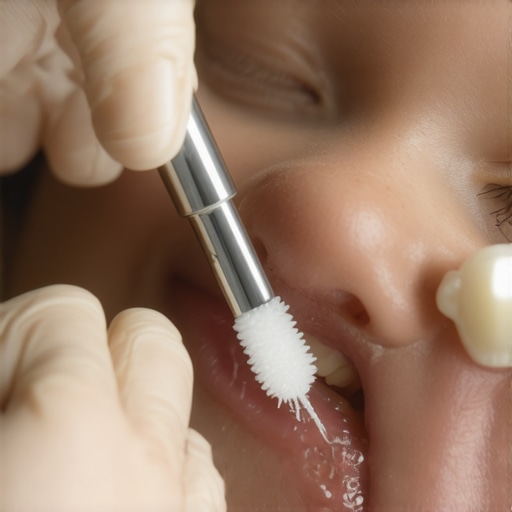
First, the tooth must be completely dry. Saliva is the enemy of SDF; it dilutes the solution and prevents the silver ions from bonding with the damaged enamel. The dentist will use cotton rolls and a gentle air tip to isolate the tooth. I remember when my five-year-old had this done, he was squirming like a wild animal. The hygienist had to use a clever game of ‘blowing wind’ on his teeth to keep him still, which is one of the most effective family dentistry tips that make oral care effortless and effective. Second, a micro-brush—which looks like a tiny, bendable cotton swab—is dipped into a single drop of SDF. The dentist carefully paints this liquid directly onto the dark, decayed cavity, letting it soak in for about sixty seconds. Third, the treated area is immediately covered with a thin layer of fluoride varnish. This varnish acts like a waterproof raincoat, locking the SDF in place so your child can swallow and speak normally right after the application.
Why the Black Stain is Actually a Good Sign
The most shocking part of this treatment is the immediate color change. The silver in the liquid reacts with the bacteria and decayed tissue, oxidizing and turning jet black. This is not further decay. It is actually chemical proof that the liquid miracle is working. Think of it like a scab forming over a scraped knee. It looks dark and unpleasant, but it means healing is happening underneath. If you are worried about how this black spot will look on your child’s front teeth, you should discuss aesthetic alternatives. Some parents opt to arrest the decay now and then explore options in cosmetic dentistry innovations you cant miss this year once the child is older and able to sit still for a traditional tooth-colored filling. For back molars, however, that little black spot is a small price to pay for avoiding a high-stress appointment with a needle.
Maintaining the Treated Tooth and Preventing Future Cavities
Once the SDF has arrested the active decay, your job at home begins. SDF stops the current cavity, but it does not protect the rest of the mouth from new decay if brushing habits do not improve. We had to completely revamp our bedtime routine, moving away from quick, lazy brushing to a disciplined routine. Implementing simple habits from a ultimate guide to teeth cleaning techniques helped us ensure that the surrounding teeth stayed perfectly healthy. We also started paying closer attention to diet, choosing the best snacks for kids that will not cause instant cavities, which significantly reduced the acidic attacks on his newly treated enamel.
Debunking the Clean Tooth Myth
Most parents I talk to believe that brushing twice a day and booking a quick cleaning twice a year is a foolproof shield against decay. In my experience, this is a dangerous oversimplification. You can brush your child’s teeth diligently, but if their saliva chemistry is highly acidic or if they have deep, microscopic grooves on their molars, standard brushing alone won’t stop cavities from forming. This is why some people are more prone to cavities regardless of hygiene. Relying solely on the toothbrush is a trap because it ignores the biological ecosystem of the mouth.
Why does the traditional drill-and-fill model fail so many toddlers?
Historically, the dental community rushed to drill out every minor shadow of decay. However, a landmark study published in the Journal of the American Dental Association highlights that aggressive drilling on primary teeth often triggers a cycle of repetitive dental work, as pediatric fillings have a relatively high failure rate. When we drill a baby tooth, we weaken its structural integrity. Non-invasive therapies like SDF manage the disease medically rather than surgically, preserving the natural tooth structure until it sheds naturally. If you jump straight to fillings for every tiny spot, you might be subjecting your child to unnecessary stress and risking a lifetime of dental anxiety.
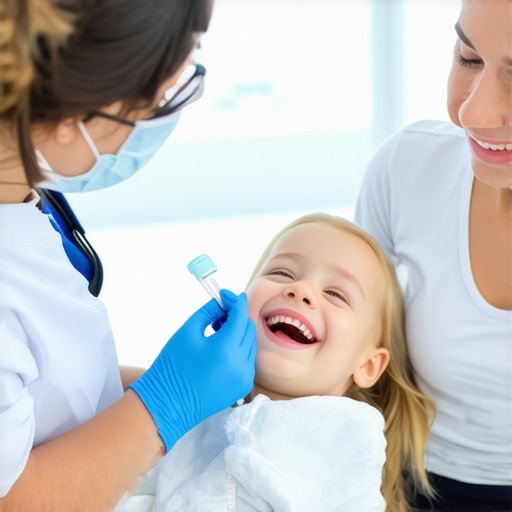
The real nuance that many family dentists overlook is that oral health is a long-term behavioral game, not a series of quick fixes. Many parents rush into expensive cosmetic solutions too early, without realizing that establishing a healthy oral microbiome is the foundation for any future aesthetic work. If you are looking to protect your family’s smiles for the long haul, focusing on advanced preventive care is always the most cost-effective route. Have you ever fallen into this trap of prioritizing quick treatments over long-term prevention? Let me know in the comments!
When we successfully halted my son’s cavity with SDF, I realized that arresting the decay was only half the battle. The real work of long-term preservation begins at home. To protect that treated tooth and shield the rest of his mouth, we had to upgrade our daily routine from basic scrubbing to a highly targeted, scientific approach. If you do not change the oral environment, new cavities will simply form elsewhere, forcing you back into the dental chair.
How do I maintain oral health over time after SDF?
Maintaining a healthy mouth after non-invasive treatment requires a shift from passive brushing to active remineralization. I personally threw out our standard drugstore toothpaste and switched to a premium paste containing 10% nano-hydroxyapatite (n-HA). Unlike traditional fluoride which sits on the surface, nano-hydroxyapatite is a biocompatible material that actually bonds with and rebuilds microscopic enamel crystal structures. In our household, we also introduced a high-frequency, sonic toothbrush paired with an erythritol-based mouth rinse to actively disrupt aggressive biofilm without stripping away healthy oral microbes. According to a clinical evaluation by the American Academy of Pediatric Dentistry, maintaining a neutral salivary pH through diet and targeted remineralization agents is the single most effective way to prevent the recurrence of decay.
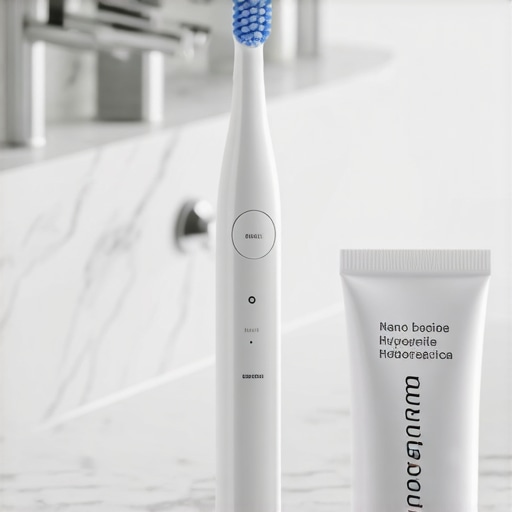
Establishing these precise habits early on prevents minor issues from spiraling into expensive procedures. If you are looking for practical ways to keep your household on track, implementing simple top 5 secrets to maintaining perfect oral health as a family can make daily brushing feel like a team win rather than a chore. Consistency is what protects your wallet and your child’s peace of mind, making preventive tips for long-lasting dental health for families your absolute best defense against the dental drill.
The Future of Pediatric Preventive Dentistry
Looking ahead, I predict that the traditional ‘drill-and-fill’ method will become a historic relic for early childhood cavities. The future of pediatric dental care lies in smart biomaterials and personalized salivary diagnostics that detect decay at the bacterial level before physical cavities even manifest. We are already seeing the integration of peptide-guided enamel regeneration therapies that rebuild teeth overnight. If you want to keep your child’s smile pristine as they grow, focusing on advanced preventive care now will set them up for a lifetime of minimal dental work. I highly encourage you to try one advanced tip today: swap out your standard family toothpaste for a nano-hydroxyapatite formula tonight and watch how much smoother and shinier your teeth feel after just one week of use.
When we successfully halted my son’s cavity with SDF, I realized that arresting the decay was only half the battle. The real work of long-term preservation begins at home. To protect that treated tooth and shield the rest of his mouth, we had to upgrade our daily routine from basic scrubbing to a highly targeted, scientific approach. If you do not change the oral environment, new cavities will simply form elsewhere, forcing you back into the dental chair.
How do I maintain oral health over time after SDF?
Maintaining a healthy mouth after non-invasive treatment requires a shift from passive brushing to active remineralization. I personally threw out our standard drugstore toothpaste and switched to a premium paste containing 10% nano-hydroxyapatite (n-HA). Unlike traditional fluoride which sits on the surface, nano-hydroxyapatite is a biocompatible material that actually bonds with and rebuilds microscopic enamel crystal structures. In our household, we also introduced a high-frequency, sonic toothbrush paired with an erythritol-based mouth rinse to actively disrupt aggressive biofilm without stripping away healthy oral microbes. According to a clinical evaluation by the American Academy of Pediatric Dentistry, maintaining a neutral salivary pH through diet and targeted remineralization agents is the single most effective way to prevent the recurrence of decay.
Establishing these precise habits early on prevents minor issues from spiraling into expensive procedures. If you are looking for practical ways to keep your household on track, implementing simple top 5 secrets to maintaining perfect oral health as a family can make daily brushing feel like a team win rather than a chore. Consistency is what protects your wallet and your child’s peace of mind, making preventive tips for long-lasting dental health for families your absolute best defense against the dental drill.
The Future of Pediatric Preventive Dentistry
Looking ahead, I predict that the traditional ‘drill-and-fill’ method will become a historic relic for early childhood cavities. The future of pediatric dental care lies in smart biomaterials and personalized salivary diagnostics that detect decay at the bacterial level before physical cavities even manifest. We are already seeing the integration of peptide-guided enamel regeneration therapies that rebuild teeth overnight. If you want to keep your child’s smile pristine as they grow, focusing on advanced preventive care now will set them up for a lifetime of minimal dental work. I highly encourage you to try one advanced tip today: swap out your standard family toothpaste for a nano-hydroxyapatite formula tonight and watch how much smoother and shinier your teeth feel after just one week of use.
The Hardest Lessons I Learned Protecting Tiny Teeth
When my child first faced tooth decay, I felt completely defeated. However, that high-stress moment forced me to rethink everything I knew about pediatric dental care. Here are the core realizations that shifted our family from constant panic to complete control:
- The drill is not the only option anymore: We often rush to accept aggressive treatments because we do not know non-invasive medical alternatives like SDF exist. Always ask for liquid arrest options first.
- Acid matters far more than just sugar: Grazing on crackers and fruit snacks keeps the mouth in a constant acidic state, which strips minerals from enamel. Spacing out snacks is just as important as brushing.
- Your child’s fear is highly manageable: You can completely avoid creating dental anxiety by opting for gentler, needle-free approaches early on. If extraction is ever unavoidable, knowing how to calm a child’s anxiety before a dental extraction will save your sanity.
- Saliva is your best friend or worst enemy: A dry mouth or acidic saliva accelerates decay. Drinking water frequently to rinse away acids is a simple, overlooked shield.
The Ultimate Pediatric Dental Toolkit
To help you navigate this gentle dentistry path, here are the exact resources and tools that transformed our family’s daily habits and protected my son’s smile:
- Nano-Hydroxyapatite (n-HA) Toothpaste: Unlike standard fluoride, this naturally occurring mineral actually plugs microscopic micro-cavities. It is non-toxic, safe if swallowed, and physically rebuilds weak spots.
- My Favorite Pediatric Dental Guide: The clinical guidelines published by the American Academy of Pediatric Dentistry (AAPD) are incredibly useful for parents looking to understand modern, conservative treatment protocols.
- Pre-brushing Plaque Disclosing Drops: These temporarily dye plaque a bright color so your children can visually see exactly where they missed brushing, making the process highly engaging.
- A Professional Connection: Don’t hesitate to reach out to specialists who prioritize gentle, modern techniques. If you need personalized advice on non-invasive options, you can contact us to explore stress-free care plans.
Take Control of Your Child’s Smile Today
Discovering Silver Diamine Fluoride taught me that pediatric dental care does not have to be a source of trauma or guilt. By stepping away from aggressive drilling and embracing advanced, gentle science, we can protect our children’s smiles while keeping their spirits completely intact. You have the power to change how your child views the dentist for the rest of their life. Take a deep breath, explore conservative options, and remember that a healthy mouth starts with small, loving shifts in your daily routine.
Have you ever had a dentist suggest a drill-and-fill procedure for your child when you felt there had to be a gentler alternative? Let me know in the comments below!