
Picture this: It is 9:00 PM on October 31st. The living room carpet is buried under a colorful mountain of fun-size chocolate bars, sticky caramels, and neon sour rings. My seven-year-old is practically vibrating from sugar, clutching a half-eaten gummy skull like a prized trophy. A few years ago, this very scene threw me into an absolute panic. As someone deeply invested in family dental health, I saw every single wrapper as a tiny, brightly colored eviction notice for my kids’ enamel. I did what any stressed-out parent would do: I became the dreaded candy police. I confiscated the bag, hid it on top of the refrigerator, and dealt with a week of tears, secret candy trading at school, and massive tantrums. It was a total failure. I quickly realized that banning the fun altogether does not teach children how to manage their habits; it just teaches them how to sneak sweets when you are not looking.
Why Sugar is Not Actually the Only Monster Under the Bed
That stressful night was my lightbulb moment. I realized we need a strategy that embraces the fun while keeping those pearly whites safe. The real enemy during the spooky season isn’t the occasional sweet treat itself, but rather how long that sugar clings to your child’s teeth. When sweet debris lingers in the mouth, oral bacteria throw a feast of their own, producing acid that relentlessly attacks enamel. This is why understanding the mechanics of decay is so much more effective than just saying “no.” In fact, research published by the American Academy of Pediatrics highlights that establishing structured routine times for treats actually reduces the risk of dental caries far more than sporadic snacking throughout the day. By shifting our approach from restriction to smart timing, we can protect their smiles without ruinous kitchen table battles.
Is keeping kids cavity-free during Halloween actually realistic?
It absolutely is, but you have to abandon the perfectionist mindset. Early on, I mistakenly thought that brushing immediately after a massive candy binge was the ultimate shield. In reality, brushing right after eating highly acidic sour candies can actually scrub the temporarily softened enamel away. I had to learn the hard way that a simple rinse with water, followed by a strategic wait, is much safer. If you are feeling overwhelmed by the sheer volume of sugar entering your home, you are not alone. Have you ever found yourself secretly throwing away your kid’s trick-or-treat haul in the middle of the night just to avoid a dental bill? It is a common struggle, but we can do better. By focusing on smart habits, like utilizing preventive tips for long-lasting dental health for families, we can navigate the holidays stress-free. We can even look into proactive dental options like why we recommend sealants for children with deep grooves in their teeth to create an physical barrier against those sticky caramels. Let’s look at the actionable, daily hacks that will keep your household happy and cavity-free this autumn.
When it comes to managing the sugar onslaught, you have to think like a defensive coordinator. Think of your child’s saliva as a natural cleaning crew. Every time they eat a meal, their mouth produces saliva that neutralizes acids and washes away food particles. If they graze on candy constantly, the cleaning crew never gets a break, keeping the mouth in a perpetual state of acidic hazard. By confining candy consumption to a single daily session, right after lunch or dinner, you take advantage of that elevated saliva flow. This simple shift is one of the most practical family dental care hacks to keep your kids smiling daily without feeling like you are sucking all the joy out of their autumn celebrations.
Rank Your Treats and Toss the Worst Offenders
Not all Halloween treats damage enamel equally. To manage the haul effectively, my kids and I sit down on the living room rug on November 1st and play a sorting game we call the Great Candy Draft. We divide the treasure pile into three distinct categories: fast-dissolving, sticky-chewy, and slow-melting. Fast-dissolving sweets like chocolate melt quickly and rinse away easily. Sticky-chewy candies, such as caramels and gummy bears, act like dental cement, wedging themselves deep into crevices. Slow-melting items, like lollipops, keep the mouth coated in sugar for up to twenty minutes. The rule in our house is simple: we keep the chocolate, limit the gummies, and completely banish the hard lollipops. If you have ever experienced that sinking feeling when you hear a crack and realize why your dental crown feels loose after eating sticky candy, you know exactly why we avoid these sticky traps at all costs.

The Magic Waiting Window Before Brushing
One of the biggest mistakes I made early on was forcing my kids to sprint to the bathroom to brush immediately after eating sour candy. It seemed logical, but it was actually doing more harm than good. Sour candies are highly acidic, which temporarily softens the outer layer of enamel. Brushing at this moment is like scrubbing a wet, freshly painted wall—you end up stripping away the protective surface. Now, we enforce a strict thirty-minute buffer zone. Immediately after eating sweets, the kids rinse their mouths with plain water to dilute the sugars, and then we wait. Once that window closes, we do a thorough brushing session. Understanding these subtle biological steps is what professional family dentistry is all about. It teaches us how to work with our body’s natural defense mechanisms instead of fighting against them with brute force.
Switch Up Your Daily Defense Arsenal
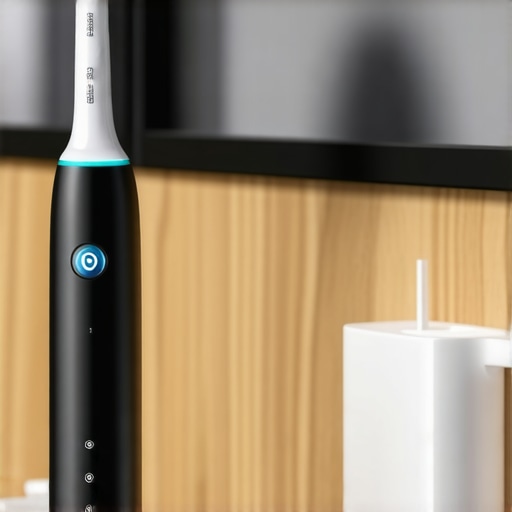
During high-sugar seasons, your standard brushing routine needs an upgrade. Think of it as switching from a manual lawnmower to an automated tractor. For my youngest, who used to struggle with brushing long enough, we introduced a musical electric toothbrush that flashes lights for exactly two minutes. We also upgraded our toothpaste to one with high-quality fluoride to help rebuild those microscopic weak spots in the enamel before they turn into actual cavities. While maintaining this rigorous home routine is essential, it never fully replaces the deep, therapeutic benefits of a professional teeth cleaning. These regular visits ensure that even the most stubborn, hard-to-reach sticky deposits are safely removed before they can cause permanent structural damage.
When we look beyond the basic routine of brushing and flossing, we enter the realm of true dental biomechanics. As parents, we are often inundated with generalized advice that doesn’t actually align with how our mouths function. For years, the gold standard of parenting advice has been to restrict treats entirely or to brush immediately after consumption. However, clinical reality paint a vastly different picture of oral health. It is time to challenge these outdated assumptions and look at the actual science of pediatric and family dental care.
The Aggressive Brushing Trap and Softened Enamel
The most common mistake I observe in well-meaning parents is the urge to aggressively scrub teeth right after a sugar binge. This is actually a major dental trap. When children consume acidic candies, the pH level in their mouth drops rapidly, temporarily softening the microscopic outer layer of enamel. If you brush immediately, you are physically wearing away that vulnerable, softened structure. Instead, neutralizing the acid first is paramount. A simple rinse with tap water or even encouraging your child to drink a glass of milk can help restore a neutral pH. According to a landmark study by the National Institutes of Health, waiting at least thirty minutes after acid exposure allows saliva to naturally remineralize the enamel, preventing premature wear. Have you ever fallen into this trap of rushing your kids to the sink too quickly? Let me know in the comments!
Why does saliva matter more than the toothbrush itself?
Saliva is your mouth’s natural defense system, acting as an active biological shield. It contains essential calcium and phosphate ions that actively rebuild enamel that has been weakened by bacterial acids. This is why constant grazing on sweets is so destructive—it denies saliva the window of time it needs to perform this vital repair work. To understand how we can support this natural healing process with modern dental interventions, it helps to read about family dentistry building a foundation of healthy smiles for all ages. When we understand the biology of the mouth, we can make smarter decisions about treatment and prevention.
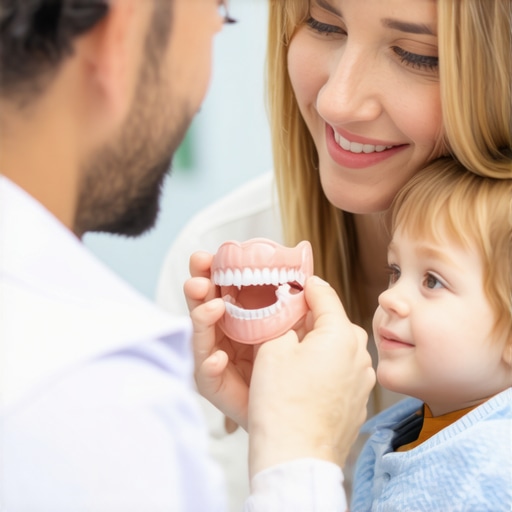
For parents looking to step up their game, recognizing the difference between genuine decay and harmless coloration is another common hurdle; luckily, learning how to tell the difference between a cavity and a tooth stain can save you unnecessary stress before your next appointment. Additionally, understanding clinical realities—such as oral health myths debunked what you need to know in 2025—helps us discard outdated advice that might be secretly harming our family’s teeth. Ultimately, professional care is your best line of defense, and mastering preventive tips for long-lasting dental health for families will ensure your household navigates high-sugar holidays with complete peace of mind.
When we shift our perspective from basic triage to long-term preservation, the tools we choose to put in our bathroom cabinets become just as critical as the techniques we practice. I used to think any old toothbrush and store-bought floss would do the trick. However, after years of trial and error in my own household, I have realized that professional-grade home tools are what actually bridge the gap between your twice-a-year professional cleanings and daily home defense. Upgrading our household dental kit wasn’t about spending a fortune; it was about choosing highly specific, clinically backed instruments that make the daily routine foolproof.
How do I maintain my family’s oral health over time without burning out?
The secret to long-term maintenance is automating the habits so they require zero decision-making power from your kids. In our house, we rely heavily on the Oral-B Genius series electric toothbrushes because of their integrated pressure sensors. If my kids press too hard—which is the number one cause of early gum recession—the handle flashes a bright red warning light and slows down the motor automatically. We couple this with a high-quality water flosser, specifically the Waterpik Aquarius, which uses pulsating water streams to clear away sticky food debris from hard-to-reach molars where traditional string floss often slips or tears. According to clinical guidelines from the American Dental Association, using a powered irrigator in combination with manual brushing significantly reduces plaque index scores compared to brushing alone. Integrating these high-performance tools ensures you are practicing the absolute top 5 secrets to maintaining perfect oral health as a family every single day.
Where Family Dentistry is Heading in the Next Decade
Looking ahead, I predict we are going to see a massive shift toward personalized, bio-interactive dental care at home. We are already seeing the emergence of smart toothbrushes equipped with AI spatial tracking that maps exactly which surfaces of the teeth were missed and sends a heat map directly to a parent’s smartphone. Beyond tracking, the future of preventive care will likely involve home salivary diagnostics—simple test strips that read the microbial balance of your child’s saliva to warn you of rising acid levels days before a cavity can physically form. By combining these futuristic home diagnostics with proactive clinical choices, such as exploring cosmetic dentistry innovations you cant miss this year to repair early wear, families will have unprecedented control over their smiles. In the meantime, the best thing you can do is optimize your current defense system by utilizing proven family dentistry tips that make oral care effortless and effective. If you want to make a massive dent in your child’s cavity risk today, I challenge you to try this one advanced tip tonight: swap out their bedtime snack for a calcium-rich slice of cheese or a cup of milk, and wait exactly thirty minutes before their final brush to let their saliva naturally rebuild their enamel.
The Hardest Lessons I Learned Managing My Family’s Holiday Dental Health
Over the years, my trial-and-error approach to autumn candy hauls taught me that parenting intuition doesn’t always align with oral biology. Here are the major lightbulb moments that completely changed how we handle sugary holidays in our household:
- The ‘zero tolerance’ policy backfires completely. Restricting candy entirely only turns sweets into a forbidden currency. Allowing structured indulgence teaches healthy boundaries.
- The toothbrush can be a weapon of destruction. Brushing immediately after eating acidic sour candy actually strips away the microscopic surface layers of softened enamel.
- Saliva is your most powerful ally. Instead of constant snacking, keeping treats confined to meal times allows your natural saliva flow to buffer acids and jumpstart remineralization.
- Proactive defense beats reactive repair. It is far easier to prevent structural damage with sealant barriers than it is to schedule unexpected dental restorations.
The Diagnostic Tools and Essentials We Trust at Home
To successfully navigate high-sugar seasons, you need more than just willpower; you need the right tools. Here is the daily defense kit we rely on to keep everyone’s teeth in pristine shape:
- High-Quality Fluoride Toothpaste: This is non-negotiable for actively rebuilding those microscopic weak spots before they can transition into actual decay.
- Musical and Sensor-Equipped Electric Toothbrushes: We use models that flash a red warning light if my kids press too hard, ensuring they clean thoroughly without causing early gum recession.
- Advanced Water Flossers: These devices are incredibly effective at clearing out sticky caramel and chocolate debris from deep within the tight spaces of back molars.
- Tap Water and Milk: The ultimate budget-friendly tools. A quick rinse with plain water or a glass of milk immediately after treats neutralizes oral acids when you cannot brush.
Your Blueprint for a Lifetime of Happy Family Smiles
Protecting your household’s teeth does not mean you have to be the holiday villain. By shifting your approach from restriction to smart timing, utilizing advanced home tools, and maintaining a solid partnership with your dentist, you can enjoy every celebration stress-free. If you are looking to make oral care effortless year-round, exploring tailored family dentistry tips that make oral care effortless and effective is a fantastic place to start. For comprehensive care that supports your family through every developmental milestone, establishing a relationship with experienced professionals in family dentistry building a foundation of healthy smiles for all ages will keep those pearly whites shining brightly for decades to come.
Have you ever struggled to get your kids to brush after a holiday sugar rush, or found yourself quietly throwing away their trick-or-treat haul in the middle of the night? Let me know your favorite strategy in the comments below!