
I still remember the smell of the waiting room—that clinical mix of peppermint and latex—and the way my son’s hand felt like a cold, vibrating leaf in mine. We were there for a simple filling, but to a five-year-old, that syringe might as well have been a medieval torture device. I panicked. I did the one thing you should never do: I looked him in the eye and lied. “It’s just a little water, Leo,” I whispered, while my own heart was hammering against my ribs. When he felt that first pinch, the betrayal in his eyes hurt worse than any cavity ever could. It took us two years and three different offices to get him back into a dentist’s chair without a meltdown. It was a hard lesson, but it taught me that how to manage your child’s fear of the sleepy juice injection isn’t about deception; it’s about preparation and empowerment.
Why the ‘Sleepy Juice’ Talk Matters More Than the Procedure
We often think the drill is the enemy, but for most kids, it’s the mystery of the “sleepy juice” needle that causes the most night sweats. If we don’t get this part right, we aren’t just dealing with one bad afternoon—we’re potentially creating a lifelong dental phobia. I’ve learned that using the right words is everything. Instead of saying “shot” or “needle,” many offices use “sleepy juice” to help the tooth take a nap. But even then, if the kid sees the metal, the game is up. Today, I want to share the exact scripts and psychological tricks I’ve used to turn these appointments from battlegrounds into manageable hurdles. We’ll look at how family dental care hacks to keep your kids smiling daily can actually start with the way we talk about the tough stuff. Have you ever had your child absolutely lose it the moment they saw the dentist walk in with the tray? You aren’t alone, and it’s not because you’re a bad parent.
Is it even possible to get a toddler to sit still for a shot?
I used to think the answer was a flat “no” unless they were strapped down. I was wrong. Research published in the Journal of Dental Research and Management suggests that “linguistic framing” and cognitive distraction can reduce a child’s perceived pain by up to 40%. It’s not about the pain itself—which is usually just a tiny pinch—it’s about the anticipation. When we learn the best way to explain a cavity to a toddler without scaring them, we lay the groundwork for the more intense moments. Sometimes, it helps to discuss options like the reality of laughing gas to take the edge off. My goal today is to give you a toolkit so that the next time you hear the words “local anesthetic,” you don’t feel that familiar pit of dread in your stomach.
Start Your Prep Long Before You Hit the Parking Lot
Choosing the right moment is half the battle for a stress-free visit. I learned this the hard way with my daughter, Maya. I scheduled her first cavity repair for 4:00 PM on a Friday—peak “cranky and hungry” hours. She wasn’t just afraid; she was exhausted, and her emotional threshold was nonexistent. Now, I always tell parents that the best time of day to schedule your child’s dentist visit is usually mid-morning when their mental reserves are full. This simple shift in timing can be the difference between a cooperative patient and a total meltdown.
Swap the Word Shot for Sleepy Juice
The vocabulary we use sets the stage for their internal movie. When you say “needle” or “shot,” they visualize a weapon from a cartoon. When we frame it as “sleepy juice” that helps the tooth take a nap, it becomes a story they can actually digest. This is one of the core family dentistry tips that make oral care effortless and effective. If they ask if it will hurt, be honest but brief: “It might feel like a quick mosquito pinch for a second, and then your tooth will feel fat and tingly while it sleeps.”
Use the Wiggle Your Toes Distraction Technique
During the actual procedure, the brain can only process a limited amount of sensory input at once. I tell my kids to “wiggle their toes as fast as they can” or “count the bumps on the ceiling” the moment the dentist begins the numbing process. It forces the nervous system to send signals from a different part of the body, which can significantly dull the focus on the mouth. This is the practical application of why mindfulness and psychotherapy tactics actually calm your nerves before a major procedure, even for our youngest patients. 
Normalize the Dental Chair with Regular Preventive Visits
You cannot expect a child to be brave during a complex procedure if their only interaction with the dentist is when something is wrong. Consistent, low-stress appointments like how regular teeth cleaning can prevent major dental issues help them realize the office is a safe, familiar place. When I took my youngest for a routine check-up after his brother’s “scary” filling, the dentist let him hold the tiny mirror and count his own teeth. By the time he actually needed a small filling six months later, the chair wasn’t a place of fear—it was just the place where he got to wear cool sunglasses and get a sticker. This foundation makes the more technical aspects of family dentistry much easier to manage for everyone involved.While we focus on the emotional side, let’s dig deeper into the tactical mistakes even the most well-meaning parents make. The biggest oops factor I see isn’t a lack of brushing; it’s high-stakes bribery. When we treat a visit as an ordeal that requires a massive reward, we inadvertently reinforce the idea that the dentist is a place of suffering. Instead, shifting the narrative toward preventive tips for long-lasting dental health for families allows the child to see oral care as a neutral, necessary part of life—like bathing or eating vegetables. Have you ever fallen into this trap? Let me know in the comments.
The Bribery Trap and Why It Backfires
Many believe that a gentle experience means shielding a child from the reality of the tools. However, oral health myths busted: what every family should know often centers on the fact that kids are more resilient than we think—if they are informed. In my experience, the biggest mistake happens when a parent says it won’t hurt at all and then the child feels pressure. This breaks the circle of trust. A more advanced approach is to discuss the physical sensations like cold, tingly, or buzzy rather than labeling them as pain or scary. This honesty builds long-term confidence.
Can a simple cleaning reveal more than just plaque buildup?
Surprisingly, yes. A routine checkup is the front line for identifying systemic issues. For instance, why your child’s posture and breathing are directly linked to their jaw alignment is a nuance that many overlook until it becomes a structural problem. The American Journal of Orthodontics and Dentofacial Orthopedics emphasizes that early interceptive screening can identify airway issues that manifest as dental crowding. If your child has chronic mouth breathing or dark circles under their eyes, your dentist might be the first to notice that the dental problem is actually a breathing or sleep issue. This is why we look at the whole face, not just the teeth.#IMAGE_PLACE_HOLDER_C#
Looking Beyond the Surface of the Teeth
We often assume that if there are no visible holes, everything is fine. But when we perform gentle teeth cleaning best practices for sensitive gums, we are also looking for signs of bruxism. If you have wondered why your child is grinding their teeth during their nap, it is not always about stress; it can be the body’s way of trying to open a restricted airway. By catching these signs during a standard cleaning, we can pivot from simple maintenance to life-changing intervention. This level of oversight is what makes family dentistry building a foundation of healthy smiles for all ages so much more than just filling cavities. It is about the holistic development of your child’s health. We also watch for white spots that might indicate early decalcification, which can be reversed with professional fluoride treatments before a drill is ever needed. Understanding these nuances helps move us from reactive care to proactive health management.If I could only give you one piece of equipment to change your life, it wouldn’t be a fancy laser; it would be a simple, stainless steel tongue scraper. I use mine every single morning before I even drink water. Why? Because most bad breath and a huge chunk of plaque-forming bacteria live on the back of the tongue, not just the teeth. When you start using one, you’ll realize that why your dentist wants you to use a tongue scraper isn’t just a suggestion—it’s the secret to waking up without that “fuzzy” mouth feeling. It is a core part of top 5 secrets to maintaining perfect oral health as a family. Many people ignore this step, but it’s the most efficient way to reduce the overall bacterial load in your mouth before you even pick up a toothbrush.
How do I maintain my family’s oral health over the long haul?
The real trick to maintaining oral health: expert advice for a lifetime of healthy teeth isn’t about one-time heroics; it’s about the tools you use for the 730 brushings you do every year. I personally swear by electric toothbrushes with built-in pressure sensors. I used to be a “scrubber”—someone who thought more pressure meant cleaner teeth. In reality, I was just wearing down my enamel and pushing my gums back. Using a brush that flashes red when I press too hard forced me to learn the ultimate guide to teeth cleaning techniques and benefits through muscle memory. For my kids, we use a similar high-tech approach but with an app that gamifies the process. It transforms a chore into a challenge, and suddenly, they are the ones reminding me that it’s time to brush. 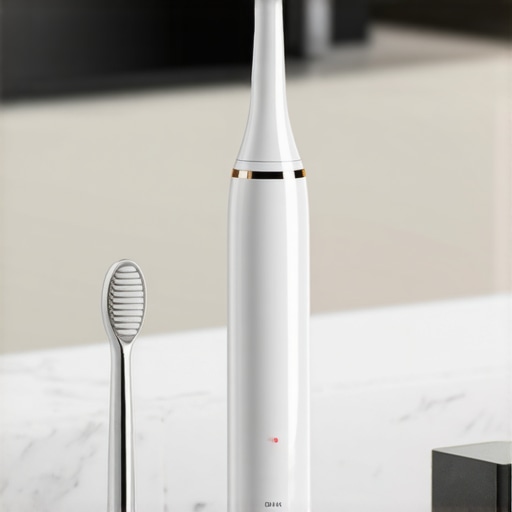
Bio-active materials are about to make fillings much smarter
Beyond the tools, we have to look at the chemistry of the mouth. I predict that in the next five years, we will move away from just “filling” holes and toward “healing” them. We are already seeing cosmetic dentistry innovations you can’t miss this year that involve bio-active glass and materials that actually release calcium and phosphate back into the tooth. This is a game-changer for long-term results. According to Dr. Howard Strassler in Dental Economics, the evolution of these bio-active materials is bridging the gap between restorative and preventive care. This makes preventive tips for long-lasting dental health for families much more effective because the restoration itself helps protect the surrounding tooth structure from future attacks.
Stop treating your gums like they owe you money
If you want to scale these results, you have to look at your diet as a tool too. It’s not just about avoiding candy; it’s about the frequency of acid exposure. I started carrying a small bottle of xylitol spray for the family to use after meals when we can’t brush. Xylitol disrupts the ability of bacteria to stick to the teeth, which is a massive win for maintenance. Stop treating your gums like they owe you money by scrubbing them into oblivion and start focusing on the gentle, consistent, and scientifically backed habits that actually move the needle. My challenge for you this week: go buy a $10 stainless steel tongue scraper. Use it for seven days straight. You’ll be shocked at the difference in how your mouth feels and how much fresher your breath stays throughout the day. It’s the smallest investment with the highest return in the world of dental care.
The Most Expensive Lesson I Learned at the Dentist’s Office
Over the years, I’ve realized that the “Wait and See” approach is the most expensive strategy in maintaining oral health: expert advice for a lifetime of healthy teeth. If I had addressed a small spot early, I could have avoided the “sleepy juice” conversation altogether. Another lightbulb moment was realizing that my own anxiety was telegraphing danger to my kids. Now, I practice the same breathing techniques I use during how to manage your dental anxiety without heavy drugs to stay calm. Finally, I learned that oral health myths debunked: what you need to know in 2025 often reveal that gum health is the true anchor of a pain-free life.
My Minimalist Toolkit for Stress-Free Smiles
I don’t believe in buying every gadget on the shelf. Instead, I stick to high-impact items. First, that stainless steel tongue scraper—it is non-negotiable for fighting bacteria. Second, I keep xylitol-based mints in the car for after-school snacks to neutralize acids. #IMAGE_PLACEHOLDER_E# Third, I recommend exploring cosmetic dentistry trends that transform your smile this year if you are looking to restore your own confidence alongside your children’s. If you ever feel unsure about a strange bump or symptom, you can always contact us for professional advice.
Your New Path to Fearless Family Dentistry
A successful dental visit isn’t defined by the absence of tears—it’s defined by the presence of trust. By being honest about the “mosquito pinch” and using “sleepy juice” as a helpful tool, you are raising a child who views healthcare as a partnership. This is the heart of family dentistry building a foundation of healthy smiles for all ages. You have the tools and the mindset; now you are ready for a lifetime of happy visits. Have you ever tried a specific distraction technique that worked like magic for your little one? Let me know in the comments below!