
I remember sitting in my car for twenty minutes before my first big appointment, my knuckles white on the steering wheel, just staring at the clinic door. It wasn’t just one cavity. My entire mouth felt like a construction site that had been abandoned for a decade. I had spent years hiding my grin behind my hand, and the thought of fixing it all at once felt both exhilarating and absolutely terrifying. I knew I needed to transform my smile, but I didn’t know if I had the stomach for the journey. If you are standing where I was, feeling like your oral health is a mountain too high to climb, take a breath. I’ve been there. Today, I’m going to walk you through exactly how to prep your mind and body for a full-mouth restoration, specifically when sedation is on the table.
Why You Can’t Just Wing a Total Smile Rebuild
A full-mouth restoration isn’t a routine check-up. It is a choreographed dance of enhancing confidence with cosmetic dentistry and rebuilding functional health. I made the mistake early on of thinking I could just show up and let the dentist do all the work. I didn’t plan my recovery, I didn’t ask about my medications, and I certainly didn’t understand the physical toll of being in the chair for hours. You need a strategy. This isn’t just about the teeth; it’s about how you’ll feel when you wake up and the days that follow. According to the American Society of Anesthesiologists, properly preparing for anesthesia—even the lighter dental versions—is the most critical factor in preventing rare but avoidable complications. You are a partner in this procedure, not just a passenger.
Is Being Knocked Out Actually Worth the Risk?
I used to be a ‘tough it out’ kind of person. I once tried to have three crowns prepped with nothing but a local numbing agent because I was stubborn. I ended up shaking so hard the dentist had to stop. It was embarrassing and counterproductive. When we talk about why we use IV sedation for complex cases, it isn’t just for the patient’s comfort—it’s for the precision of the work. When you are relaxed, your dentist can work more efficiently and accurately. Yes, it feels like a big leap, but managing your dental anxiety through professional sedation is often the only way to get through a full-scale restoration without trauma. Have you ever felt like your fear of the needle or the drill was the only thing standing between you and a healthy smile? You aren’t alone, and you don’t have to ‘white knuckle’ it anymore. The first step is acknowledging that needing help to stay calm is a smart medical decision, not a weakness. Now, let’s get into the nitty-gritty of the 24 hours leading up to your big day.
Clear Your Schedule and Your Medicine Cabinet First
Before you even think about the chair, you need to be an open book about what is in your system. I learned this the hard way during my own journey. I was taking a simple St. John’s Wort supplement for mood, thinking it was totally ‘natural’ and harmless. When I finally mentioned it, my dentist explained that it could interact with the sedative. This is exactly why your dentist asks about your medications at every visit. It is not just paperwork; it is a safety net. Lay out every vitamin, supplement, and prescription drug you take. Your dental team needs to adjust the anesthesia cocktail to play nice with your biology. Think of it like a chemistry experiment where you want the result to be ‘peaceful sleep,’ not a volatile reaction.
Set Up Your Post-Procedure Landing Pad
You are going to be groggy, and your mouth will feel like it has been through a gentle marathon. Do not wait until you are numb and sleepy to find your blender or your soft-bristle toothbrush. Prep a ‘recovery station’ on your nightstand with water, your prescribed painkillers, and a list of emergency contacts. This is where maintaining oral health starts—in the quiet hours after the surgery. I remember trying to find my gauze while stumbling around in a post-sedation fog; it was a mess. Now, I tell everyone to have a ‘recovery kit’ ready: soft foods like yogurt, ice packs, and a comfortable place to keep your head elevated. If you are getting contouring veneers as part of your rebuild, you will want to ensure you are not accidentally biting down on anything hard the moment you get home.

The Fasting Rule You Really Cannot Break
If you are undergoing IV sedation, the ‘no food or drink after midnight’ rule is the golden law. It is not a suggestion to skip breakfast. When your body is sedated, your reflexes—like the one that prevents you from inhaling stomach contents—take a nap too. It is a safety protocol designed to protect your lungs. If you are worried about the jitters, try focusing on breathwork. It is fascinating how guided meditation actually lowers your heart rate even before the sedative kicks in. Keeping your system clear of food and your mind clear of panic makes the entire process smoother for the anesthesiologist.
Start With a Clean Foundation a Week Before
You would not build a new house on a swamp, and you should not start a restoration on inflamed gums. About a week before my big appointment, I went in for a deep clean. Removing the plaque and tartar ensures the dentist is working in a sterile environment, which significantly lowers the risk of post-op infection. Familiarizing yourself with the ultimate guide to teeth cleaning techniques and benefits can help you keep that foundation solid once the new work is in place. A clean mouth heals faster. It is the difference between a week of soreness and a few days of mild discomfort. Plus, it gives you one last chance to ask those ‘what if’ questions before the big day arrives.
While clearing your schedule and fasting are the ‘basics,’ there is a layer of complexity to a full-mouth restoration that most people—and even some general dentists—tend to overlook. I see it all the time: patients get so caught up in the excitement of transforming their smile that they forget the mouth is a living, breathing ecosystem. You can have the most expensive porcelain in the world, but if the biology beneath it is screaming, your investment won’t last a decade. Let’s peel back the curtain on what actually determines the success of a total rebuild versus what just looks good in a ‘before and after’ photo.
The Whitest Shade Is Often Your Biggest Aesthetic Mistake
Everyone says they want a ‘Hollywood’ smile, but in my experience, chasing the whitest possible shade is actually a strategic error. If you go too bright, your teeth look like plastic chiclets because they lack ‘translucency’—the way natural teeth allow light to pass through the edges. This is a common nuance in cosmetic dentistry innovations that people miss. True artistry involves matching the shade to your skin tone and the whites of your eyes. Furthermore, if you are only restoring the top row, why your veneers don’t match the rest of your teeth becomes a glaring issue. You want a smile that makes people think you have great genetics, not a great dentist.
Why Your Rebuild Might Fail If You Don’t Fix Your Bite First
Here is a contrarian view: the most important part of your new smile isn’t the teeth; it’s how they touch. If your bite—the occlusion—is off by even a fraction of a millimeter, your jaw muscles will fight those new restorations every single night. A study published in the Journal of Oral Rehabilitation highlights that ‘malocclusion’ (a bad bite) is a leading cause of porcelain fracture and implant failure. I’ve seen patients spend thousands on contouring veneers only to crack them within six months because their jaw was misaligned. Before you commit to the final porcelain, ensure your dentist has performed a comprehensive bite analysis. Have you ever fallen into the trap of prioritizing looks over how your teeth actually function? Let me know in the comments.
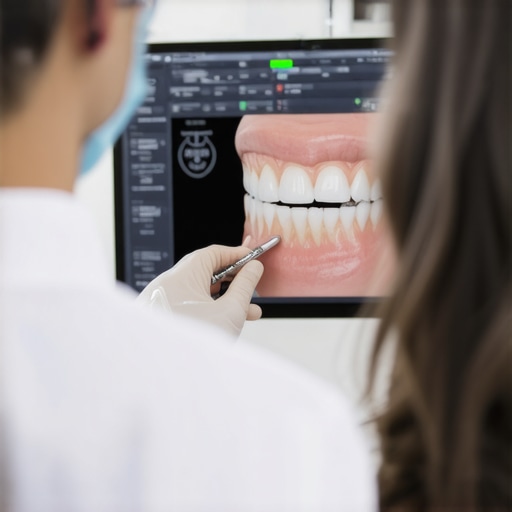
The Secret Trap of the ‘Black Triangle’
As you prep for a rebuild, you might notice small gaps forming near the gum line. Many patients panic and think their teeth are shifting or that the dentist messed up. In reality, fixing the black triangles between your teeth is often about managing gum health, not just adding more filling material. The ‘oops’ factor here is trying to ‘fill’ those gaps with resin without treating the underlying recession. If you don’t address why the gums are receding—perhaps because of grinding their teeth in their sleep—the triangles will just come back, or worse, become a trap for bacteria that leads to bone loss.
Can My Sleeping Habits Actually Ruin My New Smile?
Absolutely. If you are an undiagnosed ‘bruxer’ (someone who grinds their teeth), your new restorations are at risk from day one. This is why maintaining oral health isn’t just about brushing; it’s about protection. I always recommend a custom-fit nightguard immediately following a restoration. Even the strongest ceramic can’t withstand the hundreds of pounds of pressure a human jaw can exert during a stressful dream. Think of it as an insurance policy for your face. If you aren’t talking to your dentist about your sleep quality and jaw tension, you’re only getting half the story of your oral health.
Treat Your New Smile Like a Luxury Investment
Once the numbing wears off and you see your final result in the mirror, it is tempting to think the journey is over. In reality, the maintenance phase is where the real work begins. I treat my new restorations like a fine Italian sports car; you don’t just drive it into the ground, you perform precision maintenance to keep the engine humming. One of the biggest shifts I made was moving away from the ‘scrubbing’ mentality. If you are aggressive with a manual brush, you can actually create micro-scratches on your porcelain or cause gum recession that exposes the margins of your new teeth. This is where maintaining oral health becomes a technical game of finesse rather than force.
The One Device That Saved My Veneers
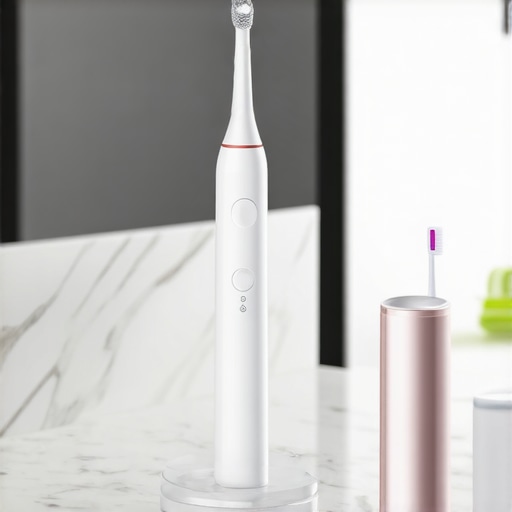
I switched to a high-end sonic toothbrush—specifically one with a pressure sensor—because I had a habit of pressing too hard. When you have invested in cosmetic dentistry innovations like thin-film veneers, you need the brush to do the work, not your arm. I also swear by the water flosser. While traditional floss is great, a water flosser at a medium setting is unparalleled for flushing out the microscopic debris that gets trapped around the edges of a bridge or a crown. Dr. Gordon Christensen, founder of Practical Clinical Courses, has often emphasized that the marginal integrity of a restoration is most frequently compromised by poor home care at the gum line. By using a water flosser, I’m essentially pressure-washing the most vulnerable part of my dental work every single night.
How do I maintain my smile restoration over the long term?
The secret isn’t just what you do at home; it’s about your partnership with your hygienist. You need to schedule professional maintenance more frequently than the average person. I found that how regular dental cleanings can save you money in the long run is a literal truth. When a professional uses specialized ultrasonic scalers that won’t scratch your porcelain, they are removing the calcified plaque that your home tools simply cannot touch. I also suggest using a non-abrasive gel rather than a gritty paste. Understanding the science behind teeth whitening helps here too—most whitening toothpastes are actually just highly abrasive scrubs that can dull the luster of your ceramic work over time. Stick to pH-neutral, low-abrasivity gels to keep that shine factory-fresh.
The Future of Smart Dental Maintenance
Looking ahead, I predict that within the next few years, we will see ‘smart’ nightguards integrated with bio-sensors that track your jaw tension in real-time, syncing to an app on your phone to alert you when your stress levels are putting your teeth at risk. We are moving away from reactive dentistry and into a phase of biometric monitoring. For now, your best defense is a dual-laminate custom nightguard. It has a hard outer shell to protect against grinding and a soft inner liner for comfort. I never sleep without mine. If you haven’t yet, I highly recommend reading through the ultimate guide to teeth cleaning techniques and benefits to ensure your daily routine is optimized for your specific dental anatomy. My challenge to you: trade in your manual toothbrush for a sonic version with a pressure sensor this week—your gums (and your investment) will thank you.
Hard-Won Truths from the Other Side of the Restoration Chair
I used to think that once the veneers were on, the anxiety would just vanish. The truth is, the first time you bite into a sandwich, you’ll hold your breath for a second. One of the biggest oral health myths is that cosmetic work is invincible; in reality, it is a sophisticated partnership between you and the ceramic. I also learned that the ‘phantom’ feeling of your old teeth can last for weeks—give your brain time to catch up to your new bite alignment. Lastly, never underestimate the power of a final check-in; if something feels even slightly off, your dentist needs to know immediately. You are the one living with the smile, and your comfort is the ultimate measure of success.
#IMAGE_PLACEHOLDER_E#
The Gear That Kept My Investment Pristine
To protect my rebuild, I curated a ‘smile sanctuary’ in my medicine cabinet with tools that actually work. My first recommendation is a pH-neutral mouthwash; some generic brands are surprisingly acidic and can slowly etch the finish of your restorations. I also religiously use a water flosser on the lowest setting to navigate the tight spaces around my dental bridge without causing trauma. Most importantly, I learned how to clean a nightguard so it doesn’t smell like old socks, because a hygienic guard is the only one you’ll actually wear every night. These aren’t just luxury add-ons; they are the primary reason my smile still looks day-one fresh several years later.
Take the Leap Toward a Fearless Future
The road to a full-mouth restoration is long, but the destination—a life where you don’t think twice about laughing—is worth every single appointment. When you focus on enhancing confidence with cosmetic dentistry, you aren’t just changing your appearance; you’re reclaiming your social freedom and your health. Don’t let the fear of the chair keep you from the functional stability you deserve. Start with a simple consultation and remember that how regular teeth cleaning can prevent major dental issues is the best way to keep your new foundation strong for decades to come. Are you more nervous about the procedure itself or the recovery period? Let’s talk about it in the comments below.