
I sat there, staring at my favorite ceramic mug, convinced the local roaster had finally let me down. That first sip of my morning dark roast didn’t taste like cocoa and cedar; it tasted like I had been sucking on a handful of old copper pennies. It was sharp. It was bitter. It was, frankly, disgusting. I poured the whole pot down the sink, scrubbed the carafe, and started over. The second batch tasted exactly the same. That is when it hit me: the coffee was fine. My mouth was the problem. I had been so focused on my work and my family that I had not noticed the dull, pulsing sensation in my back molar. I am a huge advocate for maintaining oral health, but I am also human, and I have made the mistake of thinking I could just power through a weird sensation. Today, I am going to show you exactly why your favorite brew has turned on you and how to handle it before a minor ache becomes a major procedure.
Stop Blaming the Roast and Check Your Saliva
We often treat our morning ritual as a sacred, unchanging constant. When the flavor shifts, our first instinct is to blame the beans, the water, or even the machine. But your taste buds are incredibly sensitive sensors for what is happening inside your body. If you are dealing with a hidden infection, your saliva changes composition. It becomes a cocktail of bacterial byproducts that can make even the most expensive Kona blend taste like battery acid. We are going to talk about why this happens and what you can do to save your smile and your breakfast. Believe me, I learned this the hard way by ignoring the signs until I was searching for how to tell if that bump on your gums is an abscess.
Could a tiny cavity really ruin my favorite beverage?
It seems like a stretch, does it not? But it is actually grounded in some pretty intense biology. When bacteria take up residence in a tooth or under the gum line, they do not just sit there. They produce volatile sulfur compounds. According to a study published in the journal Clinical Microbiology Reviews, these anaerobic bacteria release metabolic byproducts that directly interact with your gustatory receptors. This creates a condition called dysgeusia, which is just a fancy way of saying your sense of taste is out of whack. Early on, I fell for several oral health myths and thought I could just brush the bad taste away. I was wrong. I spent way too much money on different coffee brands before realizing I just needed a professional check-up. Have you ever taken a sip of your favorite drink only to find it tasted like metal or sulfur? Tell me about your lightbulb moment in the comments below, because you might be catching a problem before it gets expensive. Understanding how regular teeth cleaning can prevent major dental issues is your first line of defense against a ruined morning. In the next section, I will break down the specific types of bacteria that are the most likely culprits for that metallic tang.
Evict the Bacteria Squatting in Your Mouth
To fix that metallic coffee taste, you have to stop thinking of your mouth as just a group of teeth and start seeing it as an ecosystem. When the balance shifts, bacteria move in like unwanted houseguests who refuse to leave. The first thing you need to do is address the biofilm—that thin, sticky layer of bacteria that coats your teeth and tongue. Think of it like a layer of old grease on a stovetop; you can’t just splash water on it and expect it to disappear. You need mechanical action. I remember when I tried the whole ‘oil pulling’ trend because I saw it on a wellness blog. I spent twenty minutes a morning swishing coconut oil, making a massive mess in my sink, only to realize my coffee still tasted like a rusty pipe. The ‘miracle cure’ was fluff. What I actually needed was to get back to the basics of the ultimate guide to teeth cleaning techniques and benefits to actually strip that biofilm away.
Scrape Away the Flavor-Killing Biofilm
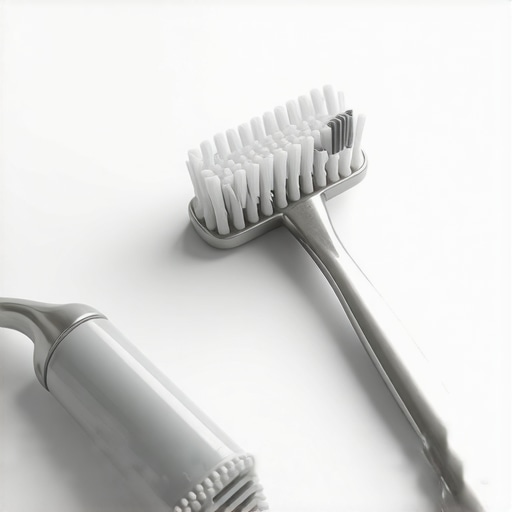
Your tongue is the biggest reservoir for the bacteria that produce those nasty sulfur smells and metallic tastes. If you aren’t cleaning it, you are basically seasoning your coffee with yesterday’s waste products. Using a dedicated scraper is non-negotiable. I recommend a stainless steel one because it’s easier to sanitize than plastic. Start at the very back and pull forward with firm, even pressure. You might be surprised (and slightly disgusted) by what comes off. If you have a sensitive throat, learning the best way to clean your tongue without triggering a gag reflex will make this habit much easier to stick to. This simple addition to your routine can often resolve the issue of why your breath smells like sulfur despite flossing daily, and more importantly, it clears your taste buds to actually enjoy your dark roast again.
Spot the Difference Between a Stain and a Real Problem
Sometimes the bad taste isn’t coming from your tongue, but from a specific spot in your mouth where a tooth is failing. If a filling is leaking or a crown is starting to trap debris, it creates a localized pocket of decay that you can literally taste every time you swallow. It is vital to know how to tell the difference between a cavity and a tooth stain, because one is an aesthetic annoyance while the other is a literal flavor-destroying infection. I once had a patient who was convinced her coffee machine was moldy, but it turned out she had a tiny gap under an old restoration. Once we learned how to stop your dental crown from smelling like old food by replacing that seal, her sense of taste returned to normal within forty-eight hours. Don’t ignore the localized ‘zing’ or the sour taste that seems to come from one corner of your mouth.
Let the Pros Handle the Hidden Biofilm
Even with the best home routine, there are nooks and crannies you simply cannot reach with a toothbrush or floss. This is where professional intervention becomes a financial and sensory lifesaver. Calculus (tartar) is porous, meaning it acts like a sponge for the very bacteria that ruin your palate. You cannot brush tartar away; it’s literally bonded to your teeth like concrete. This is why understanding how regular dental cleanings can save you money in the long run is so important. By getting a professional to blast away that hardened buildup, you’re resetting your mouth’s chemistry. It’s the difference between a quick car wash and a full engine detail. After a deep cleaning, patients often tell me that food suddenly tastes ‘brighter’ and more intense, simply because the chemical interference of the bacteria has been removed.
Aggressive Brushing Is Actually Your Worst Enemy
Everyone tells you to brush longer and harder to get that ‘squeaky clean’ feeling, but in my experience, brute force is the fastest way to destroy your enamel. We often see patients who are hyper-vigilant about hygiene yet suffer from extreme sensitivity. This usually happens because they are literally scrubbing their gums away. If you notice that your gums are receding only on one side of your mouth, it is likely because you are right-handed (or left-handed) and applying too much pressure in that specific quadrant. Instead of a scrub-brush approach, you should be using gentle teeth cleaning best practices for sensitive gums to protect the delicate tissue. A study published in the Journal of Clinical Periodontology confirms that excessive brushing force does not remove more plaque but significantly increases the risk of gingival recession and abrasive tooth wear.
Why does your bite feel off after getting a simple resin restoration?
It is a common frustration: you go in for a quick fix, and suddenly you feel like you are chewing on a mountain. This happens because the human jaw is sensitive to changes as small as a few microns. If the anatomy of the new filling is even slightly too high, it throws off your entire occlusion. This is one of the biggest oral health myths busted—that you should just ‘wait for it to wear down.’ If your bite feels off after getting a new filling, your jaw muscles will overcompensate, leading to headaches or even fractured teeth. Have you ever fallen into the trap of thinking a weird-feeling tooth would just fix itself? Let me know in the comments, because that ‘wait and see’ approach is exactly how small fillings turn into root canals.
Stop Ignoring the Shark Teeth in Your Family
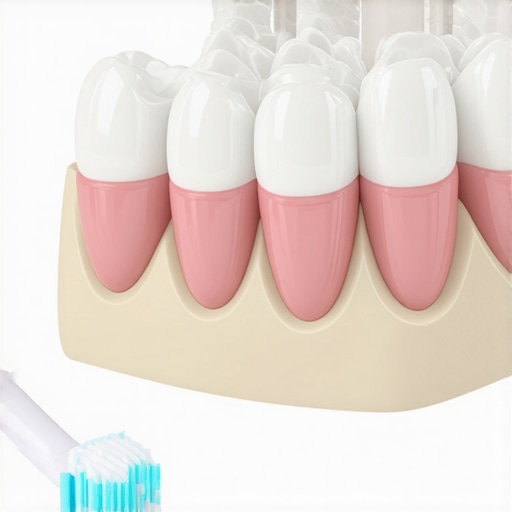
In family dentistry, parents often panic when they see two rows of teeth in their child’s mouth. We call this the ‘shark tooth’ phenomenon. While it looks like a dental emergency, it is actually a common developmental stage. However, the nuance most people miss is that if the baby tooth isn’t even slightly loose, the adult tooth might not have enough space to migrate forward. Understanding why your child has a shark tooth is vital for long-term alignment. Ignoring this could lead to crowding that requires years of expensive orthodontics later. It is all about timing—knowing when to wiggle and when to wait.
The Dangerous Trap of DIY Dental Repairs
I have to share a specific warning because I see it more often than you would think: the superglue trap. When a crown pops off or a tooth chips, the temptation to use household adhesives is high. Please, why you should never use superglue to fix a broken crown at home cannot be overstated. These chemicals are toxic to the living pulp inside your tooth and can cause immediate, irreversible nerve death. Furthermore, it makes a professional repair nearly impossible because we cannot safely bond to a surface contaminated with industrial glue. If you are worried about aesthetics, look into contouring veneers or professional temporary solutions instead of reaching for the toolbox. Even in cosmetic cases, such as when your veneers dont match the rest of your teeth, the fix must be clinical, not artisanal. Have you ever tried a ‘quick fix’ at home that backfired? Share your story below so others can avoid the same mistake. Let’s keep the repairs in the office and the coffee tasting the way it should.
The One Tool That Actually Replaces Your Flossing Habit
For years, I was a string-floss purist. I believed that if it wasn’t painful and didn’t take five minutes of awkward maneuvering, it wasn’t working. But then I discovered pulsatile water flossing. If you have tight contacts or complex restorations, string floss can actually shred and get stuck, leading to more irritation. This is where a high-quality water flosser becomes a game-changer. It uses a targeted stream of pressurized water to reach deep into the periodontal pockets where a brush simply cannot go. A clinical study published in the Journal of Clinical Dentistry demonstrated that the Waterpik Water Flosser was 51% more effective than string floss for reducing gingivitis and twice as effective at reducing gingival bleeding. It is not just a gadget; it is a critical part of preventive tips for long-lasting dental health for families because children actually find it fun to use, which removes the bedtime power struggle.
#IMAGE_PLACE_HOLDER_D#
How do I maintain my oral health over the long haul?
Consistency is far more important than intensity. You cannot ‘binge’ brush on Sunday to make up for a lazy Tuesday. To maintain your results, especially if you have invested in your smile, you need a daily system that feels effortless. This means using the right tools every single night before your head hits the pillow. For my coffee-loving readers, the trick isn’t giving up your favorite dark roast; it is knowing the secret to keeping your teeth white if you drink tea every day or coffee. It involves a quick rinse with water immediately after your cup and using a non-abrasive whitening method. If you are worried about enamel wear, focus on how to whiten your teeth without making them incredibly sensitive by choosing products with potassium nitrate. Long-term maintenance is about protecting the work you have already done while still enjoying the life you live.
Look Forward to Smart Mirrors and AI Brushing
The dental world is moving fast, and we are shifting away from reactive ‘drill and fill’ dentistry toward proactive, tech-driven monitoring. I predict that by 2030, our bathroom mirrors will integrate with our electric toothbrushes to provide a real-time heat map of plaque accumulation directly on our screens. We are already seeing cosmetic dentistry innovations you cant miss this year that use 3D printing and digital mapping to predict how your smile will age over decades. Incorporating smile bright revolutionary teeth cleaning techniques for 2025 into your routine now puts you years ahead of the curve. These tools aren’t just for show; they ensure that how regular dental cleanings can save you money in the long run remains a reality for your family’s bank account. My challenge for you this week is to buy a stainless steel tongue scraper and use it every morning for seven days straight. You will be shocked at how much better your food tastes and how much fresher your breath feels. Don’t just take my word for it—try it and see if your coffee finally tastes the way it was meant to.
The Hard Truth About My Morning Coffee Crisis
Looking back at my “copper penny” coffee incident, I realize it wasn’t just about a bad taste—it was a wake-up call for my overall routine. One thing I’ve learned in years of practice is that dental pain often waits until it’s expensive to show its face, but your taste buds will give you an early warning if you listen. I’ve seen so many patients try to mask the issue with gum or extra-strong mouthwash, but those are just Band-Aids. True success comes from family dentistry building a foundation of healthy smiles for all ages rather than reacting to emergencies. I also learned that “good enough” brushing is usually just moving the bacteria around. You need a strategy, like these teeth cleaning secrets achieve a bright smile in under 30 minutes, to actually disrupt the biofilm that ruins your palate.
A Few Staples for Your Bathroom Vanity
If you want to keep your sense of taste sharp and your smile healthy, I recommend a few non-negotiable tools. First, get a stainless steel tongue scraper; it’s the single most effective way to remove the sulfur-producing bacteria that cause that metallic tang. Second, I’m a huge fan of the Waterpik for anyone who hates traditional flossing—it’s a cornerstone of the top 5 secrets to maintaining perfect oral health as a family. Finally, don’t underestimate the power of professional whitening if your coffee habit has left its mark. You can transform your smile the impact of cosmetic dentistry in 2025 with modern treatments that are faster and more comfortable than ever before.
Reclaiming Your Morning Ritual
Your morning cup of coffee should be a moment of peace, not a reminder that you’re overdue for a check-up. By staying proactive and maintaining oral health through daily habits and professional cleanings, you’re protecting much more than just your teeth—you’re protecting your quality of life. If something feels off, don’t wait for it to throb. Reach out to a professional and contact us to get ahead of the problem. Have you ever had that sudden, strange metallic taste in your mouth that ruined your favorite meal or drink? I’d love to hear how you handled it—drop a comment below!