
I remember sitting in that tiny plastic chair in the pediatric wing, feeling like a total failure as a parent. I had followed every rule in the book—bought the fancy strawberry-flavored fluoride paste, set the two-minute timer every single night, and even mastered some family dental care hacks that made our morning routine run like clockwork. But there it was: a tiny, dark shadow on my seven-year-old’s back molar during a routine check-up. I was honestly baffled. How could a kid who barely eats candy and brushes religiously get a cavity? The dentist looked at me with that gentle, knowing smile and said, “It’s not your technique, and it’s definitely not the toothbrush. It’s her anatomy.” That was my massive lightbulb moment about deep grooves, and it changed how I look at my kids’ teeth forever. Today, I want to share why those deep pits are basically magnets for decay and how we can finally stop playing catch-up with fillings. [Placeholder for Image]
Why a Toothbrush Alone Can’t Save Your Kid’s Molars
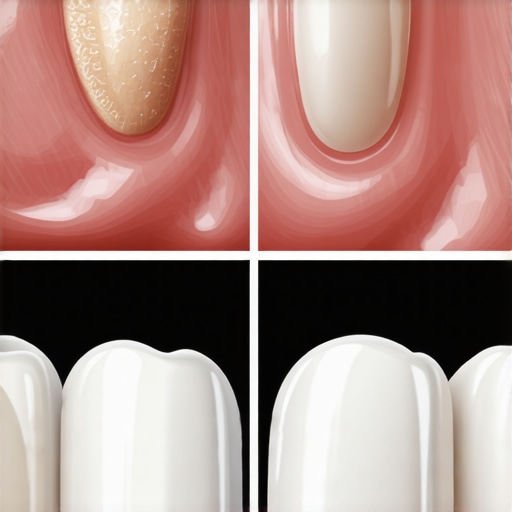
My early mistake was thinking that oral health was purely a matter of effort. I figured if we brushed longer and harder, we’d be safe. I didn’t realize that a standard toothbrush bristle is actually wider than the deep, microscopic fissures in a child’s permanent molars. It’s like trying to clean out a narrow crack in the sidewalk with a giant push-broom; you’re just skimming the surface while the gunk stays trapped underneath. This is why even the most diligent parents often find themselves dealing with cavities between their teeth and in those tricky biting surfaces. We spend so much time focusing on the surface, but it’s the hidden geography of the tooth that usually fails us first. By applying a sealant, we are essentially smoothing over those deep valleys before the bacteria have a chance to move in and start a construction project.
Are Sealants Really Just an Upsell at the Dentist?
I’ll be the first to admit I was skeptical when sealants were first mentioned to me. I thought, “Is this just another add-on to the bill?” It’s a valid fear, but the data is pretty hard to argue with. According to the Centers for Disease Control and Prevention (CDC), school-age children without sealants have almost three times more cavities than children with sealants, because these thin coatings act as a literal raincoat for the teeth. They fill in those “valleys” so food and bacteria simply can’t set up shop. By debunking common oral health myths, we realized that sealants aren’t an “extra”—they are a foundational part of effective family dentistry. Have you ever felt that frustration of finding a cavity despite your best efforts at home? I’d love to hear your story, because trust me, you aren’t alone in that waiting room.
The Secret Geometry of Your Child’s Smile
When those first permanent molars erupt around age six, they come out with deep pits and fissures that are perfectly designed for grinding food, but unfortunately, they are also perfect traps for plaque. I used to think a quick scrub was enough, but those grooves go deep—sometimes nearly to the dentin. This is where the magic of sealants comes in, turning a treacherous mountain range of a tooth into a smooth, easy-to-clean surface. It’s a quick, painless process that takes minutes but saves years of dental anxiety. In the next section, we’ll dive into the actual process of what happens in the chair so you can explain it to your little ones without a hint of stress.
Scrubbing the Slate Clean Before We Seal
Before the sealant can actually do its job, the tooth needs to be surgically clean. Think of it like trying to put a screen protector on your phone—if there is even a tiny speck of dust trapped underneath, the whole thing is ruined. In the dental chair, this means a thorough session focused on those biting surfaces. Unlike standard teeth cleaning techniques, we are not just looking for tartar; we are hunting for microscopic debris inside the fissures. My middle son, Leo, used to call this the ‘electric toothbrush on steroids’ phase because the professional tools get into spots he never could at home. If you have been wondering how to tell if your child is ready for their first dental cleaning, this is a great litmus test because it is completely painless and helps them get used to the sounds of the office. 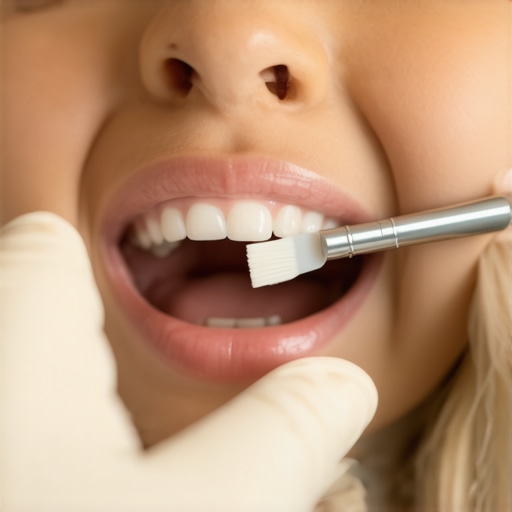
Prepare the Tooth for a Lifelong Bond
Once the surface is sparkling, the dentist applies a mild conditioning gel. This part was a bit weird for me to wrap my head around at first. Essentially, the gel creates a microscopic roughness on the enamel. Imagine sanding a piece of wood before you stain it; you are creating a texture that allows the sealant to grip the tooth so it does not just pop off the first time they chew a piece of crusty bread. This is where preventive tips for long-lasting dental health for families really pay off, because a well-prepared tooth means a sealant that can last for years without needing a touch-up.
Painting on the Invisible Raincoat
After the gel is rinsed away and the tooth is dried, the sealant material is brushed on. It is a thin, liquid plastic that flows into every nook and cranny. I remember watching the dentist do this for my daughter; it took less than thirty seconds per tooth. It is incredibly satisfying to see those deep, dark-looking valleys suddenly turn into a smooth, white surface. This is one of those revolutionary teeth cleaning techniques that bridges the gap between home care and professional prevention.
Freeze the Shield with a Blue Light
The final step is the curing light. This isn’t just a fancy flashlight; it is a specific wavelength that triggers a chemical reaction in the sealant, hardening it instantly. I once tried to explain this to Leo by saying it was like ‘instant-dry nail polish’ for his teeth, which he thought was hilarious. He was a bit fidgety that day, but using some how to manage your dental anxiety without heavy drugs techniques—like a simple breathing game—kept him still enough for the light to work its magic. Within seconds, the tooth is protected, and they can go right back to eating their favorite snacks without any downtime.
Let’s dig deeper into a common misconception: the idea that cosmetic dentistry is purely a luxury of vanity. I used to think that way too—until I realized that fixing a chip isn’t just about the photo; it’s about preventing the tooth from splitting further down the line. We often see how people transform your smile the impact of cosmetic dentistry in 2025 as a way to look better, but the real expertise lies in how these procedures restore structural integrity. When a tooth’s shape is compromised, it changes your entire bite, leading to uneven wear and even jaw pain.
The Structural Side of a Pretty Smile
One major ‘oops’ factor I see parents—and myself!—fall for is the ‘all-natural’ trap. We think swapping fluoride for charcoal or acidic ‘whitening’ juices is a win for the family, but in reality, we are often stripping away the very enamel we’re trying to protect. By debunking oral health myths, we see that some of these ‘clean’ trends are actually abrasive nightmares. This is especially dangerous for those with naturally thin enamel. If you are trying to figure out how to whiten your teeth if you have naturally thin enamel, the last thing you want is a gritty charcoal paste sandpapering your protection away.
Can cosmetic dentistry actually prevent future damage?
Absolutely. According to research highlights from the American Academy of Cosmetic Dentistry (AACD), restorative procedures like contouring veneers do more than just align a smile; they can correct malocclusions that cause premature fractures. If your teeth are misaligned, you’re putting 200 pounds of pressure on the wrong spots every time you chew. Fixing the ‘look’ often prevents a catastrophic ‘break’ later in life. This is the hidden nuance of family dentistry building a foundation of healthy smiles for all ages—we aren’t just looking for holes; we are looking for future failure points.
Stop Scrubbing Your Enamel Into Oblivion
Another nuance people miss is the ‘over-brushing’ mistake. I’ve met so many people who need gentle teeth cleaning best practices for sensitive gums because they literally scrubbed their gum line away. They thought they were being extra clean, but they were creating recession and ‘black triangles.’ If you have discovered how to fix the black triangles between your teeth, you know how frustrating it is to have those gaps appear even when you’re diligent. It’s a perfect example of how ‘effort’ without ‘technique’ can actually backfire.
The real secret to top 5 secrets to maintaining perfect oral health as a family isn’t just working harder; it’s working smart with the right professional interventions. Whether it is sealants for the kids or structural bonding for the adults, we are playing a long game. Have you ever fallen into the trap of thinking ‘harder is better’ when it comes to your teeth? Or maybe you’ve tried a ‘life hack’ that ended up hurting more than helping? Let me know in the comments—I’ve definitely been there, and your story might just save someone else a trip to the emergency chair!
Stop Guessing and Start Guiding Your Brush
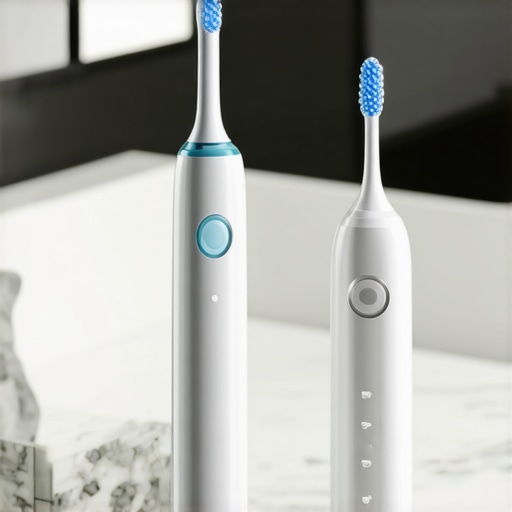
For years, I thought I was a ‘pro’ because I brushed hard enough to fray a toothbrush in a month. It wasn’t until I swapped my manual brush for an electric one with a built-in pressure sensor that I realized I was actually sabotaging my own progress. If you are struggling with sensitivity, learning how to choose the right toothbrush bristle strength for your gums is a game-changer. I personally use a brush that flashes a red ring the second I apply too much pressure. It turned my morning routine from a ‘scrubbing’ session into a ‘guiding’ session. This small shift protects the enamel from the micro-abrasions that lead to those painful zings when you drink cold water.
Another tool I can’t live without is the water flosser. While I used to be a string-floss purist, the results from an oral irrigator are simply unmatched, especially if you have any dental work like bridges or implants. According to a study published in the Journal of Clinical Dentistry by Rosema et al., water flossers were found to be significantly more effective than string floss in reducing gingival bleeding and plaque. This is why I always emphasize the benefits of using a water flosser for patients with gum disease or anyone who finds traditional flossing a chore. It’s not just about comfort; it’s about the sheer volume of bacteria you can flush out from the pockets where a string simply can’t reach.
How do I maintain my family’s results over the long haul?
Maintenance isn’t a one-time event; it’s a rhythm. For my kids, that means checking their sealants every six months. For me, it means staying on top of maintaining oral health with expert advice for a lifetime of healthy teeth. If you’ve invested in your smile, you have to be vigilant. For instance, knowing how to maintain your porcelain veneers so they last twenty years often comes down to wearing a night guard. I didn’t think I was a ‘grinder’ until I saw the tiny wear patterns on my back molars. Using the best way to soothe a sore jaw from teeth grinding saved my investment and my morning headaches.
The Future of Your Bathroom Counter
Looking ahead, I predict we are going to see a massive surge in AI-integrated dental tools. We are already seeing brushes that map your mouth in 3D on your smartphone, showing you exactly which spots you missed in real-time. This level of data is going to make how regular dental cleanings can save you money in the long run even more apparent, as we catch issues long before they require a drill. We are moving toward a world where preventive tips for long-lasting dental health for families are automated by the very tools we use every morning.
While high-tech gadgets are exciting, don’t forget the fundamentals like the science behind teeth whitening or keeping an eye on cosmetic dentistry innovations you cant miss this year. If you’re ready to upgrade your routine but aren’t sure where to start, I challenge you to try the ‘no-scrub’ challenge: switch to a soft-bristle brush or an electric one with a pressure sensor for one week and feel the difference in your gum health. If you have questions about which tools are right for your specific needs, feel free to contact us to set up a personalized consultation.
The Hardest Lesson I Learned About Tooth Anatomy
If I could go back and talk to my younger self in that dental waiting room, I’d tell her that biology isn’t a report card on your parenting. One of the biggest shifts in my mindset was realizing that how regular teeth cleaning can prevent major dental issues is only half the battle. Some teeth are just built with deeper “hiding spots” for bacteria that no brush can reach. Another lightbulb moment? Realizing that preventive care like sealants is actually a massive money-saver. Every dollar spent on prevention saves about fifty dollars in future restorative work. Finally, I learned that a child’s dental anxiety is often just a reflection of our own—when we treat these visits as high-tech tune-ups rather than scary chores, the kids follow our lead.
Build Your Own Pro-Level Bathroom Counter
You don’t need a medical degree to have a professional-grade setup at home. I personally trust three main things. First, an electric toothbrush with a pressure sensor; it stops you from “scrubbing” and forces you to “massage” the gums. Second, a high-quality water flosser. This is essential for anyone who wants to learn about enhancing confidence with cosmetic dentistry what to expect, as it keeps gum lines pristine around any new work. Lastly, I recommend keeping a “dental diary” on your phone to track when sealants were applied or when sensitivity starts—this data is gold for your next visit. These family dentistry tips that make oral care effortless and effective take the guesswork out of your daily routine.
#IMAGE_PLACEHOLDER_E#
Protect the Smiles You Love Today
At the end of the day, our goal isn’t just to avoid cavities; it’s to build a foundation where our kids never have to feel the “dental dread” we might have grown up with. By embracing the science of prevention—from sealants to smart brushing—we are giving them a gift that lasts a lifetime. If you’re feeling overwhelmed, just pick one small change this week. Whether it’s booking that sealant appointment or finally trying a water flosser, your future self (and your kids) will thank you. If you need a partner in this journey, don’t hesitate to reach out to us for a chat. Have you ever felt like you were doing everything right but still found a cavity during a check-up? Let me know your story in the comments!