
I remember leaning in to whisper a secret to my wife after my morning ritual—meticulous brushing, precise flossing, the whole nine yards—and seeing her reflexively pull back. It stung. I was doing everything right, or so I thought. But there it was: that unmistakable, lingering scent of sulfur, like a matchbook had been lit in my mouth. It’s incredibly frustrating when you put in the work but your breath still betrays you at the worst moments. If you’ve ever felt like your mouth is a chemistry experiment gone wrong despite your best efforts, I’m here to tell you that you aren’t failing—you’re just missing a hidden step in your routine. Today, we are going to pinpoint exactly why that ‘rotten egg’ smell persists and how you can reclaim your confidence without a massive dental bill.
Your Floss Isn’t Reaching the Real Source of the Stink
For the longest time, I was convinced that flossing was the ultimate ‘get out of jail free’ card for oral health. I spent years as a self-proclaimed expert in my own bathroom, following every teeth cleaning technique I could find. But here is the cold, hard truth I learned the hard way: sulfur-producing bacteria are clever. They don’t just hide in the gaps between your teeth; they set up shop in the deep grooves at the back of your tongue and even inside tiny pits in your tonsils. In fact, research published by the National Institutes of Health suggests that nearly 80% of breath odors originate from the back of the tongue. I made the classic mistake of focusing entirely on the ‘white’ of my smile while completely ignoring the biological ‘carpet’ that covers the rest of the mouth. If you are only flossing, you are essentially cleaning the floors of a room but leaving a shag rug full of old food scraps. It is no wonder many oral health myths still lead people to believe that more flossing is the only answer when the issue might actually be deep-seated bacteria. This is also how regular teeth cleaning can prevent major dental issues, as professionals can reach areas we simply can’t see in our own mirrors.
Is a Simple Tongue Scraper Actually Worth the Hype?
I used to be a total skeptic about ‘extra’ tools. I figured my toothbrush could do it all. But when I finally listened to my dentist and started using a dedicated tool, the difference was night and day. Have you ever noticed that weird, pale film on your tongue in the morning? That is the culprit. When you leave that film alone, those anaerobic bacteria break down proteins and release Volatile Sulfur Compounds (VSCs). This is exactly why your dentist wants you to use a tongue scraper rather than just a brush. Brushing often just moves the bacteria around, whereas scraping actually lifts them out of your life. Have you ever felt that sinking feeling when your breath smells off even after a deep clean? Reach out and let me know—I’d love to hear how you’ve been tackling it. We’re going to look at the specific steps to neutralize those VSCs for good.
Sweep the Biofilm Away Once and for All
The first time I used a tongue scraper, I was horrified. I stood over my bathroom sink, pressed the stainless steel edge against the very back of my tongue, and pulled forward. What came off wasn’t just spit; it was a thick, grayish-white film that looked like wet papier-mâché. That ‘gunk’ was the colony of sulfur-producing bacteria I had been feeding for years. If you want to stop the smell, you have to physically remove the source. To do this correctly, stick your tongue out as far as possible and place the scraper at the furthest point you can reach. If you struggle with a sensitive throat, there is a specific technique for the best way to clean your tongue without triggering a gag reflex that involves exhaling through your mouth as you pull. Apply firm but gentle pressure and glide the tool toward the tip. Rinse the scraper under hot water after every single pass to ensure you aren’t just spreading the bacteria around like a dirty mop on a kitchen floor. 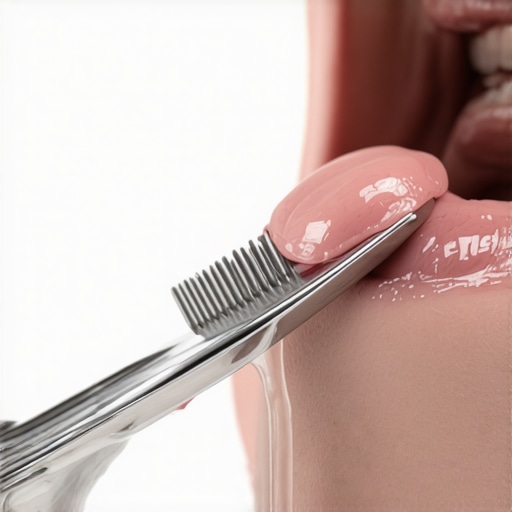
Wait Before You Scrub the Enamel
A mistake I made for years was rushing to the sink immediately after my morning coffee and grapefruit. I thought I was being proactive, but I was actually damaging my teeth. Acidic foods and drinks temporarily soften your tooth enamel. When you brush immediately, you are essentially scrubbing that softened enamel away. This is exactly why we recommend waiting thirty minutes to brush after eating fruit or any acidic meal. Instead, rinse your mouth with plain water first to neutralize the pH levels. This waiting period allows your saliva to remineralize the surface, keeping your teeth strong enough to withstand the mechanical action of your toothbrush.
Make Oral Hygiene a Household Standard
Keeping your breath fresh isn’t just a solo mission; it is easier when the whole house is on board. I started implementing family dentistry tips that make oral care effortless and effective by turning our morning routine into a ‘scraper session.’ We tell the kids we are ‘clearing out the sugar bugs,’ and it has made a world of difference in their overall hygiene. When everyone is consistent, you catch issues like tonsil stones or gum inflammation before they turn into a sulfur-scented nightmare.
Professional Back-Up for Hidden Pockets
Despite our best efforts at home, there are areas—like the periodontal pockets below the gum line—that a toothbrush or scraper simply cannot reach. If you’ve followed the steps above and the odor persists, it’s likely that bacteria have moved into ‘stealth mode’ deep within your gums. This is how regular dental cleanings can save you money in the long run. A professional hygienist uses ultrasonic tools to blast away the hardened tartar that acts as a fortress for bad-breath bacteria. Ignoring these deep-seated issues now often leads to more expensive interventions later, including the impact of cosmetic dentistry in 2025 to repair damaged smiles. Focus on the physical removal of the biofilm today, and your breath will finally match the effort you put into your smile.
We’ve been conditioned to believe that a burning sensation in our mouth means the bacteria are dying and our breath is getting ‘cleaner.’ In reality, most high-alcohol mouthwashes are the equivalent of pouring gasoline on a fire. Everyone says you need that 30-second rinse to kill the germs, but in my experience, this is one of the biggest oral health myths still being peddled today. Alcohol is a desiccant; it dries out your oral tissues. When your mouth is dry, you lose the protective enzymes in your saliva that naturally keep sulfur-producing bacteria in check. This is often the reason your mouth feels dry even when you drink water—you’re essentially stripping your natural defenses for a five-minute minty mask.
The Mouthwash Trap You Need to Avoid
The trap is simple: we prioritize the ‘scent’ of cleanliness over the ‘state’ of health. If you are masking odors with alcohol-based products, you are creating a feedback loop. The more you rinse, the drier your mouth becomes; the drier your mouth, the more those sulfur-producing anaerobic bacteria thrive in the absence of oxygen-rich saliva. To break this cycle, look for alcohol-free rinses that focus on neutralizing pH levels rather than just nuking every living organism in your mouth. Have you ever fallen into this trap of thinking ‘the more it burns, the better it works’? Let me know in the comments—it’s a cycle we need to break together.

Does Killing 99% of Germs Actually Hurt Your Oral Microbiome?
Modern dental science is shifting away from the ‘scorched earth’ approach to oral hygiene. A landmark study published in the *Journal of Oral Microbiology* suggests that a healthy mouth requires a diverse ecosystem of beneficial bacteria to prevent the overgrowth of opportunistic pathogens. By using harsh over-the-counter rinses daily, you might be nuking the ‘good guys’ that help prevent gum disease. This is a common mistake for those seeking cosmetic dentistry innovations; they focus so much on the aesthetics of a white smile that they ignore the biological balance. If you’ve been aggressively rinsing and still notice a metallic or sulfurous tang, you might be causing a rebound effect where the odor-causing bacteria return even stronger because their competition has been wiped out.
Why Scrubbing Harder is a Fast Track to Sensitivity
Another ‘oops’ factor I see frequently is the ‘over-scrubber.’ Some people are so desperate to eliminate the biofilm we discussed earlier that they brush with extreme force. This is a major mistake that leads to gingival recession. When the gum line retreats, it exposes the tooth roots, which don’t have the protection of enamel. This is a primary reason why you might need to learn how to manage tooth sensitivity properly. You cannot ‘scrub’ your way to better health; it is about the consistency of the technique, not the power of the stroke. Using a soft-bristled brush with a gentle, circular motion is far more effective at disrupting the bacteria than an aggressive back-and-forth sawing motion.
The Whitening Mistake Most Families Make
In our quest for a Hollywood smile, many families jump straight to whitening products before addressing basic health. However, the science behind teeth whitening shows it is a chemical process that should only occur on a clean, healthy surface. Using whitening strips or gels on top of existing plaque or tartar is like painting a dirty wall; you’re just sealing in the problem and potentially irritating your gums. Always ensure you have a professional cleaning to remove the ‘bio-carpet’ before attempting to change the shade of your teeth. This ensures the whitening agent can actually reach the enamel and provides a much more uniform, lasting result without the ‘patchy’ look that occurs when people skip the prep work.
I realized recently that my bathroom counter looks less like a personal grooming station and more like a high-tech laboratory, and honestly, I am not mad about it. Once I stopped looking at oral hygiene as a chore and started treating it like high-performance maintenance for my body, everything shifted. I noticed a massive shift when I finally looked into the benefits of using a water flosser for patients with gum disease. For years, I struggled with manual flossing because my teeth are crowded, and I’d often end up with shredded string and frustrated gums. Switching to a high-pressure water flosser changed the game because it uses hydrokinetic energy to flush out those deeper pockets where sulfur-producing bacteria thrive. This isn’t just my opinion; a meta-analysis published in the *Journal of Clinical Dentistry* showed that water flossing can be up to 29% more effective at removing biofilm than traditional string floss. This is part of my broader commitment to maintaining oral health expert advice for a lifetime of healthy teeth, ensuring that I am not just treating symptoms, but preventing the environment where bad breath begins.
The High-Tech Upgrade That Actually Saved My Gums
If you are still using a manual toothbrush, you are essentially trying to mow a football field with a pair of kitchen scissors. I finally invested in a sonic toothbrush with a pressure sensor, and it was the best $100 I ever spent on my health. It vibrates at a frequency that creates ‘non-contact’ cleaning, meaning the fluid dynamics of your saliva are pushed into the gaps between your teeth even if the bristles don’t touch them directly. This is a massive win for those of us prone to recession because the sensor buzzes the moment I press too hard. By letting the tool do the work, I’ve managed to keep my enamel thick and my sensitivity low. 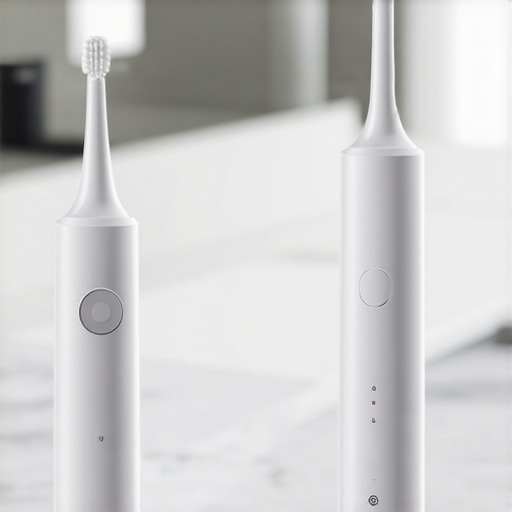
How do I keep my oral health consistent for the next decade?
Consistency isn’t about being perfect every single day; it’s about having a system that makes it hard to fail. I keep my water flosser right next to the sink so I see it every morning, and I’ve taught my family to do the same. If you want to keep your family’s smiles on track, these preventive tips for long-lasting dental health for families are essential. We focus on ‘stacking’ our habits—scraping the tongue while the coffee brews and flossing immediately after dinner before we get too tired to care. This long-term mindset is what separates people who need emergency root canals from those who sail through their checkups with zero issues.
The Hidden Math Behind Skipping a Professional Cleaning
It is easy to think you’re saving money by pushing that six-month appointment to a year, but the math simply doesn’t add up. You’ll see that how regular dental cleanings can save you money in the long run is more than just a tagline—it’s an investment strategy. Hardened tartar (calculus) cannot be removed at home, no matter how expensive your toothbrush is. Once it’s there, it acts like a jagged reef, giving more bacteria a place to anchor. I predict that in the next few years, we will see even more personalization in this space. Keep an eye on cosmetic dentistry trends that transform your smile this year as we move toward at-home microbiome testing kits that tell you exactly which strains of bacteria are living in your mouth before you even sit in the dentist’s chair. I challenge you to try the ‘interdental audit’ tonight: after you think you’ve finished your usual brushing and flossing, use a water flosser on the highest comfortable setting and watch the sink. You’ll likely be shocked at what was left behind, and that realization is the first step toward a truly healthy mouth.
The Hard Truths I Uncovered About My Morning Breath
After years of trial and error, the biggest ‘lightbulb moment’ for me was realizing that my mouth isn’t just a set of teeth—it’s a living ecosystem. I used to think I could out-brush my diet or ignore the back of my tongue, but these are common oral health myths busted what every family should know that kept me stuck in a cycle of bad breath. I also learned that the ‘clean’ feeling from alcohol mouthwash was often a lie; it was actually making my dry mouth worse and helping sulfur bacteria thrive. Finally, I realized that avoiding the professional chair wasn’t saving me a dime. In fact, seeing how regular dental cleanings can save you money in the long run by preventing deep-seated infections was a major shift in my perspective on preventative care.
The Gear That Actually Made a Difference in My Bathroom
If you want to stop guessing and start seeing results, you need the right tools. I personally swear by a stainless steel tongue scraper—it is more durable and hygienic than plastic versions. Next, I transitioned to a water flosser because the benefits of using a water flosser for patients with gum disease and even mild inflammation are undeniable; it reaches the pockets where string simply cannot go. Lastly, I stopped using ‘medium’ or ‘hard’ bristles. Learning how to choose the right toothbrush bristle strength for your gums saved my enamel from unnecessary wear and tear while still disrupting the bio-carpet effectively. #IMAGE_PLACEHOLDER_E#
Your Path to a Truly Confident Smile Starts Tonight
Reclaiming your breath isn’t about one-off miracles; it is about the small, daily wins that build a foundation of health. When you commit to a proper teeth cleaning routine that includes physical biofilm removal and biological balance, you aren’t just hiding a smell—you’re transforming your oral environment. Take it one step at a time, and remember that maintaining oral health expert advice for a lifetime of healthy teeth is a marathon, not a sprint. You have the tools and the knowledge now; it is time to put them to work for your confidence. Have you ever tried a tongue scraper and been shocked by what you found? Let me know in the comments below!