
It happened last July. I was at the boardwalk, holding a double-scoop cone of salted caramel, looking forward to that first chilly, sugary hit. I took one enthusiastic bite, and my world turned white. It wasn’t a sugar rush; it was a blinding flash of pain that felt like someone had touched a live wire to my molars. I actually dropped the cone—four dollars of pure joy, wasted on the sand. For a long time, I just figured I was ‘the person who eats lukewarm soup’ and moved on. But you don’t have to live that way. I’m going to show you how I reclaimed my freezer shelf by stopping the source of that zing.
The Real Reason That Mint Chip Hurts So Much
If you think you’re alone in this, think again. A study published in the Journal of the American Dental Association found that nearly 1 in 8 people suffer from dentin hypersensitivity. It usually happens because your tooth’s protective layer, the enamel, has started to thin out. When that happens, the ‘pipes’ leading to your nerves—called tubules—are exposed to the cold. I spent years making a massive mistake by scrubbing my teeth with the force of a power washer, thinking I was being thorough. In reality, I was just sanding down my protection. I didn’t realize that [maintaining oral health](https://gentlesmiledentist.com/maintaining-oral-health-expert-advice-for-a-lifetime-of-healthy-teeth) requires a much softer touch. If you have been brushing like you’re trying to remove rust from a car bumper, you might be the reason for your own pain. Many people fall for [oral health myths debunked](https://gentlesmiledentist.com/oral-health-myths-debunked-what-you-need-to-know-in-2025) which suggest that harder is better, but your gums and enamel are far more delicate than you think. Have you ever found yourself wincing just because a cold breeze hit your teeth on a winter day?
Is this sharp pain just a normal part of aging?
I used to tell myself that my teeth were just ‘getting old’ and that ice cream was a young man’s game. That is a total myth. While wear and tear happen over time, that electric shock is usually a sign of something fixable, like gum recession or enamel erosion, rather than an inevitable march toward dentures. It is all about how you treat those pearly whites daily. For instance, I had to completely relearn how to brush. I found that switching to [gentle teeth cleaning best practices for sensitive gums](https://gentlesmiledentist.com/gentle-teeth-cleaning-best-practices-for-sensitive-gums) changed my life in weeks. You have to learn [how to choose the right toothbrush bristle strength for your gums](https://gentlesmiledentist.com/how-to-choose-the-right-toothbrush-bristle-strength-for-your-gums) because anything labeled ‘firm’ should probably be used for cleaning grout, not your mouth. Once I stopped the aggressive scrubbing and addressed the actual cause of the exposure, the ice cream stopped being a threat and started being a treat again. Today, we are going to dive into the exact steps to desensitize those nerves so you can enjoy your sundae in peace.
Rebuild the Shield Around Your Nerves
To stop that electric shock, you have to treat your teeth like a construction project rather than a cleaning chore. The goal is to plug the microscopic holes in your dentin so that cold temperatures can’t reach the nerves. This isn’t an overnight fix, but a consistent routine will change your life. I remember a time about three years ago when I decided to ‘power-wash’ my teeth with a homemade baking soda paste because I read a blog that said it was natural. Within three days, my gums were so inflamed and my teeth so sensitive that even room-temperature water felt like a needle. It was a mess. I had to go back to basics and realize that enamel doesn’t grow back once you’ve sanded it away.
Choose a Paste That Actually Blocks the Pain
Don’t just grab any tube off the shelf. You need a desensitizing toothpaste that contains potassium nitrate or stannous fluoride. Think of these ingredients like tiny corks being shoved into open pipes. Every time you brush, you are adding another layer of protection. However, most people spit the paste out too fast. I started smearing a little bit of the paste directly onto my most sensitive molars right before bed and leaving it there. This ‘spot treatment’ gave the ingredients hours to soak in, and the difference by morning was staggering.
Ditch the Sawing Motion for a Gentle Circle
If you are moving your hand back and forth like you’re using a hacksaw, you are actively destroying your smile. You need to angle your brush at 45 degrees toward the gum line and use tiny, vibrating circles. This reaches the debris without grinding down the root surface. I found that mastering the ultimate guide to teeth cleaning techniques and benefits made my morning routine feel more like a spa treatment and less like a battle. It’s also crucial to know how to choose the right toothbrush bristle strength for your gums because a ‘medium’ or ‘hard’ brush is simply too abrasive for anyone with sensitivity.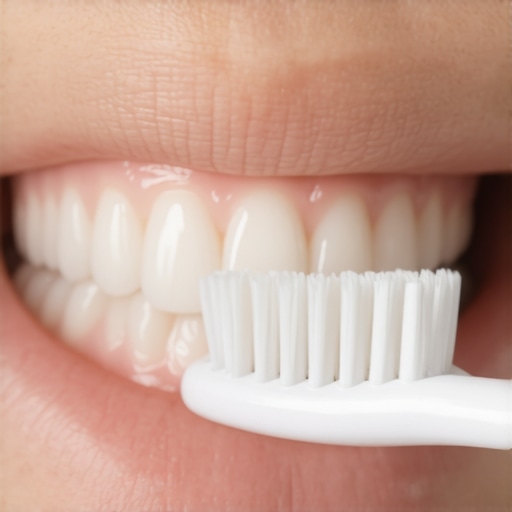
Wait Before You Brush After Drinking Soda
This was my biggest mistake. I used to think that brushing immediately after a glass of orange juice was ‘saving’ my teeth. In reality, the acid in the juice softens your enamel, and the brush then sweeps that softened layer right off. This is why you often wonder why your teeth hurt when you eat citrus fruits or drink soda. The science is simple: the acid creates a temporary vulnerability. We always recommend waiting thirty minutes to brush after eating fruit or anything acidic to allow your saliva to remineralize the surface. If you’ve just had a professional cleaning and everything feels tender, learning how to manage tooth sensitivity after a professional scale and polish will help you bridge the gap until your natural defenses take back over. Stick to the thirty-minute rule, and you’ll stop the cycle of self-inflicted wear.People often treat a trip to the dentist like a car wash—you go in, get the gunk out, and you’re good for six months. But here’s the truth: your mouth is a living ecosystem, not a static object. I’ve seen so many people fall into the trap of thinking how regular teeth cleaning can prevent major dental issues is the only step they need. They get the cleaning and then go right back to the acidic habits that caused the sensitivity in the first place. This “reset button” mentality is dangerous because professional tools can only do so much if you aren’t managing the daily biofilm. In fact, a report from the American Academy of Periodontology highlights that while professional intervention is vital, the patient’s daily mechanical control through proper brushing and flossing is the primary factor in long-term health.
Stop Treating Your Professional Cleaning Like a Magic Reset Button
Wait, let’s talk about a mistake that even proactive patients make. There is a specific nuance within cosmetic dentistry innovations you can’t miss this year that most people overlook. They want that Hollywood glow, so they over-bleach at home. I’ve spoken to patients who thought they were being helpful by using whitening strips every single day. The “Oops” factor here is that many whitening agents are slightly acidic or abrasive. If you already have thin enamel, you are literally bleaching the protective layer away and inviting permanent sensitivity. If you’re looking for a change, exploring contouring and veneers: the future of cosmetic dentistry revealed might be a safer path than a chemical DIY disaster. 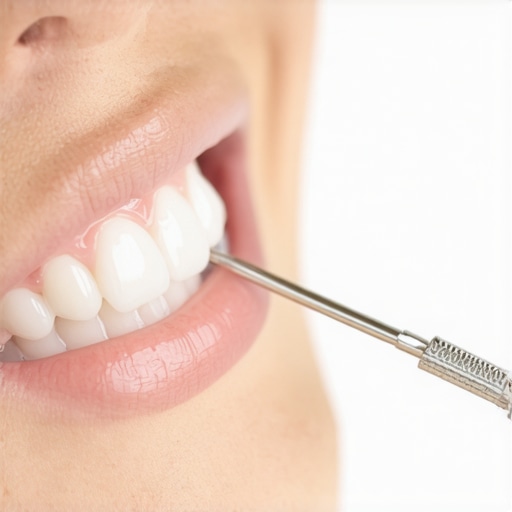
Why does your filling feel cold when you breathe in?
This is a question I get all the time from my more observant patients. You finally get a cavity filled, you think the pain is over, and then—zing—you take a breath of cold air and feel a shock. It isn’t always a mistake by the dentist. Sometimes, it’s about the thermal conductivity of the materials used or how the nerve is reacting to the procedure itself. Understanding why your filling feels cold when you breathe in is about realizing that your tooth’s nerve is currently in a state of high alert. It needs time to settle. Similarly, if you notice the reason your teeth feel taller after getting a new filling, it’s usually because your bite needs a microscopic adjustment. These aren’t signs of failure; they are signs that your oral biology is adapting to change.
Don’t Let Your Desire for Whiteness Destroy Your Enamel
I’ve seen patients spend thousands on transform your smile: the impact of cosmetic dentistry in 2025 only to neglect the foundational family dentistry tips that make oral care effortless and effective. Don’t build a mansion on a swamp. Have you ever fallen into this trap of prioritizing the look of your teeth while ignoring the underlying health of the enamel? Let me know in the comments. We need to focus on maintaining oral health: expert advice for a lifetime of healthy teeth before we worry about the perfect shade of white. Consistently managing how to manage tooth sensitivity after a professional scale and polish will ensure that your smile is not just bright, but actually functional and pain-free.If you want to keep those results and finally put the fear of ice cream behind you, you need better gear than a dollar-store brush. I personally swear by the Waterpik Aquarius because it allows for ten different pressure settings. When my gums are feeling reactive or tender, I dial it down to a three. According to a study in the Journal of Clinical Periodontology, using a water flosser can be up to 29% more effective than traditional string floss for removing plaque. This is why I always emphasize the benefits of using a water flosser for patients with gum disease. It gets into the pockets that a brush simply cannot touch without causing more erosion. I also integrated a stainless steel tongue scraper into my morning routine. I know it sounds like an unnecessary step, but once you see what it removes, you will never go back. It is one of those why your dentist wants you to use a tongue scraper moments that finally makes sense for your breath and your health. 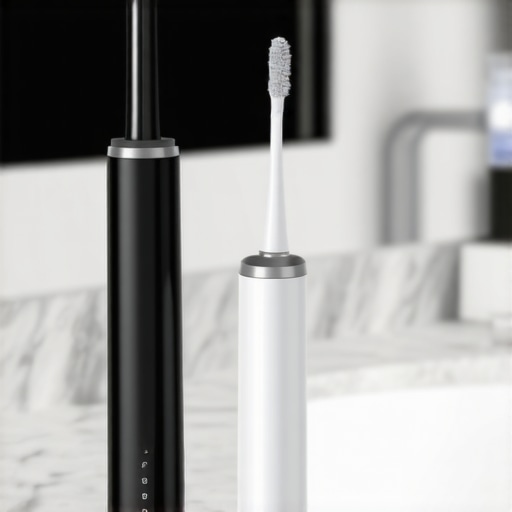
Ditch the string for a high-pressure water flosser
I have noticed that most people who struggle with sensitivity also have slight gum inflammation because they find traditional flossing painful. If it hurts, you will not do it. Transitioning to a water flosser removes the painful friction while still clearing out the debris that causes acid-producing bacteria to thrive. In the realm of family dentistry: building a foundation of healthy smiles for all ages, making the process easy for everyone in the house is half the battle. I also recommend a brush with a visible pressure sensor. I use the Oral-B Genius because it flashes a bright red light when I press too hard—a habit I am still trying to break after decades of ‘scrubbing’ my enamel away.
How do I maintain my oral health over time?
Consistency is the only secret weapon that actually works. You have to treat your mouth like a high-performance engine that requires daily maintenance rather than an annual repair. This means staying on top of top 5 secrets to maintaining perfect oral health as a family and ensuring your kids follow suit with preventive tips for long-lasting dental health for families. When you scale these habits for your whole household, it becomes much easier to stay motivated. We found that using family dental care hacks to keep your kids smiling daily helped turn a boring chore into a shared routine.
Prepare for the era of AI-driven toothbrushes
Looking ahead, the trend is moving away from manual guesswork. In the next few years, I predict we will see smart toothbrushes that use bio-sensors to detect early signs of decay or chemical changes in your saliva before a cavity even forms. We are moving toward a world where ‘predictive’ dentistry replaces ‘reactive’ dentistry. For now, your best bet is to stay educated on oral health myths busted: what every family should know. If you are worried about the cost of upgrading everyone’s gear, remember how regular dental cleanings can save you money in the long-run by preventing the need for complex restorative work later. I challenge you to try this tonight: use your desensitizing paste as a ‘mask’ on your most sensitive tooth for two minutes before you start brushing. You will be amazed at how much faster the zing disappears.
The Hardest Lessons I Learned While Fighting the Zing
First, I realized that sensitivity is rarely just bad luck; it’s usually a cry for help from your nerves. One of the biggest oral health myths debunked is the idea that if it doesn’t bleed, it’s fine. In reality, the absence of blood doesn’t mean your enamel is intact. Second, consistency beats intensity every time. Brushing once like a maniac won’t fix months of neglect, but a gentle, daily routine will. Finally, I learned that my dentist is a partner, not a judge. Waiting until the pain was unbearable only made the fix more complicated and expensive.
What I Keep in My Medicine Cabinet Now
If you’re serious about protection, you need the right tools. I don’t go a day without my water flosser because the benefits of using a water flosser for patients with gum disease are too great to ignore—it’s far gentler on my sensitive roots than traditional string. I also swapped my old ‘firm’ brush for a ultra-soft version; learning how to choose the right toothbrush bristle strength for your gums was the single best thing I did to stop further enamel erosion. #IMAGE_PLACEHOLDER_E# Surprisingly, why your dentist wants you to use a tongue scraper became clear once I noticed my breath stayed fresher and my whole mouth felt cleaner without aggressive scrubbing. Lastly, I never skip my six-month checkup because I’ve seen how regular dental cleanings can save you money in the long-run by catching microscopic issues before they require a major procedure.
Your Journey Back to the Ice Cream Shop
You don’t have to be the person who avoids the freezer aisle forever. By making these small, intentional changes, you are reclaiming your comfort. Focus on maintaining oral health: expert advice for a lifetime of healthy teeth and treat your smile with the respect it deserves. Your future self—the one eating a double-scoop cone without a single wince—will thank you. Don’t wait for the next shock to start your new routine. Which cold treat are you most excited to eat without pain? Let me know in the comments below!