
I remember it like it was yesterday—the crisp autumn air, my favorite sneakers laced up, and a pace that finally felt like I was back in the groove. But every time my heel hit the pavement, a sharp, rhythmic jolt shot straight through my upper molars. It wasn’t just annoying; it was terrifying. I actually stopped mid-stride, worried my teeth might literally rattle out of my jaw. If you have ever felt that bizarre pressure while hitting the treadmill or jumping during a HIIT workout, you know exactly how frustrating it is to have your fitness goals sidelined by a toothache that doesn’t seem to make sense.
I’ve spent years obsessing over oral hygiene, but this specific pain caught me off guard. Early on, I made the classic mistake of thinking I just needed to brush harder or that I was somehow ‘running wrong.’ I even considered if I needed cosmetic dentistry just to reinforce my smile, which was totally off-base. The truth is often much more practical, and today, we are going to dive into the physical and biological reasons why your teeth hurt when you run or jump so you can get back to your routine without the fear of a dental emergency.
That Weird Jolt When Your Feet Hit the Pavement
When you run, your body absorbs a significant amount of force. If your oral health isn’t in tip-top shape, those vibrations can travel straight up into your nerves. I used to think my discomfort was a sign of a cavity, but after a thorough teeth cleaning, my dentist pointed out something I hadn’t considered: the way my jaw was clenching. Many of us grit our teeth when we exert ourselves, creating a recipe for disaster when you add the impact of jumping into the mix. It’s a common issue that often requires a bit of expert advice for a lifetime of healthy teeth to truly resolve.
Is my tooth actually dying or is it something else?
It is the question that keeps us up at night after a bad workout. Usually, the culprit isn’t a dying tooth but rather your sinuses. The roots of your upper teeth sit incredibly close to your maxillary sinuses. When those sinuses are inflamed—even slightly—every jump acts like a hammer hitting a nail. According to the Mayo Clinic, many patients seek dental help for what turns out to be chronic sinusitis. This is why it is so important to differentiate between signs of a sinus infection and an actual dental abscess. Have you ever had to stop a workout because of this weird mouth pain? Drop a comment and let me know, because I felt like I was the only one for the longest time!
The Connection Between Impact and Oral Inflammation
If you’ve recently dealt with tooth sensitivity after a cleaning, your nerves might already be on high alert. High-impact movement just amplifies that existing sensitivity. When we talk about family dentistry foundations, we often focus on cavities, but we forget that the ligaments holding your teeth in place are also susceptible to strain. Think of them as tiny shock absorbers that can get ‘bruised’ if you’re jumping too much on hard surfaces without proper support or jaw relaxation techniques. We are going to look at the exact steps to dampen this vibration and keep your smile stable.
Rule Out Your Sinuses First
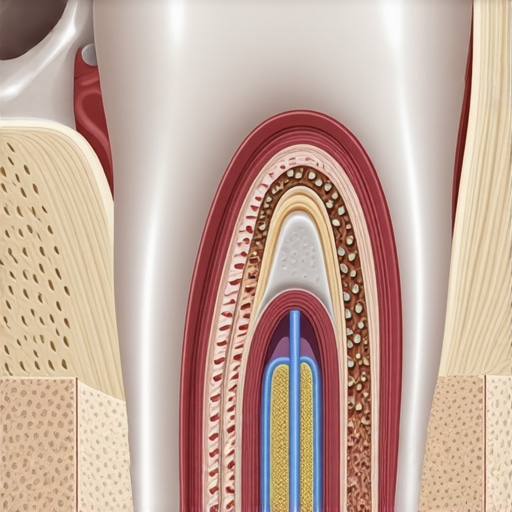
Before you assume your teeth are falling out, you need to check your nasal passages. Think of your maxillary sinuses as a set of cushions sitting right on top of your upper tooth roots. When these cushions get inflamed or filled with fluid, they press down on the dental nerves. To figure out if it is your sinuses or a cavity, try the ’tilt test.’ Lean forward and touch your toes. If the pressure in your teeth intensifies significantly or feels like a heavy weight shifting toward your face, you are likely dealing with congestion. This is one of the clearest signs you have a sinus infection rather than a toothache. If the pain persists even when you aren’t moving, it is time to look deeper.
The Quick Jump Test for Sinus Pressure
Another way to verify this at home is the heel-drop test. Stand on your tiptoes and drop suddenly onto your heels. If that specific jar triggers a sharp pain in your upper teeth, your sinus cavity is likely the culprit. This anatomical quirk is a common topic in oral health myths debunked, where patients often confuse seasonal allergies with major dental trauma.
Stop Clenching Your Teeth Mid-Sprint
Many of us have a ‘workout face’—that grimace where we lock our jaws to power through a difficult set. When you run, your jaw should be loose. If you clench, you are essentially turning your skull into a solid block of bone with no shock absorption. Every time your foot hits the ground, that energy has nowhere to go but through your teeth. I remember a specific Tuesday at the track where I was doing 400m repeats. By the third lap, my canines were throbbing. I realized I was bracing for the impact by biting down hard on my back molars. Once I focused on keeping my lips together but my teeth apart, the pain vanished instantly. Learning the best way to soothe a sore jaw from teeth grinding can help you reset after a particularly tense session.
Use Gear to Dampen the Vibration
If you can’t break the clenching habit, you need a physical barrier. A thin, custom-fit mouthguard acts like a rubber sole for your teeth. This is not just for boxers; many marathon runners use them to prevent ‘dental concussion.’ You should also review how to protect your teeth while playing high-impact sports to see if a simple appliance could save you from chronic sensitivity.
Keep an Eye on Aging Dental Work
Sometimes the pain isn’t your nerves reacting to impact—it is a physical movement of dental materials. If you have older fillings or crowns, the vibration of running can cause them to shift microscopic amounts if the bond is failing. This is often why people seek teeth cleaning secrets to keep their enamel healthy, only to find out the issue is structural. An aging filling can act like a loose floorboard; every time you step, it moves and irritates the tissue underneath. Knowing how to tell if your filling is leaking and needs replacement is vital because that ‘running pain’ might actually be the first warning sign of a cavity forming beneath the surface. When you combine impact with a compromised filling, you’re essentially hammering a wedge into your tooth with every stride.
Most people assume that if their teeth are white and straight, they are healthy enough to handle a marathon. But here is where we need to look closer. I often see patients who invest in cosmetic dentistry and assume the job is done. The contrarian truth? Aesthetics do not always equal structural integrity. You can have the most beautiful contouring veneers in the world, but if they are not balanced perfectly with your bite, the impact of a five-mile run will turn that beauty into a localized throb. We tend to focus so much on the ‘look’ that we forget the ‘mechanics.’ When you run, your teeth should not touch, but if your bite is off, they inevitably will, and that is when the trouble starts.
Why does that ‘slightly off’ crown only hurt when you are at the gym?
Here is the ‘oops’ factor that catches even the most diligent fitness enthusiasts. If you recently had work done and thought, ‘It feels a little high, but I will get used to it,’ you are setting yourself up for a world of hurt. That microscopic height difference creates an uneven distribution of force. While walking, you might not notice. But when you jump? That single tooth is taking the brunt of the force for your entire jaw. It leads to what we call ‘occlusal trauma.’ According to research published in the Journal of Oral Rehabilitation, even a minute discrepancy in occlusal contact can lead to acute inflammation of the periodontal ligament during repetitive high-impact activities. If you have been pushing through this, you are essentially bruising the socket of your tooth. Knowing how to tell if your crown is too high for your bite is the difference between a personal record and a week on the couch with an ice pack.
The Dangerous Myth of the ‘Super-Clean’ Tooth
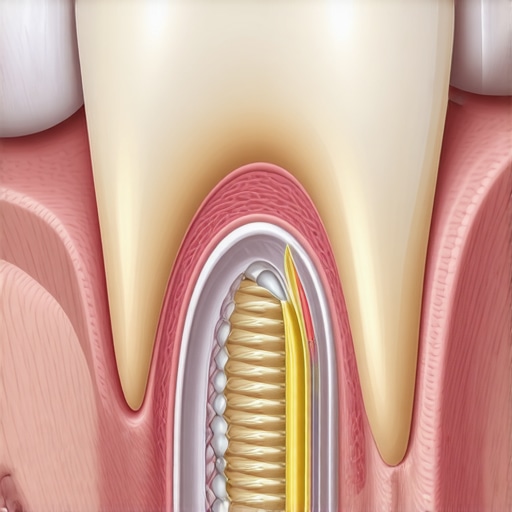
We are taught from childhood that more scrubbing equals better health. In reality, over-aggressive teeth cleaning techniques can be the very thing making your runs miserable. If you have thinned your enamel through ‘preventative’ scrubbing, you are exposing the dentin. This does not just cause sensitivity to cold; it makes the vibrations of your footsteps feel like electric shocks. Even a gentle teeth cleaning can feel painful if your gums are already receding from too much pressure. Stop trying to ‘sandpaper’ your way to health. Instead, focus on maintaining oral health through consistency, not force. Have you ever fallen into this trap of over-cleaning and ended up with more sensitivity? Let me know in the comments, because I have definitely been there!
Ultimately, your mouth is a complex mechanical system. Whether you are looking into cosmetic dentistry trends or just trying to keep up with family dentistry foundations, remember that impact pain is a signal. It is not just an annoyance; it is your body telling you that something—be it a sinus issue, a high filling, or thin enamel—is out of alignment. Addressing these oral health myths now will save you from much more expensive repairs down the road.
Ditch the Manual Brush for a Smart Pressure Sensor
If your teeth are already sensitive from the vibration of running, the last thing you want is to add more trauma at the bathroom sink. I personally switched to an electric toothbrush with a built-in pressure sensor—the kind that glows red when you push too hard. Why? Because when we are stressed or physically exhausted from a workout, our fine motor skills go out the window, and we tend to scrub harder to ‘feel’ clean. This is one of those oral health myths debunked: harder scrubbing does not mean cleaner teeth; it just means more enamel wear. Using a sensor-based brush ensures you are practicing gentle teeth cleaning best practices for sensitive gums without even having to think about it.
How do I keep my smile stable through years of high-impact training?
Maintenance is not just about the brush; it is about the architecture of your mouth. I have found that the benefits of using a water flosser are unmatched for athletes. When you are breathing heavily through your mouth during a long run, your saliva dries up, which allows plaque to harden much faster. A water flosser gets into those periodontal pockets that manual floss might miss, especially if your gums are slightly inflamed from the physical stress of jumping. This kind of proactive care is a huge part of family dentistry foundations because it prevents the deep-seated inflammation that makes your teeth feel ‘loose’ or ‘rattly’ during a sprint.
Why Digital Scans are Replacing the Gooey Molds of the Past
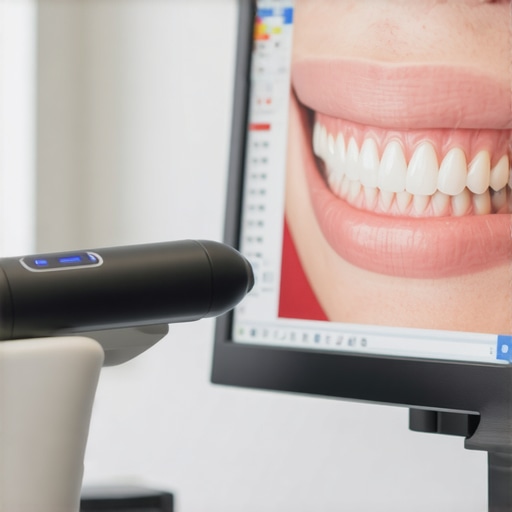
If you suspect that your bite is off or that a crown is hitting too high, do not settle for the old-school putty molds. I always look for offices that use high-resolution intraoral scanners. We now use digital scanners to avoid messy dental molds because they provide a 3D map of your bite that is accurate to the micron. For a runner, this precision is everything. If a nightguard or a crown is even a fraction of a millimeter off, the impact of your footfall will amplify that error. Technical documentation from the American Dental Association (ADA) suggests that digital impressions significantly reduce the ‘remake rate’ of dental appliances, ensuring that your protective gear actually protects rather than irritates.
Looking ahead, I predict we will see smart mouthguards equipped with sensors that track your clenching force in real-time, syncing with your fitness watch to tell you when to relax your jaw. Until then, the best long-term strategy is consistency. Knowing how regular dental cleanings can save you money is the ultimate ‘hack.’ It is much cheaper to adjust a high filling today than it is to treat a fractured tooth tomorrow. If you are feeling that rhythmic jolt during your workouts, I want you to try this right now: next time you run, place the tip of your tongue on the roof of your mouth, just behind your front teeth. This naturally keeps your jaw slightly open and prevents clenching. It sounds simple, but it is a game-changer for mid-run comfort. Don’t wait for the pain to become a permanent fixture in your routine—get your bite checked and keep those shock absorbers in check!
The Hard-Won Truth About My Workout Tooth Pain
After years of trail running and heavy lifting, I’ve realized that mouth pain isn’t just a dental issue—it’s a bio-mechanical one. Here is what actually shifted my perspective:
- The ‘jolt’ is a messenger. Most runners ignore it until it becomes a throb, but that sharp pain is your body flagging inflammation in the periodontal ligament, not necessarily a rotting tooth.
- Mouth breathing is the enemy. During intense cardio, your saliva dries up, losing its protective mineral barrier. This makes any existing oral health myths about perfect hygiene irrelevant if you aren’t managing your pH levels mid-run.
- Your sinuses are incredibly sneaky. If the pain only happens on the upper level during a descent, it’s almost always congestion-related, whereas lower-level pain usually points to a clenching habit you might not even realize you have.
A Few Tools That Actually Saved My Teeth
I don’t recommend products unless they’ve survived my 5 AM training sessions. To keep your smile stable and your pace steady, I suggest looking into these specific resources:
- A Sensor-Driven Brush: You need a tool that forces gentle teeth cleaning because post-workout adrenaline makes us brush way too hard without realizing it.
- A High-Quality Water Flosser: Reaping the benefits of using a water flosser was a total game-changer for my gum sensitivity, especially when I’m training for long distances.
- Digital Bite Mapping: We now use digital scanners to avoid messy dental molds, and this precision ensures that any athletic nightguard you wear actually protects you rather than creating new pressure points.
#IMAGE_PLACEHOLDER_E#
Your Next Steps Toward Pain-Free Running
Fitness should never come at the expense of your dental health. If you are struggling with why your teeth hurt when you run or jump, take it as a vital sign to pause and recalibrate. Whether it’s a quick adjustment to a crown or simply learning to relax your jaw mid-stride, these small fixes ensure your smile stays as strong as your personal records. Don’t let a little ache turn into a major surgery down the road. Have you ever had to cut a run short because of a sudden, rhythmic tooth jolt? Let me know in the comments below!