
I sat in my car for twenty minutes, engine off, staring at the brick wall of the dental office like it was a firing squad. My heart was thumping against my ribs, and my palms were so slick I could barely grip the door handle. I am a grown adult. I pay taxes. I handle high-stress situations at work every day. But the second I smell that clinical, clove-scented office air, I am five years old and terrified again. For years, I just did not go. I made the massive mistake of assuming all dentists were the same—cold, clinical, and slightly annoyed by my nerves. Eventually, a small cavity turned into a major ordeal because I was too scared to seek help. If you have ever felt like your fear is a burden to your provider, let us stop that cycle today. We are going to find you a dentist who treats your anxiety as a real medical condition, not an inconvenience.
Stop Settling for Dentists Who Treat You Like a Number
[IMAGE_PLACEHOLDER]Finding a provider who specializes in anxious adults isn’t just about finding someone nice. It is about finding a team that understands the physiological response of phobia. When I finally stopped picking the closest office on the map and started looking for specific traits, my entire relationship with my oral health changed. You should not have to navigate your fear alone; your dentist should be a partner in managing that tricky gag reflex or heart-pounding panic. According to the American Dental Association, nearly 22 percent of people skip dental visits because of fear or anxiety. That is a staggering number of us hiding from the chair! It is why you need a professional who can explain the difference between laughing gas and oral sedation without making you feel silly for asking.
Is specialized anxiety care just a marketing gimmick?
I get the skepticism. It sounds like a buzzword. But a true anxiety-friendly practice invests in things that cost them time and money: longer appointment slots, specialized equipment, and staff training. They aren’t just trying to help you manage your dental anxiety without heavy sedation to be trendy; they are doing it so you actually show up for routine dental cleanings. Have you ever felt like a dentist was rushing you through your fear just to get to the next patient? The secret is in the vetting process. You need to look for signs of genuine empathy before you even step foot in the lobby. My first win was realizing that I could call and interview the receptionist. If they sound impatient on the phone when you mention your nerves, they will be impatient when you are in the chair. We are looking for empathy, not just a drill.
The Vetting Process That Actually Works
The transition from avoidance to action begins with a mindset shift: you are the customer, and your comfort is a non-negotiable part of the service. Think of finding a dentist like hiring a specialized contractor for a high-stakes project. You wouldn’t hire someone to rebuild your home without asking how they handle surprises; the same applies to your mouth. I remember calling one office in a panic because I had chipped a tooth. When I mentioned my phobia, the person on the other end literally scoffed and said, ‘We are all busy, honey, just come in.’ I didn’t. Instead, I found a place that offered a ‘meet-the-doctor’ session. That twenty-minute conversation—sitting in a normal chair, not the dental throne—changed everything. If you are looking for family dentistry building a foundation of healthy smiles for all ages, that foundation must be built on trust.
Why Your First Call Should Feel Like an Interview
 When you call, don’t just ask about insurance. Tell them, ‘I have severe dental anxiety, and I need to know how your team accommodates patients like me.’ A high-quality office will have a ready answer. They might mention their experience with gentle teeth cleaning best practices for sensitive gums or explain their specific protocols for nervous patients. If the receptionist sounds flustered or dismissive, that is your signal to hang up. You are looking for an environment where the ultimate guide to teeth cleaning techniques and benefits is explained with patience, not a rush to get you into the chair.
Prioritize Offices That Use Modern Tech
Modern technology is a major ally for the anxious. Old-school molds involve a mouthful of goop that triggers the gag reflex, but many modern practices use digital scanners to avoid messy dental molds entirely. This isn’t just about being high-tech; it is about reducing the physical triggers of panic. When an office invests in these tools, they are investing in your comfort. This kind of maintaining oral health expert advice for a lifetime of healthy teeth often includes using lasers or quieter drills that don’t produce that high-pitched whine that sends many of us running for the door.
Demand a Consultation Before Any Actual Work
Never feel pressured to get a cleaning or a procedure on your very first visit. A truly anxiety-friendly dentist will allow you to schedule a consultation just to talk. This allows you to vet the doctor’s bedside manner and discuss how mindfulness helps you stay calm when you are in the dental chair. During this visit, establish a ‘stop signal.’ This is a simple hand gesture that means the dentist must stop everything immediately. Knowing you have total control over the pace of the procedure can lower your heart rate significantly. I used to think I was being a ‘difficult’ patient for asking for these things, but I realized that a good dentist actually prefers a patient who communicates their needs clearly.Most people think a ‘gentle’ dentist is just someone who uses a soft voice and has a nice lobby. But here is the contrarian truth: true anxiety-free dentistry is a biochemical challenge, not just a psychological one. I spent years thinking my ‘panic attacks’ in the chair were a personal failure, until an expert explained that the epinephrine in standard numbing shots was actually triggering my fight-or-flight response. Everyone says you just need to breathe through it, but in my experience, switching to an epinephrine-free anesthetic works far better for high-anxiety patients. This is why you need a professional who can help you manage dental anxiety without using heavy sedation by actually understanding your body’s specific chemistry.
Does your dentist know that your ‘panic attack’ might actually be the anesthesia?
This is a nuance many general practices miss. According to clinical reports, the vasoconstrictors like epinephrine used in many local anesthetics can significantly increase heart rate and systolic blood pressure in sensitive individuals, mimicking the exact physical feeling of a panic attack. If your dentist doesn’t offer alternative numbing agents like mepivacaine, they aren’t truly equipped for severe phobias. This level of detail is what separates a standard office from one that excels at family dentistry building a foundation of healthy smiles for all ages. 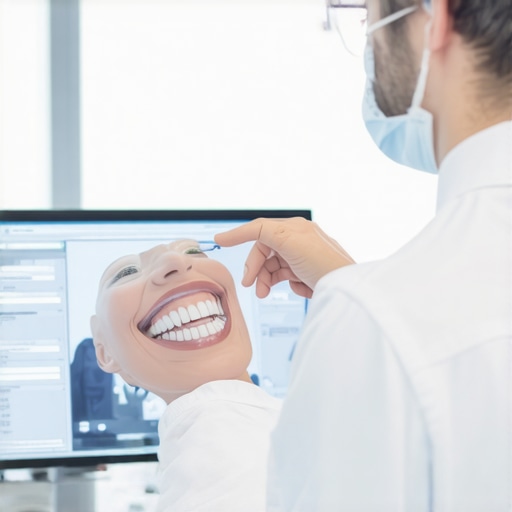 Another major ‘oops’ factor is falling for the ‘cheap cleaning’ trap. You see an ad for a low-cost cleaning and think you are being savvy. However, those high-volume offices often rush the process, missing early signs of gum disease or failing to provide gentle teeth cleaning best practices for sensitive gums. This lead-to-volume approach results in bigger, more expensive problems down the road because the focus is on turnover rather than thorough diagnostics. Understanding how regular dental cleanings can save you money in the long run is about more than just the initial price tag; it is about the quality of the clinical work. We often ignore oral health myths debunked what you need to know in 2025, like the idea that a white smile is automatically a healthy one. If you are pursuing aesthetics, you must also understand the complexity of the materials, such as how to maintain your porcelain veneers so they last twenty years or the science behind teeth whitening to achieve stunning results fast. True expertise means looking past the surface and ensuring the underlying foundation is stable. Have you ever fallen into this trap of assuming all dental work is the same? Let me know in the comments.
The Gear That Keeps Me Out of the Hot Seat
Once you find a dentist who doesn’t make you want to bolt for the exit, the real work happens in your own bathroom. I am extremely picky about my tools because I know that a five-minute investment today prevents a two-hour procedure next year. I personally swear by a high-end electric toothbrush with a built-in pressure sensor. Why? Because I used to be an aggressive brusher, and your gums recede faster if you use a hard-bristled brush. Seeing that little red light flash when I press too hard saved my gum line from years of unnecessary wear. I also ditched traditional floss for a water flosser. It is a total game-changer for someone with a high gag reflex who struggles with manual string. The benefits of using a water flosser for patients with gum disease are massive, but even for basic maintenance, it gets into the nooks and crannies that string just misses. 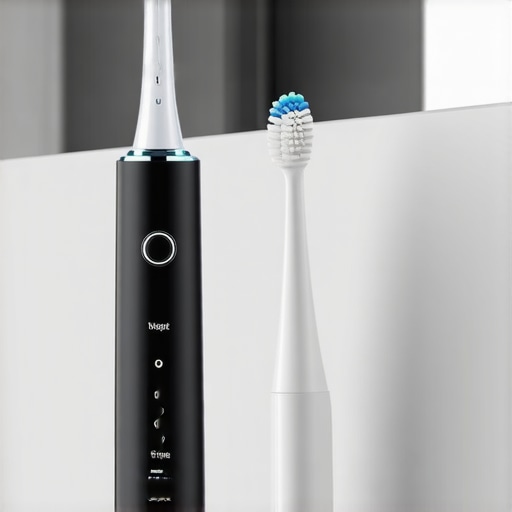
How do I maintain my dental health results over time?
Maintenance isn’t just about the physical act of cleaning; it is about timing and consistency. For example, did you know we recommend waiting thirty minutes to brush after eating fruit? Brushing immediately after consuming acids can actually scrub the softened enamel right off your teeth. This is a vital part of maintaining oral health expert advice for a lifetime of healthy teeth. I also keep a ‘dental emergency kit’ in my travel bag containing temporary filling material and wax. It sounds overboard until you have a loose filling on a holiday weekend. According to a study published in the Cochrane Database of Systematic Reviews, power toothbrushes showed a 21 percent reduction in plaque after three months compared to manual brushing. That is a statistic I take to heart every single morning.
What the future holds for your smile
Looking ahead to 2025 and beyond, I see a major shift toward bio-interactive materials and AI integration in home care. We are already seeing cosmetic dentistry innovations you cannot miss this year that focus on ‘smart’ restorations. Imagine a crown that can alert your phone if it detects bacteria levels rising underneath it. While we aren’t quite at the ‘self-healing tooth’ stage yet, cosmetic dentistry trends that transform your smile this year are focusing heavily on minimally invasive tech that preserves your natural structure. If you want to stay ahead of the curve, start by auditing your current routine. Try this tonight: swap your manual brush for an electric one with a pressure sensor for just one week. I bet you will notice that teeth cleaning secrets to achieve a bright smile aren’t about scrubbing harder, but brushing smarter and protecting your enamel from your own heavy-handedness.
The Truth I Only Found After Three Decades of Avoidance
For a long time, I believed my fear was a personality trait I just had to endure. It wasn’t until I hit rock bottom with a toothache that I realized dental anxiety is actually a physical hurdle that requires a specific strategy. Here is what I wish I’d known sooner: first, learning how to manage dental anxiety without using heavy sedation is often as simple as finding a dentist who listens to your ‘stop’ signal. Second, the cost of waiting is always higher—emotionally and financially—than the cost of a checkup. Finally, you are never the ‘worst patient’ they have seen; professionals who focus on family dentistry building a foundation of healthy smiles for all ages are trained specifically to help people exactly like us.
My Non-Negotiable Kit for a Panic-Free Routine
I don’t just rely on the dentist; I use specific tools to ensure I spend as little time in that chair as possible. My favorite resource for a nervous household is the top 5 secrets to maintaining perfect oral health as a family, which helped me turn my hygiene into a predictable, calm ritual. I also swear by an electric toothbrush with a pressure sensor—because when I’m stressed, I brush too hard—and a water flosser that avoids the ‘gagging’ feeling of string. These tools aren’t just gadgets; they are my defense against the drill. If you want a deeper dive, check out maintaining oral health expert advice for a lifetime of healthy teeth to see how to build your own toolkit.
Your Journey Toward a Fear-Free Smile Starts Tonight
You don’t have to fix everything at once. Your only job today is to realize that a bad experience in the past does not define your future. Whether you are practicing how mindfulness helps you stay calm when you are in the dental chair or simply making that first vetting call, you are already winning. Taking control of your oral health is an act of self-care, not a chore. If you feel ready to take that small, brave step, you can always reach out to a team that actually understands the weight of your worry. Have you ever felt like your dentist didn’t take your anxiety seriously, or did you find a trick that finally helped you stay calm? Let me know in the comments below!